Simplifying Fractions Addition & Subtraction Worksheets for Ages 6-9
18 filtered results
-
From - To
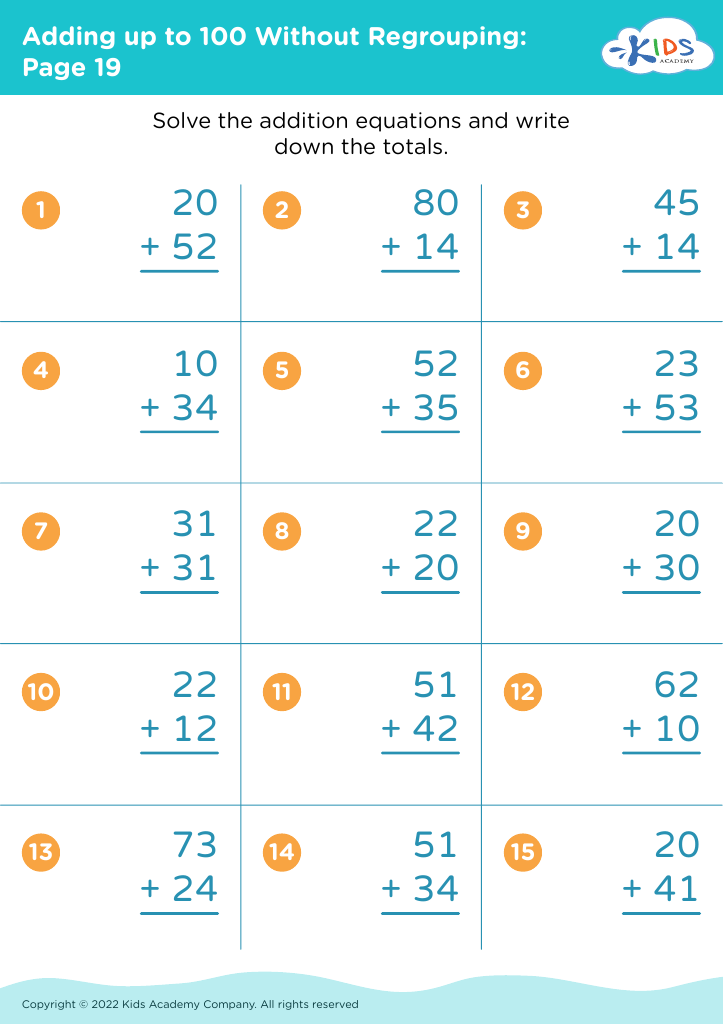
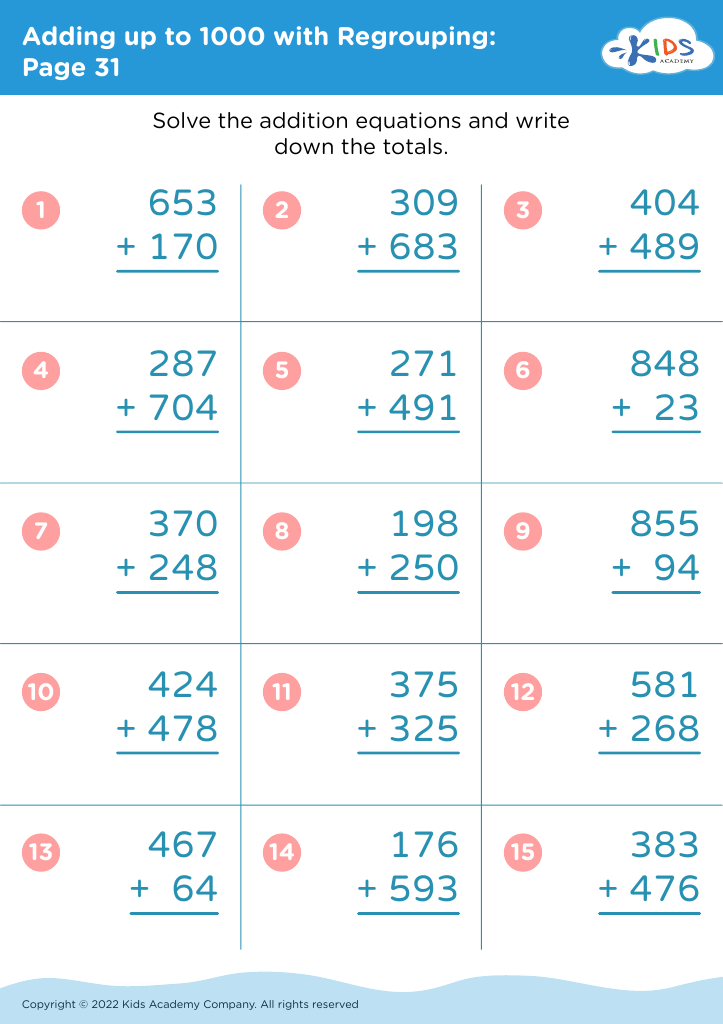
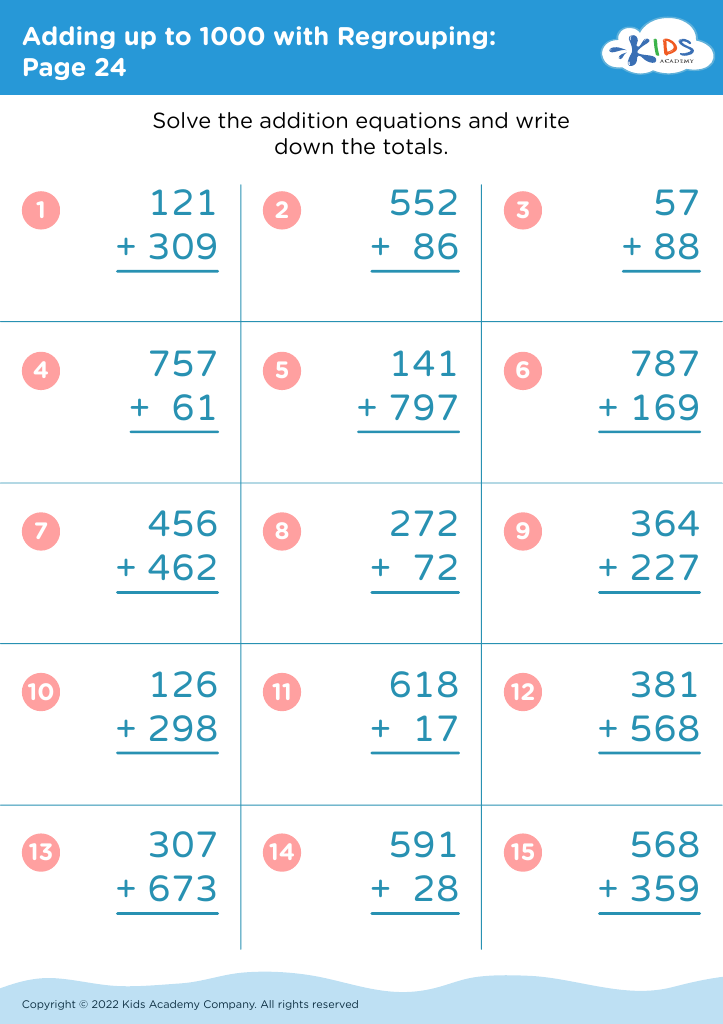
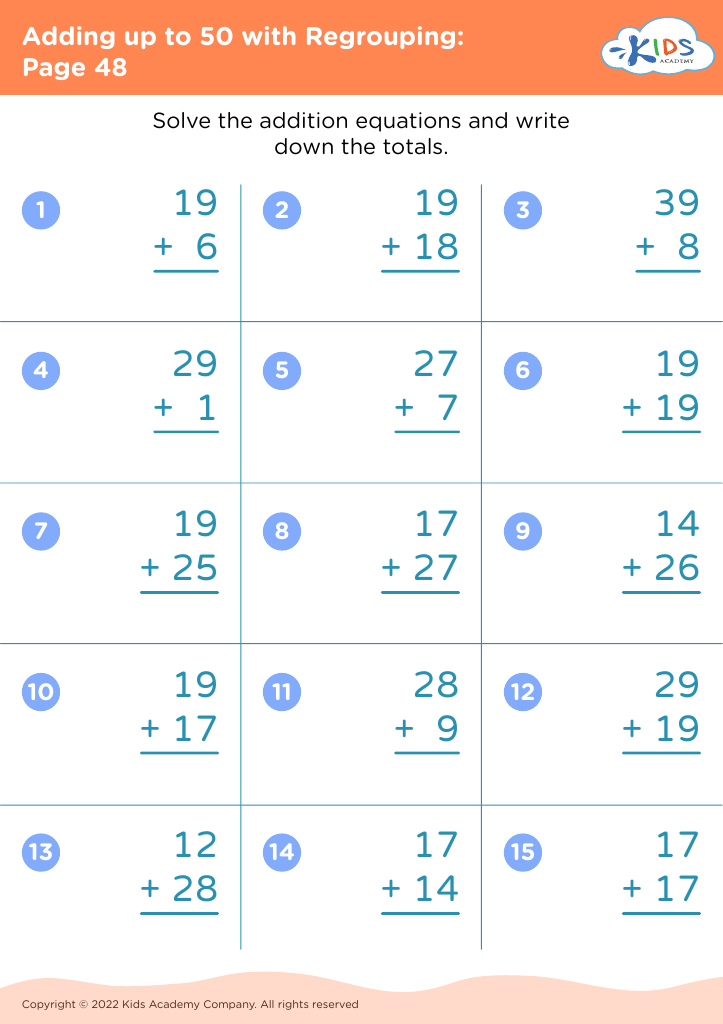
Unlock the world of fractions with our "Simplifying Fractions Addition & Subtraction Worksheets," designed specifically for children aged 6-9! These engaging worksheets make it easy for young learners to master the skills of addition and subtraction with fractions. Our resources promote critical thinking and encourage hands-on learning while simplifying complex concepts. Each worksheet is tailored to gradually enhance understanding—perfect for classrooms or home schooling. Kids will gain confidence as they solve fun problems and develop foundational math skills. Dive into interactive learning and watch your child's math abilities flourish with our comprehensive collection of printable worksheets!
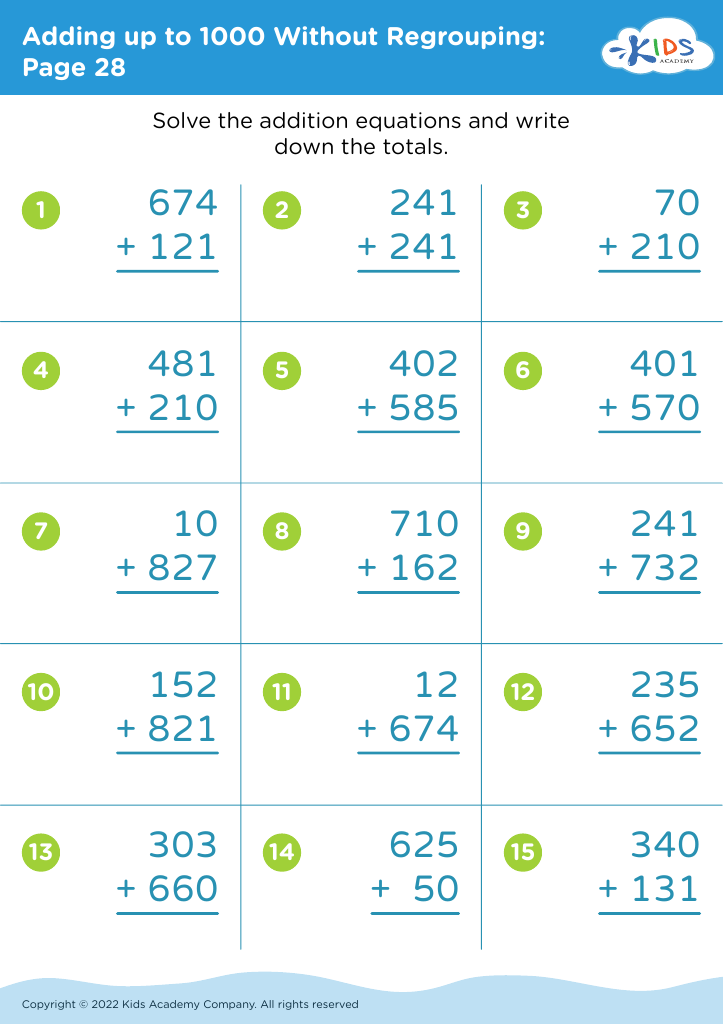
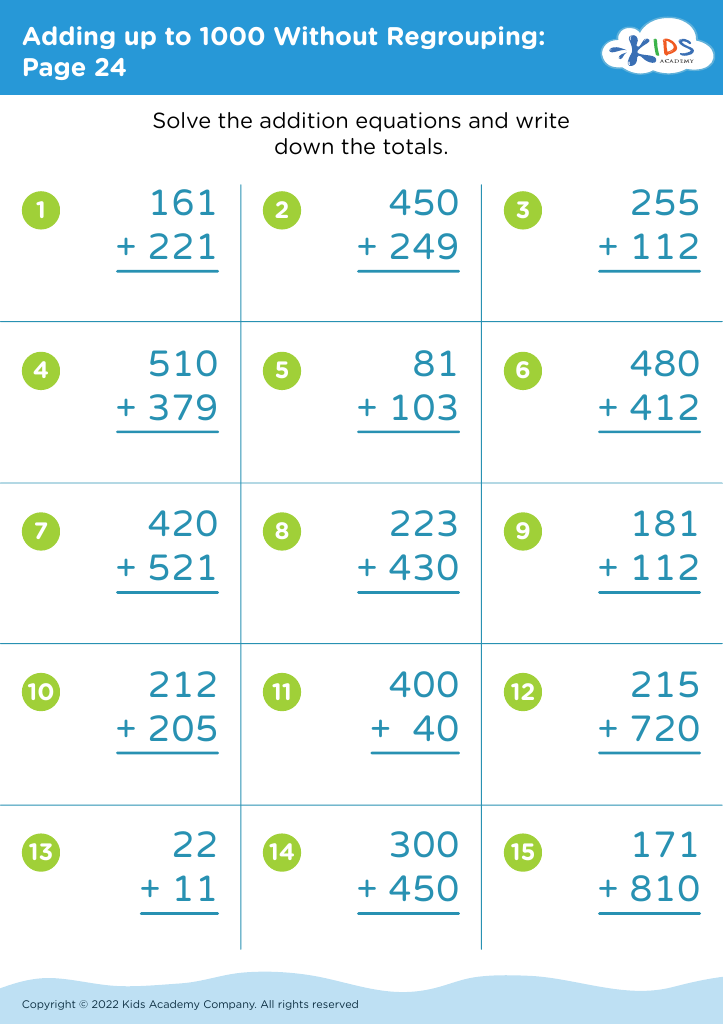








Parents and teachers should care about simplifying fractions addition and subtraction for children aged 6-9 because it lays the foundation for more complex mathematical concepts and fosters confidence in young learners. At this age, children are beginning to understand basic fraction concepts, and simplifying these operations helps them grasp the idea of equivalence and comparison of fractions.
When children learn to simplify fractions, they develop critical problem-solving skills and enhance their number sense. Simplifying fractions makes calculations easier and more manageable, reducing frustration and encouraging perseverance when faced with more complicated problems in the future. Additionally, these skills are essential for a deeper understanding of mathematics, as children encounter real-world scenarios, such as cooking or sharing meals, that often involve fractions.
Furthermore, cultivating a positive attitude towards math during these formative years can significantly influence a child's interest and success in the subject later. Engaging in fraction activities that promote simplification not only makes learning fun but also supports key competencies in reasoning and logic. Overall, embracing the concept of simplifying fractions in early education nurtures well-rounded, confident learners who are prepared for the challenges of mathematical literacy ahead.








