Visual Learning Addition & Subtraction Worksheets for Ages 6-9
9 filtered results
-
From - To
Discover engaging and effective Visual Learning Addition & Subtraction Worksheets for kids ages 6-9! Our carefully designed worksheets utilize vibrant visuals to help young learners grasp fundamental math concepts easily. Ideal for children in their early grades, these activities make adding and subtracting fun, improving comprehension and retention. With colorful imagery and intuitive formats, these resources help kids build confidence and develop strong arithmetic skills. Perfect for both classroom and home use, our worksheets support diverse learning needs and enhance the overall educational experience. Unlock the joys of learning math with our dynamic and interactive visual resources today!
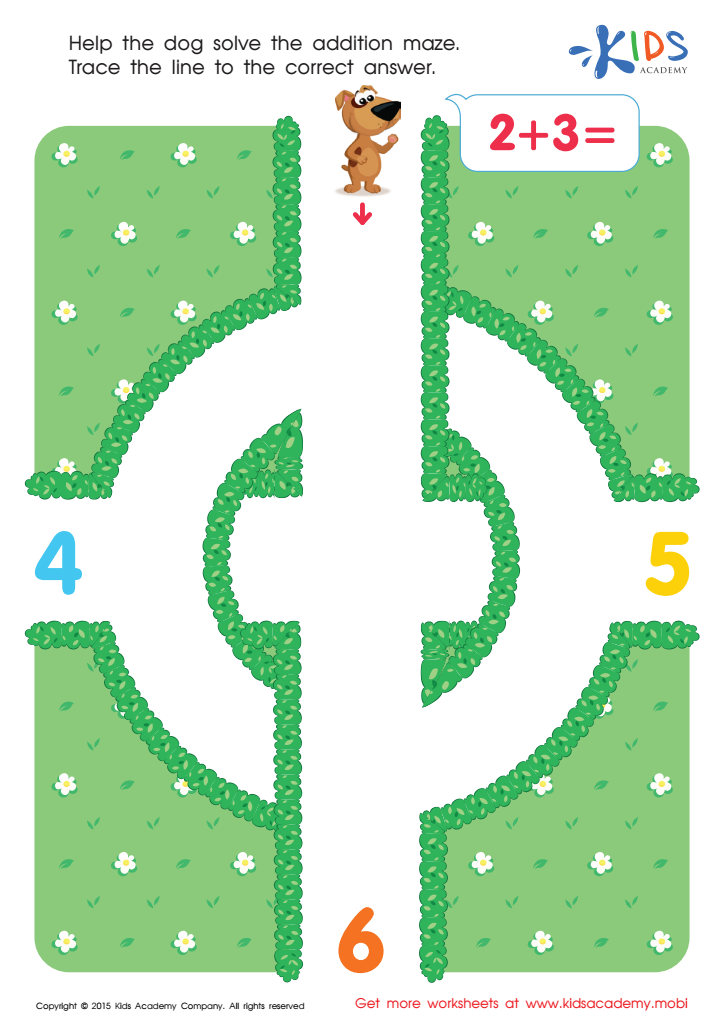
Two And Three Addition Worksheet
 Assign to My Students
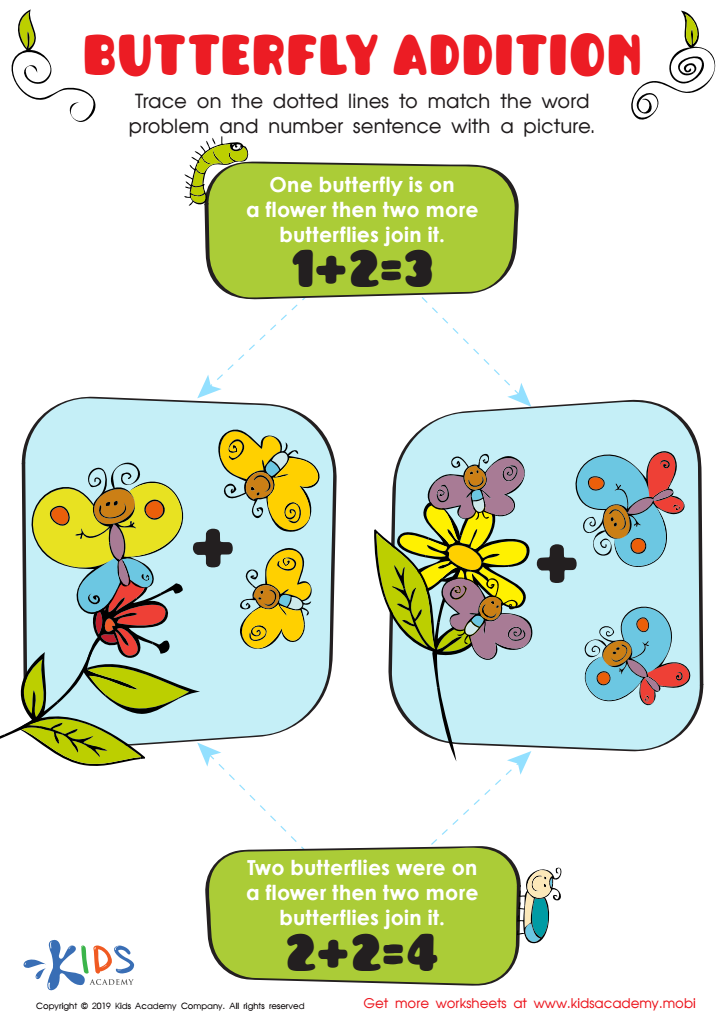
Butterfly Addition Worksheet
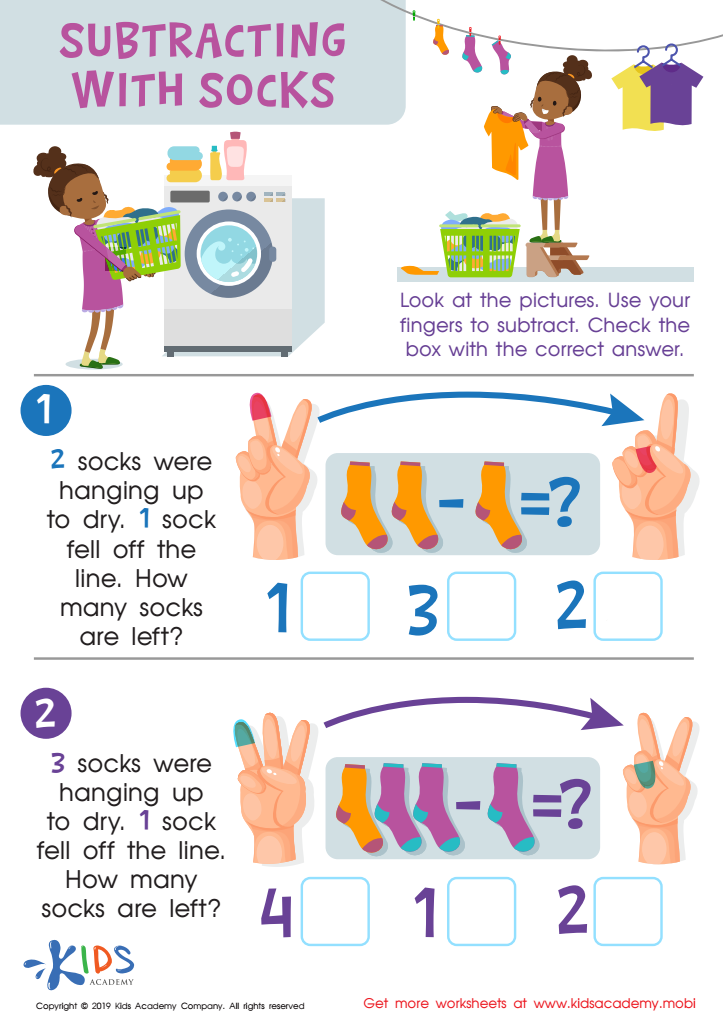
Subtracting Socks Worksheet
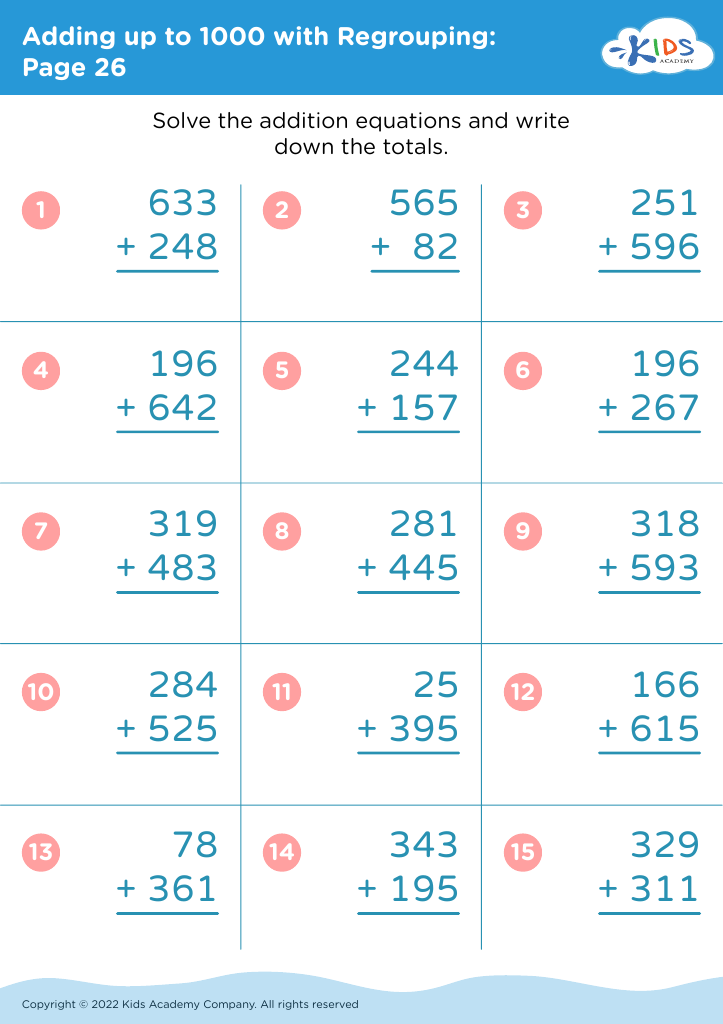
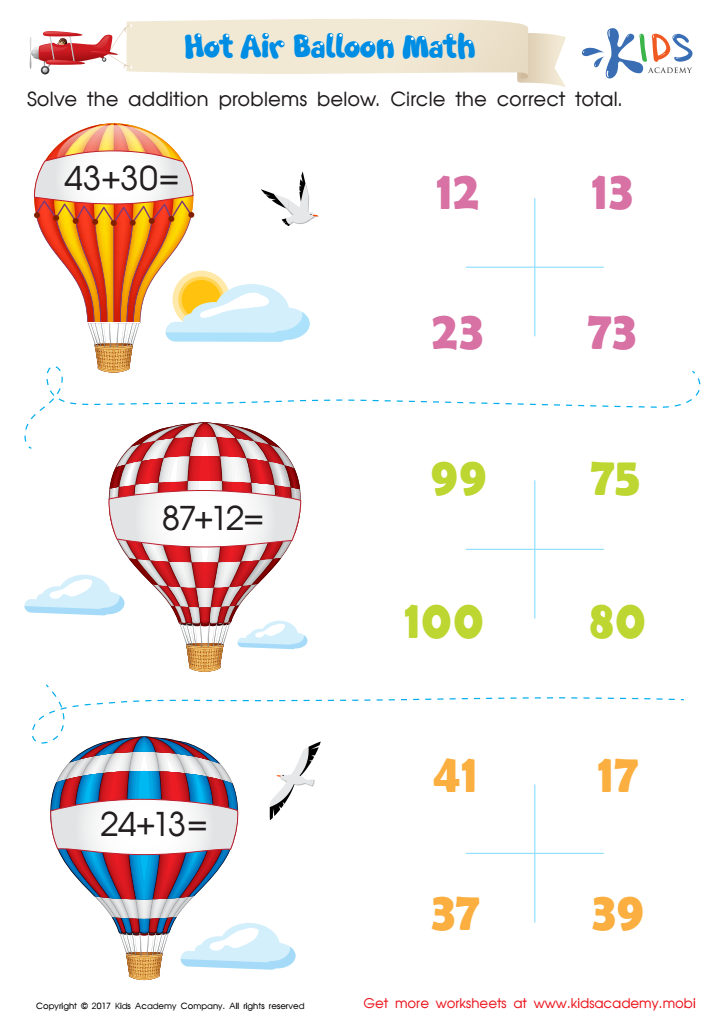
Hot Air Balloon Math Worksheet
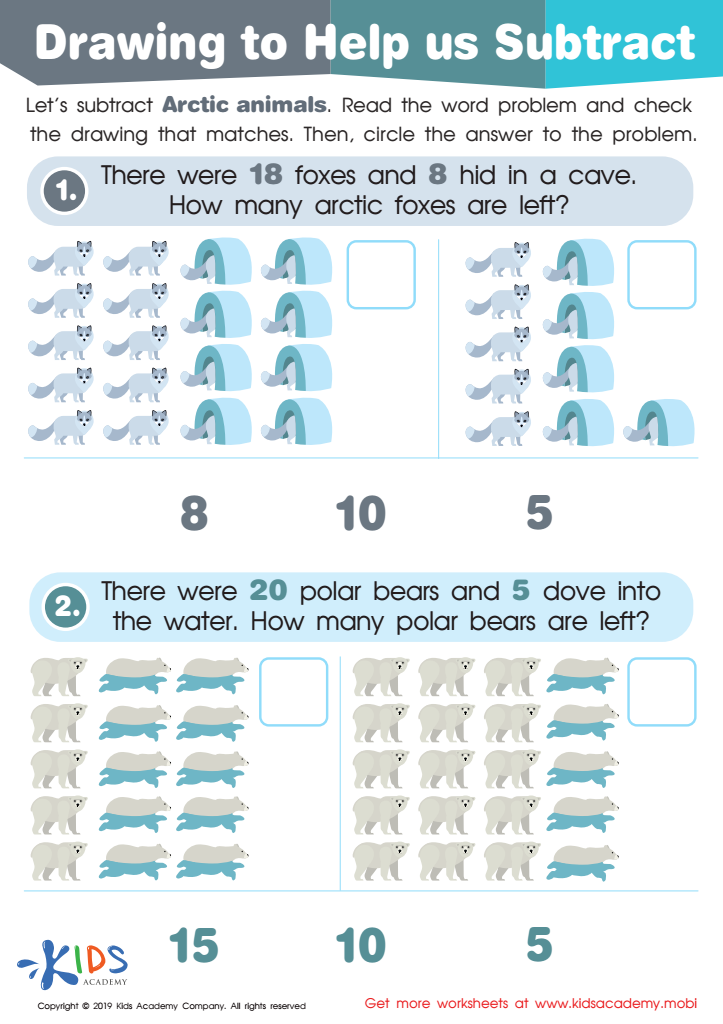
Drawing to Help Us Subtract Worksheet
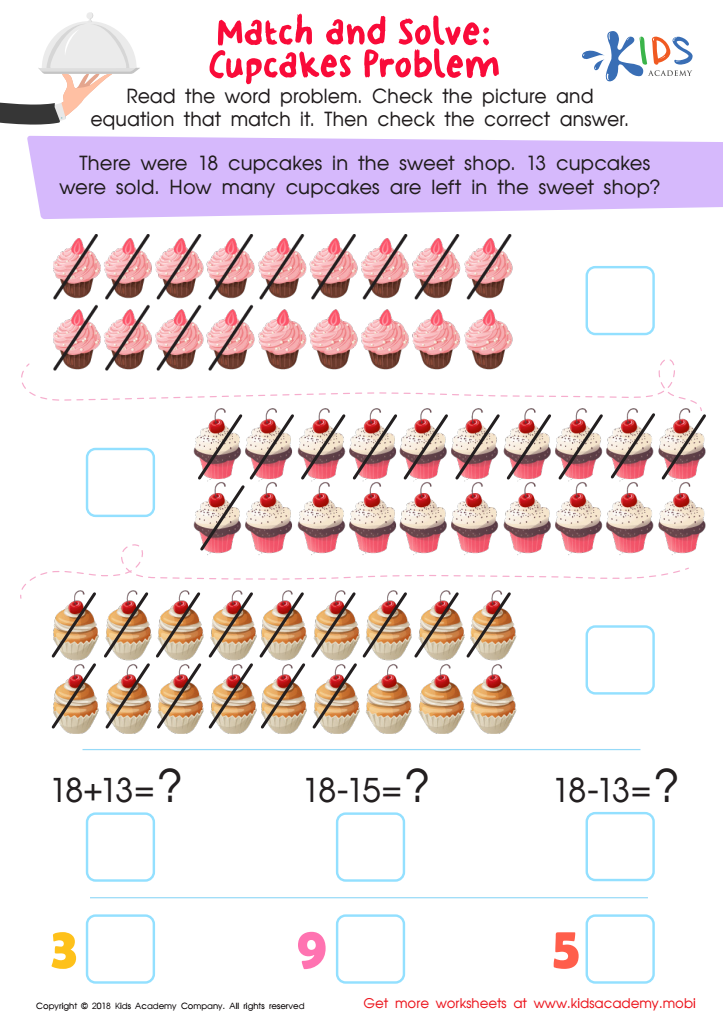
Match and Solve: Cupcakes Problem Worksheet
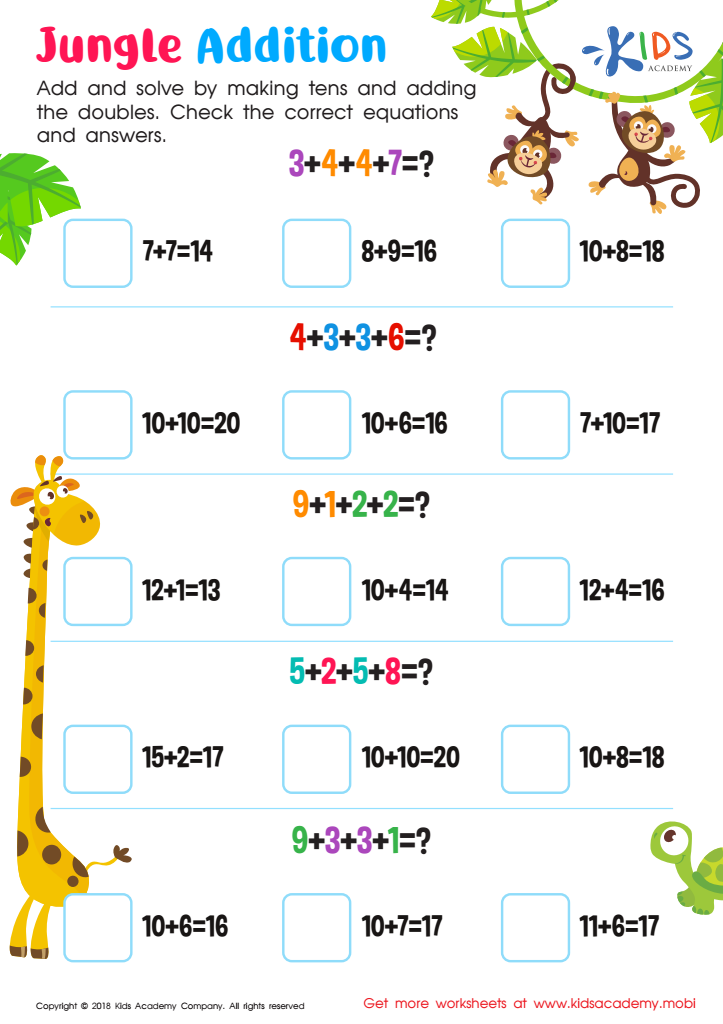
Jungle Addition Worksheet
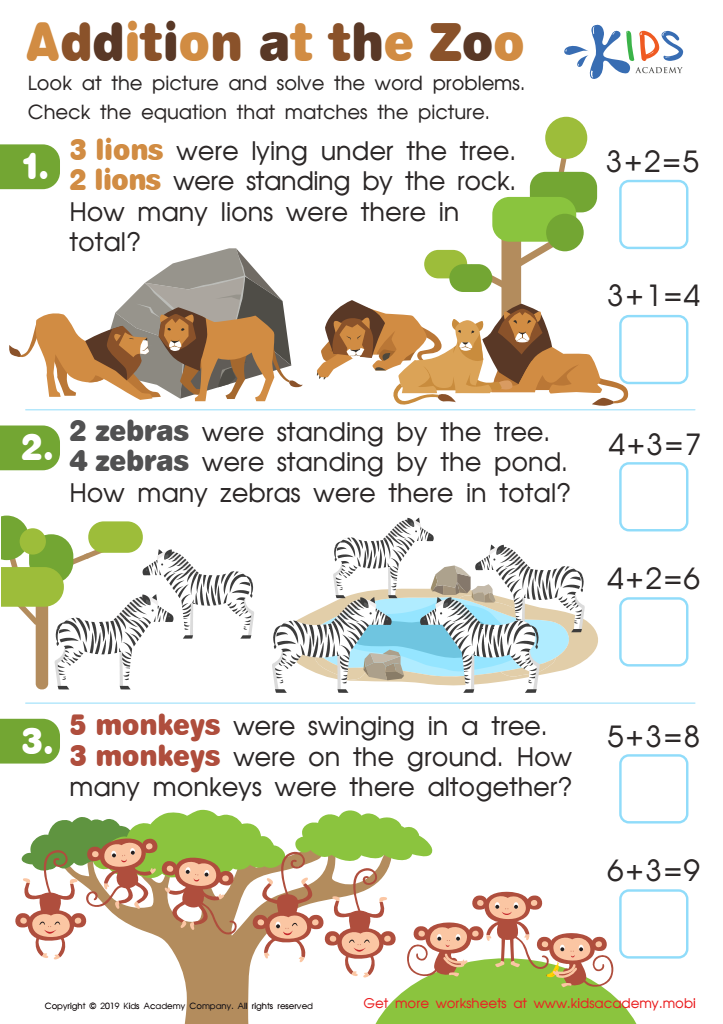
Addition at the Zoo Worksheet








Visual learning in addition and subtraction is essential for children aged 6-9 because it transforms abstract concepts into tangible and relatable experiences, facilitating better understanding and retention. Young children often struggle to grasp numerical ideas in purely symbolic form; visual aids like number lines, pie charts, and counters bridge this gap through concrete representation. These tools not only make math more engaging but also help in building a strong foundational comprehension.
For parents and teachers, investing time in visual learning techniques reaps long-term benefits. When students manipulate visual aids, they engage multiple senses, enhancing neural connections and cementing their learning. This multisensory approach helps address different learning styles, making math accessible to a broader range of students, including visual and kinesthetic learners.
Moreover, visual tools simplify complex problems into manageable steps, promoting critical thinking and problem-solving skills. When students "see" the math, they're more likely to understand the reasoning behind it rather than just memorizing rote procedures. This deepens their conceptual knowledge, making future math learning more effective.
In essence, visual learning addition and subtraction equip young students with the intrinsic understanding necessary for advanced math while fostering a positive and enjoyable learning experience. Therefore, parents and teachers should prioritize these methods to support children's academic growth and confidence in mathematics.








