Fine Motor Skills Numbers Worksheets for Ages 6-9 - Page 4
86 filtered results
-
From - To
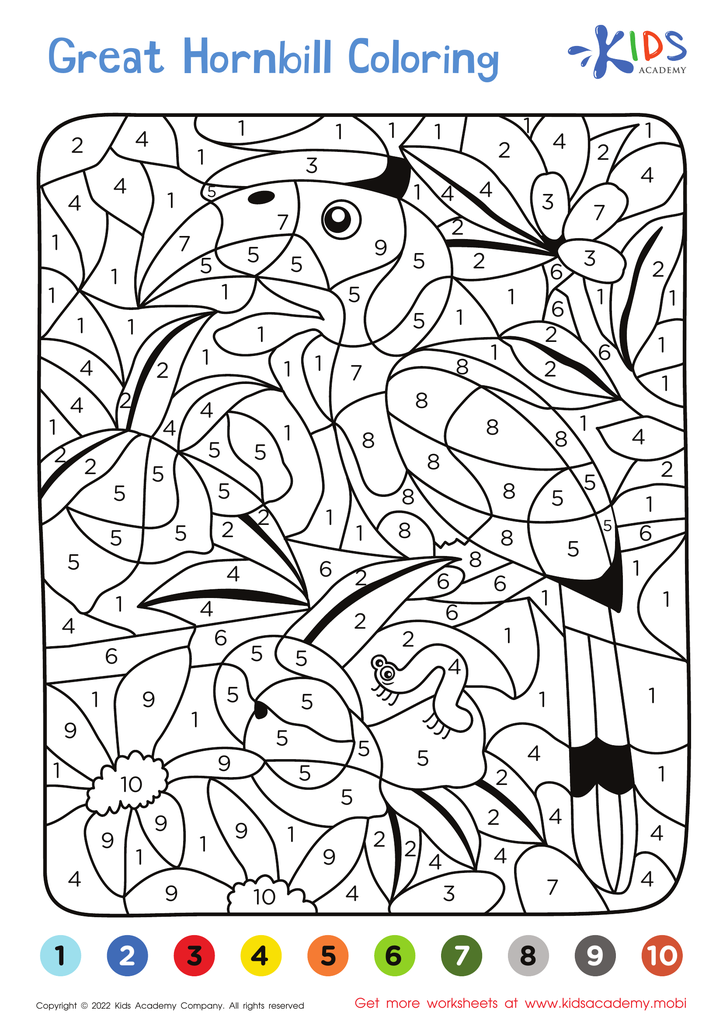
Great Hornbill – Coloring by Numbers
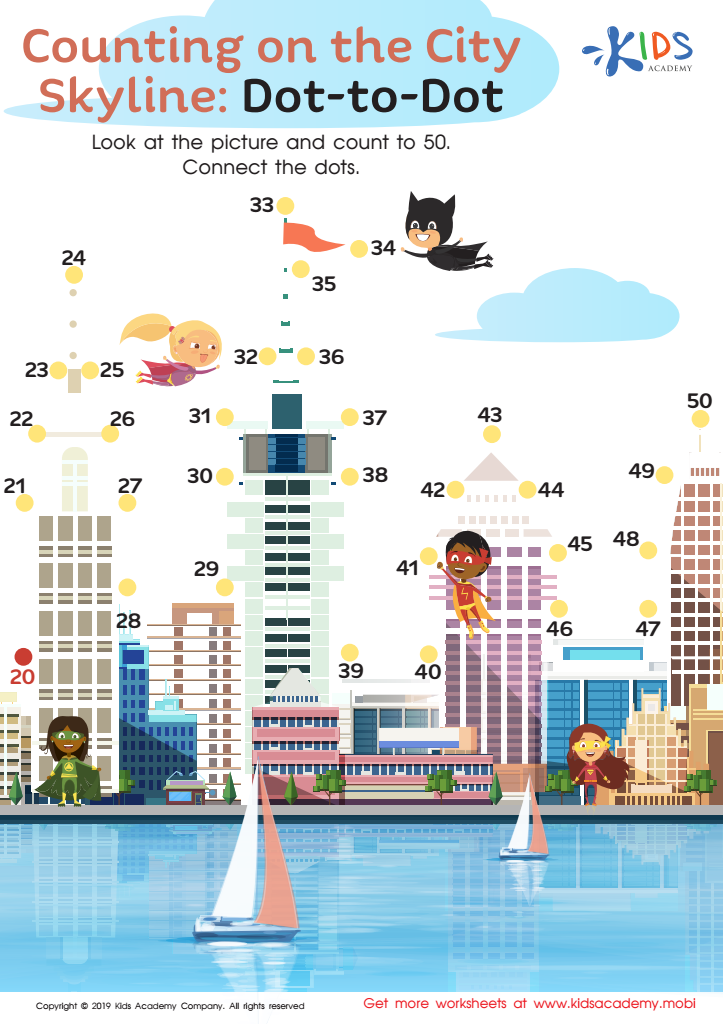
Counting on the City Skyline: Dot-to-Dot Worksheet
 Assign to My Students
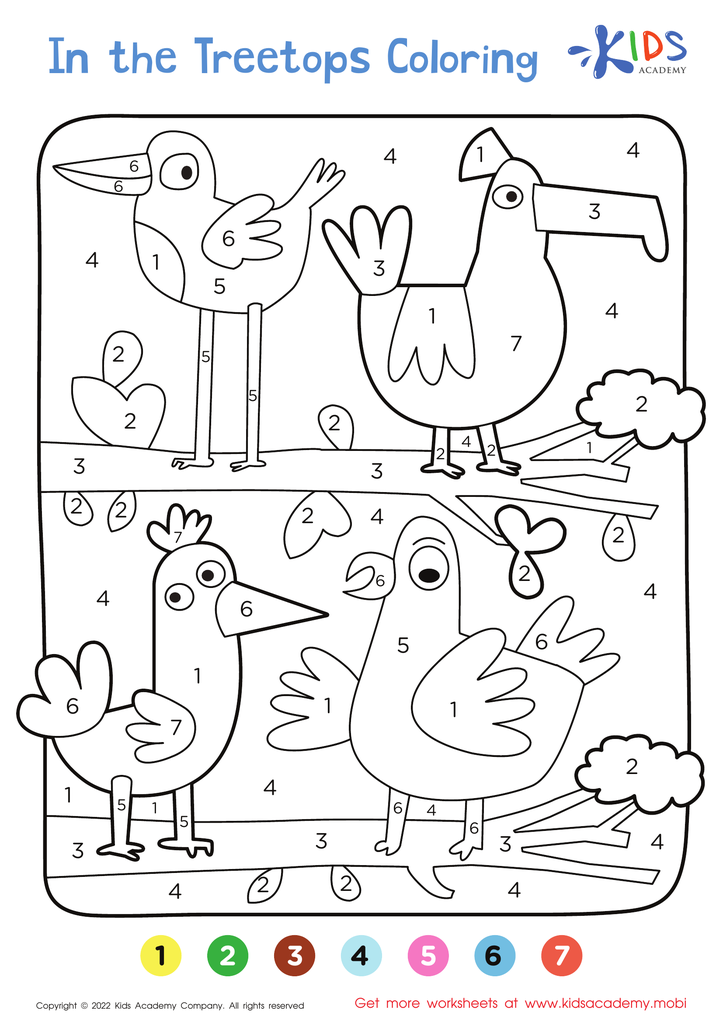
In the Treetops – Coloring Page
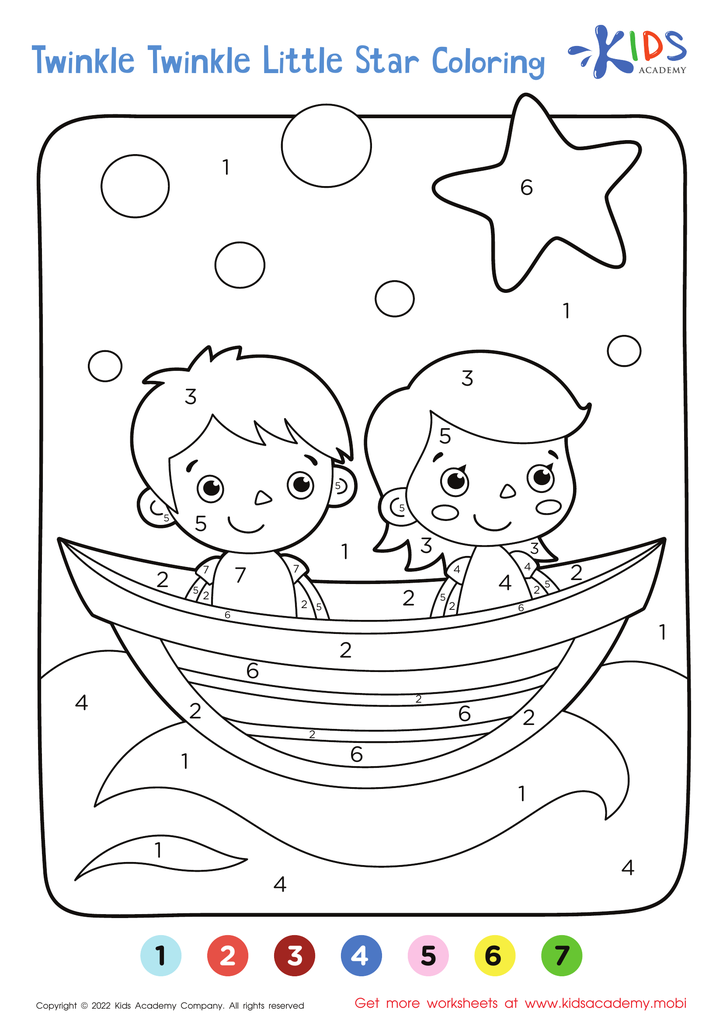
Twinkle, Twinkle, Little Star – Coloring by Numbers
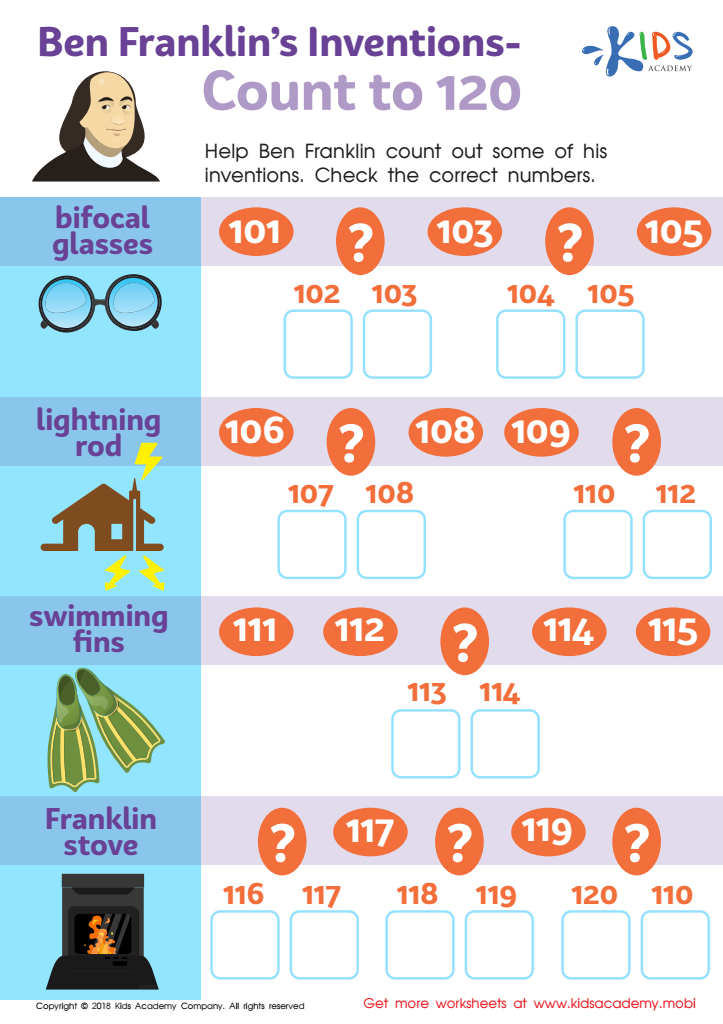
Ben Franklin’s Inventions – Count to 120 Worksheet
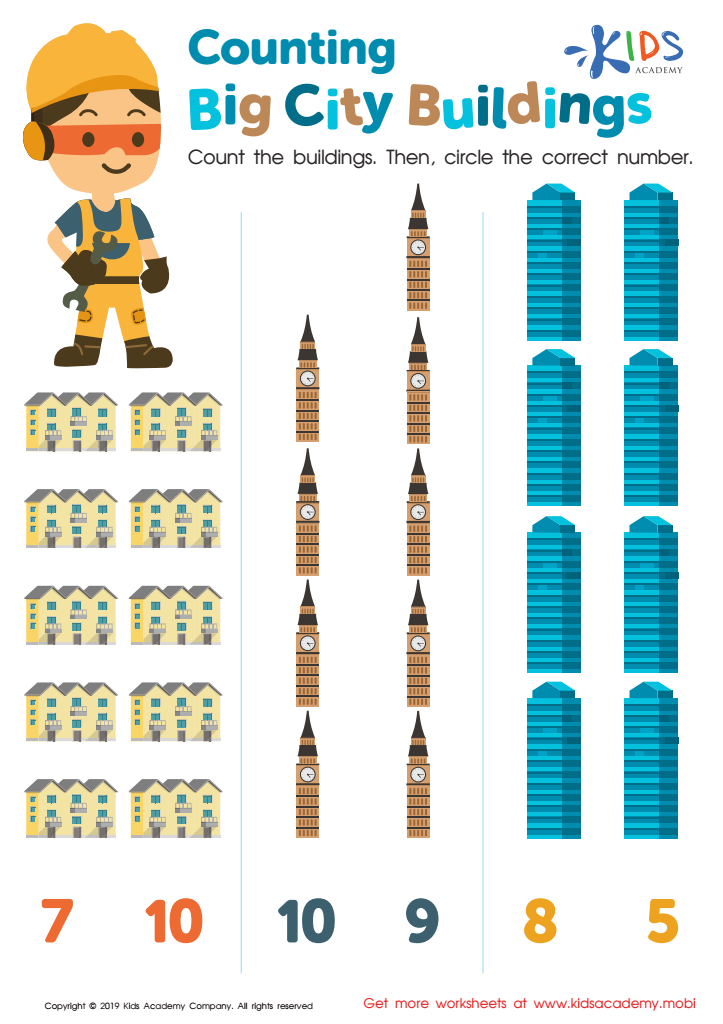
Counting Big City Buildings Worksheet
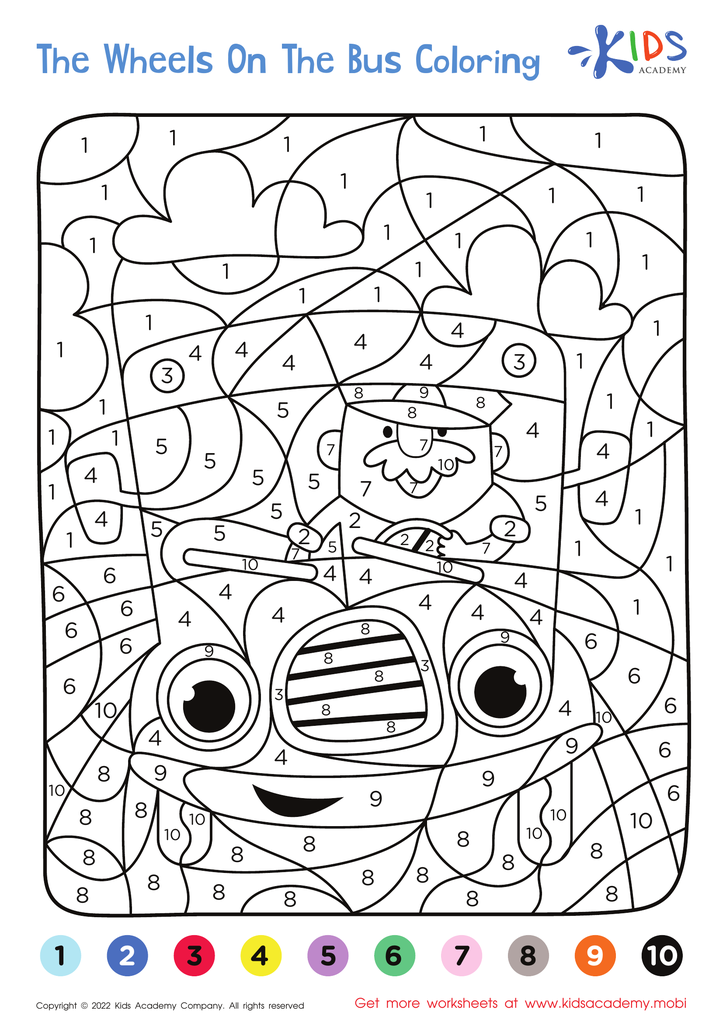
Wheels on the Bus – Coloring by Numbers
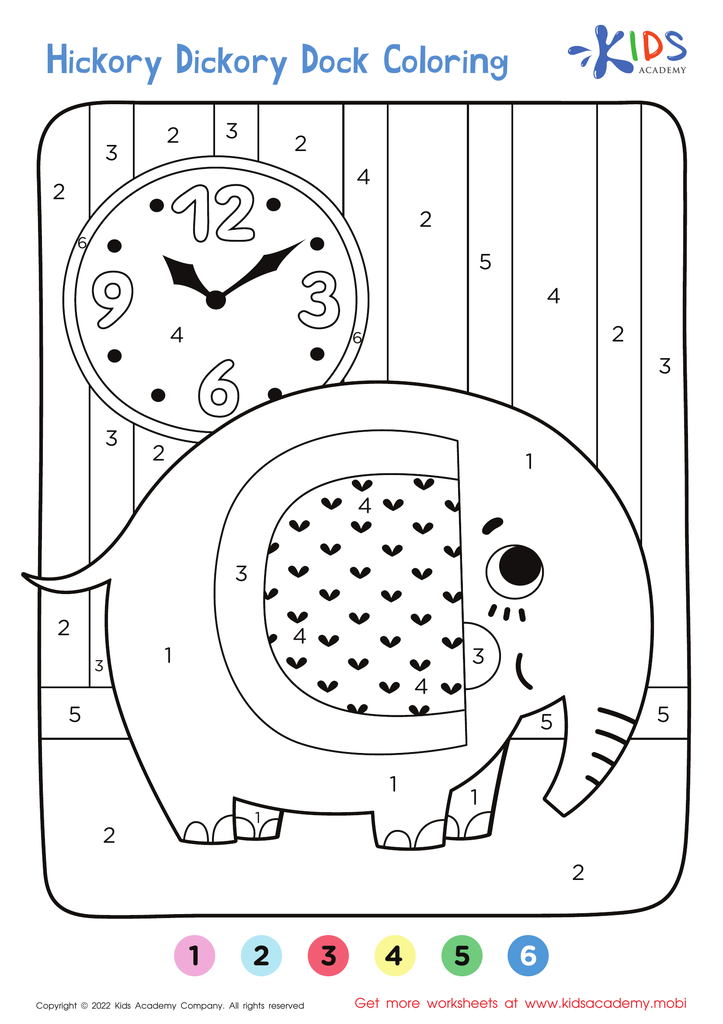
Hickory Dickory Dock – Coloring by Numbers

Night Sky Numbers Worksheet
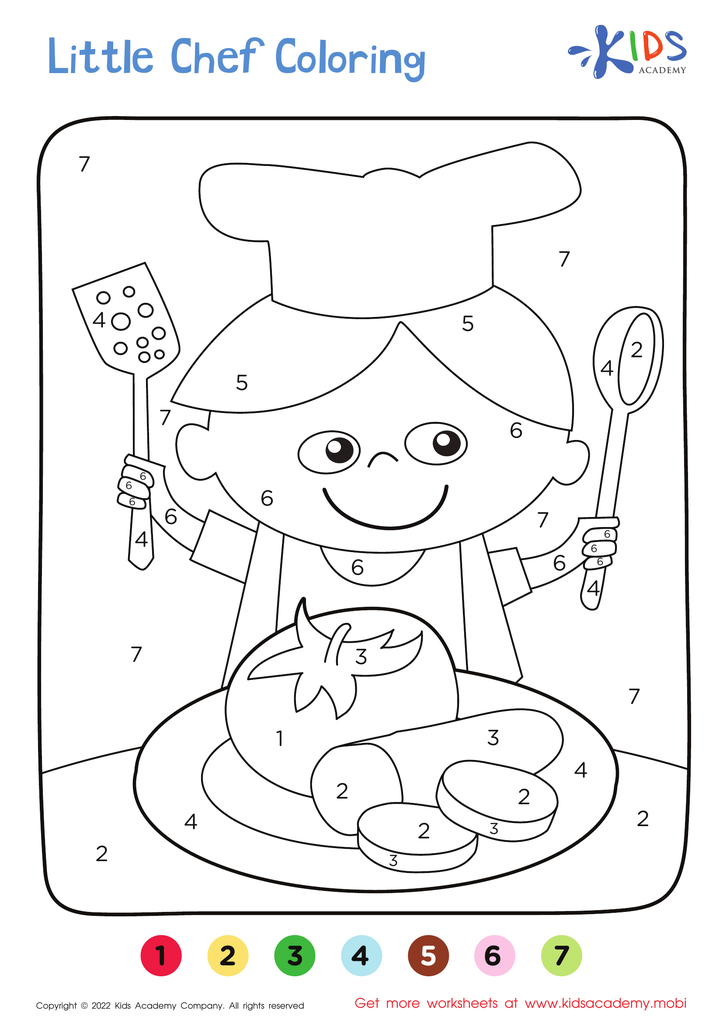
Little Chef – Coloring by Numbers
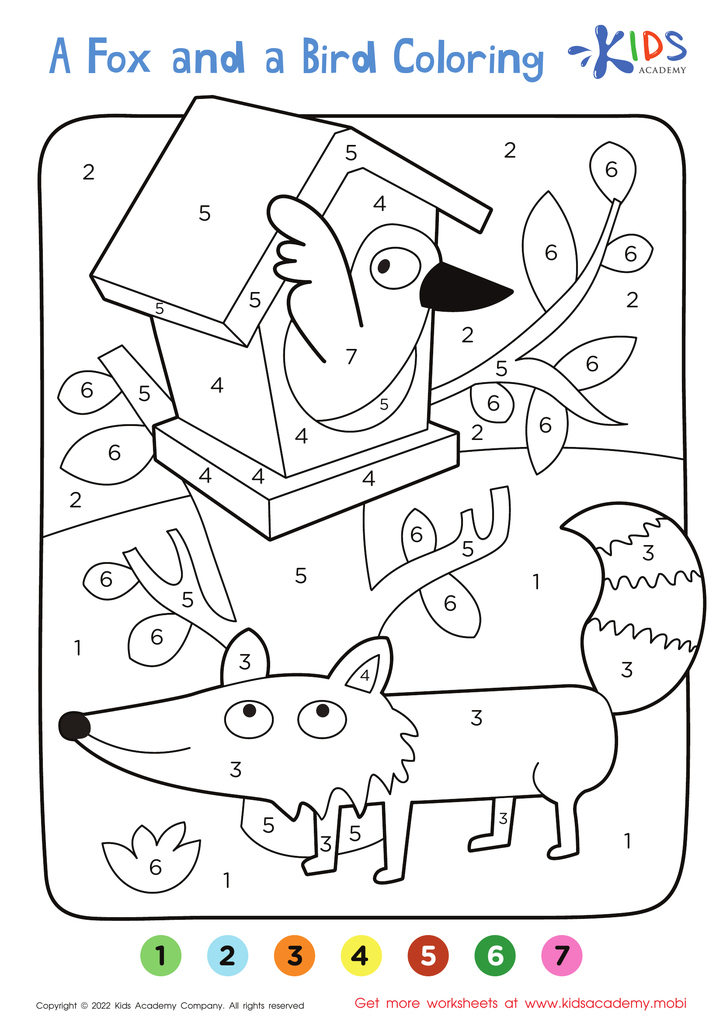
A Fox and a Bird – Coloring by Numbers
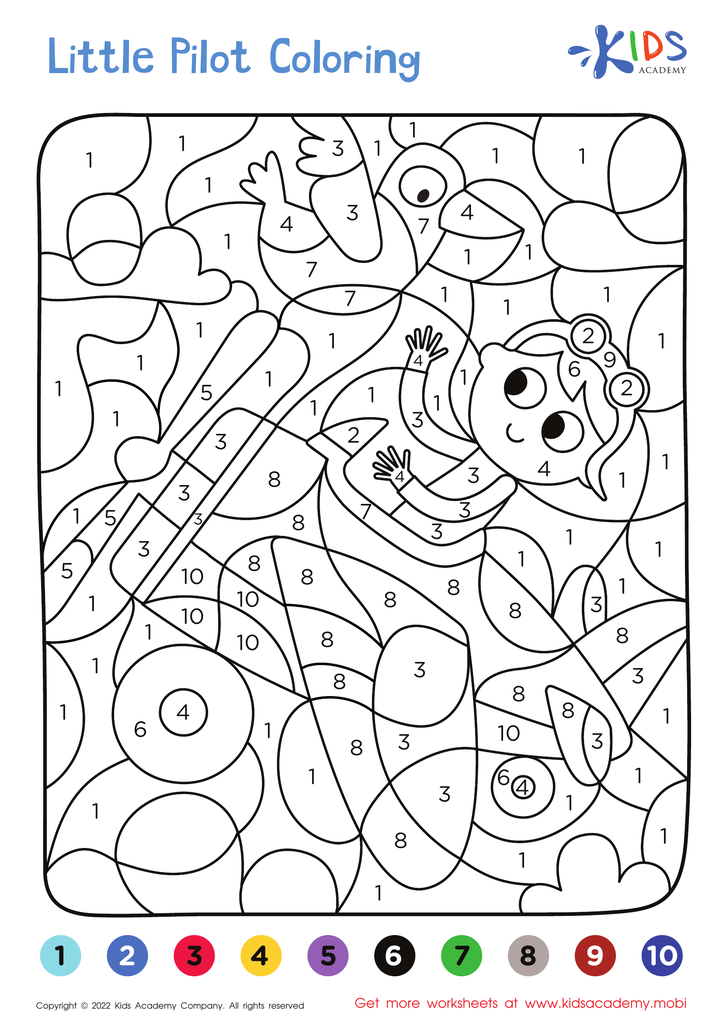
Little Pilot – Coloring by Numbers
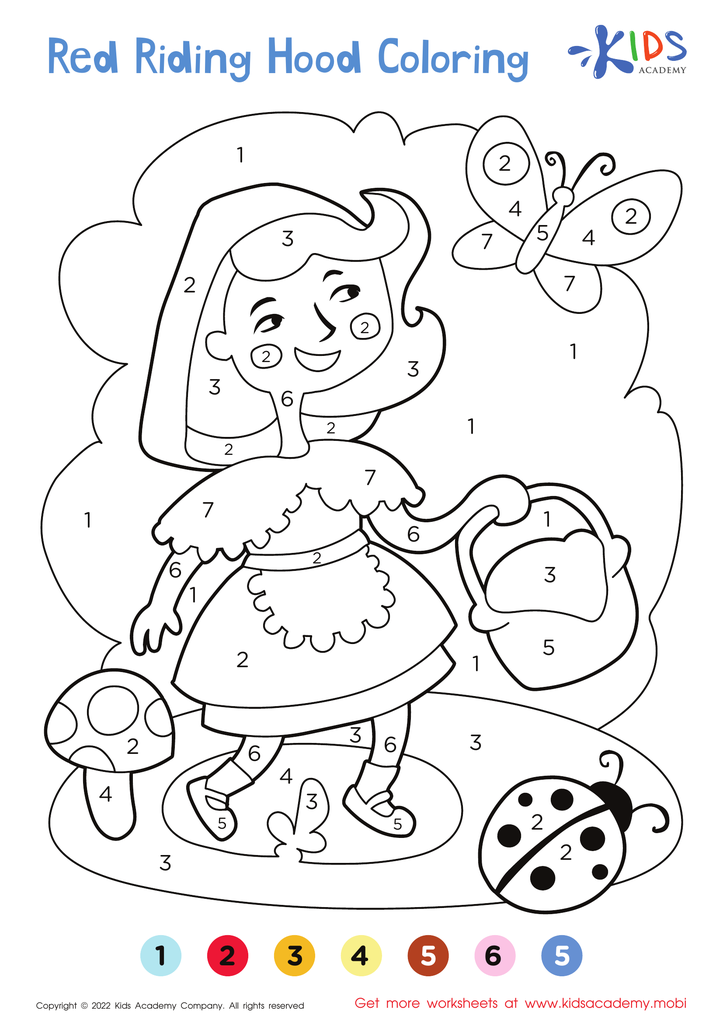
Little Red Riding Hood – Coloring by Numbers
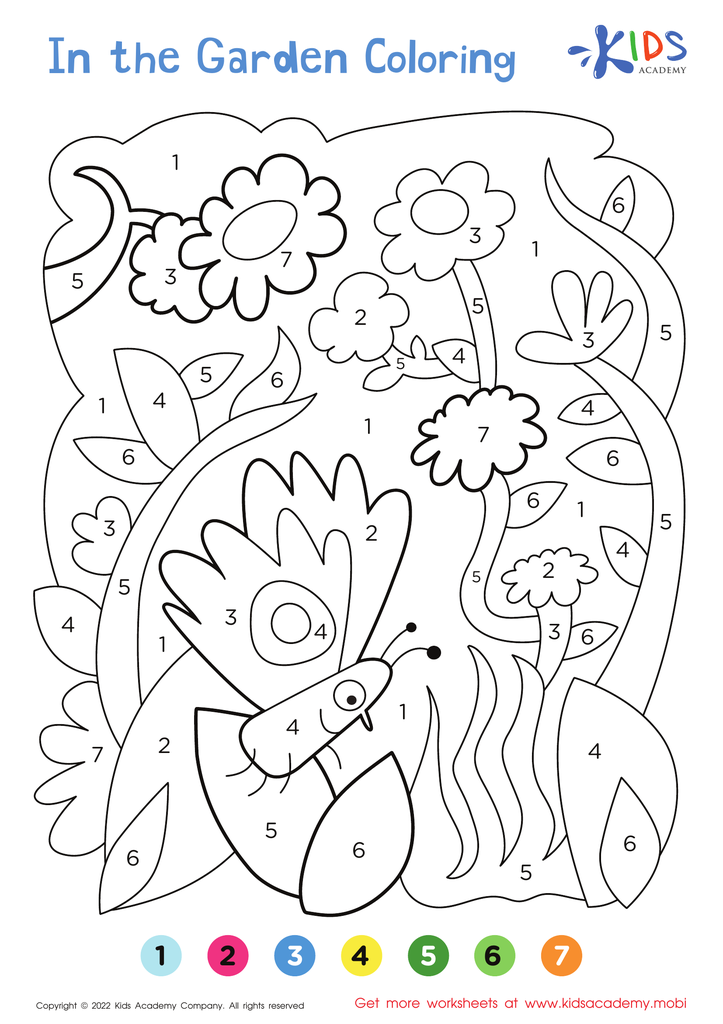
In the Garden – Coloring by Numbers








Fine motor skills are essential for children ages 6 to 9 as they form the foundation for numerous everyday tasks and academic activities. During this developmental stage, children are refining their coordination and control over small muscle movements, particularly those involved in hand and finger usage. Mastery of fine motor skills enables children to perform vital activities such as writing, drawing, cutting, and manipulating small objects, all of which are crucial for classroom learning.
Parents and teachers should care about fine motor skill development because a lack of proficiency in this area can hinder a child’s overall academic progress and self-esteem. Children with well-developed fine motor skills are more likely to express themselves creatively, take pride in their work, and engage confidently in group activities. Additionally, playing with building blocks, puzzles, and art projects can significantly enhance these skills while fostering critical thinking.
Moreover, good fine motor skills often correlate with better performance in STEM subjects, as these skills lay the groundwork for more complex tasks such as problem-solving and innovative thinking. Supporting fine motor development helps children navigate their educational journey with autonomy and confidence, setting them up for future success in both academic and social contexts.








