Enhance Vocabulary Math Worksheets for Ages 6-9
4 filtered results
-
From - To
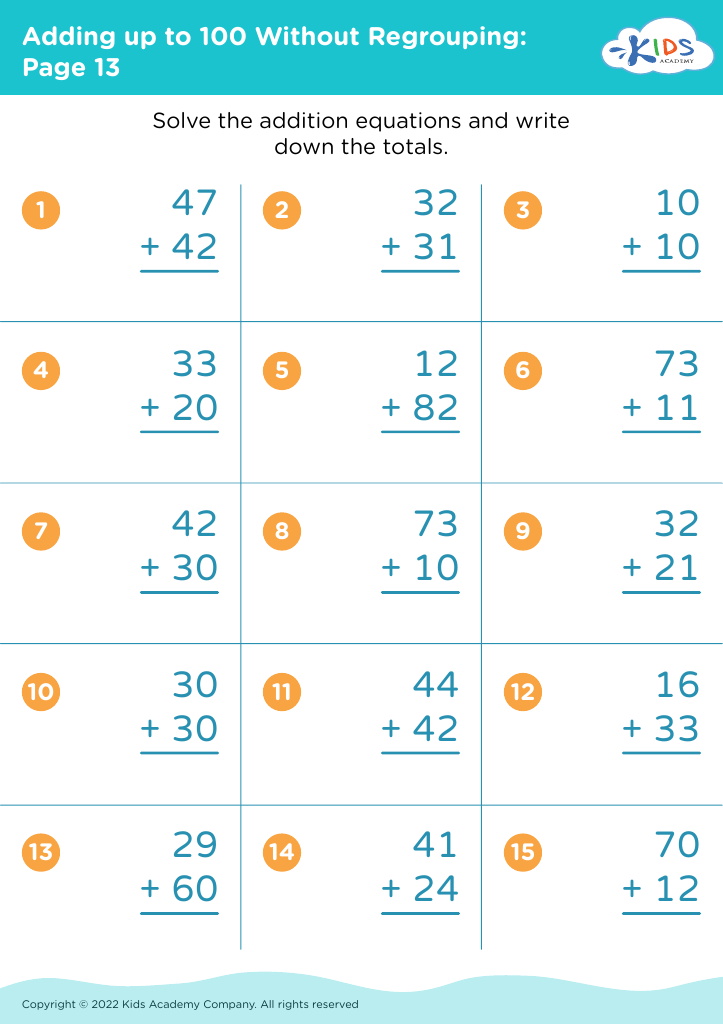
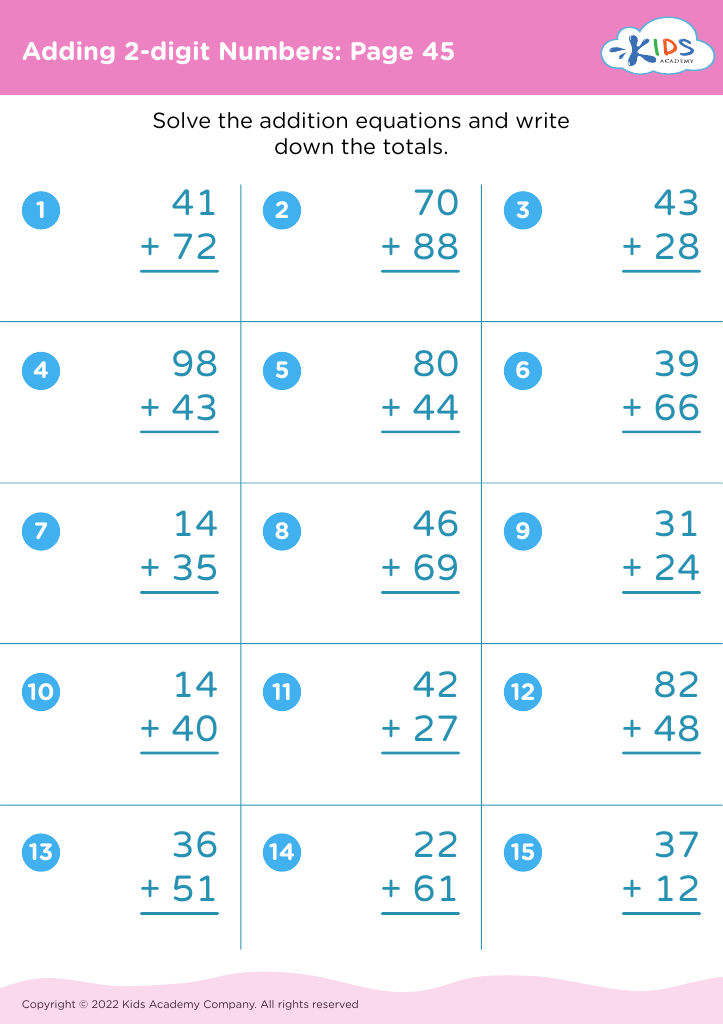
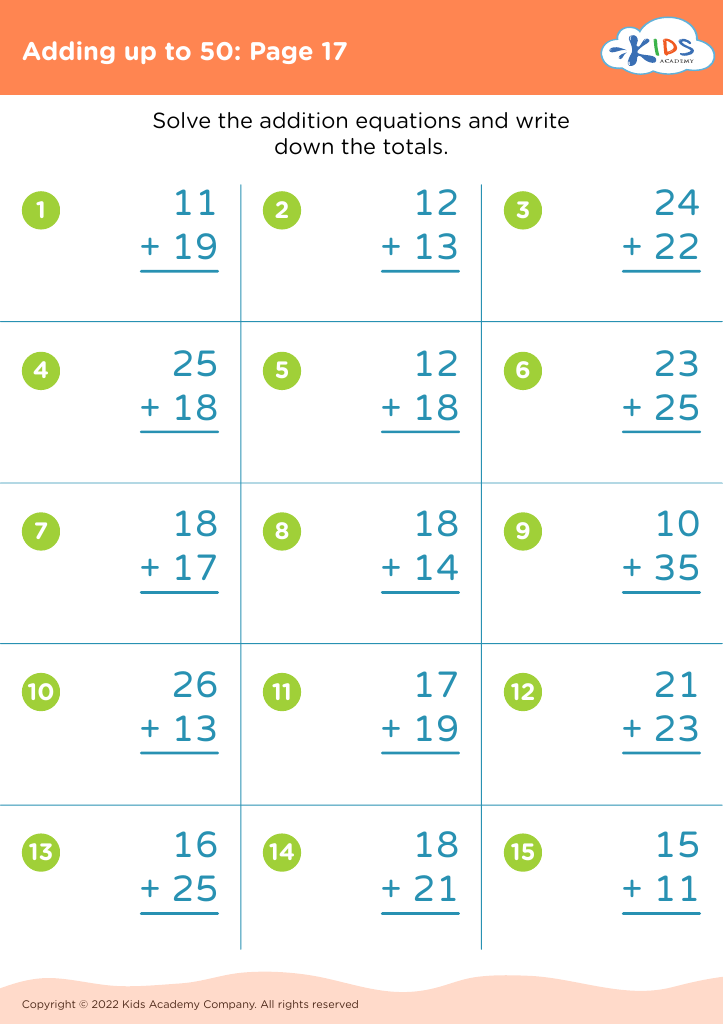
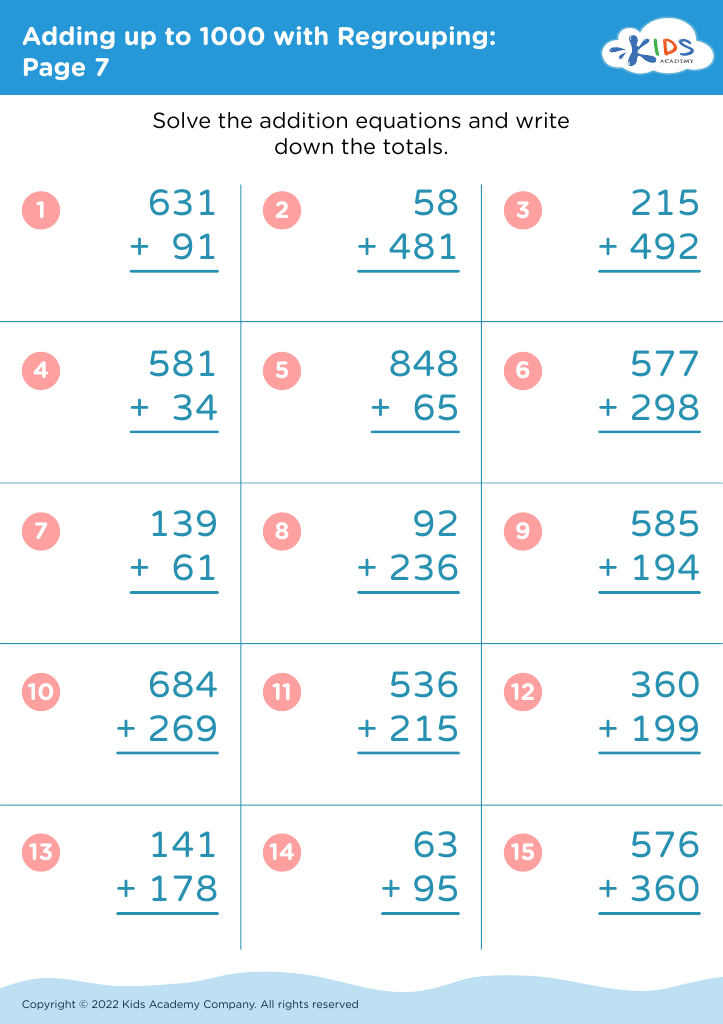
Discover fun and engaging "Enhance Vocabulary Math Worksheets for Ages 6-9" designed to sharpen your child's math and linguistic skills! Our printable worksheets blend essential math concepts with vocabulary-building activities, fostering an immersive educational experience. Boost your child's confidence in both math and language arts with our expertly crafted resources. Each worksheet is crafted to target key areas such as addition, subtraction, multiplication, fractions, and word problems, while simultaneously expanding vocabulary. Perfect for homeschooling, classroom use, or additional practice, these worksheets make learning enjoyable and effective for young minds. Unlock your child's potential today!








Enhancing vocabulary in math for children ages 6-9 is essential for several compelling reasons. At this stage, children are developing foundational skills that will be critical for their later academic success. Introducing them to the specific language associated with math helps bridge the gap between understanding concepts and applying them effectively.
Firstly, a strong math vocabulary supports better comprehension. When children understand terms like "add," "subtract," "equal to," "more than," and "less than," they can follow instructions more easily and complete tasks correctly. This clarity reduces frustration and builds confidence.
Secondly, robust vocabulary aids in problem-solving. Math isn't just about numbers; it's about reasoning and logic. Knowing the language of math allows children to approach problems systematically, recognize patterns, and articulate their thoughts clearly. This critical thinking benefit extends beyond math to other subjects and everyday situations.
Finally, enhancing a child's math vocabulary promotes effective communication. Being able to describe their thought process and reasoning is invaluable, allowing teachers and parents to provide targeted support and assistance. When children can explain what they’ve done, it’s easier to identify areas where they may need extra practice.
In summary, focusing on math vocabulary for young learners not only bolsters their understanding of math concepts but also enhances their overall cognitive and communication skills, setting them up for continued success in their educational journey.








