Improve reading skills Math Worksheets for Ages 6-9 - Page 2
31 filtered results
-
From - To
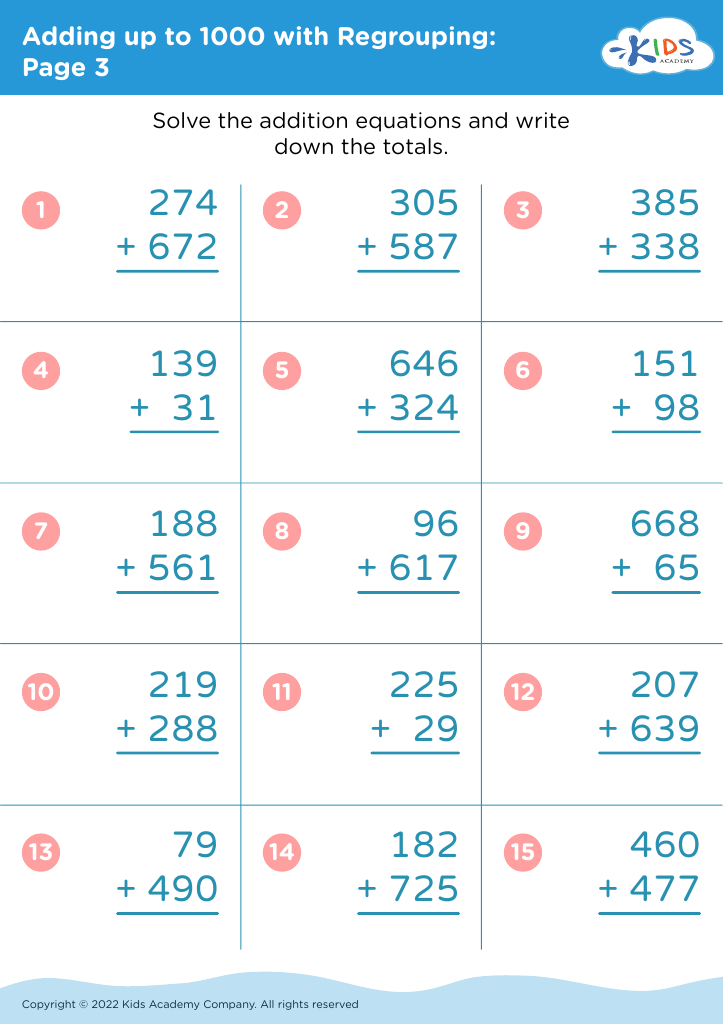
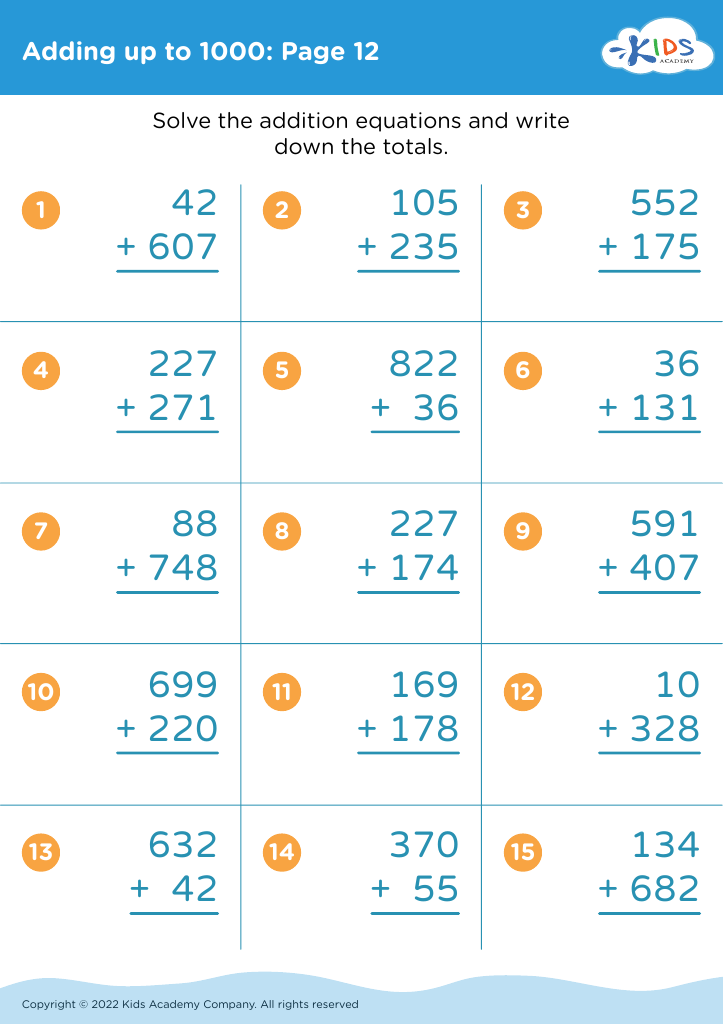
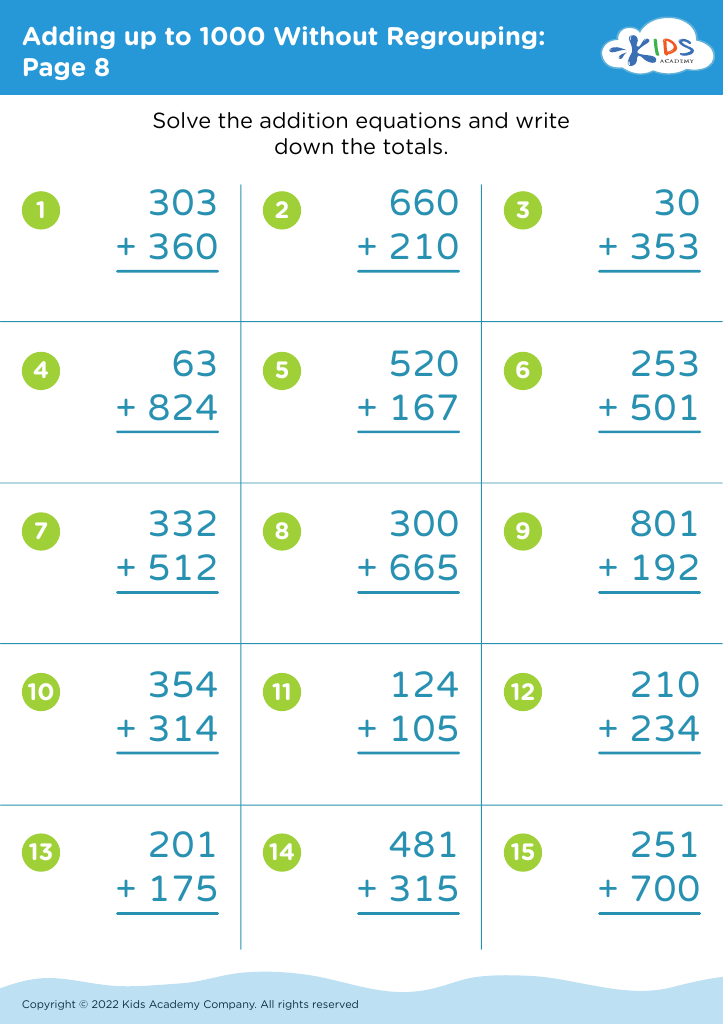
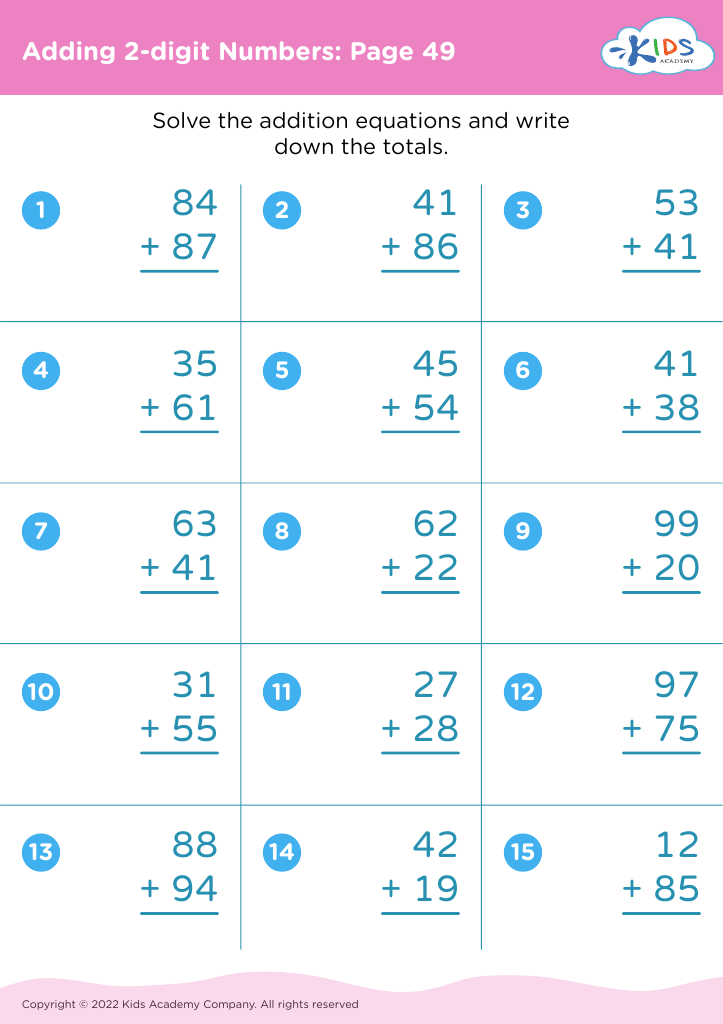







Improving reading skills and math proficiency between the ages of 6 and 9 is crucial for children’s overall development and lifelong learning. During these formative years, children build foundational skills that will support their academic journey. Strong reading abilities enable children to comprehend complex instructions and concepts in all subjects, including math, where word problems require careful interpretation.
Additionally, enhanced reading skills are linked to increased vocabulary, which fosters better communication and critical thinking. This, in turn, aids in making sense of mathematical terminology and encourages children to express their reasoning effectively.
Conversely, strong math skills lay the groundwork for logical thinking, problem-solving, and analytical abilities. These skills are essential in daily life and future academic endeavors. Mathematical understanding nurtures confidence, as students who excel in math are more likely to enjoy and engage in challenging tasks.
Parents and teachers play a vital role in fostering these skills by creating supportive learning environments, leveraging interactive resources, and encouraging practice at home. By prioritizing reading and math development, adults can empower children to achieve academic success, develop a love for learning, and prepare them for future opportunities in an increasingly complex world.








