Matching skills Math Worksheets for Ages 6-9
19 filtered results
-
From - To
Explore our engaging "Matching Skills Math Worksheets" designed for children ages 6-9! These fun and interactive worksheets help young learners enhance their matching abilities while reinforcing essential math concepts. Featuring vibrant illustrations and diverse exercises, your child will enjoy pairing numbers, shapes, and objects – all while improving critical thinking and problem-solving skills. Perfect for classroom learning or at-home practice, our worksheets promote cognitive development and early math proficiency. Help your child engage with math in an enjoyable way while building a solid foundation for future success. Download your matching skills worksheets today and watch their confidence soar!
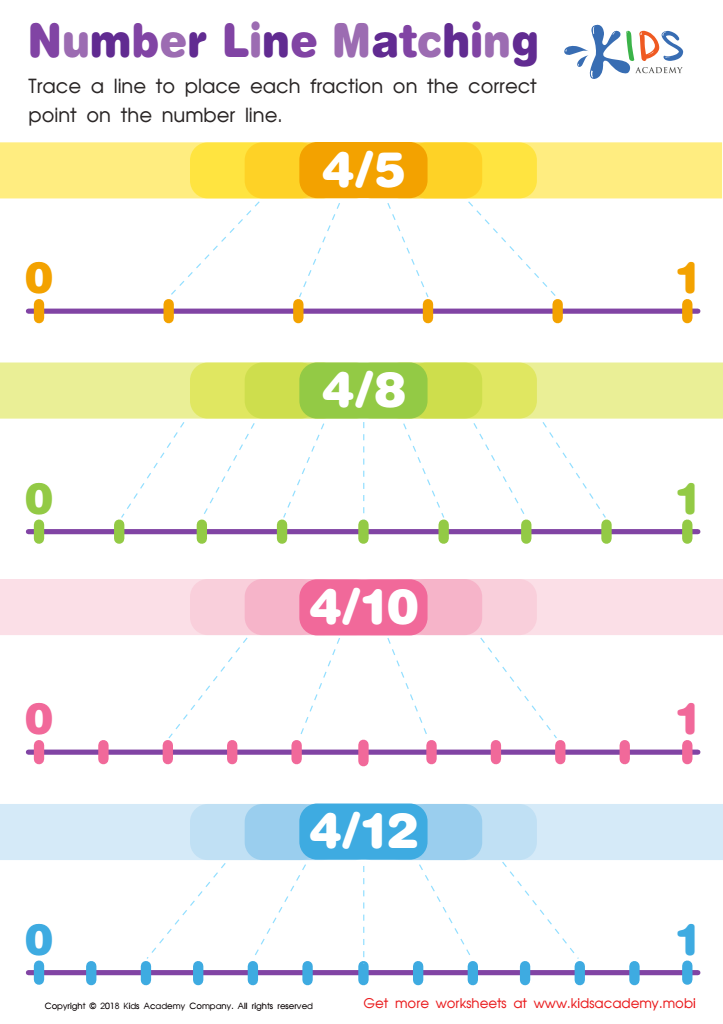
Number Line Matching Worksheet
 Assign to My Students
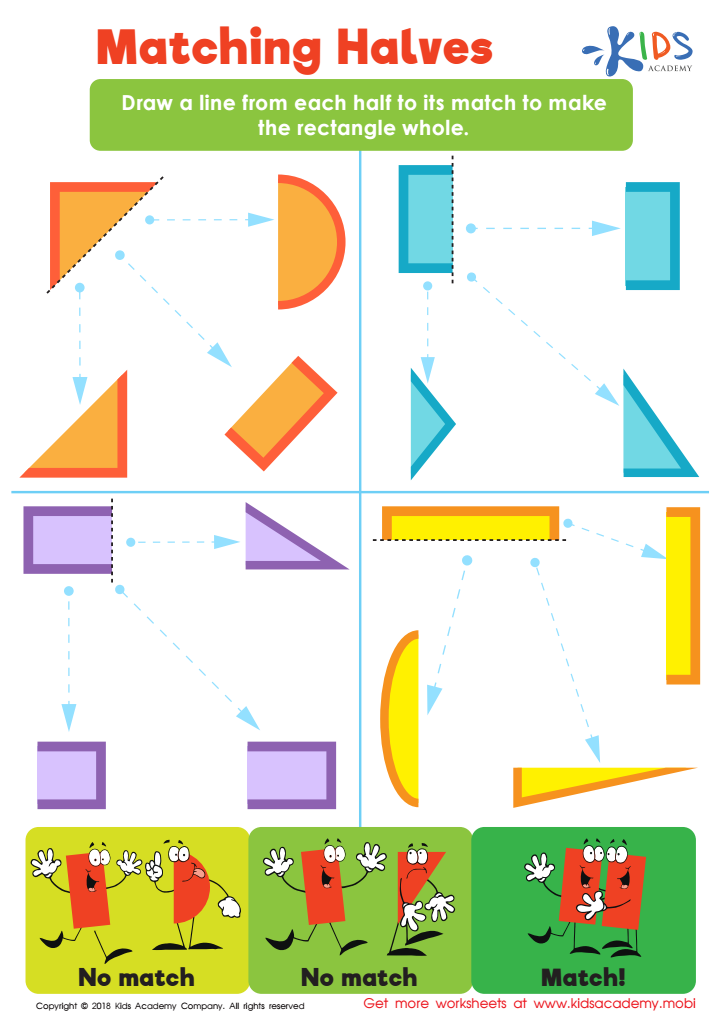
Matching Halves Worksheet
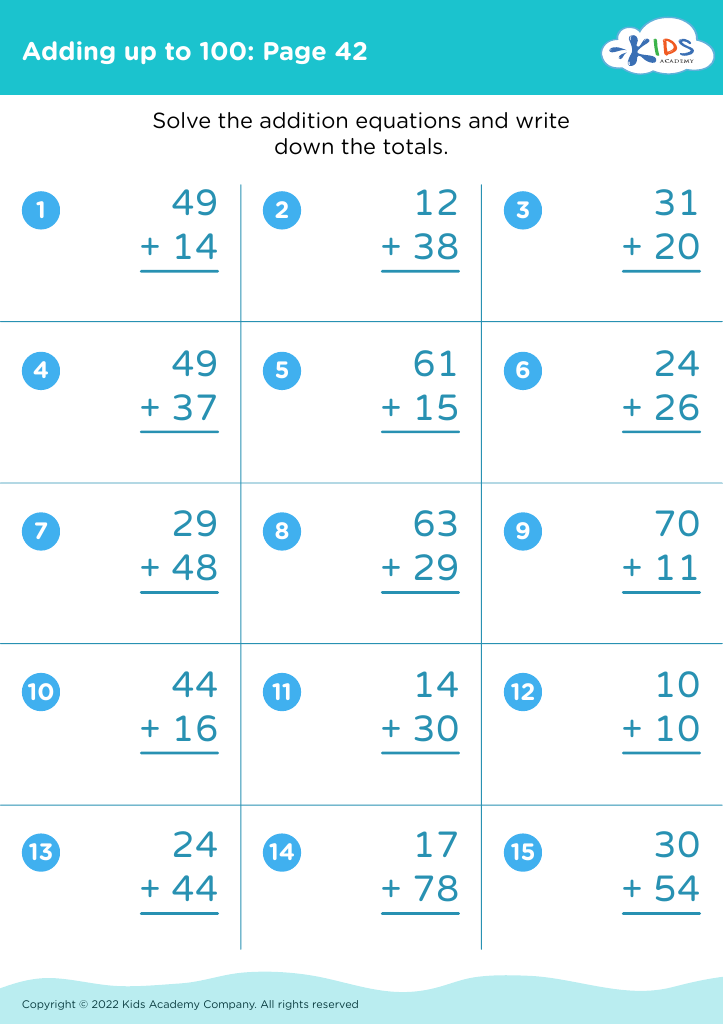
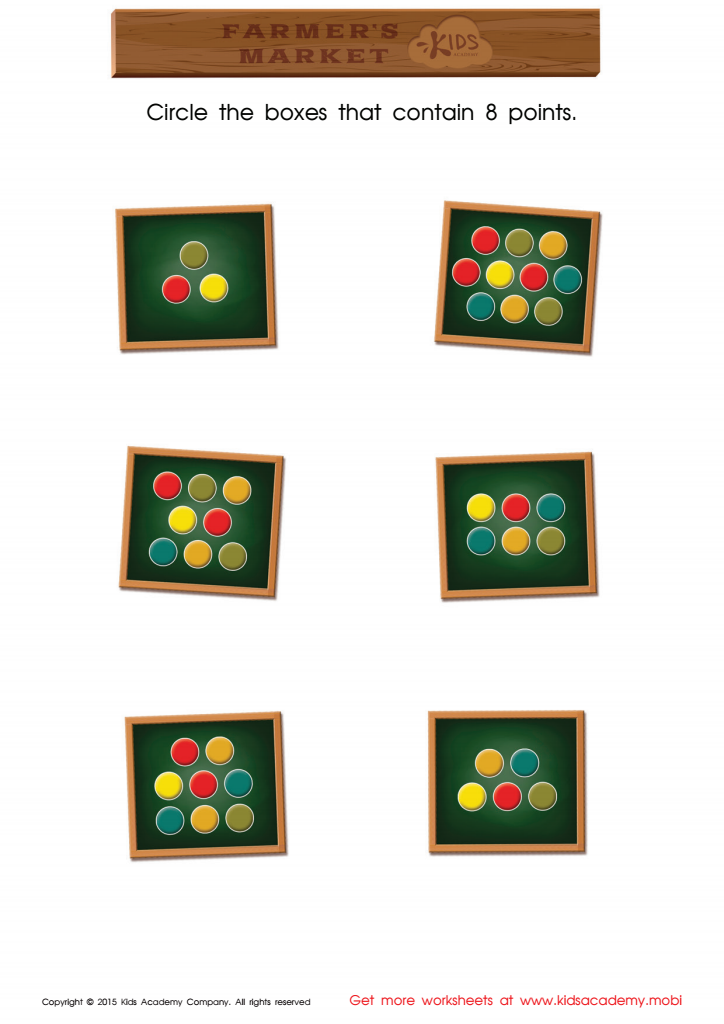
Count and Match Points 8 Math Worksheet
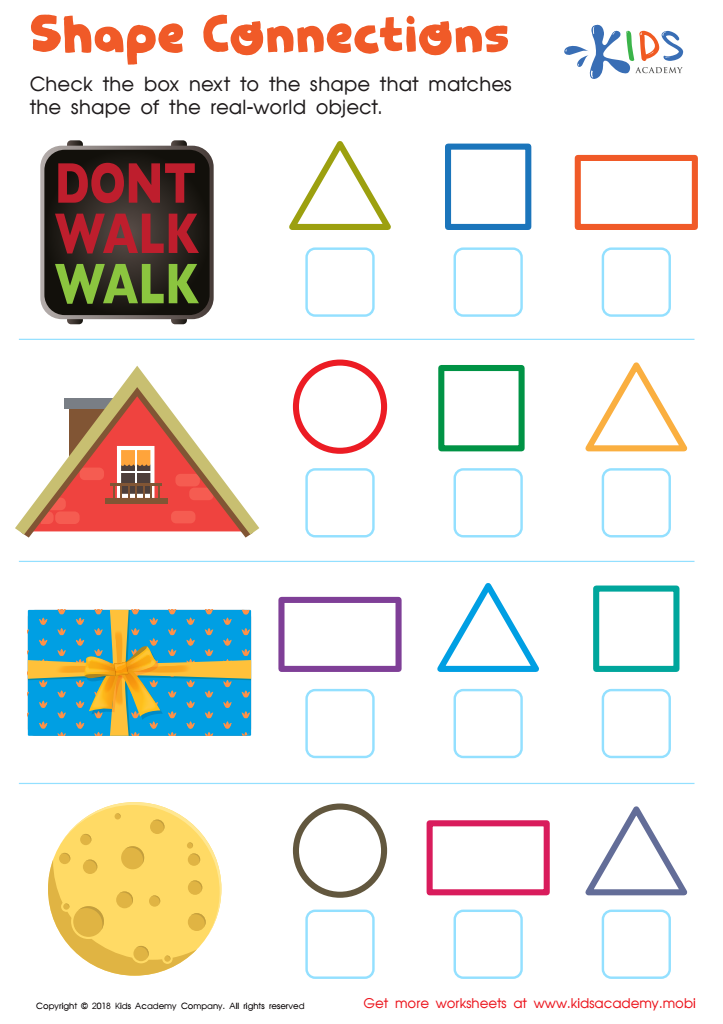
Shape Connections Worksheet
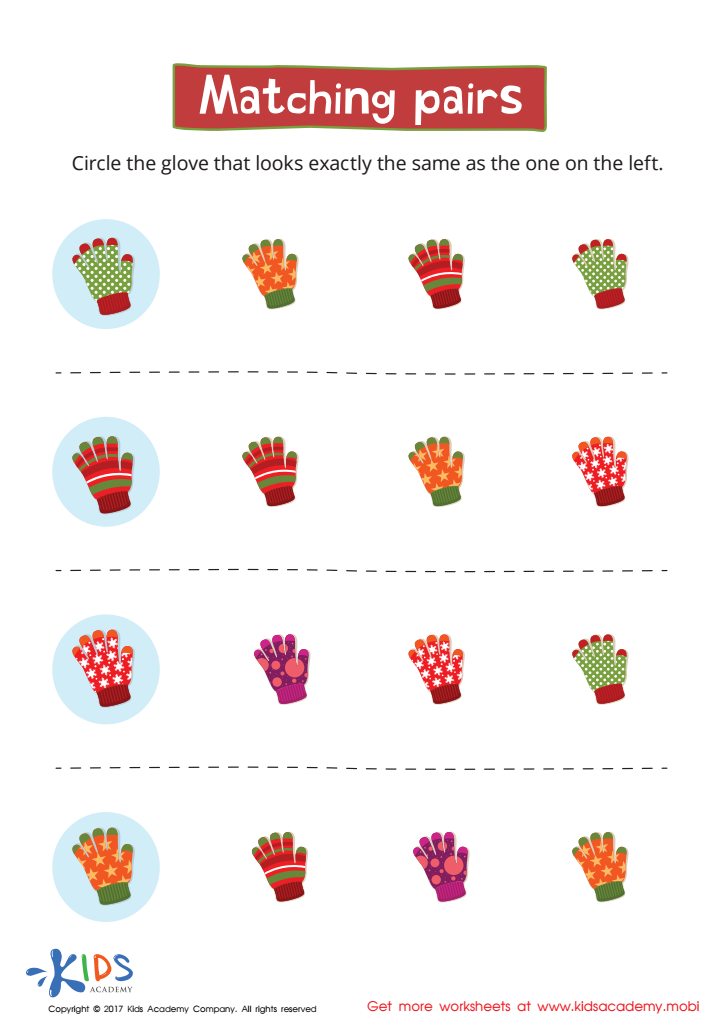
Matching: Matching Pairs Worksheet
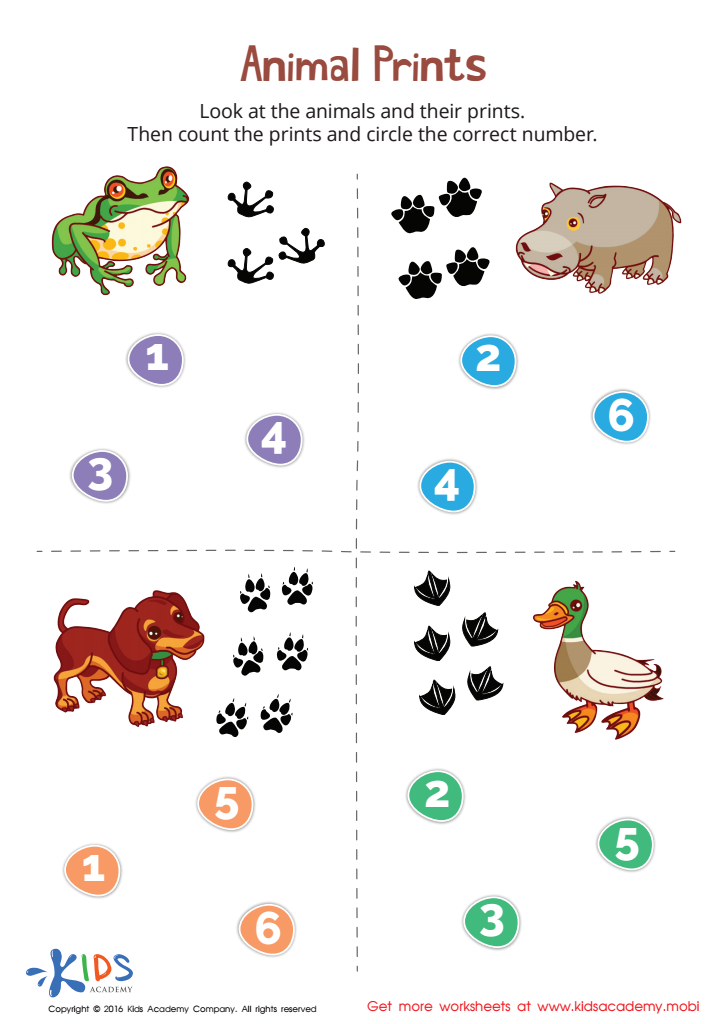
Animal Prints Match-Up Worksheet
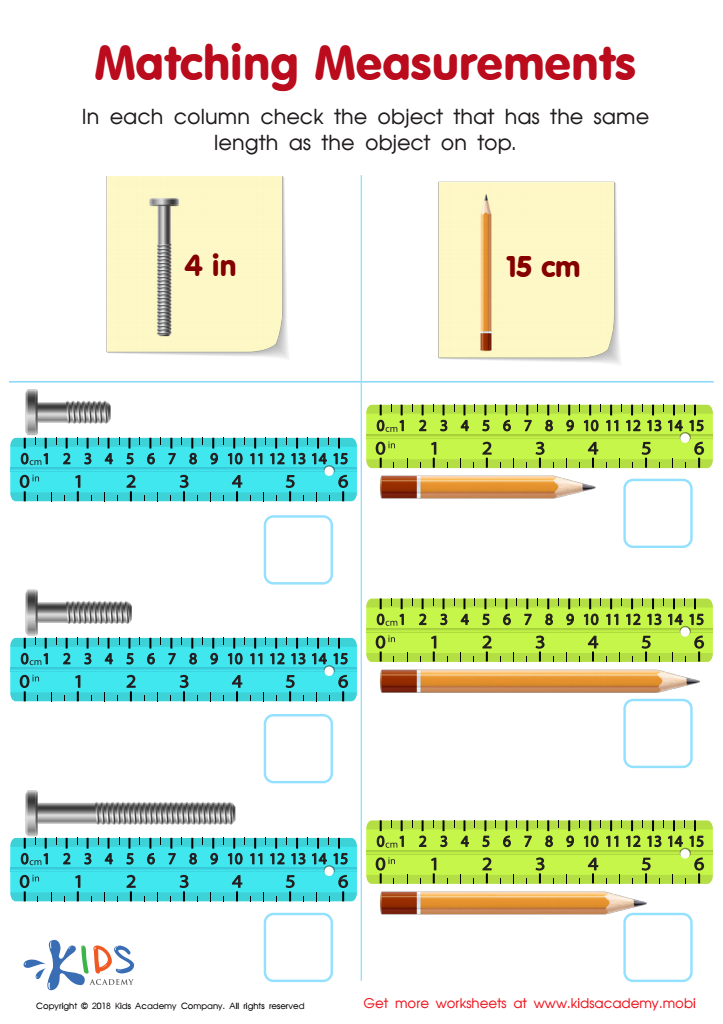
Matching Measurements Worksheet
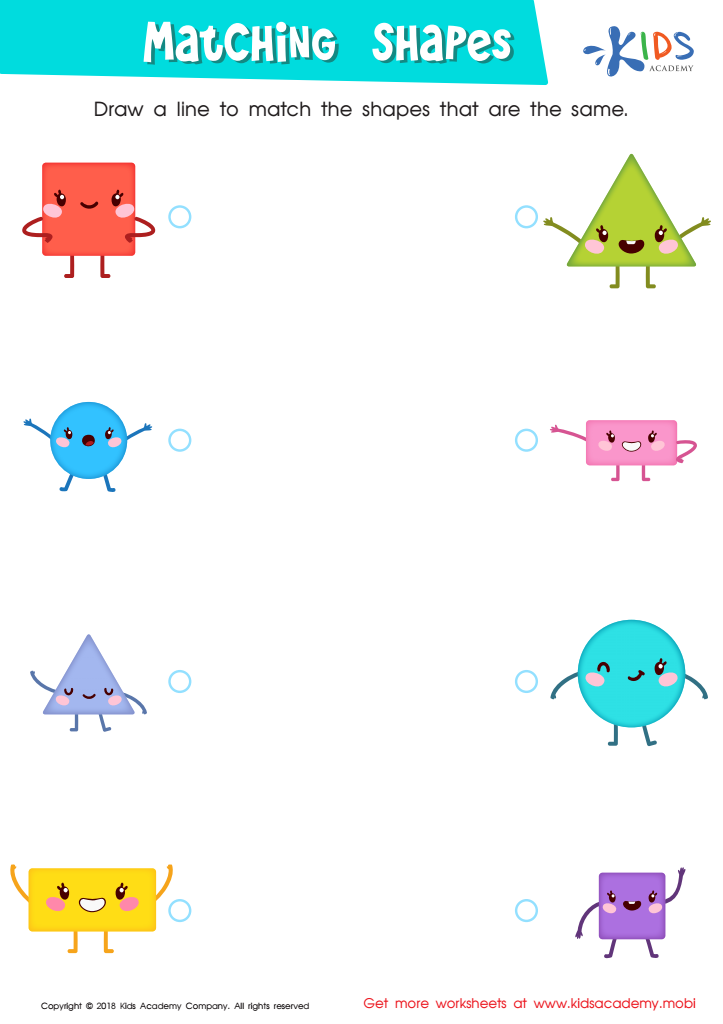
Matching Shapes Worksheet
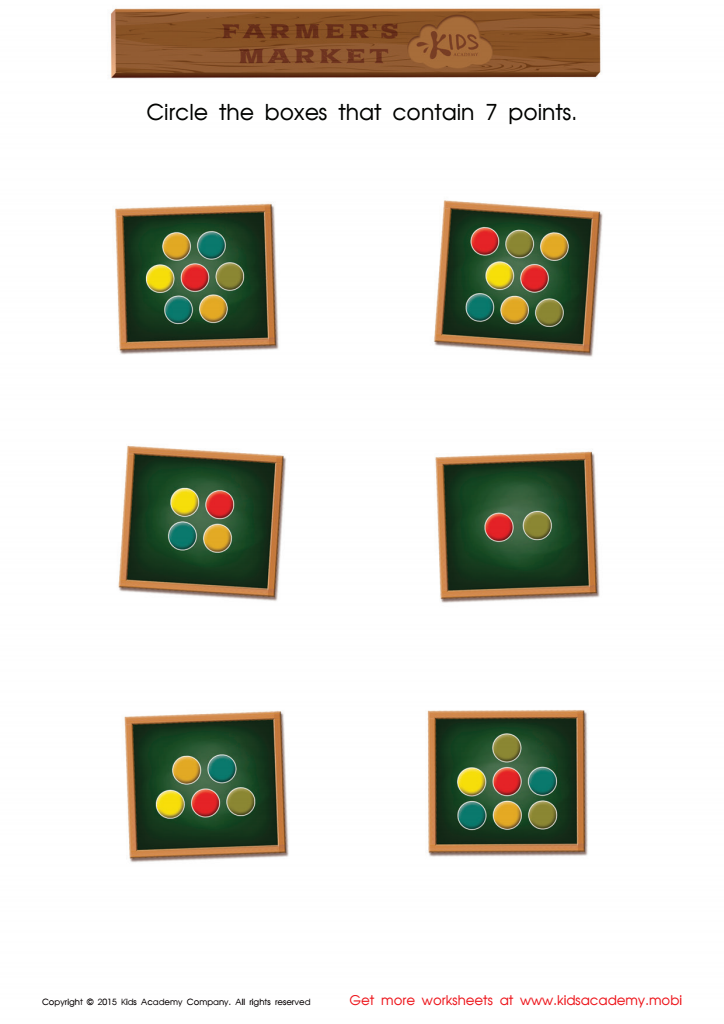
Count and Match Points 7 Math Worksheet
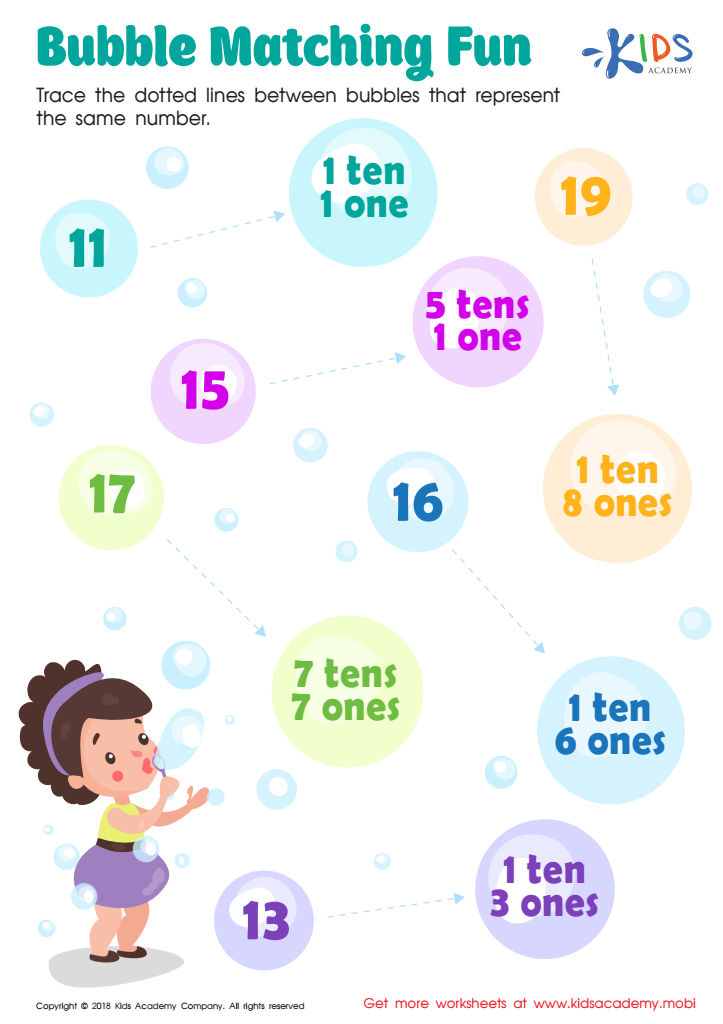
Bubble Matching Fun Worksheet
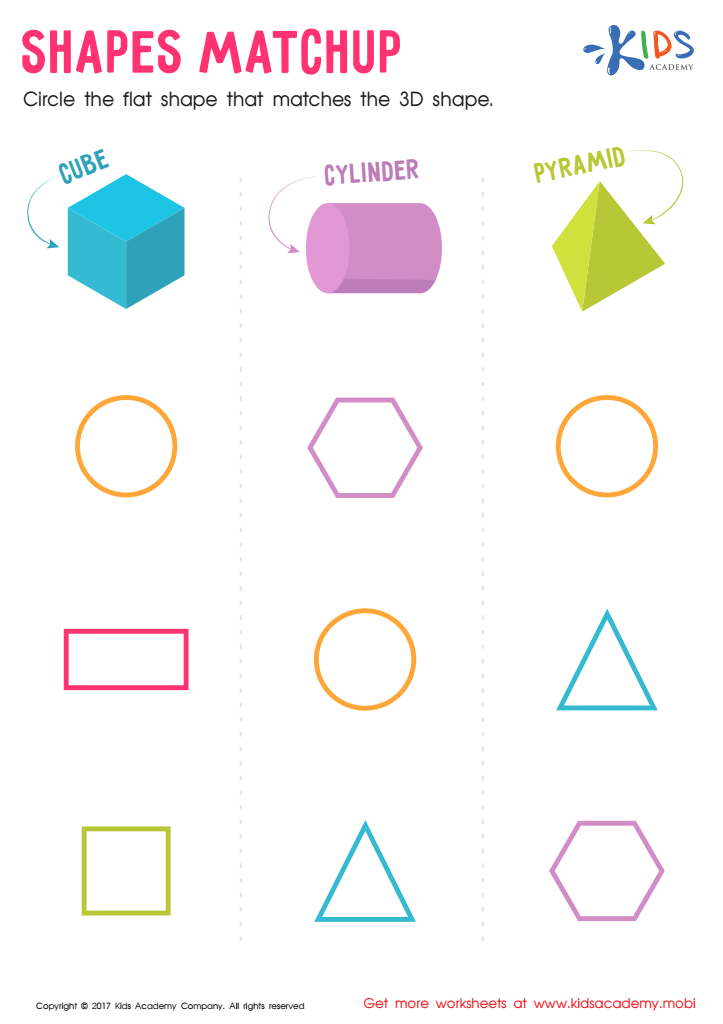
Shapes Matchup Worksheet
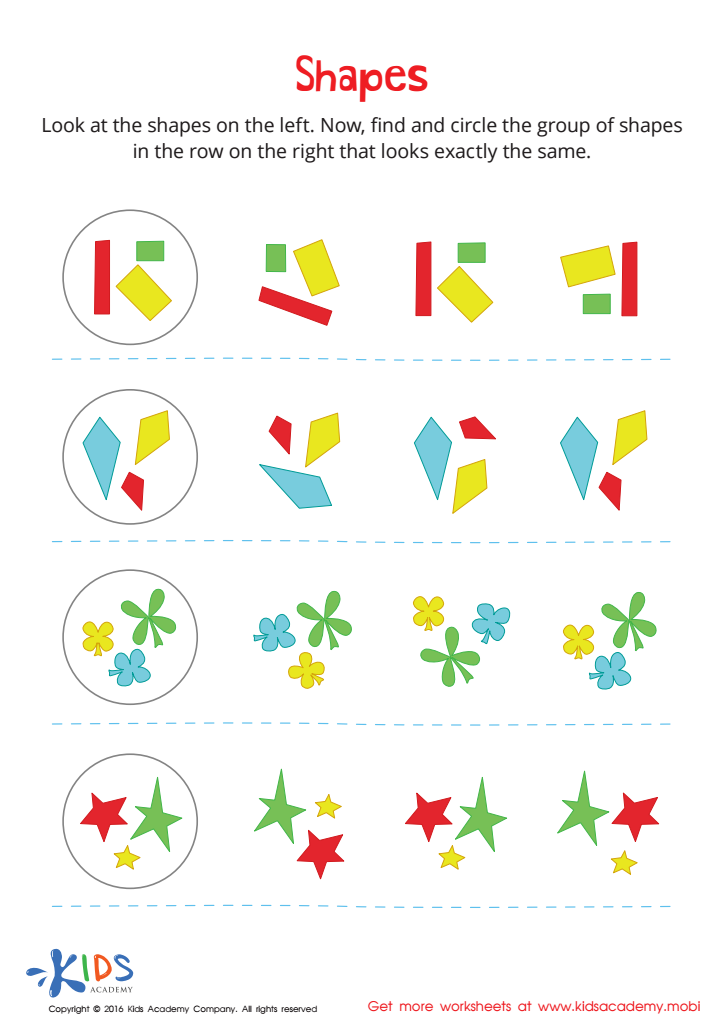
Shapes Worksheet
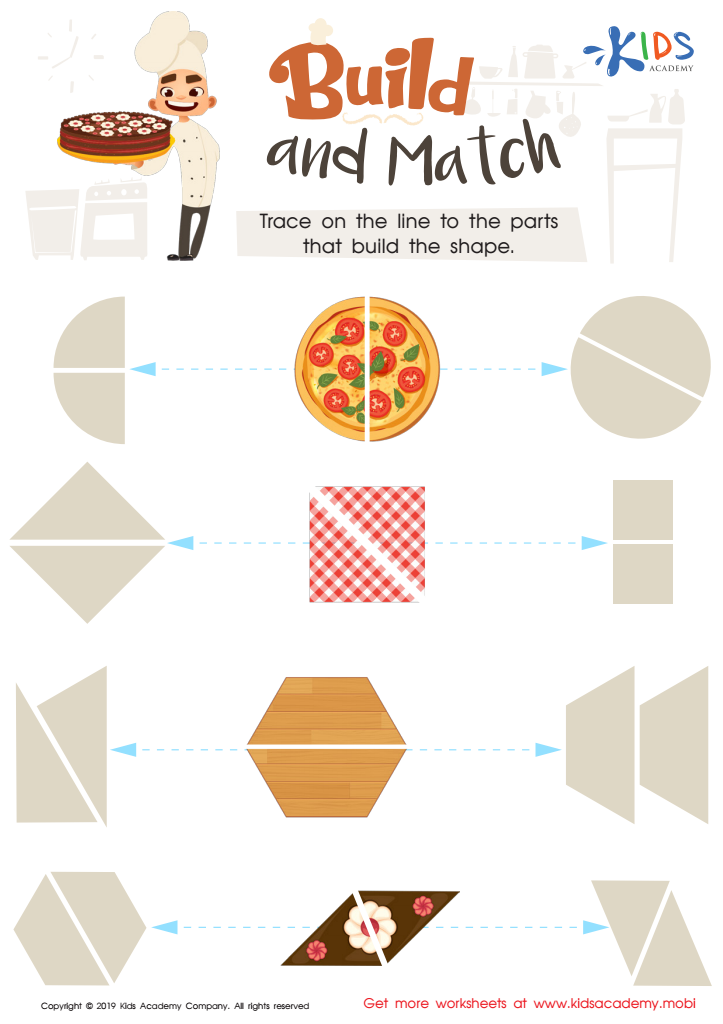
Build and Match Worksheet
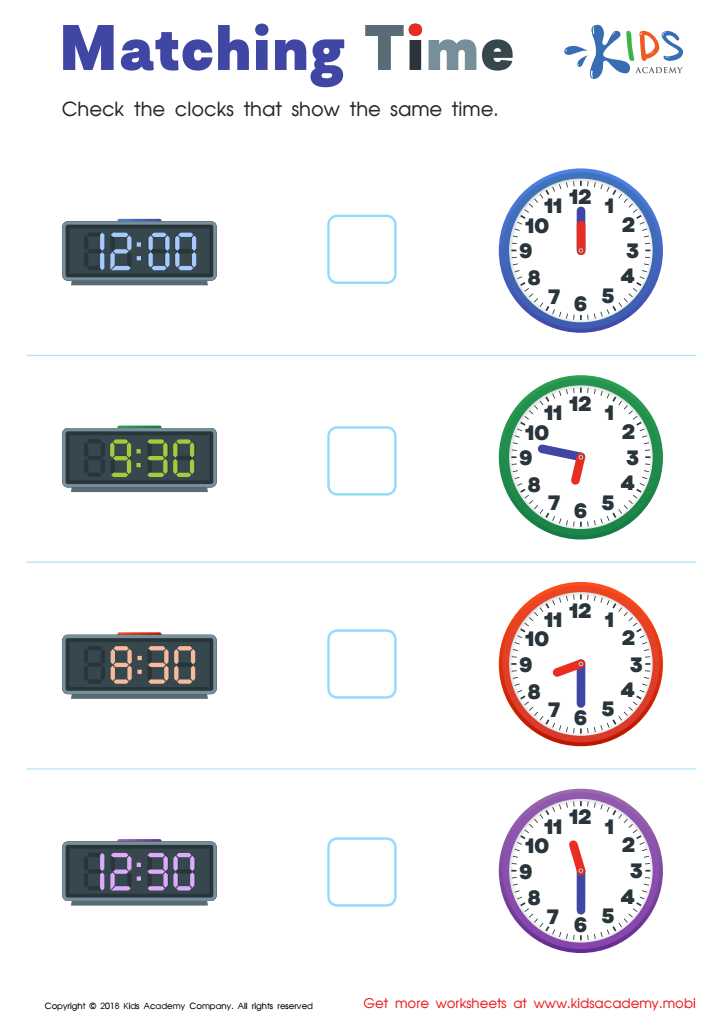
Matching Time Worksheet
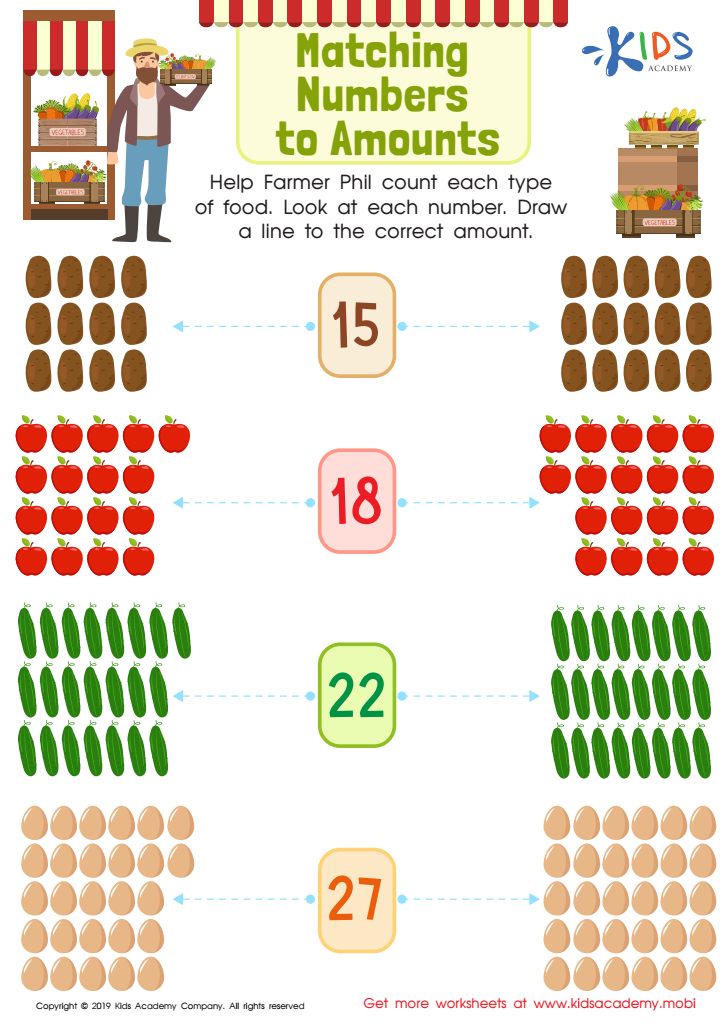
Matching Numbers to Amounts Worksheet








Matching skills in math for ages 6-9 are crucial for young learners as they build foundational cognitive abilities essential for more advanced mathematical concepts. At this stage, children begin to explore numbers, patterns, and relationships, making the development of matching skills—such as matching quantities to numerals or shapes to their names—vital for promoting both understanding and fluency in mathematics.
These skills not only aid in number recognition but also intersect with critical thinking and problem-solving capabilities. When children engage in matching activities, they strengthen their ability to classify, sort, and identify relationships, which serve as precursors to addition, subtraction, and other more complex operations.
Moreover, fostering a strong mathematical foundation boosts a child's confidence and motivates them to enjoy learning. Engaging parents and teachers in this process can help create a supportive environment where children feel encouraged to explore and ask questions.
Ultimately, developing matching skills not only enhances mathematical understanding but also prepares children for future academic success, ensuring they possess the necessary tools to tackle myriad challenges in their educational journey. In an increasingly data-driven world, these skills become indispensable. Therefore, parents and teachers should actively prioritize and promote activities that support matching skills in early education.








