Mathematical reasoning Math Worksheets for Ages 6-9 - Page 2
59 filtered results
-
From - To
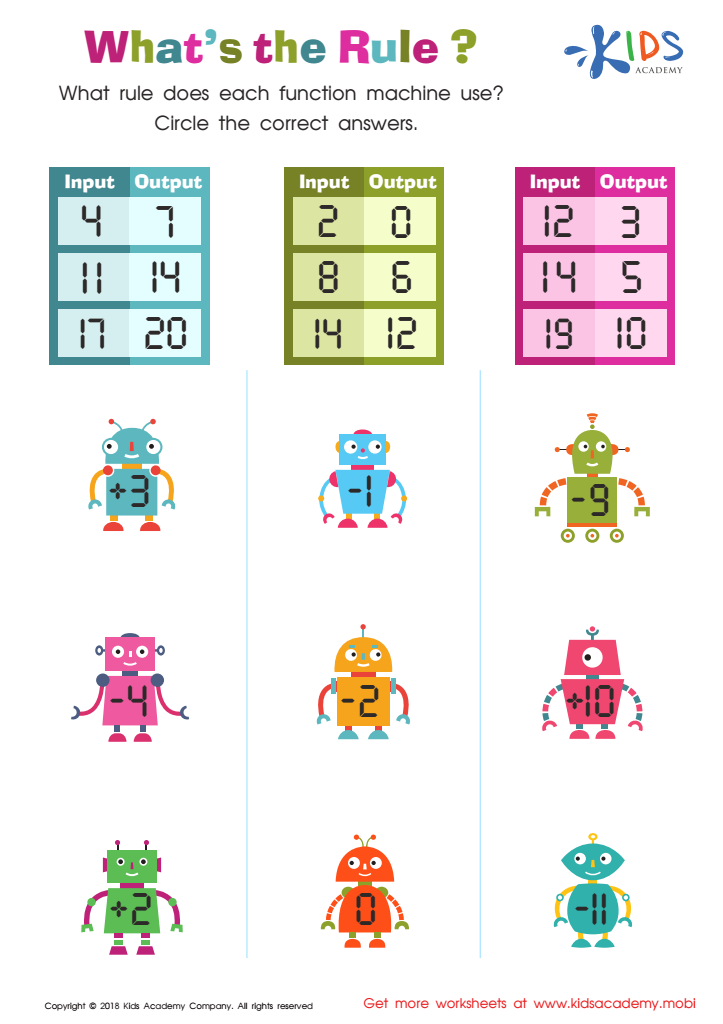
What's the Rule Worksheet
 Assign to My Students
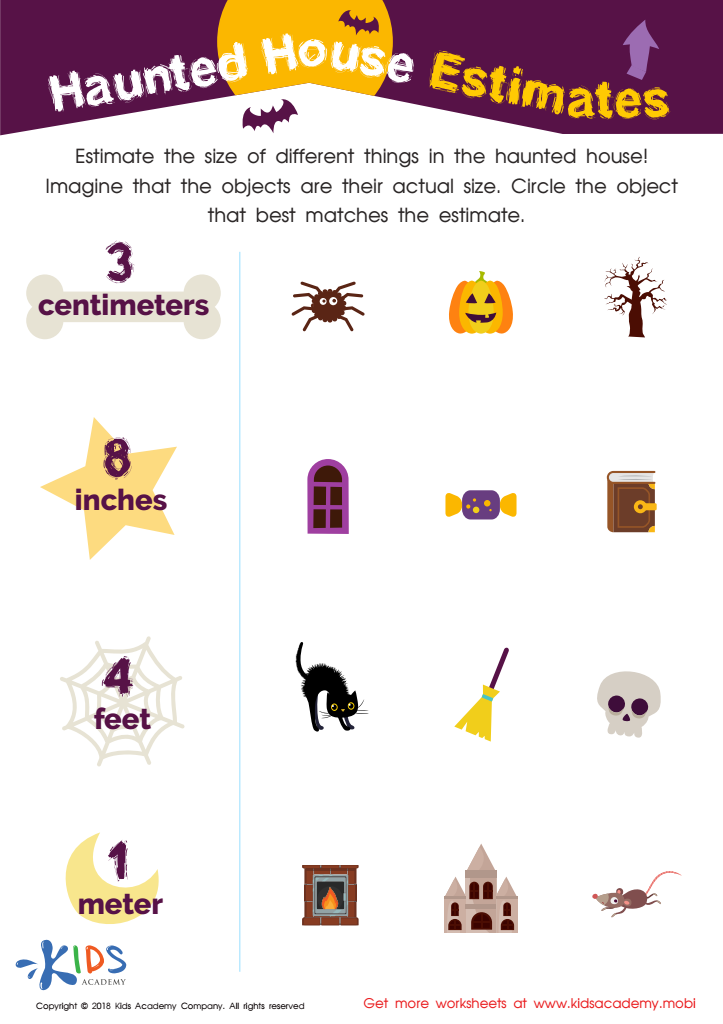
Haunted House Estimates Worksheet
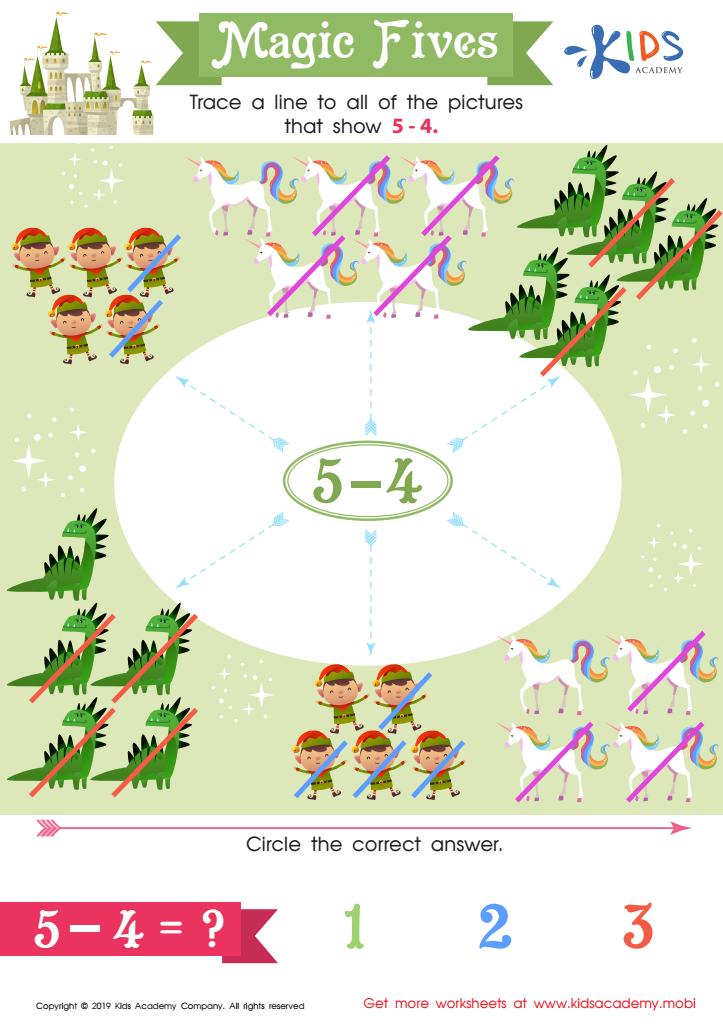
Magic Fives Worksheet
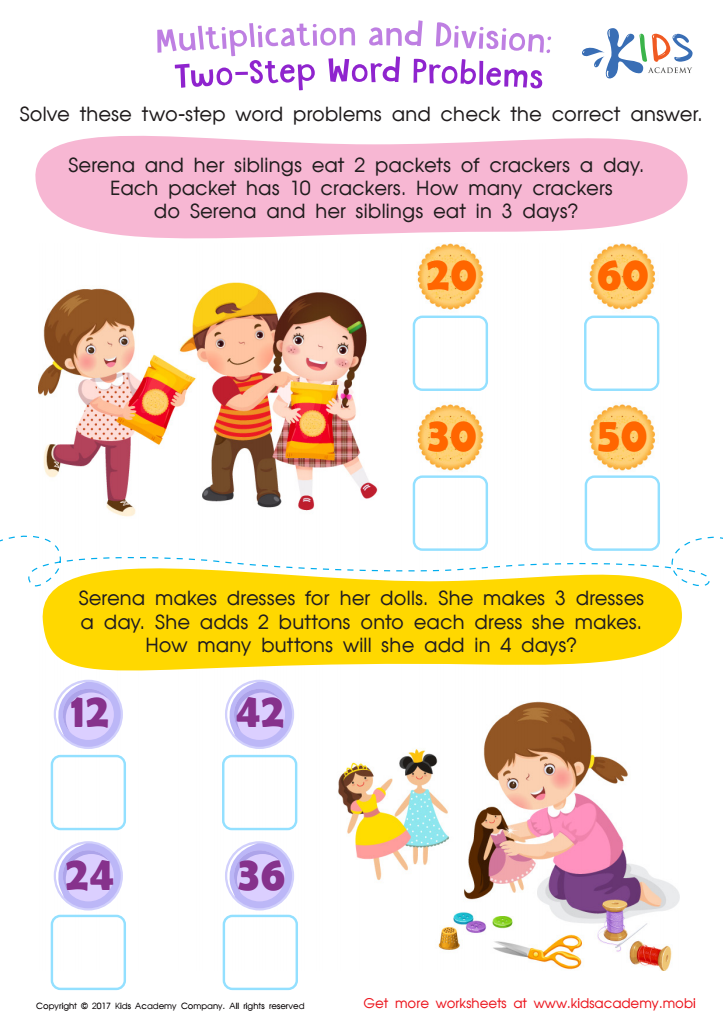
Two Step Word Problems Worksheet
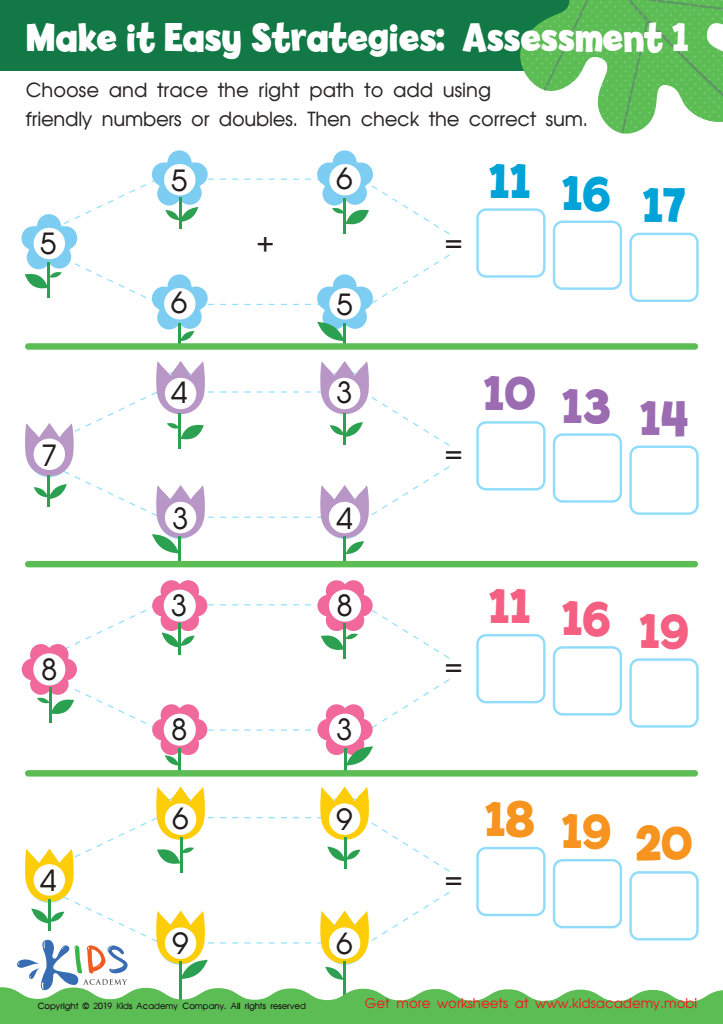
Make it Easy Strategies: Assessment 1 Worksheet
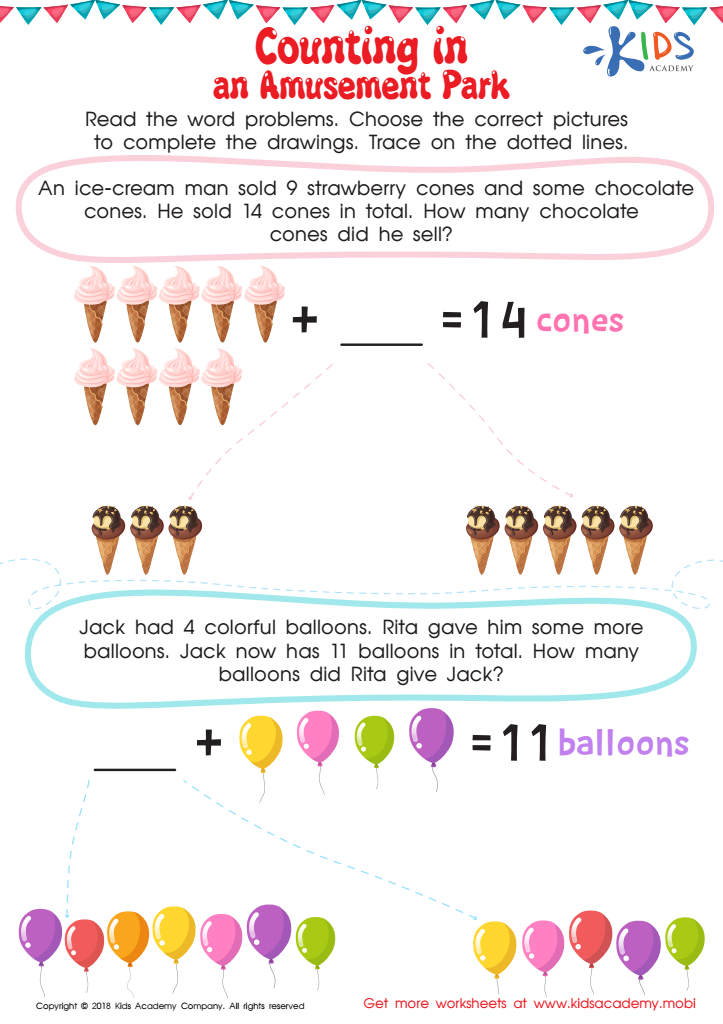
Counting in an Amusement Park Worksheet
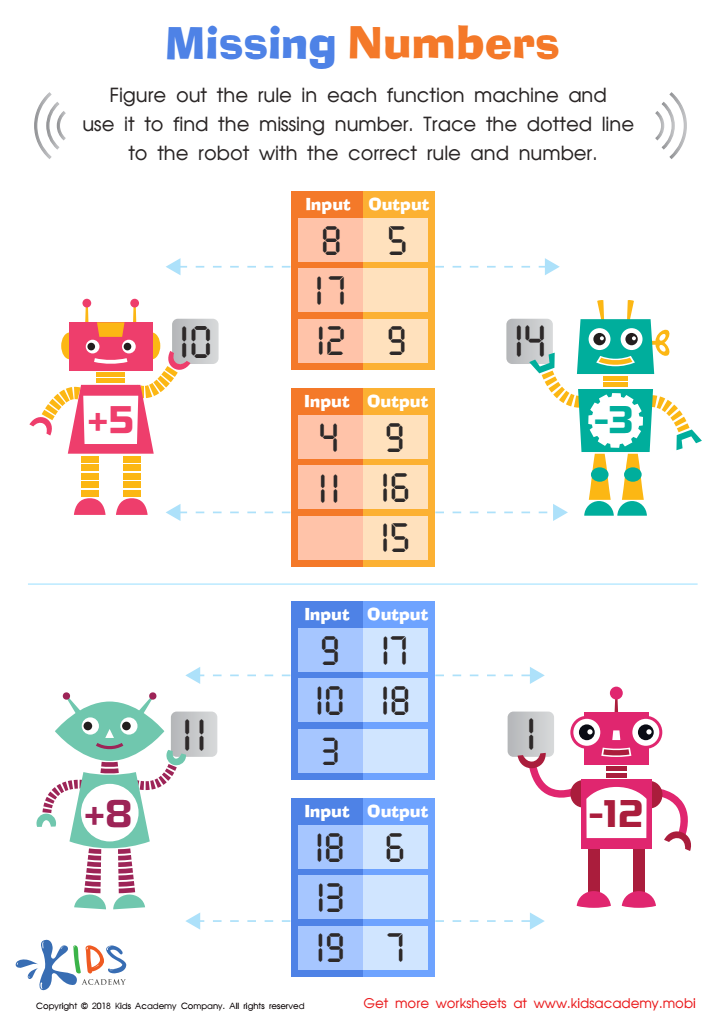
Missing Numbers Worksheet
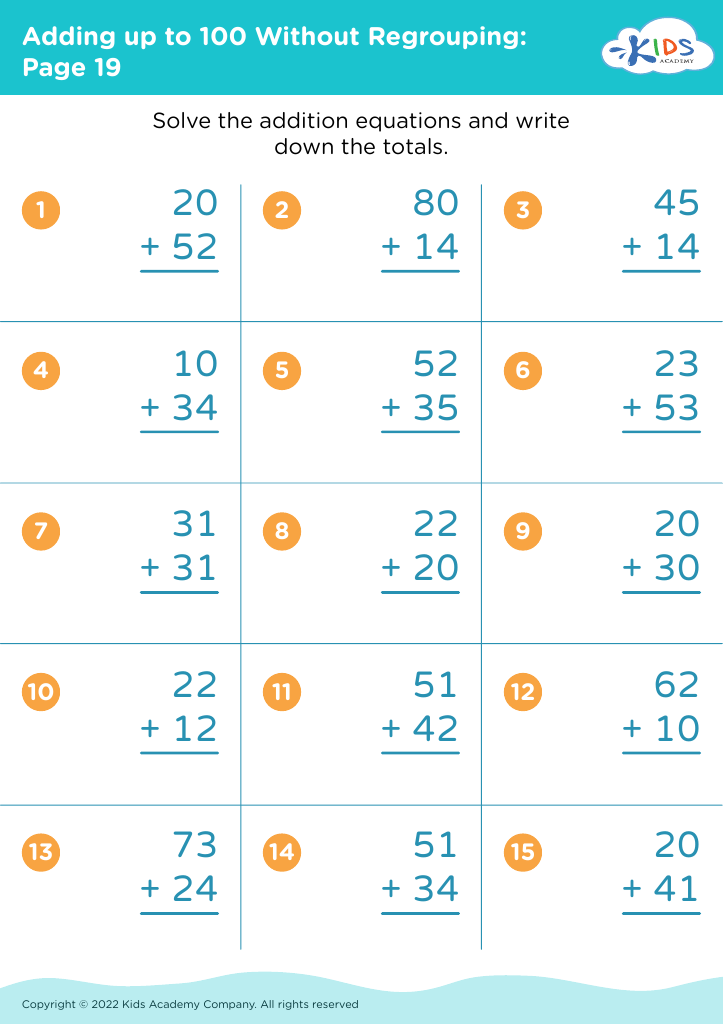
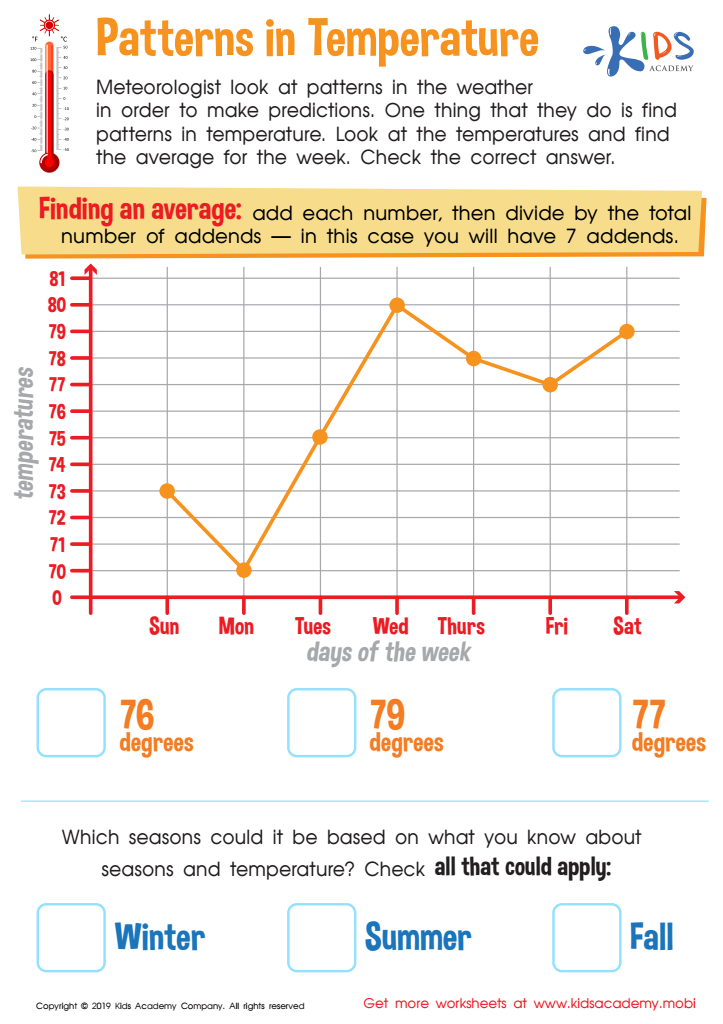
Patterns in Temperature Worksheet
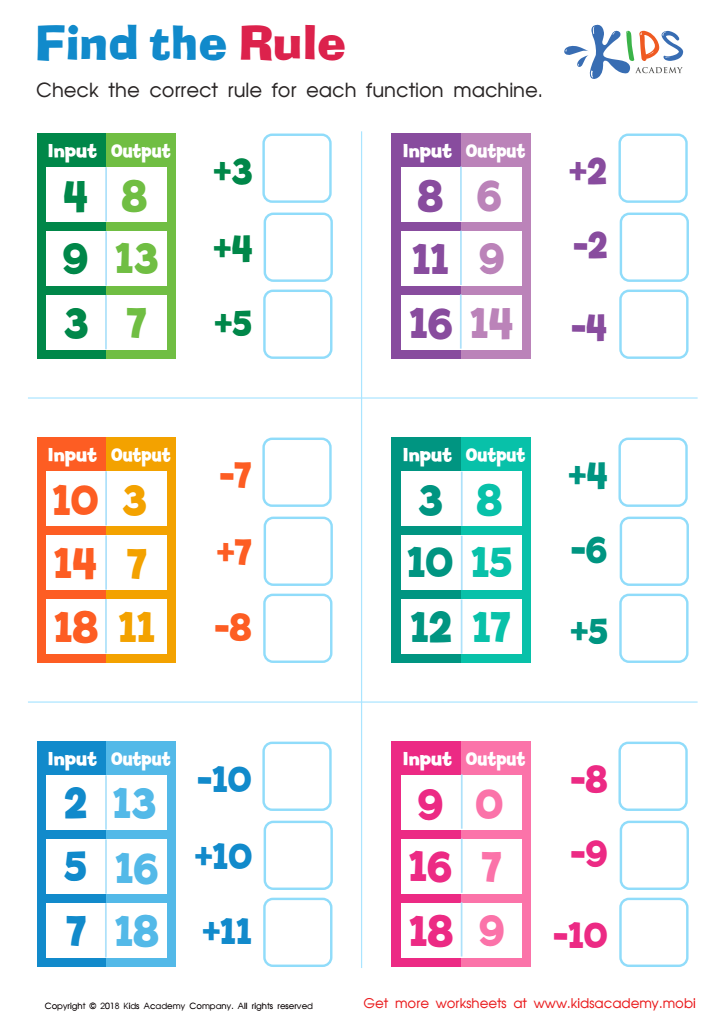
Find the Rule Worksheet
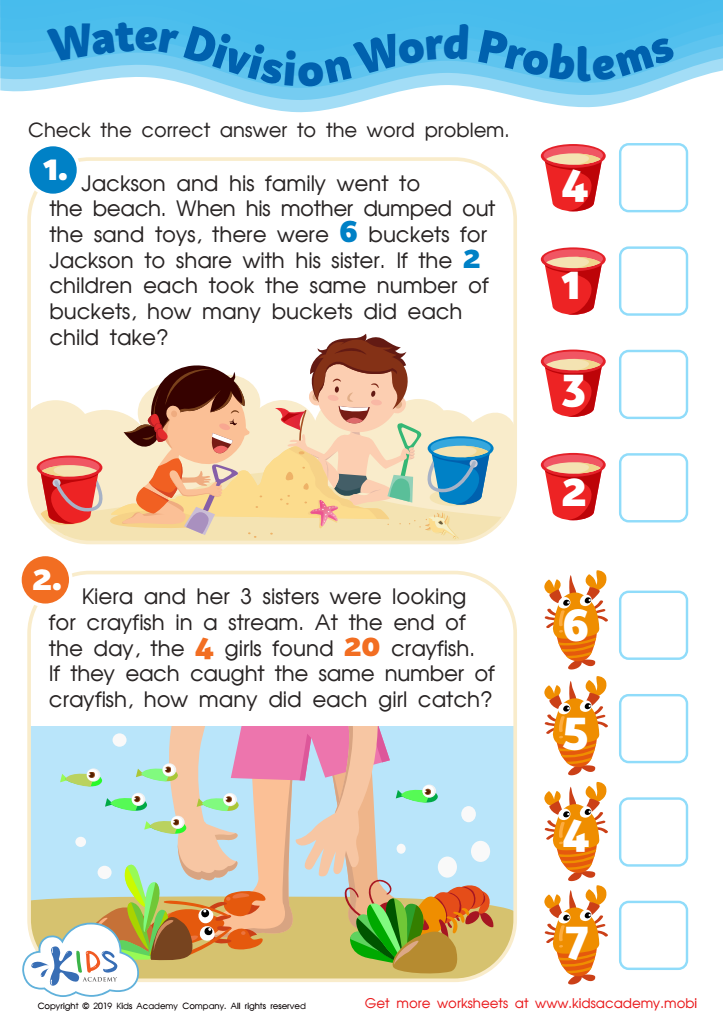
Water Division Word Problems Worksheet
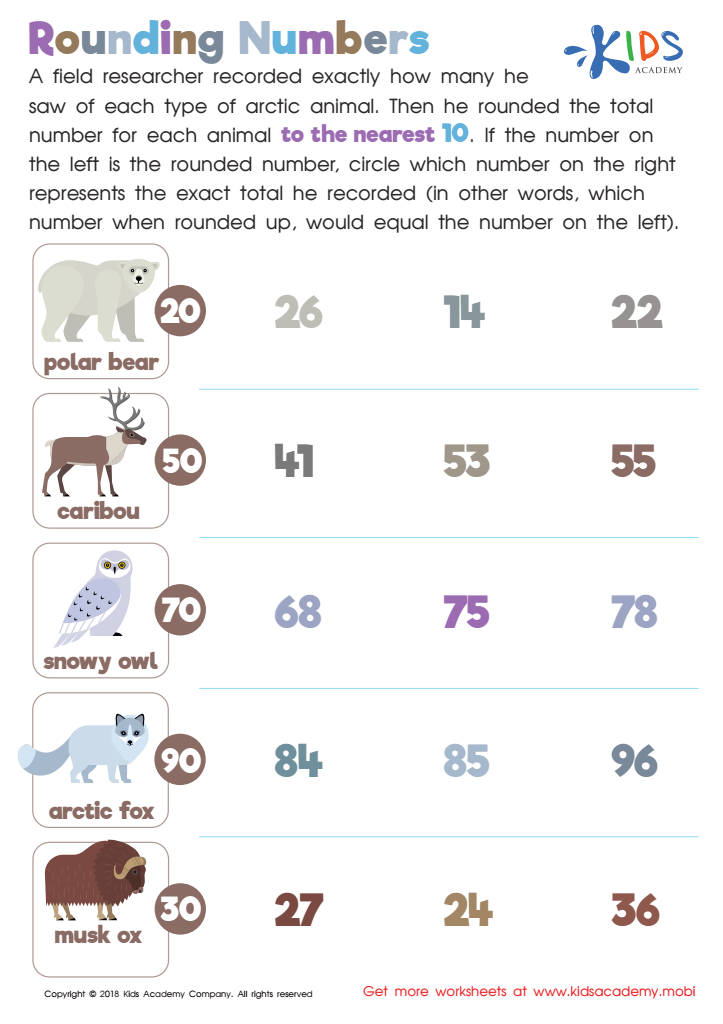
Rounding Numbers Worksheet
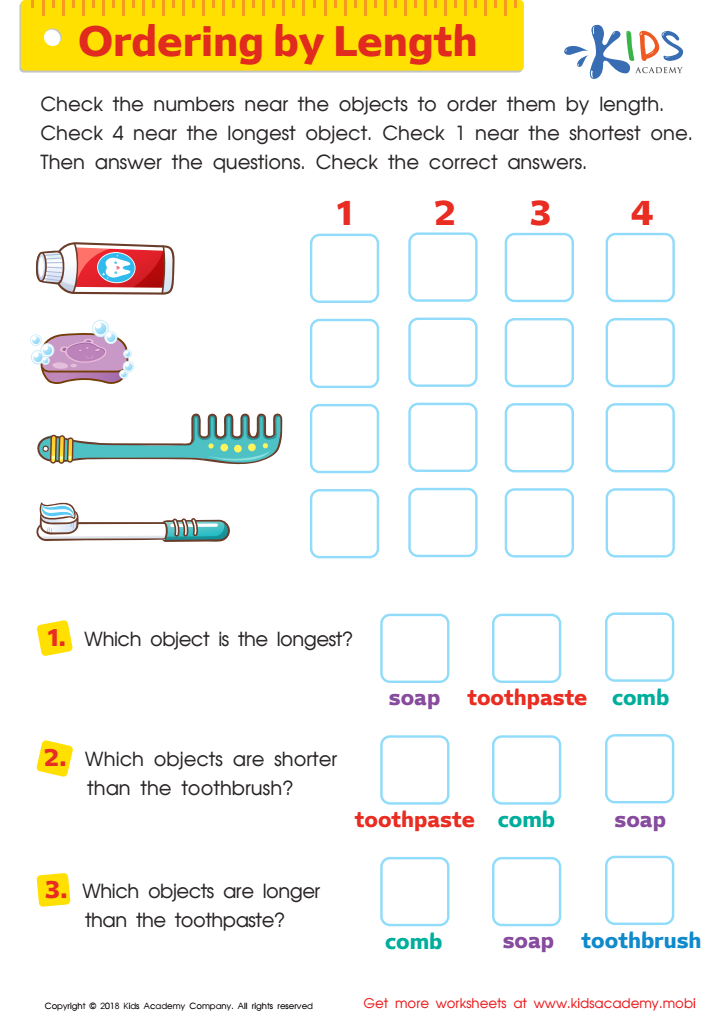
Ordering by Length Worksheet
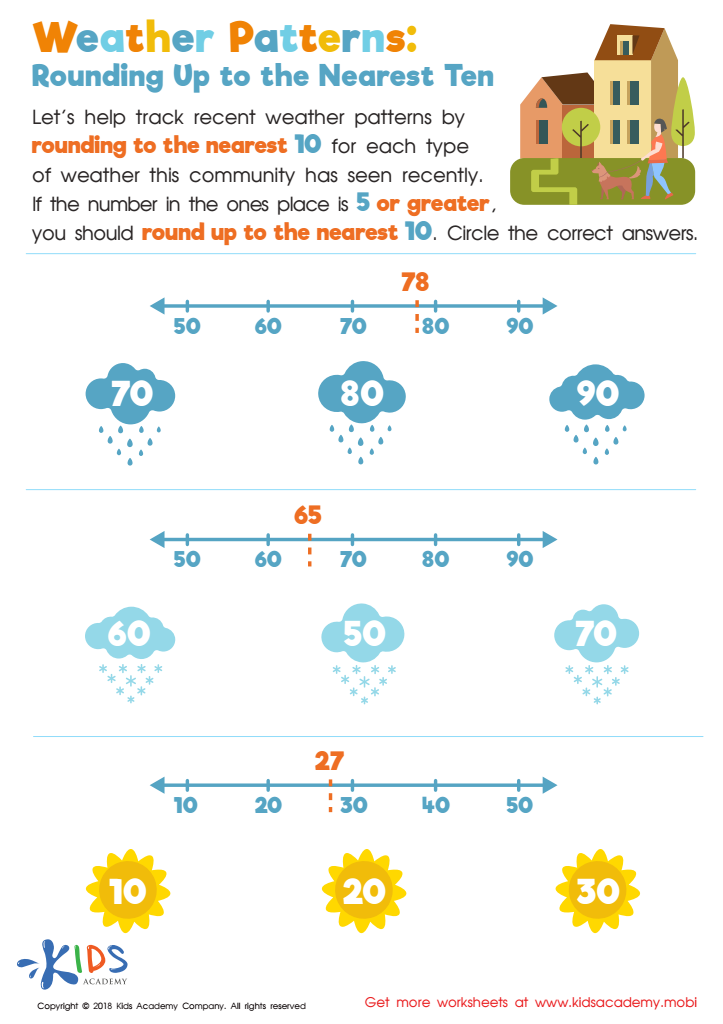
Weather Patterns Worksheet
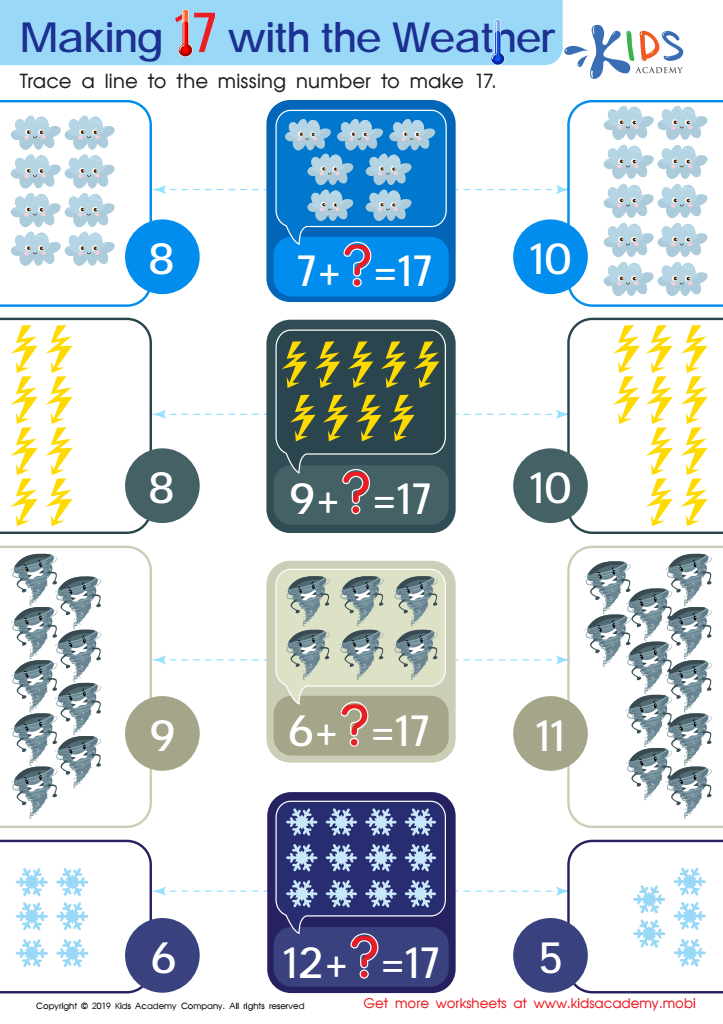
Making 17 with the Weather Worksheet
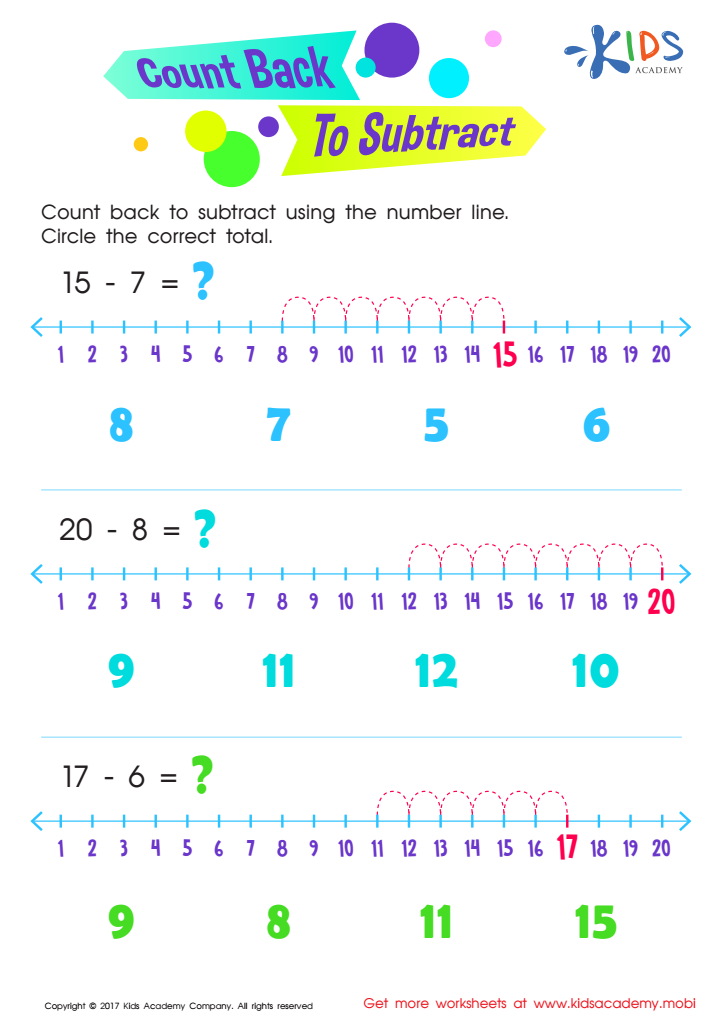
Count Back to Subtract Substraction Worksheet
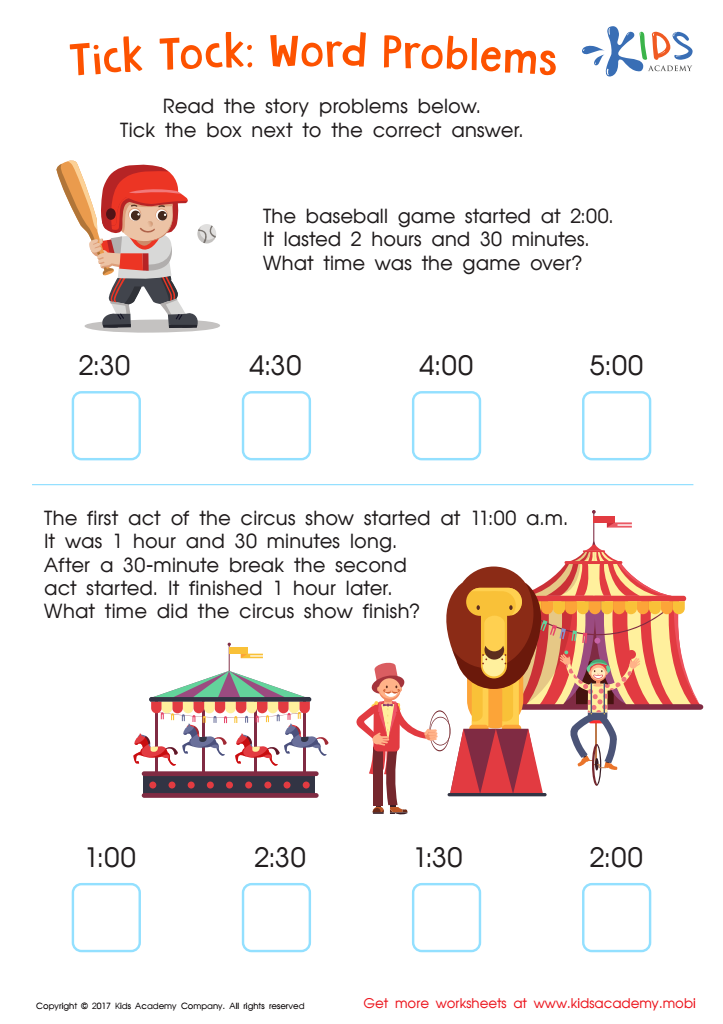
Tick Tock Word Problems Time Worksheet
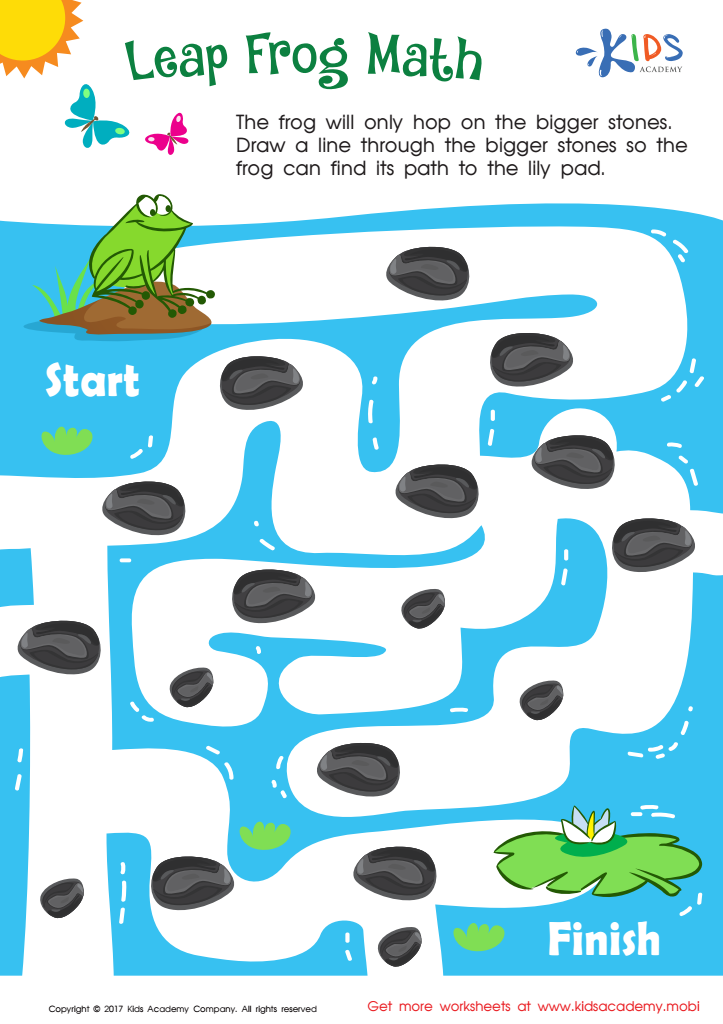
Math Puzzle Worksheet
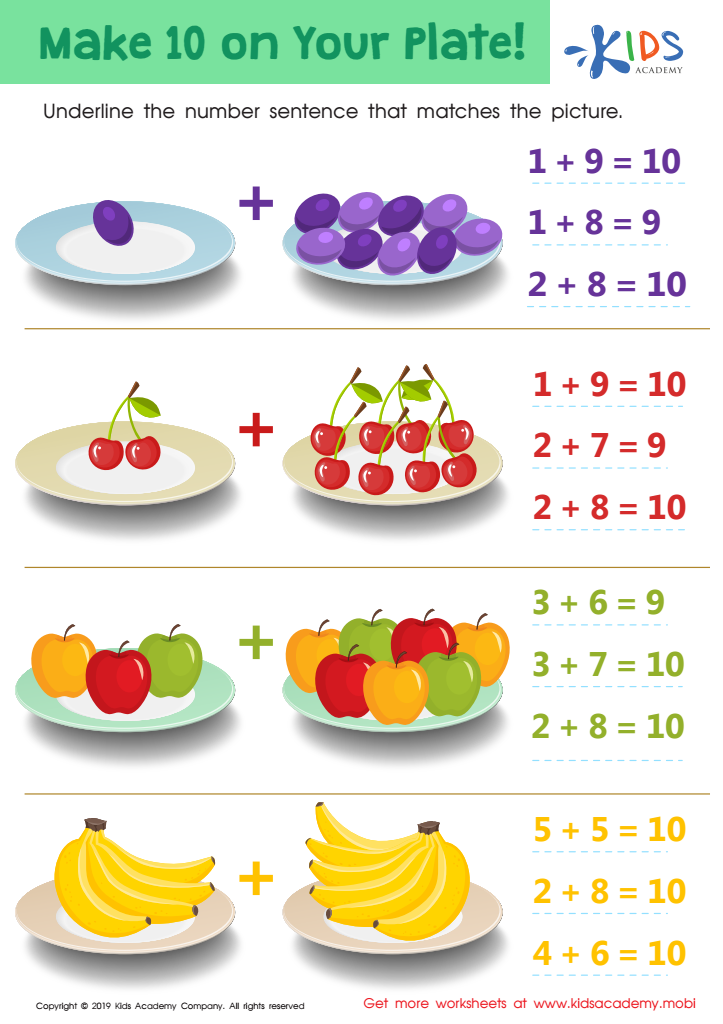
Make 10 on Your Plate! Worksheet
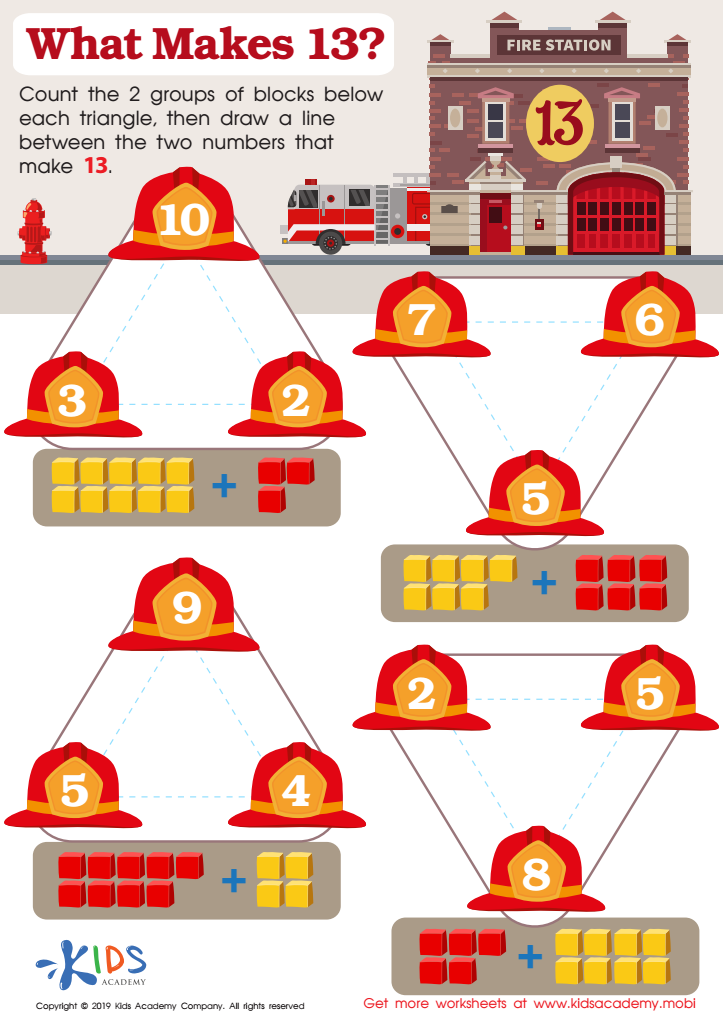
What Makes 13 Worksheet
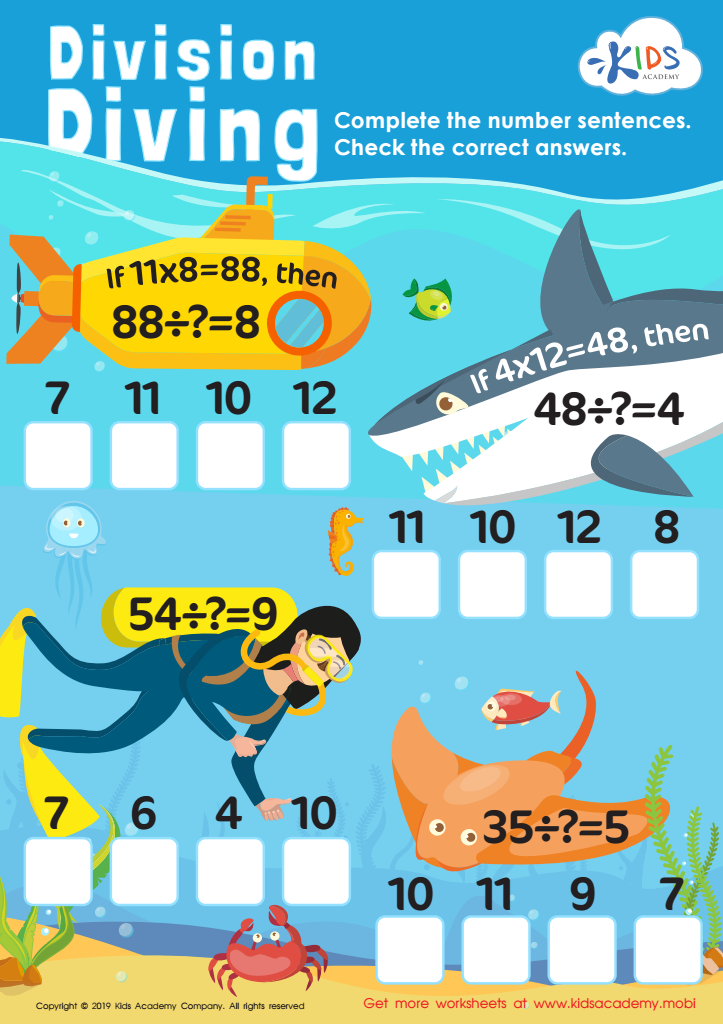
Division Diving Worksheet
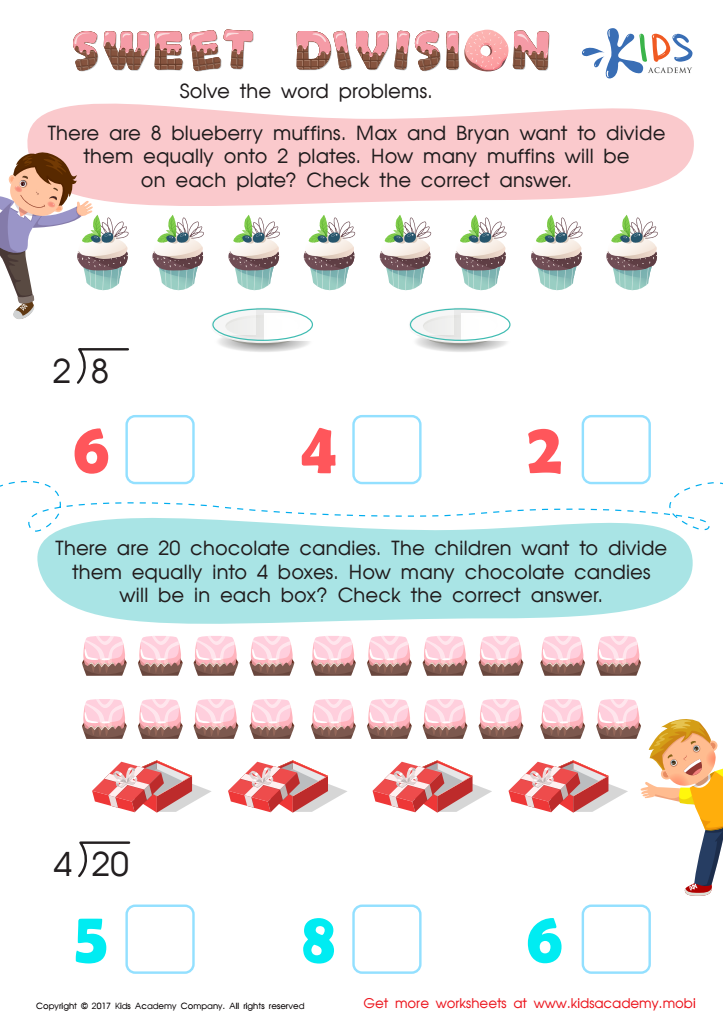
Division Word Problems Worksheet








Mathematical reasoning is a critical skill that lays the foundation for effective problem-solving and analytical thinking in children aged 6-9. During these formative years, children are introduced to fundamental concepts, which not only enhance their math skills but also shape their overall cognitive development. Fostering mathematical reasoning encourages curiosity and promotes a positive attitude toward learning.
Parents and teachers should care about this aspect of math education because it helps children understand the "why" behind mathematical concepts rather than merely memorizing procedures. This deeper comprehension cultivates confidence, enabling students to tackle complex problems with resilience. Furthermore, strong mathematical reasoning skills aid in the development of logical thinking and the ability to draw connections between different concepts, which are essential in various disciplines beyond math.
Incorporating reasoning activities into daily learning fosters collaboration and communication skills, as students often discuss and explain their thought processes to peers and adults. Nurturing mathematical reasoning in young children prepares them for future academic challenges, equipping them with the tools they need to succeed in an increasingly data-driven world. Investing in this foundational skill set ultimately contributes to more engaged, competent, and self-assured learners.








