Practicing addition Math Worksheets for Ages 6-9
7 filtered results
-
From - To
Welcome to our collection of Practicing Addition Math Worksheets designed for children aged 6-9! These vibrant, engaging worksheets are tailored to make math fun and accessible while reinforcing essential addition skills. From single-digit problems to more complex equations, our resources cater to various learning levels. Our easy-to-follow formats encourage independent practice, helping young learners build confidence and proficiency. With a mix of colorful illustrations and clear instructions, these worksheets foster a positive math experience. Ideal for independent practice, homework, or classroom activities, our addition worksheets provide the perfect blend of learning and enjoyment. Start your child’s math journey today!
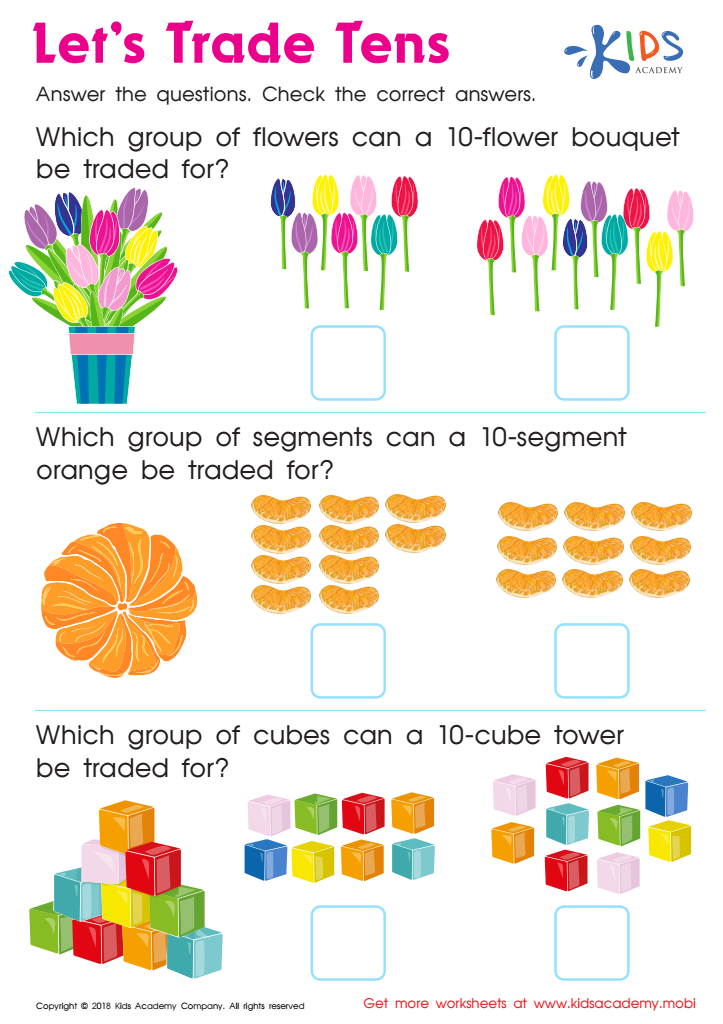
Lets Trade Tens Worksheet
 Assign to My Students
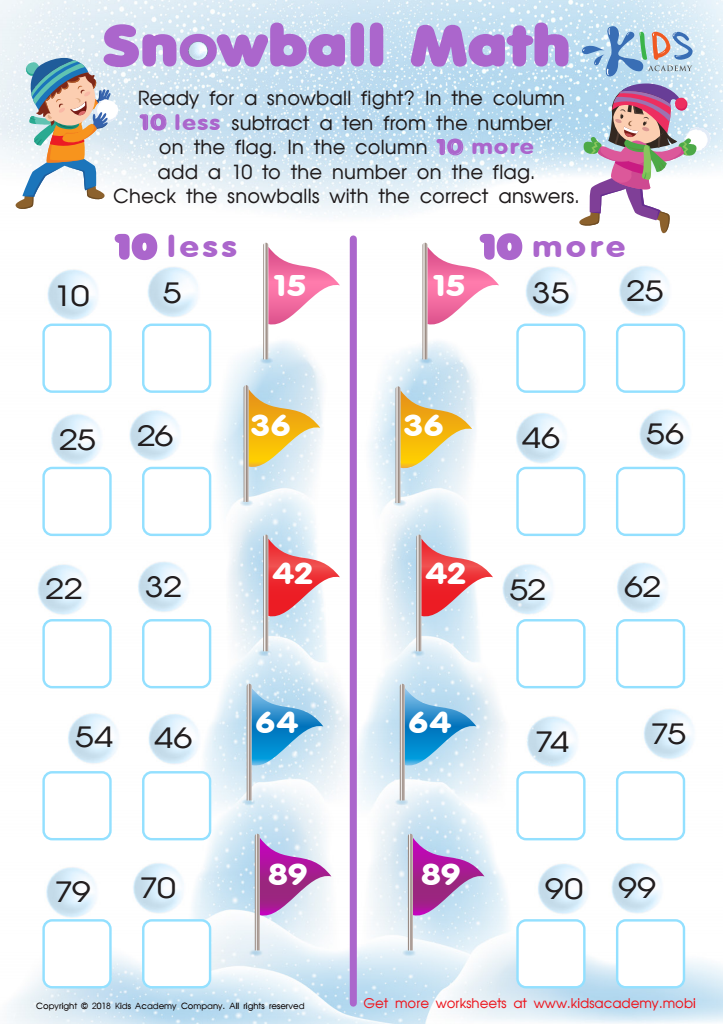
Snowball Math Worksheet
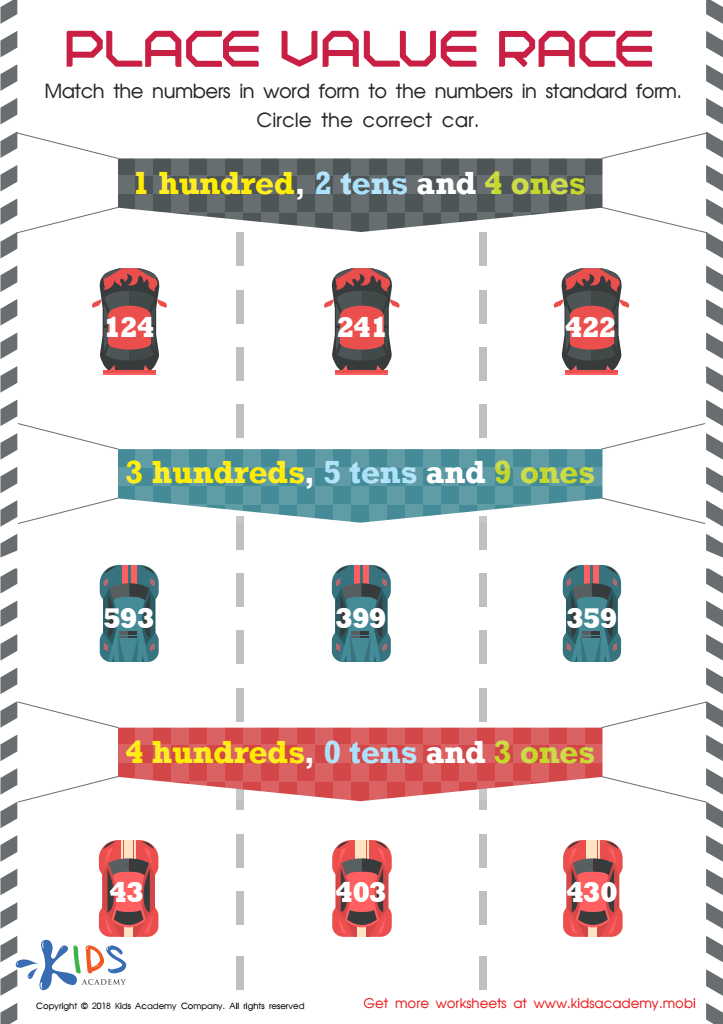
Place Value Race Worksheet
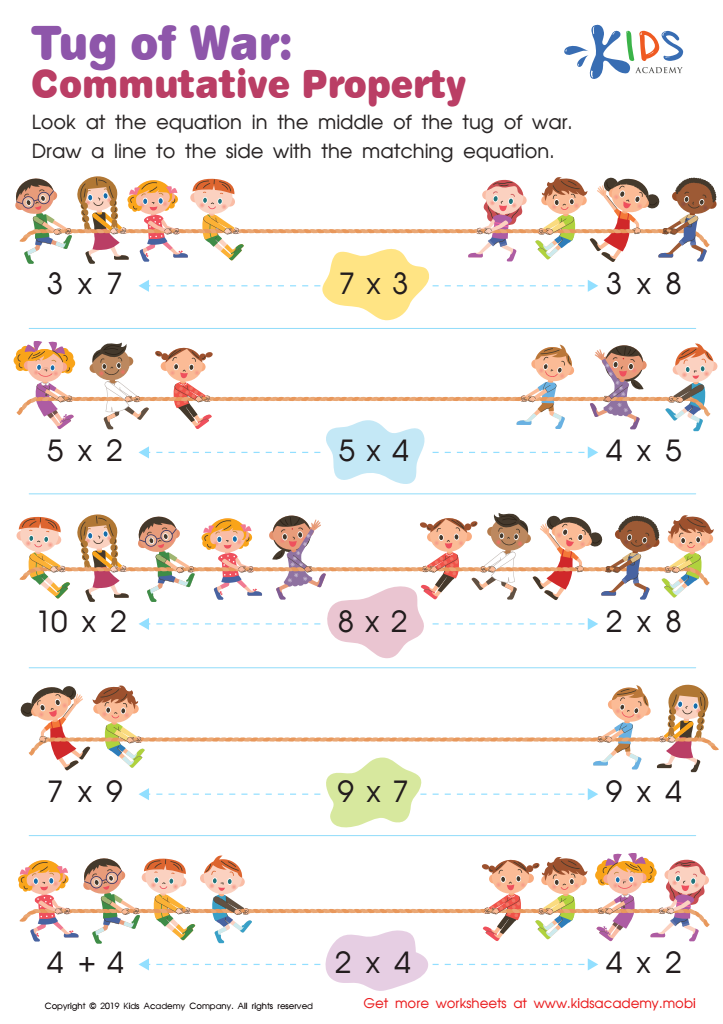
Tug of War: Commutative Property Worksheet
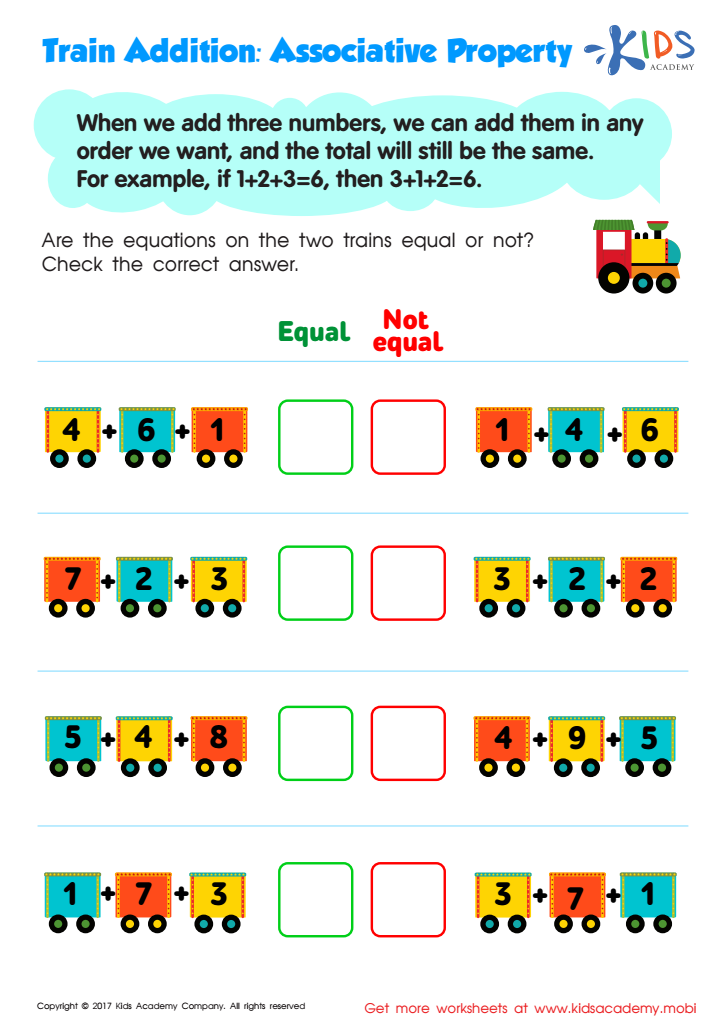
Train Addition: Associative Property Worksheet








Practicing addition math for children aged 6-9 is crucial for several reasons. At this developmental stage, children are building foundational numerical skills essential for their future academic success. Addition serves as the building block for more complex mathematical concepts, including subtraction, multiplication, and division. By mastering addition, students gain the confidence and fluency needed to tackle these advanced operations.
Moreover, practicing addition enhances critical thinking and problem-solving abilities. Engaging in math exercises encourages children to think analytically and develop strategies, leading to improved cognitive skills that extend beyond mathematics. Regular practice also fosters a positive attitude toward learning, helping children appreciate the relevance of math in everyday life.
Additionally, meaningful engagement with addition can strengthen parent-child or teacher-student relationships. Collaborative activities, such as games or real-life scenarios, can make learning enjoyable and build a supportive environment.
Lastly, consistent practice during these formative years lays the groundwork for standardized testing, where competencies in these basic skills are frequently examined. Therefore, parents and teachers play a vital role in ensuring that children receive the practice they need to navigate their educational journeys successfully.








