Recognizing numbers Math Worksheets for Ages 6-9
8 filtered results
-
From - To
Explore our engaging "Recognizing Numbers Math Worksheets" designed specifically for children aged 6-9! These interactive worksheets help young learners master number recognition through fun activities, including number tracing, matching, and identifying numbers in various formats. With vibrant visuals and age-appropriate challenges, children will build their confidence and strengthen their mathematics foundation. Perfect for home practice or classroom use, these worksheets cater to different learning styles and abilities, fostering a love for numbers in an enjoyable way. Download our printable worksheets to ignite your child’s learning journey and watch them excel in number recognition with excitement and curiosity!
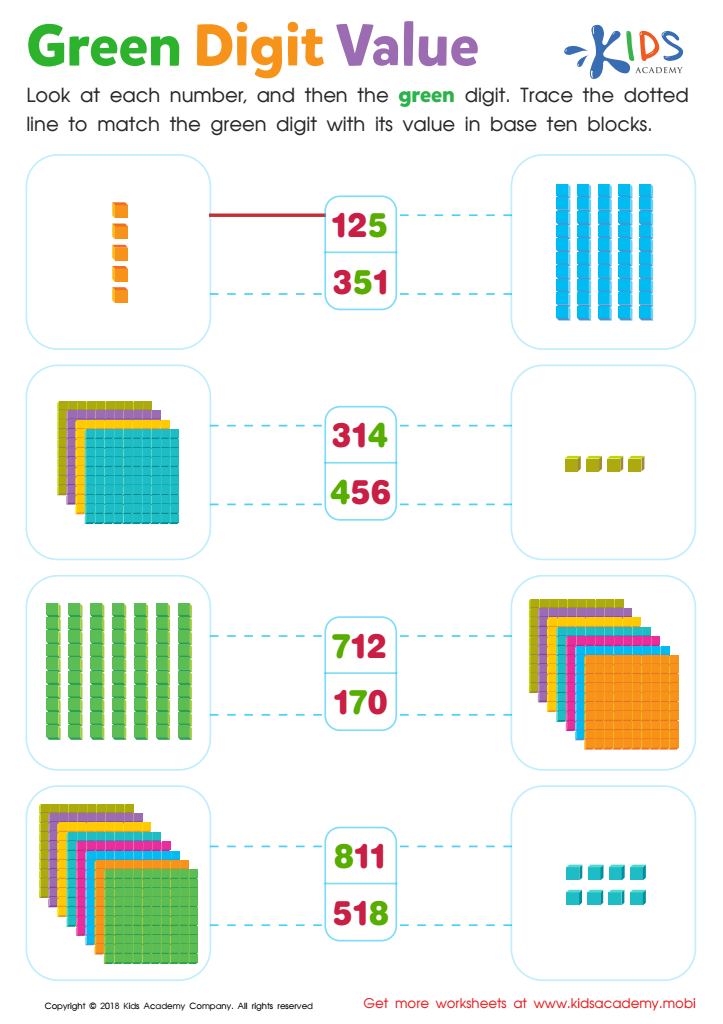
Green Digit Value Worksheet
 Assign to My Students
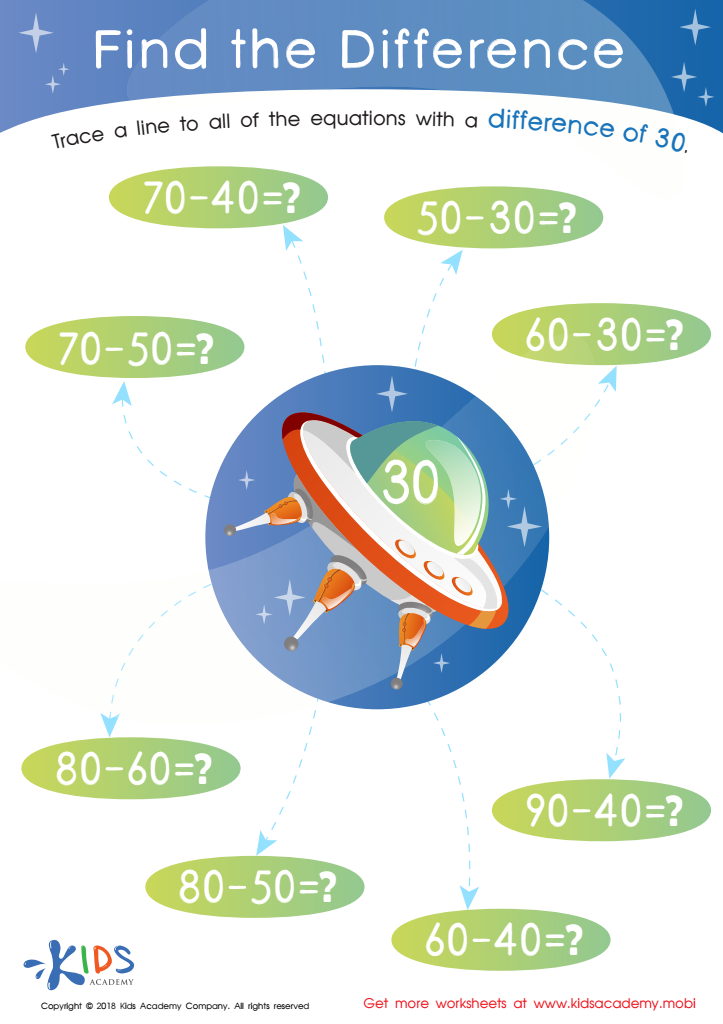
Find The Difference Worksheet
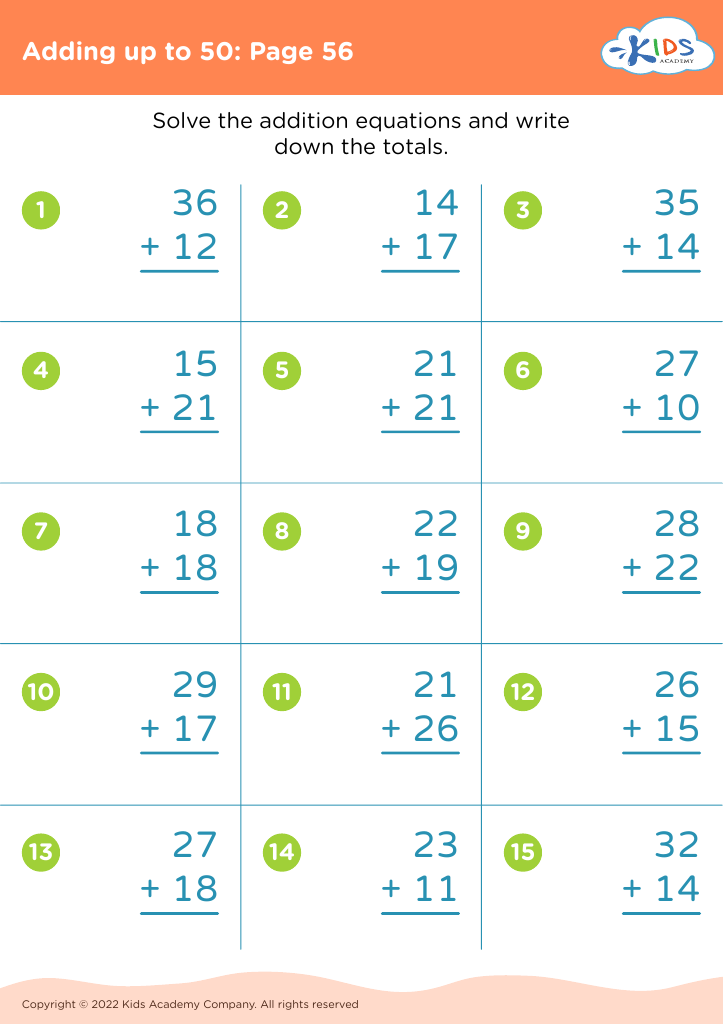
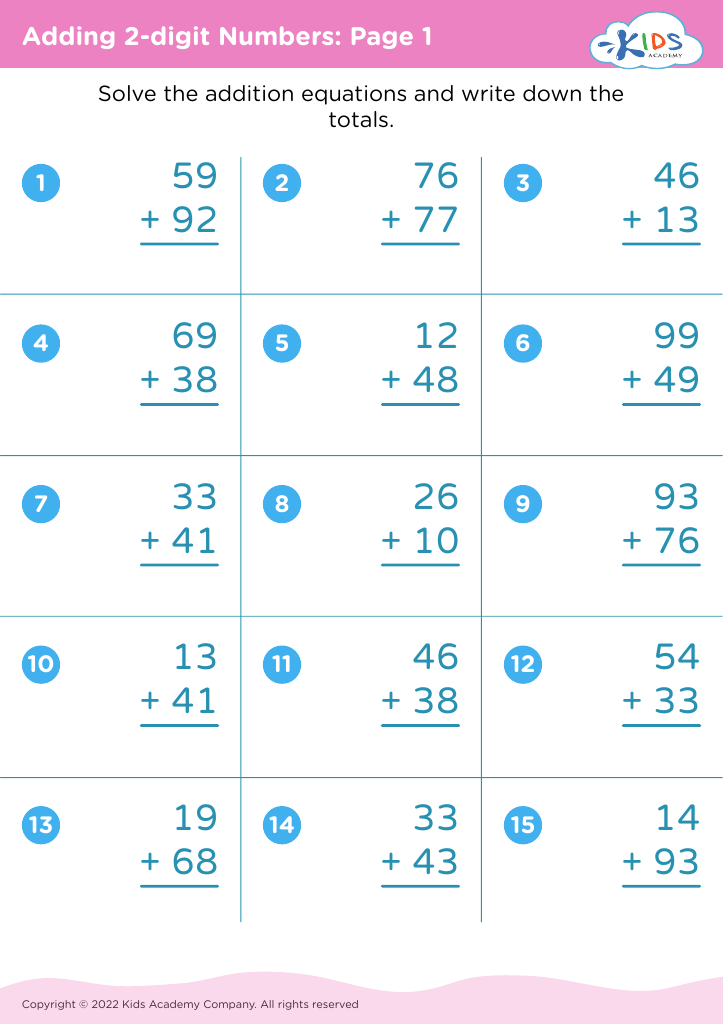
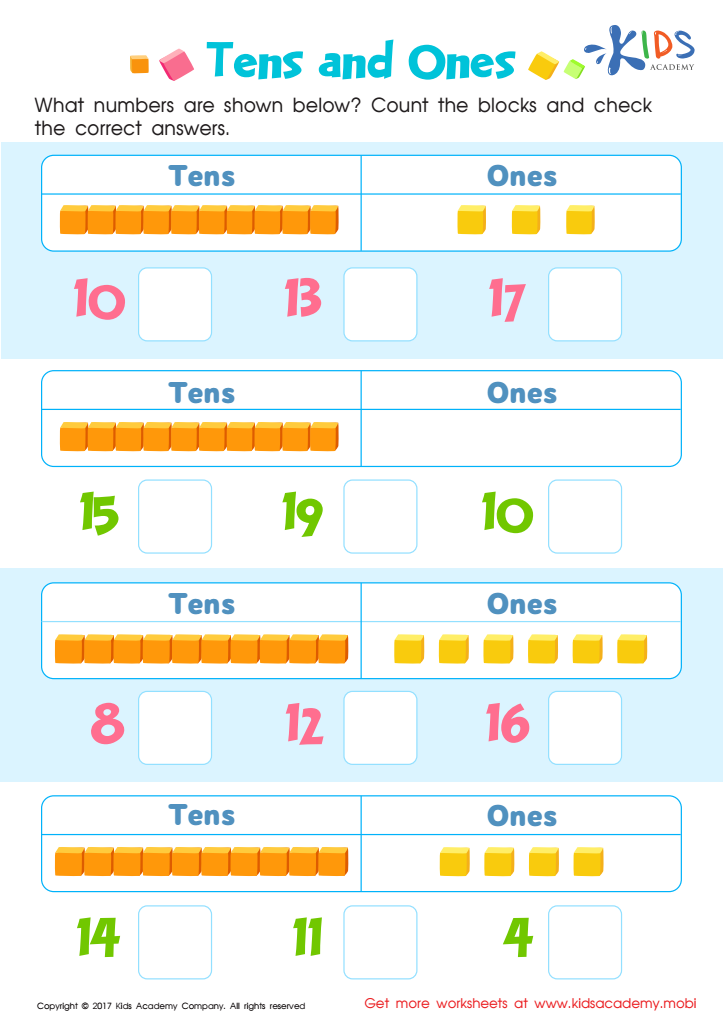
Tens and Ones Worksheet
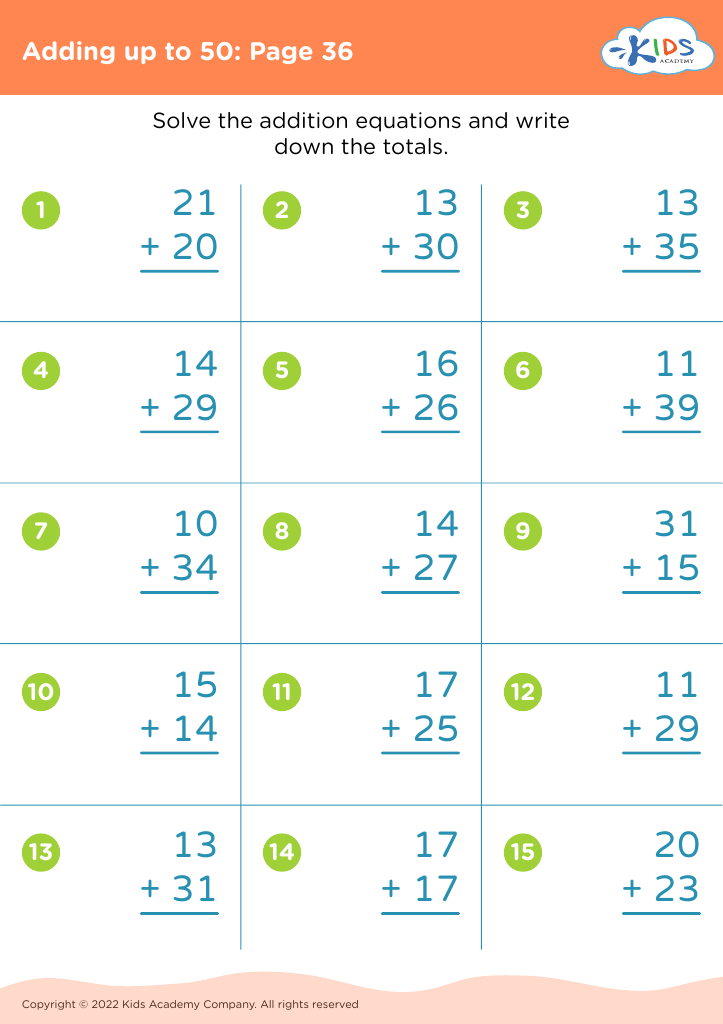
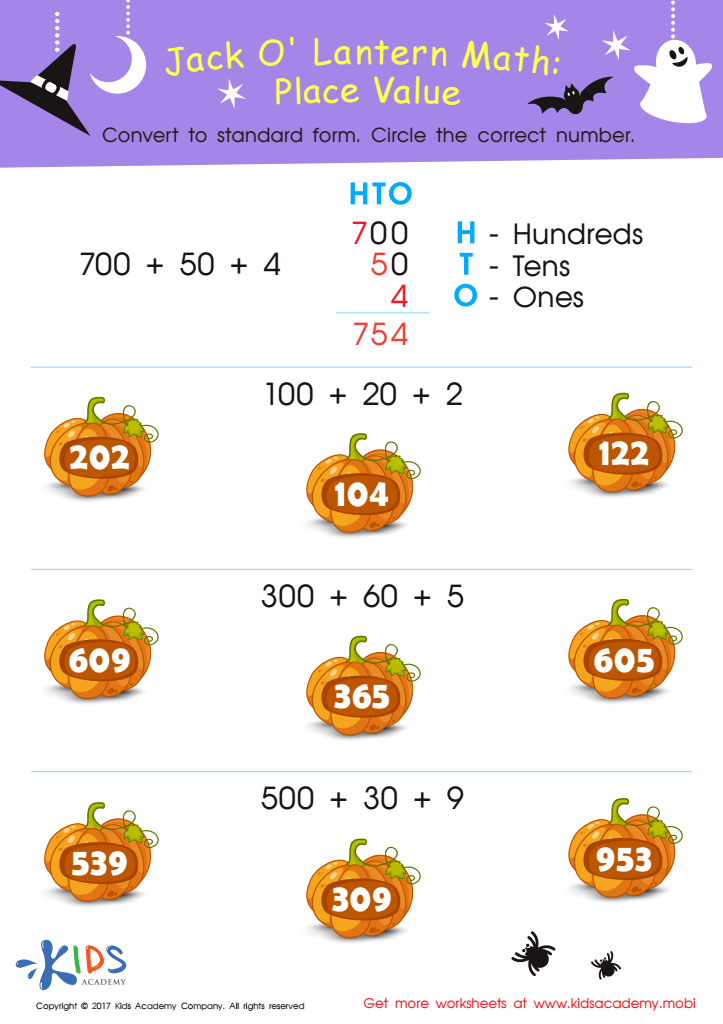
Free Place Value Worksheet
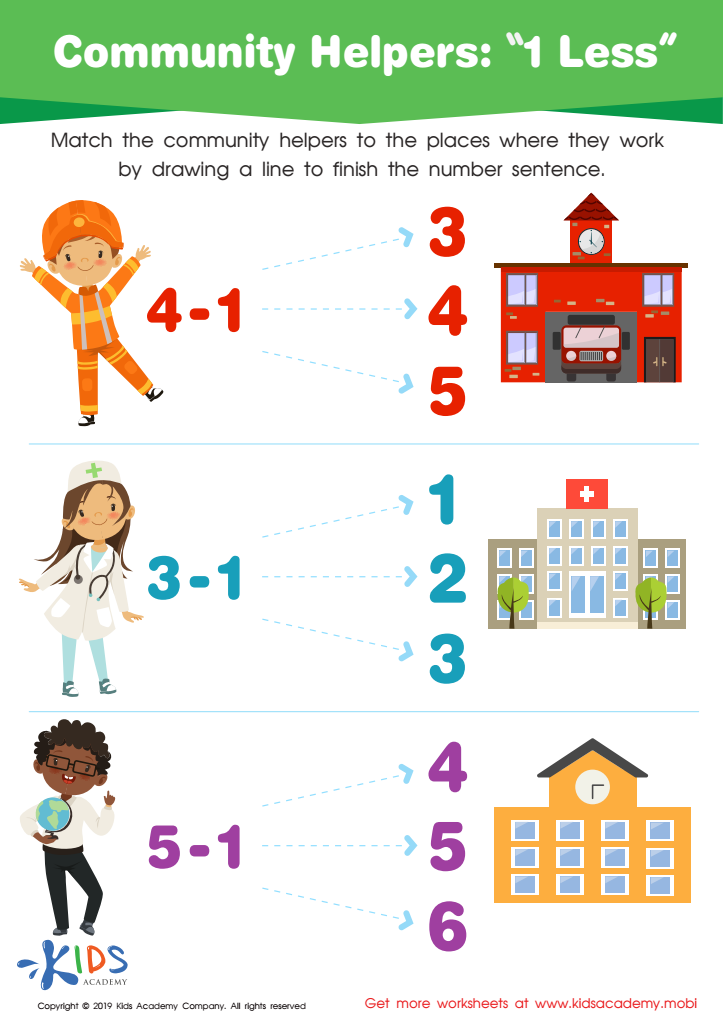
Community Helpers: 1 less Worksheet







Recognizing numbers is a foundational skill for children aged 6-9, crucial for their development in mathematics and overall cognitive growth. During these formative years, children transition from being concrete learners to beginning to understand abstract concepts. Recognizing numbers lays the groundwork for essential arithmetic skills such as addition, subtraction, multiplication, and division.
Parents and teachers play a vital role in fostering these skills to ensure children build confidence in their mathematical abilities. Early recognition of numbers helps children develop number sense, which involves understanding quantities, relationships, and patterns. This foundational knowledge is not only important for academic success but also for everyday situations, from telling time and managing money to measuring ingredients for a recipe.
Moreover, recognizing numbers aids in critical thinking and problem-solving. Engaging children in activities that encourage counting, comparing, and sequencing numbers enhances their logical reasoning abilities.
When parents and teachers prioritize number recognition, they empower children to engage more deeply with mathematical concepts, leading to improved academic performance and a positive attitude toward learning. Fostering these skills early on opens doors for future educational opportunities and encourages a lifelong appreciation for mathematics. Thus, nurturing number recognition is essential for holistic child development.








