Spatial Orientation Math Worksheets for Ages 6-9
4 filtered results
-
From - To
Enhance your child's spatial awareness and math skills with our engaging Spatial Orientation Math Worksheets designed for ages 6-9. These entertaining resources focus on helping young learners develop essential skills such as understanding direction, identifying shapes, and improving problem-solving abilities through fun exercises and activities. Perfect for home or classroom use, these worksheets encourage kids to explore spatial relationships in a hands-on way, promoting critical thinking and mathematical understanding. Discover a variety of exercises that make learning exciting while building a strong foundation in geometry and measurement. Explore our collection today and watch your young mathematicians thrive!
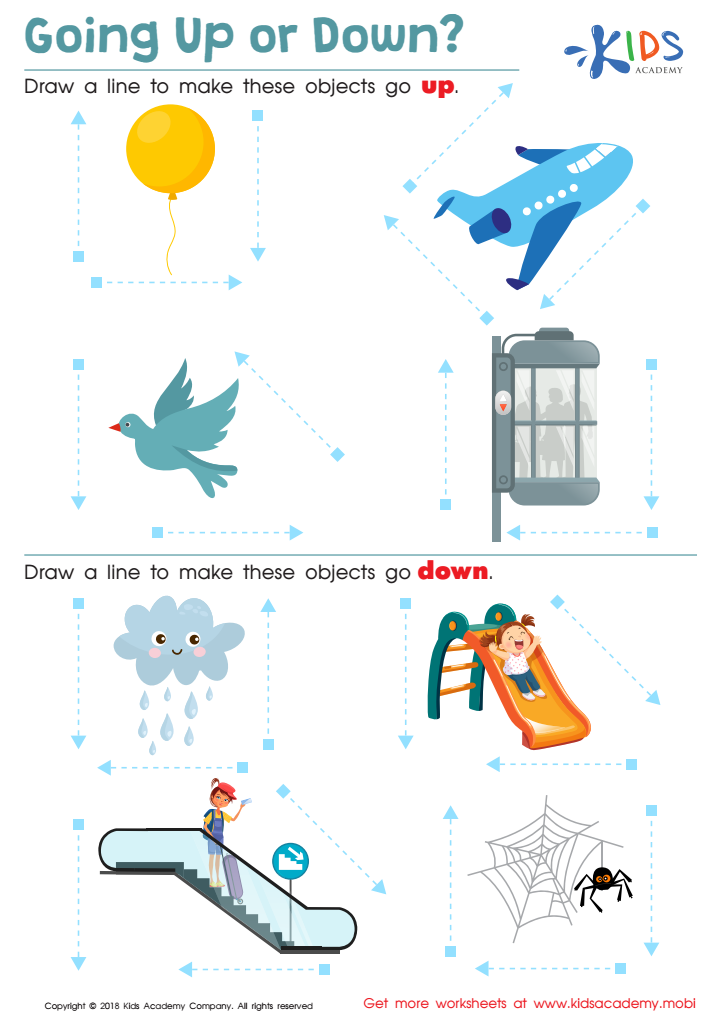
Going up or Down? Worksheet
 Assign to My Students
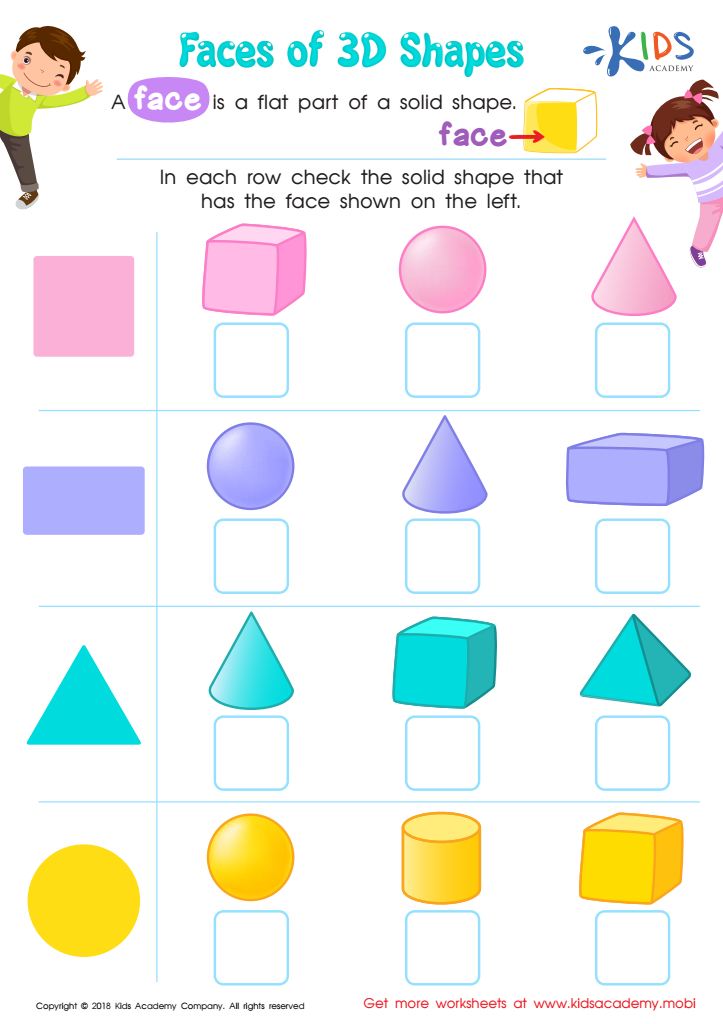
Faces of 3D Shapes Worksheet
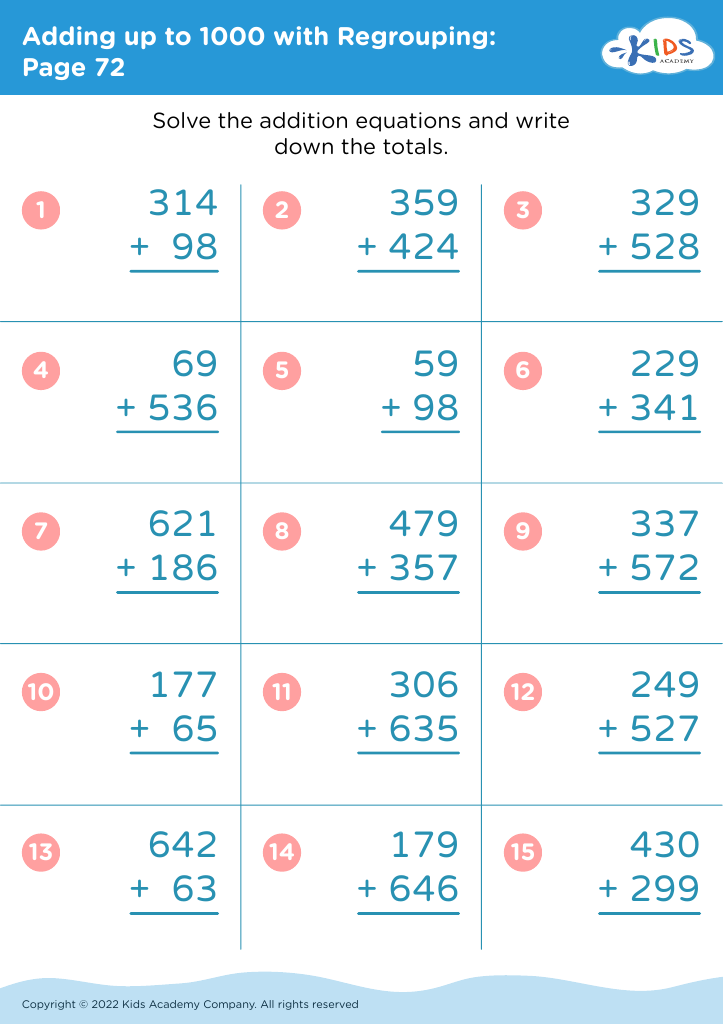
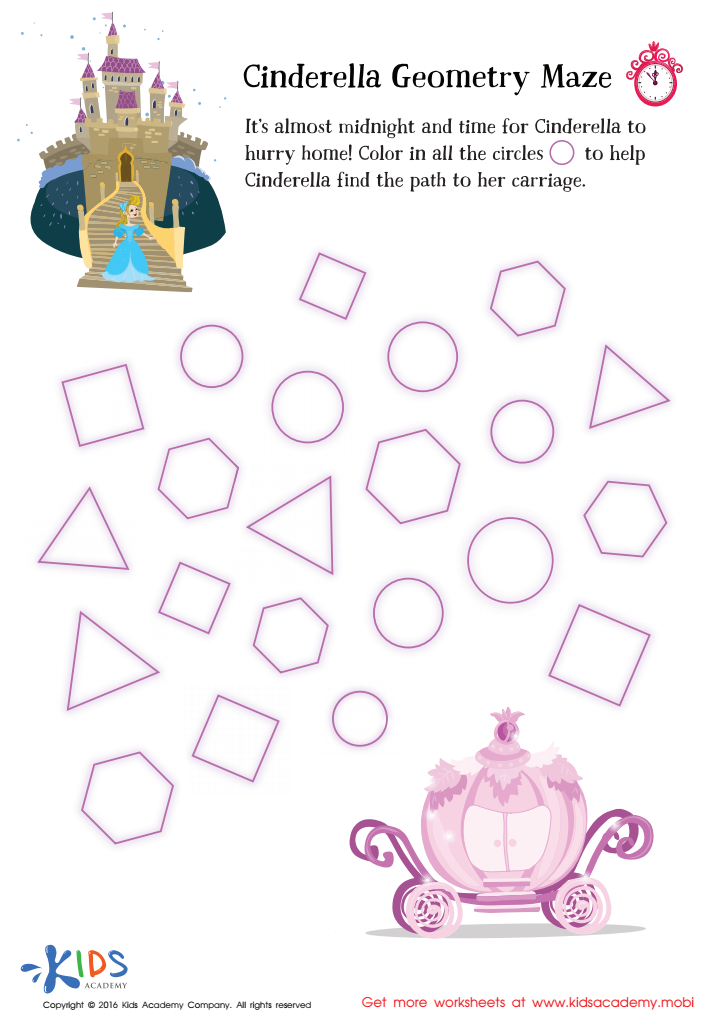
Cinderella Geometry Maze Worksheet


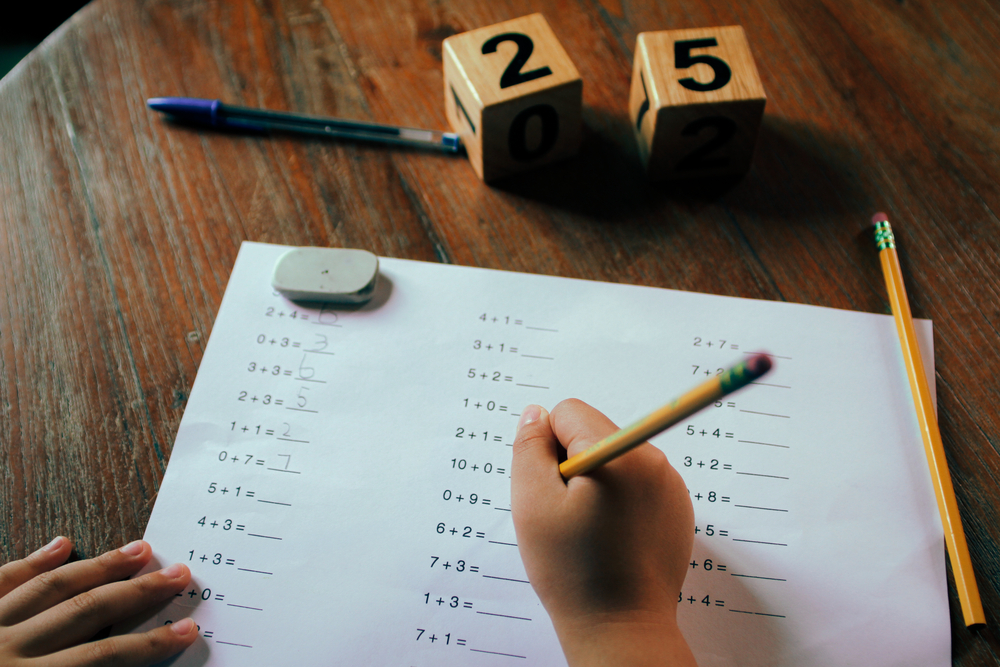





Spatial orientation skills are vital for children aged 6-9 as they develop critical cognitive abilities essential for success in math and other STEM fields. Spatial reasoning, which involves the ability to visualize and manipulate objects in space, helps children understand geometric concepts and spatial relationships. This foundational skill enhances their ability to comprehend shapes, sizes, and patterns, which are key components of early mathematics learning.
Moreover, proficiency in spatial orientation can greatly influence children's problem-solving skills. Research shows that children with strong spatial abilities tend to perform better in mathematics, as they can visualize problems more effectively and develop mental strategies for solving them. This is particularly important as students begin to encounter more complex mathematical concepts, such as fractions and measurement.
Furthermore, fostering spatial awareness in early education supports creativity and critical thinking. Activities such as building with blocks, drawing, or engaging in puzzles encourage children to explore and apply spatial concepts in real-world contexts.
Therefore, parents and teachers play a crucial role in nurturing these skills through targeted activities and games. Investing in spatial orientation math not only strengthens mathematical understanding but also prepares children for academic success and a range of future careers in an increasingly technology-driven world.








