Matching skills Matching Worksheets for Ages 6-9
4 filtered results
-
From - To
Enhance your child's matching skills with our engaging matching worksheets designed for ages 6-9! These interactive activities promote critical thinking and cognitive development by encouraging kids to identify similarities and differences. With colorful illustrations and age-appropriate themes, children are motivated to participate while building essential skills in recognizing patterns and making associations. Our worksheets cover various topics, such as animals, shapes, and everyday objects, making learning both fun and educational. Perfect for home or classroom use, these resources are ideal for reinforcing essential matching skills that lay a foundation for future academic success. Unlock your child’s potential today with our matching worksheets!
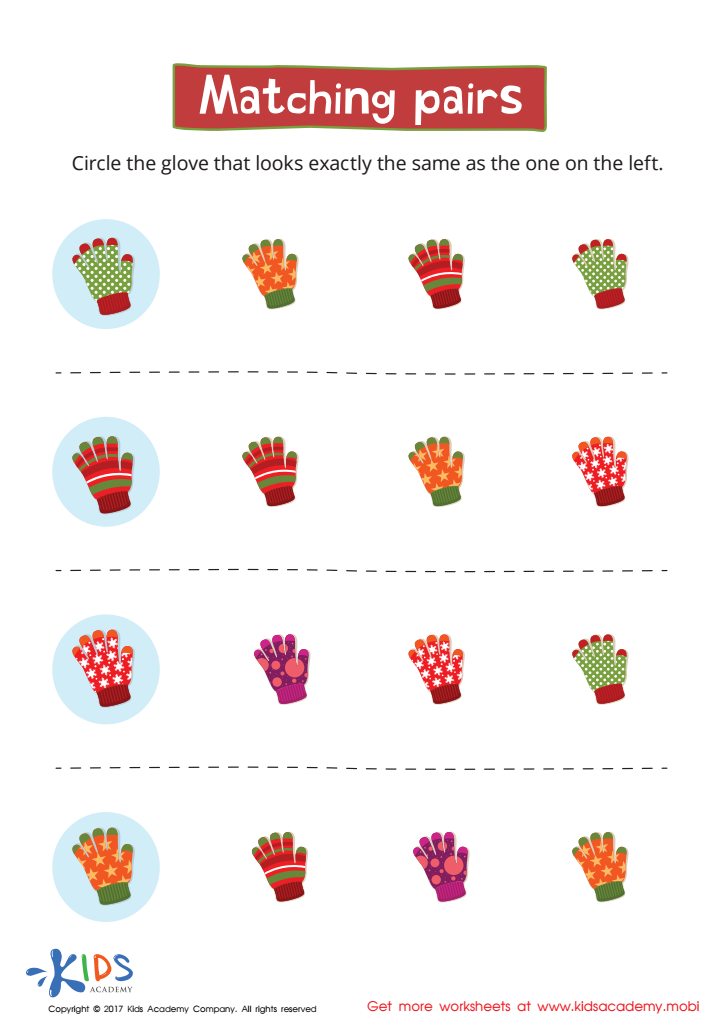
Matching: Matching Pairs Worksheet
 Assign to My Students
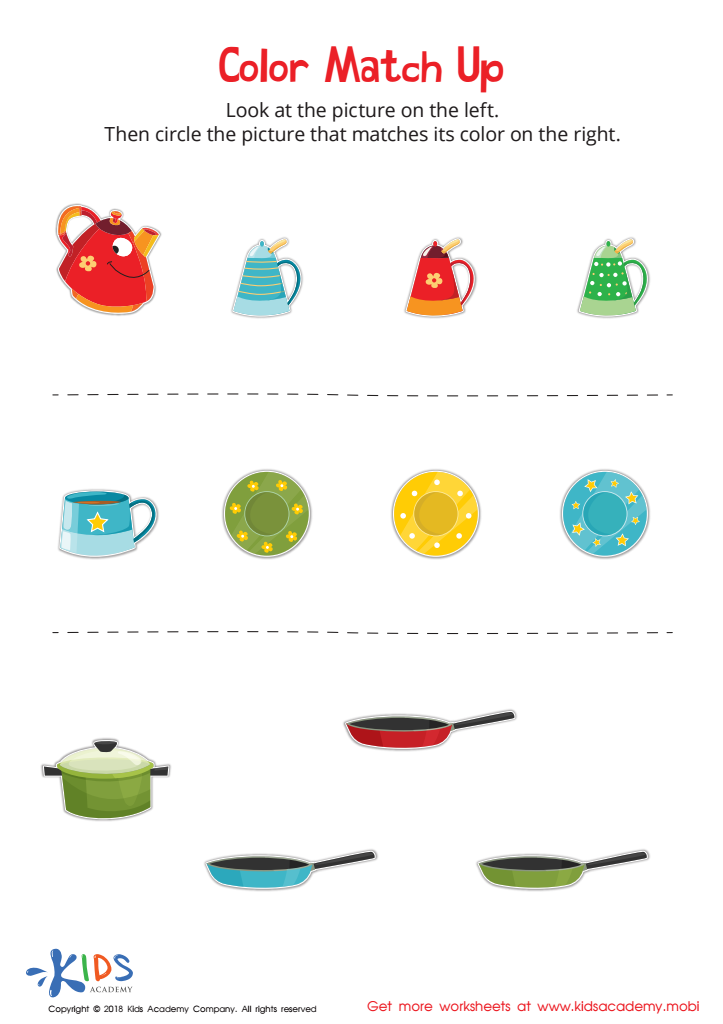
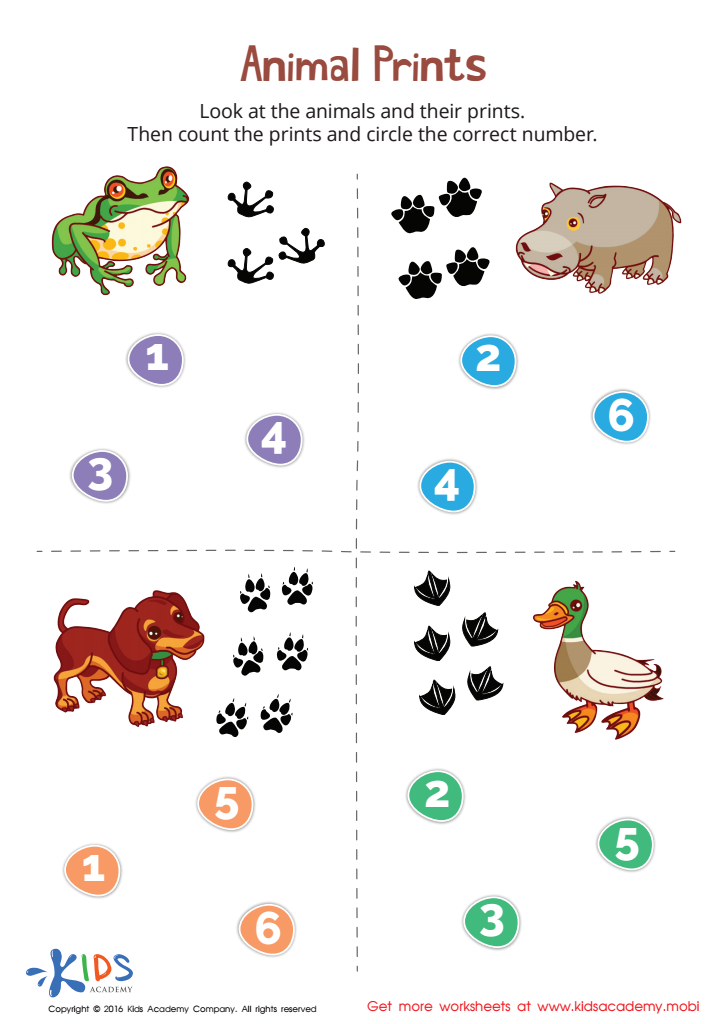
Animal Prints Match-Up Worksheet
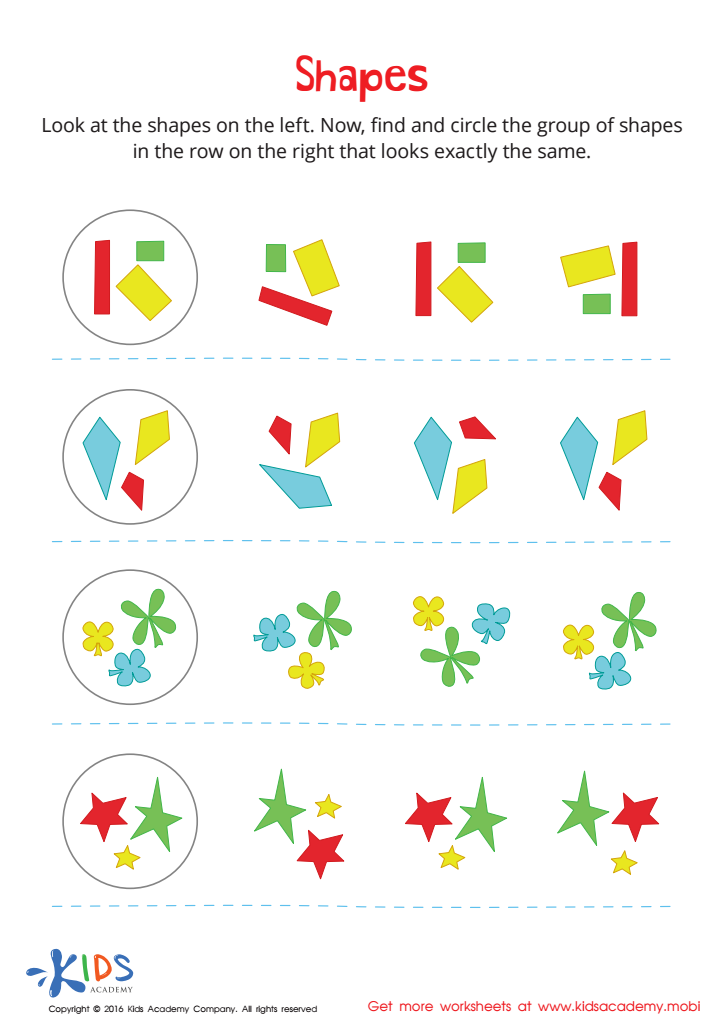
Shapes Worksheet





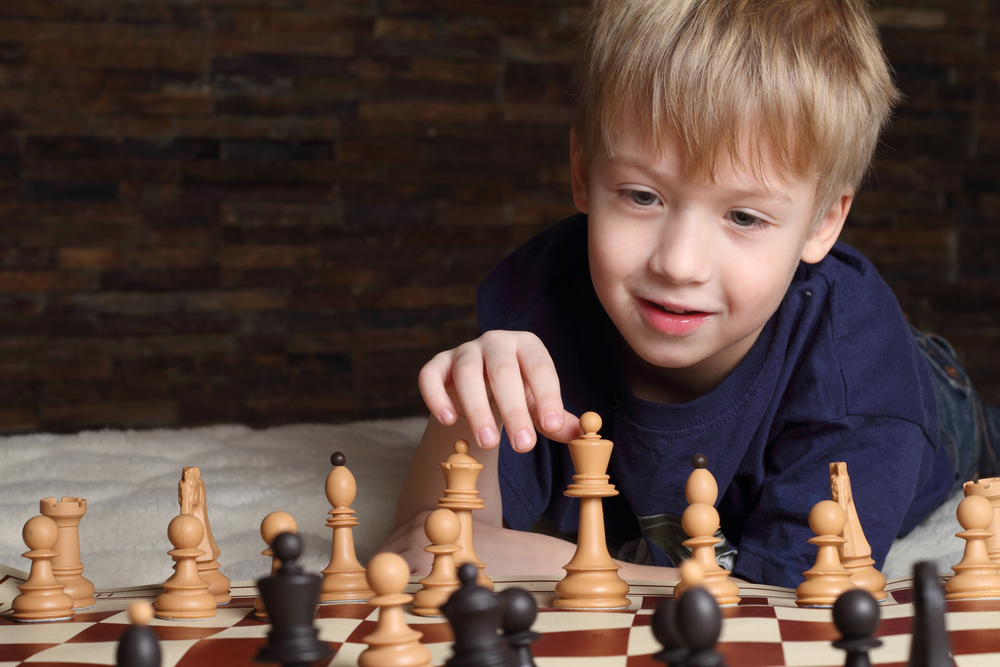


Matching skills are crucial for children aged 6-9, as they serve as foundational building blocks for various areas of development. Firstly, these skills enhance cognitive development. When children learn to match objects, images, or words, they engage their memory and enhance pattern recognition, fostering critical thinking abilities. This foundational skill aids in later academic pursuits, including literacy and math, where recognizing patterns helps in problem-solving and comprehension.
Secondly, matching activities promote social skills. Parents and teachers can utilize matching games in group settings, encouraging cooperation, communication, and social interaction. As children work together, they learn to share ideas, face challenges, and develop empathy.
Moreover, matching skills have real-world applications that go beyond the classroom. Mastering this type of learning improves daily tasks like organizing their belongings, categorizing items, or even following instructions, effectively promoting independence.
Engaging in matching activities also cultivates fine motor skills, as children often manipulate cards or objects, improving their hand-eye coordination. For these reasons, it’s essential for parents and teachers to prioritize matching skills in a child’s education, supporting holistic development that forms the foundation for lifelong learning and social interaction.








