Vocabulary enhancement Measurement Worksheets for Ages 6-9
4 filtered results
-
From - To
Enhance your child's vocabulary with our engaging Vocabulary Enhancement Measurement Worksheets designed specifically for children aged 6-9. These worksheets combine fun and learning by introducing measurement-related terms through colorful visuals and interactive activities. Your little one will explore concepts such as length, width, height, and more, all while expanding their word bank. Ideal for home or classroom use, our worksheets promote critical thinking and literacy skills in a hands-on way. Inspire a love for learning and equip your child with essential language skills! Browse our collection today and watch their confidence soar as they master measurement vocabulary!
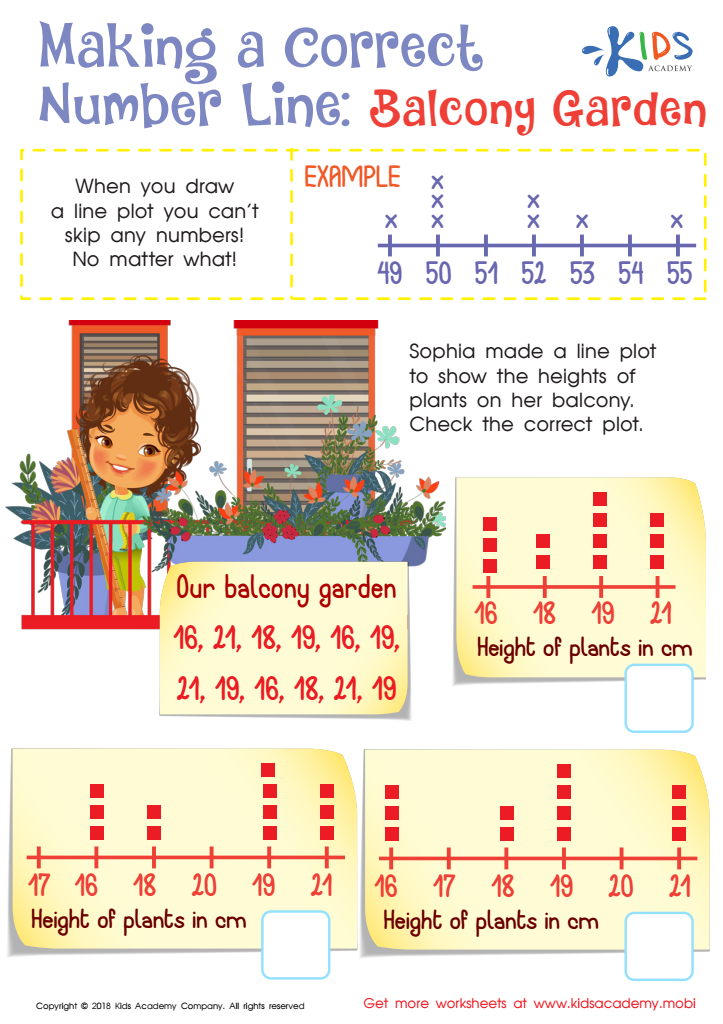
Making a Correct Number Line: Balcony Garden Worksheet
 Assign to My Students
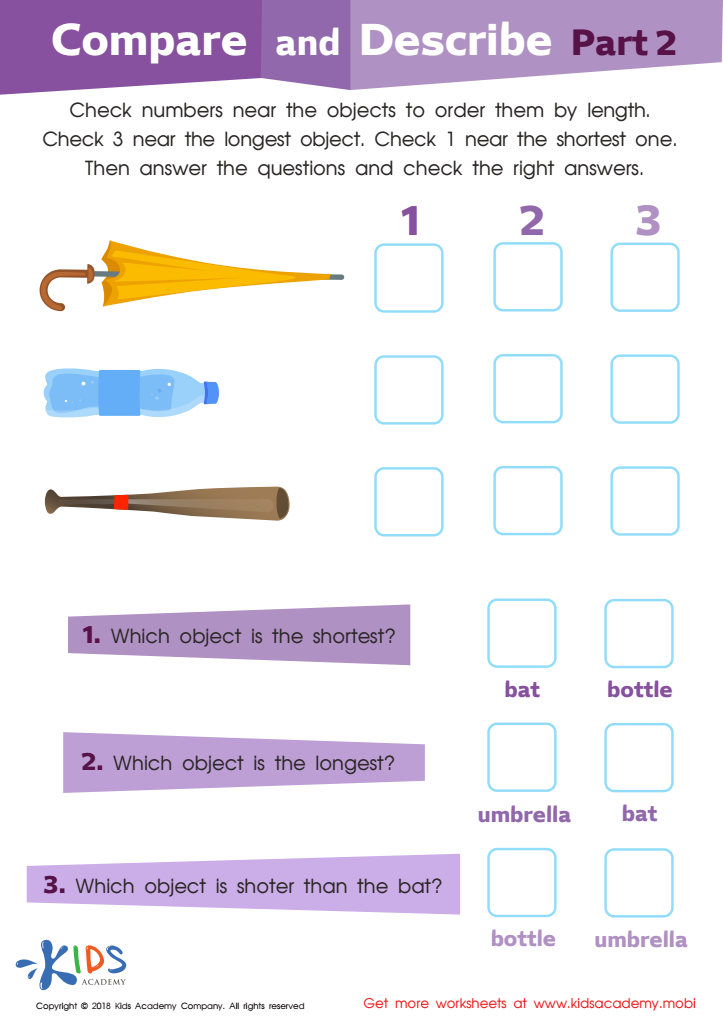
Compare and Describe: Part 2 Worksheet
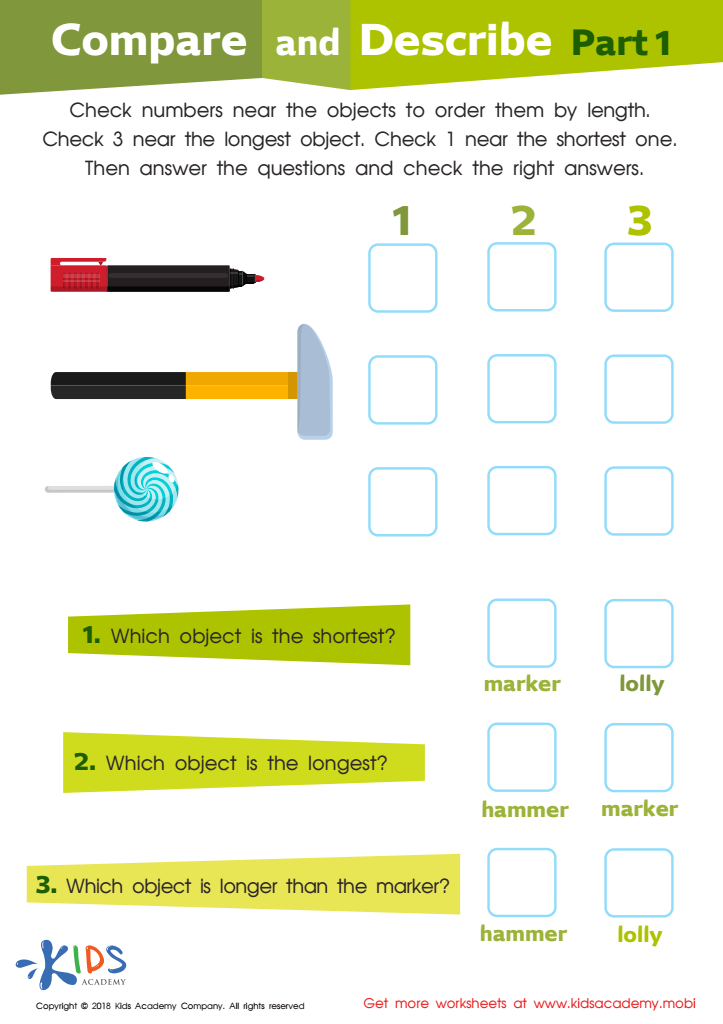
Compare and Describe: Part 1 Worksheet
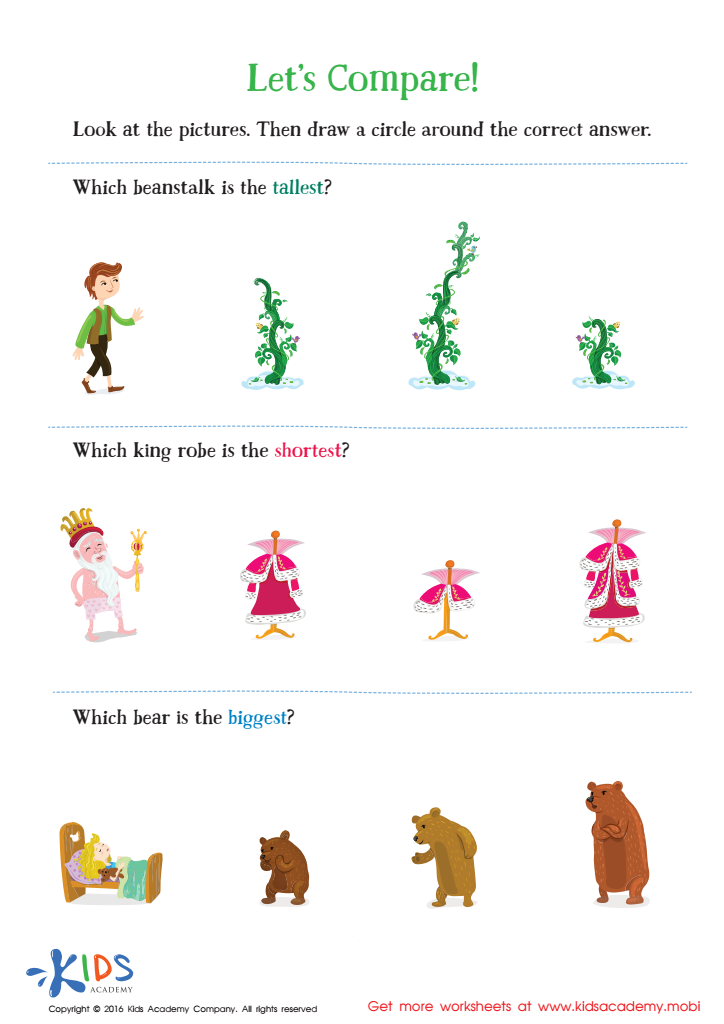
Fairy Tale Worksheet: Let's Compare








Vocabulary enhancement measurement for children aged 6-9 is crucial for several reasons. At this age, children are rapidly developing language skills that lay the foundation for their future academic success. A robust vocabulary aids comprehension and effective communication, both essential for learning across subjects. By focusing on vocabulary measurement, parents and teachers can identify a child's strengths and areas needing improvement, allowing for targeted interventions.
Additionally, an expanded vocabulary bolsters reading confidence and fluency, which are key to overall literacy development. Engaging in vocabulary-enhancing activities encourages critical thinking and creativity, as children learn to express themselves more precisely. Enhanced vocabulary also supports social interactions, helping children articulate feelings and ideas, which fosters healthier relationships with peers and adults.
Furthermore, the ability to understand and utilize diverse vocabulary enables children to grasp more complex concepts as they progress academically. With early monitoring and enhancement strategies, parents and teachers can nurture a love for language, instilling the belief that words hold power. Ultimately, prioritizing vocabulary enhancement ensures that children are well-equipped for school and beyond, empowering them to succeed in an increasingly complex world.








