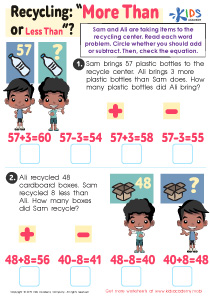
Fine Motor Skills Numbers 11–20 Worksheets for Ages 6-9
6 filtered results
-
From - To
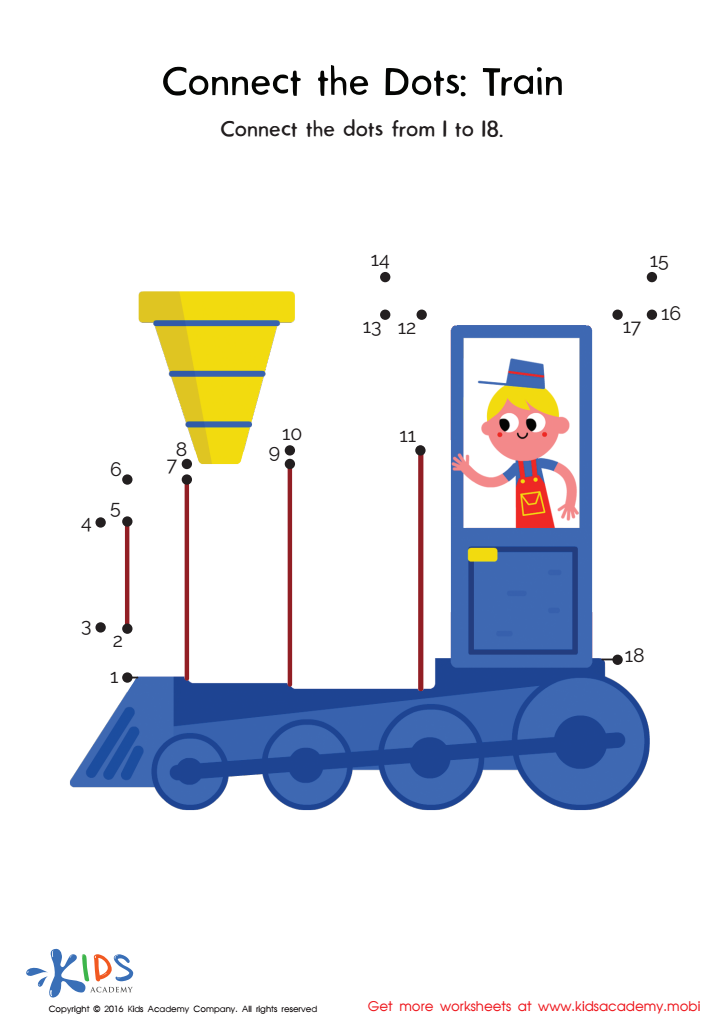
Boost your child’s fine motor skills with our engaging Numbers 11–20 Worksheets, designed for ages 6-9. These captivating exercises combine counting and number recognition with fun coloring, tracing, and drawing activities. Perfect for developing hand-eye coordination and precision, our worksheets encourage kids to master writing numbers while enhancing their mathematical confidence. Each worksheet offers playful themes and interactive challenges tailored to young learners, making the process of learning numbers enjoyable and effective. Ideal for classroom use or at-home practice. Let your child’s fine motor skills flourish and solidify their foundational math abilities with our expertly crafted worksheets.
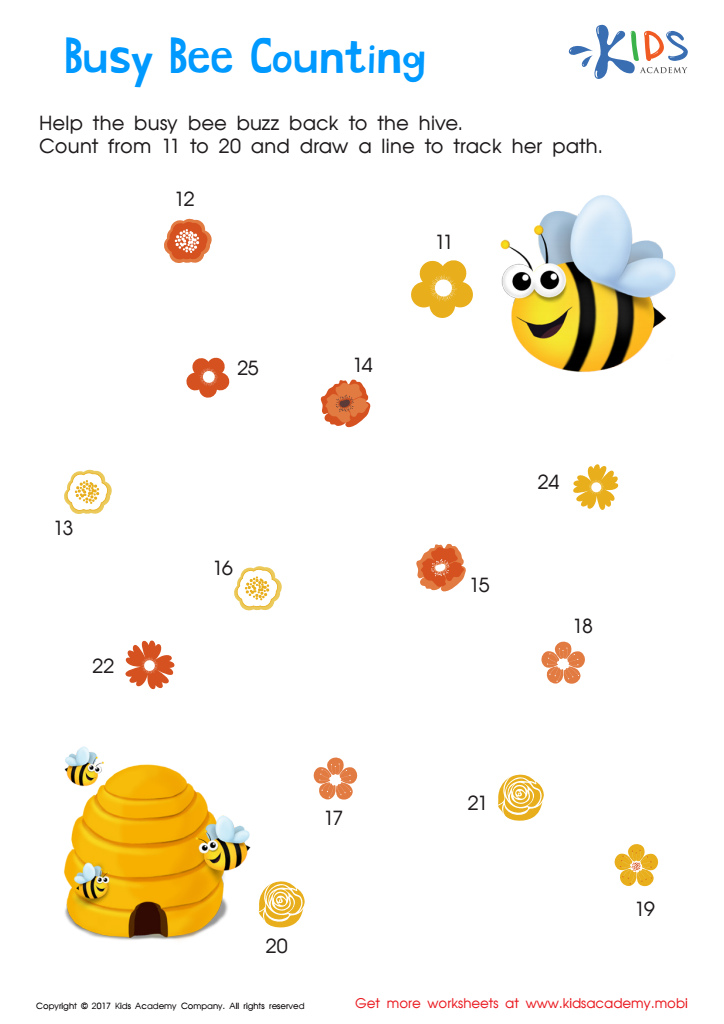
Ordering 11–20: Busy Bee Counting Worksheet
 Assign to My Students
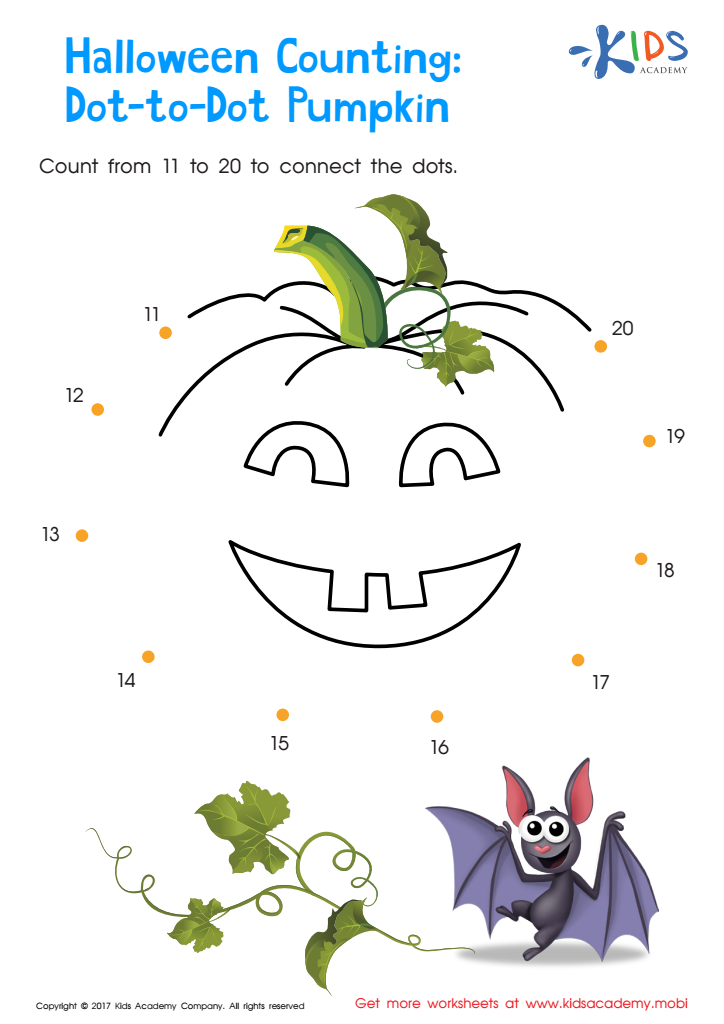
Ordering 11–20: Halloween Counting Worksheet
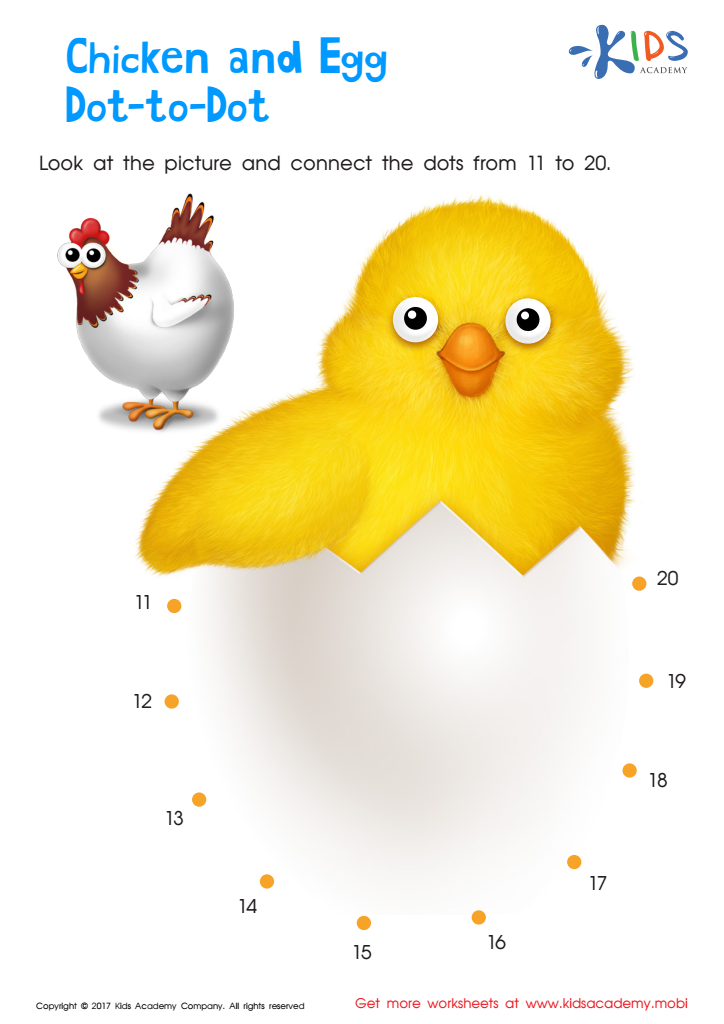
Ordering 11–20: Chicken & Egg Dot–to–dot Worksheet
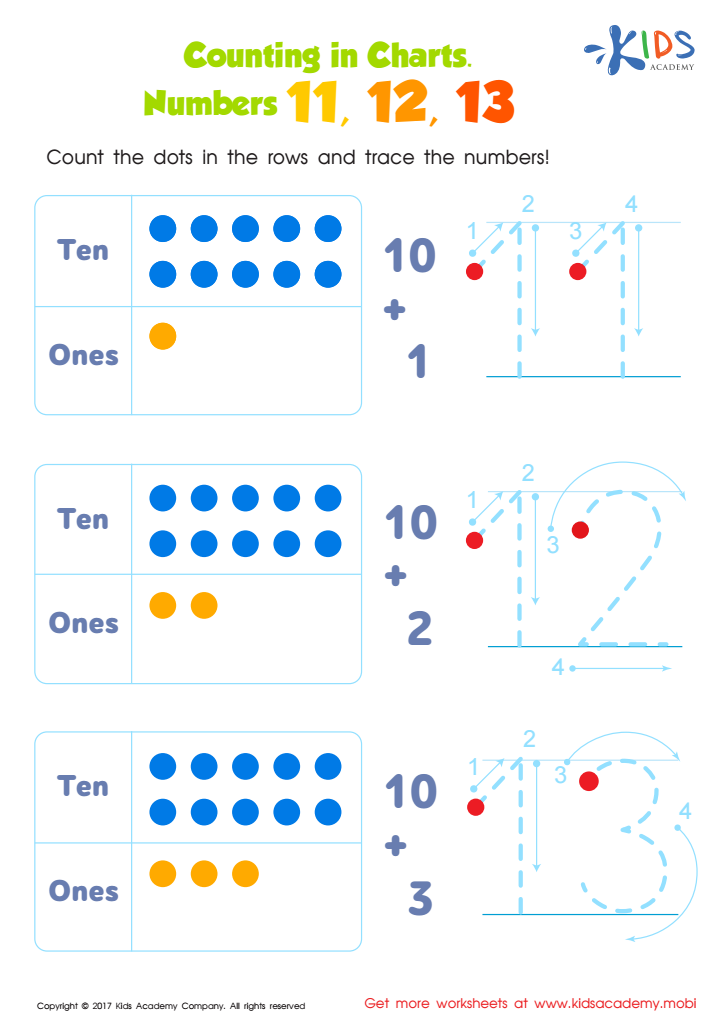
Number Tracing Worksheet For Kindergarten
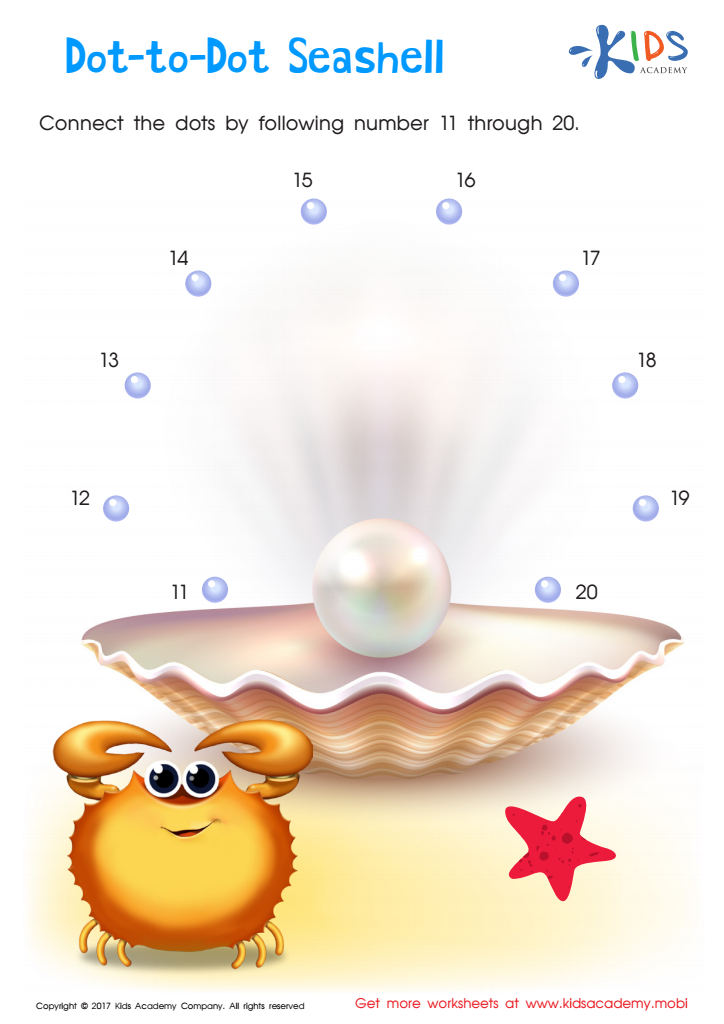
Ordering 11–20: Dot–to–dot Seashell Printable



Parents and teachers play a pivotal role in nurturing fine motor skills, including early numeracy proficiency, in children aged 6-9. Fine motor skills involve the small muscles in the hands and fingers, crucial for daily activities like writing, buttoning clothes, and manipulating small objects. Developing these skills in the context of learning numbers 11–20 significantly aids cognitive and academic performance.
At this developmental stage, children transition from basic counting to more complex mathematical concepts. Fine motor control enables accurate number formation and spatial understanding when writing and using manipulatives. Mastery over numbers 11–20 is fundamental as this range sets the foundation for place value understanding, multiplication, and problem-solving.
Additionally, fine motor tasks enhance brain development through improved hand-eye coordination and neural connectivity. Engaging in activities that combine these skills, like bead stringing while counting or drawing numbers, ensures better skill integration and retention.
Ultimately, attention to fine motor skills within numeracy fosters a positive attitude towards math, enhances self-confidence, and promotes academic readiness. Therefore, parents and teachers should champion activities that holistically develop these skills, empowering children to navigate future learning challenges successfully.