Basic Math Skills Building Vocabulary Worksheets for Ages 6-9
15 filtered results
-
From - To
Enhance your child’s learning experience with our Basic Math Skills Building Vocabulary Worksheets designed for ages 6-9. These engaging, printable worksheets are tailored to reinforce essential math concepts while simultaneously expanding vocabulary. Each activity fosters critical thinking skills, encourages problem-solving, and provides practice in arithmetic terminology, making math both fun and educational. Ideal for homeschooling or supplementary learning, the worksheets are structured to cater to different learning styles and pace. By integrating vocabulary development into math exercises, your child will build confidence and achieve academic success. Explore our collection today and watch your child's skills flourish!
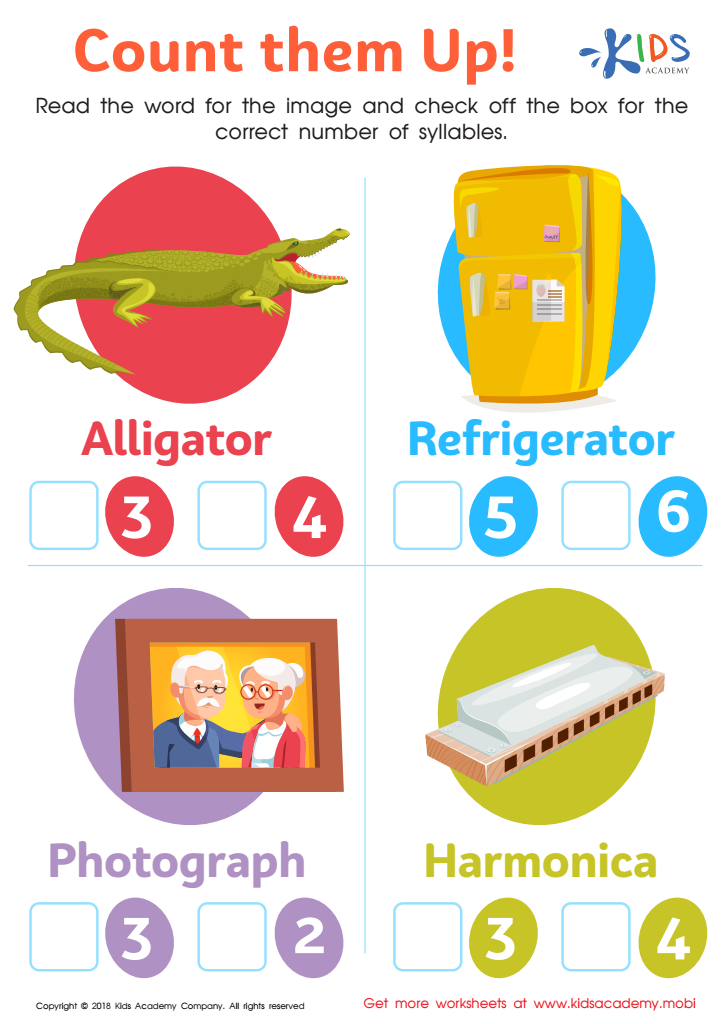
Count Them Up Worksheet
 Assign to My Students











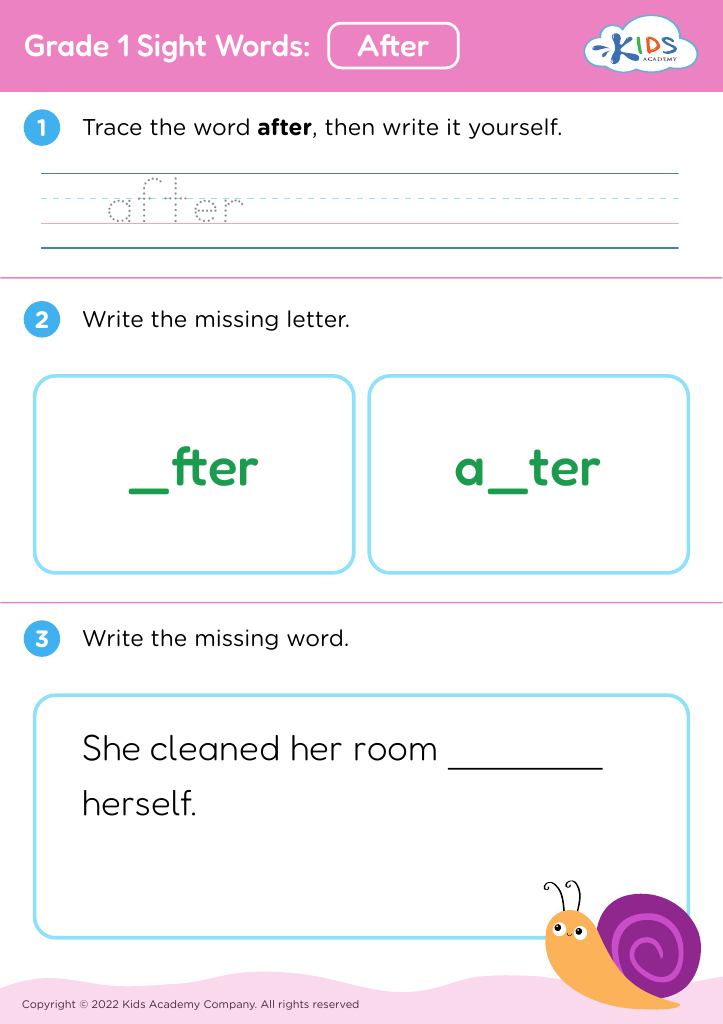
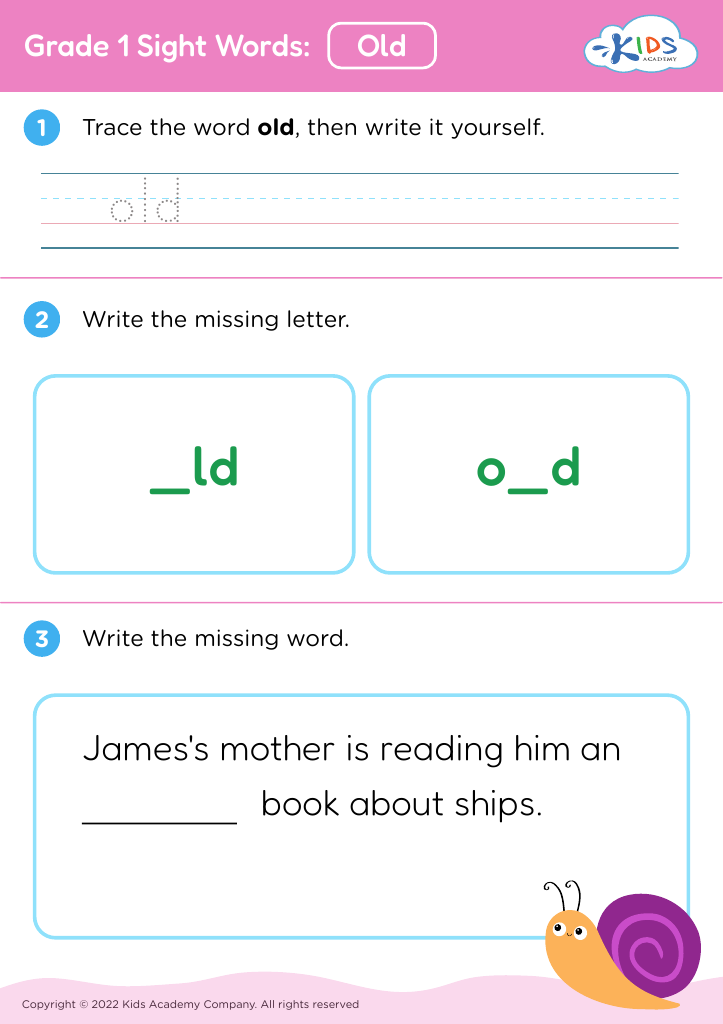
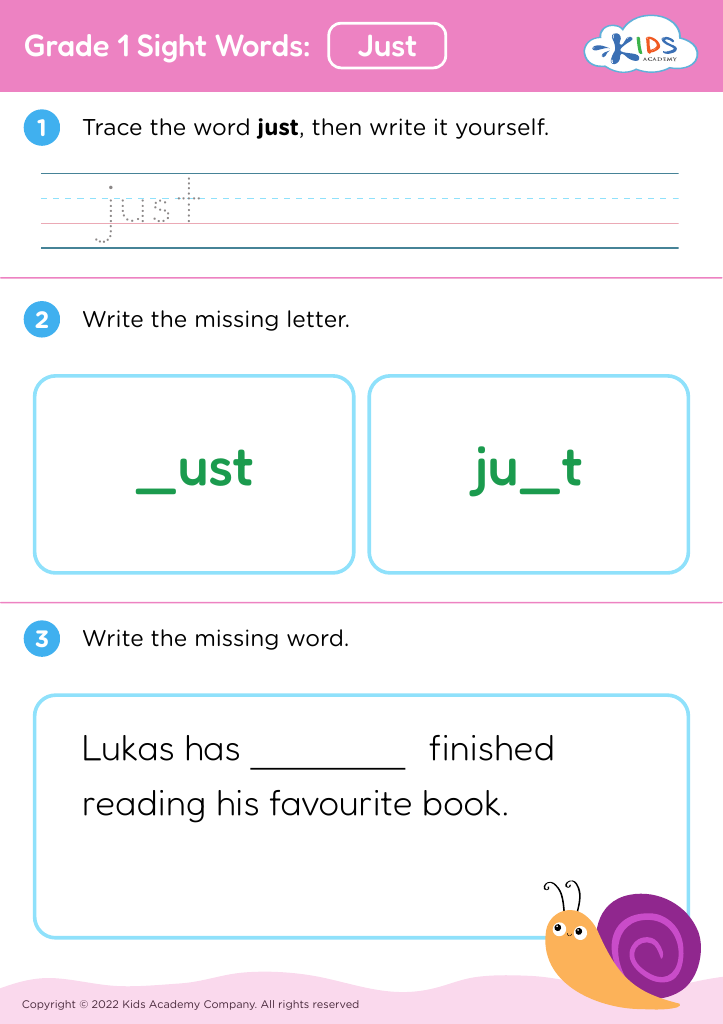
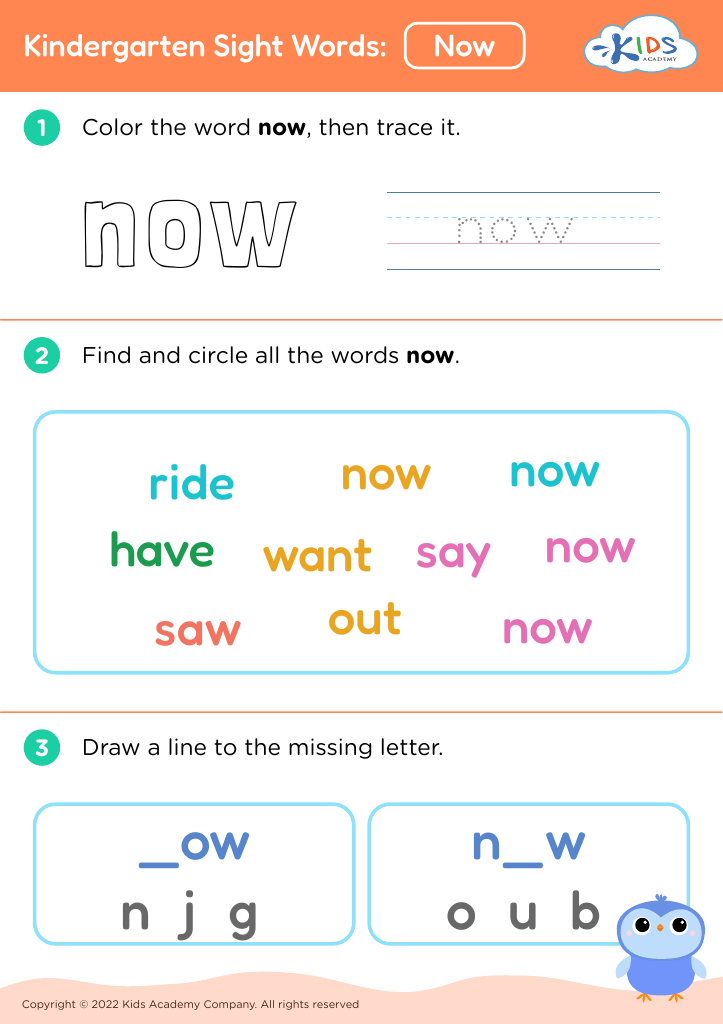
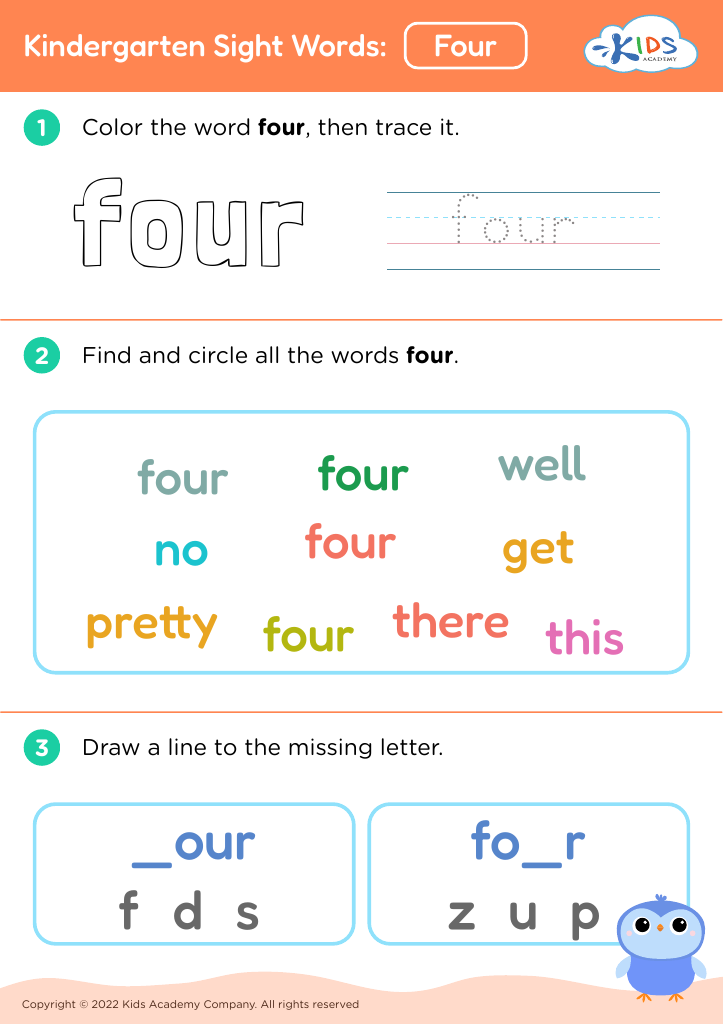
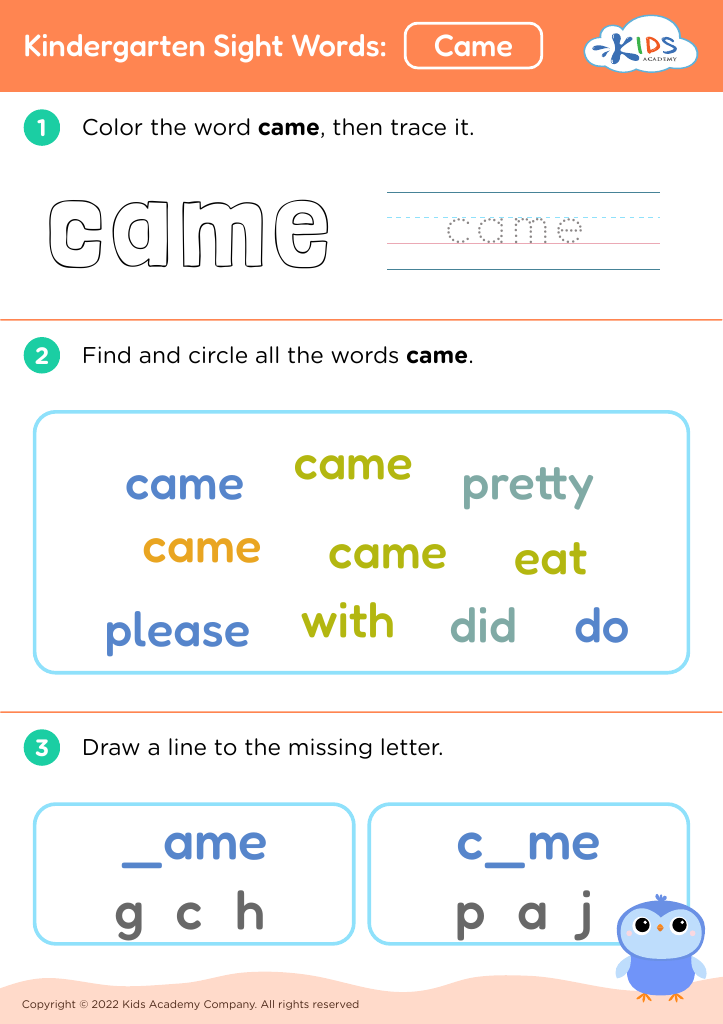








Building a strong vocabulary around basic math skills for children aged 6-9 is crucial for several reasons. At this developmental stage, children are not only learning to perform calculations but also starting to understand mathematical concepts and reasoning. A rich vocabulary helps them articulate their thinking, enabling them to explain their problem-solving processes more effectively.
Math vocabulary introduces key terms such as addition, subtraction, fractions, and geometry. Familiarity with these terms allows children to grasp concepts faster and helps them feel more confident when tackling math problems. Moreover, a strong foundation in math vocabulary supports comprehension in word problems, which are increasingly prevalent in educational curricula.
Understanding mathematical language also fosters communication between children and adults, making it easier for teachers and parents to assess their progress. When parents engage with their children in discussing math vocabulary, it reinforces learning and demonstrates the relevance of math in everyday life.
By prioritizing the development of math vocabulary skills, parents and teachers create a strong foundation for children, paving the way for advanced mathematical thinking and positive attitudes towards the subject as they progress in their education. This, in turn, helps to alleviate math anxiety and builds a lifelong appreciation for mathematics.








