Filters

17 filtered results

Clear all filters
Favorites
With answer key
Interactive

17 filtered results

Difficulty Level

Grade


Enhance your child's foundational math abilities with our engaging Basic Math Skills Reading Worksheets, designed specifically for ages 6-9. These printable resources help young learners develop essential skills through fun and interactive activities. Children will explore important concepts such as addition, subtraction, and number recognition in a friendly, engaging format that makes learning enjoyable. Ideal for both classroom settings and home practice, our worksheets provide clear instructions and colorful visuals to keep children motivated. Support your child's math journey with these effective tools that promote confidence and academic success. Get started today and watch your little mathematician thrive!

Check out this FREE Trial Lesson on Reading for age 6-9!

Decode Multi-syllabic Words

Favorites
With answer key
Interactive
  • 6-9
  • Basic Math Skills
  • Reading
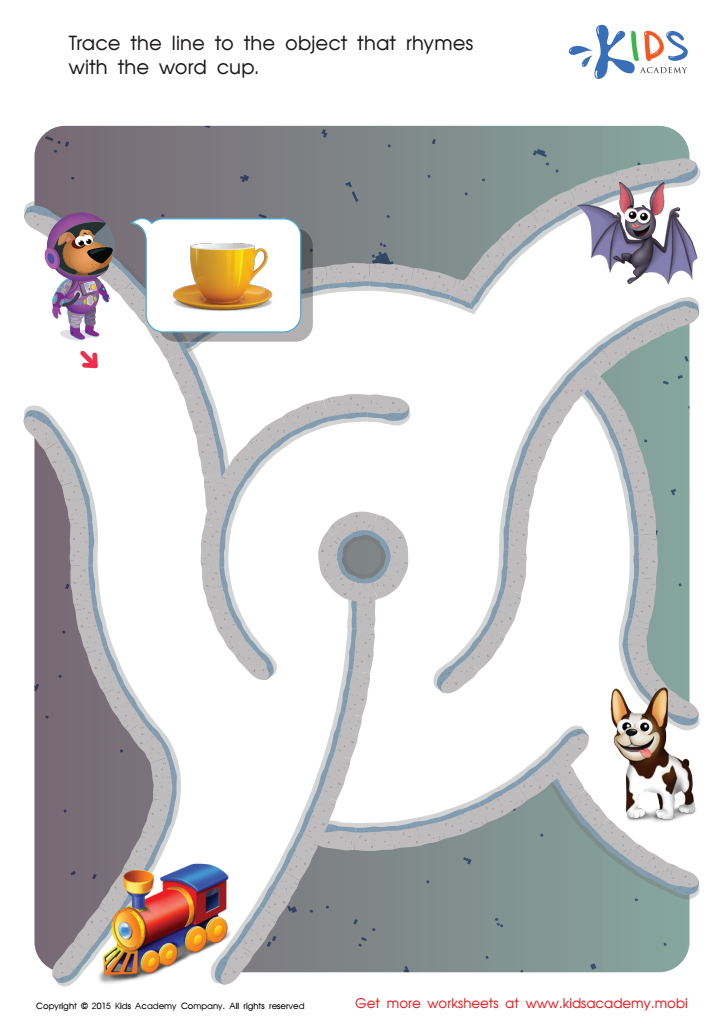
Rhyming Words PDF Worksheets, Cup

Cup Rhyming Words Worksheet

Kids Academy offers funny worksheets to help kids practice their vocabulary. Try the new one with the dog, matching objects to their rhyming words! Explore more activities and worksheets to learn English Language words and phrases.
Cup Rhyming Words Worksheet
Worksheet
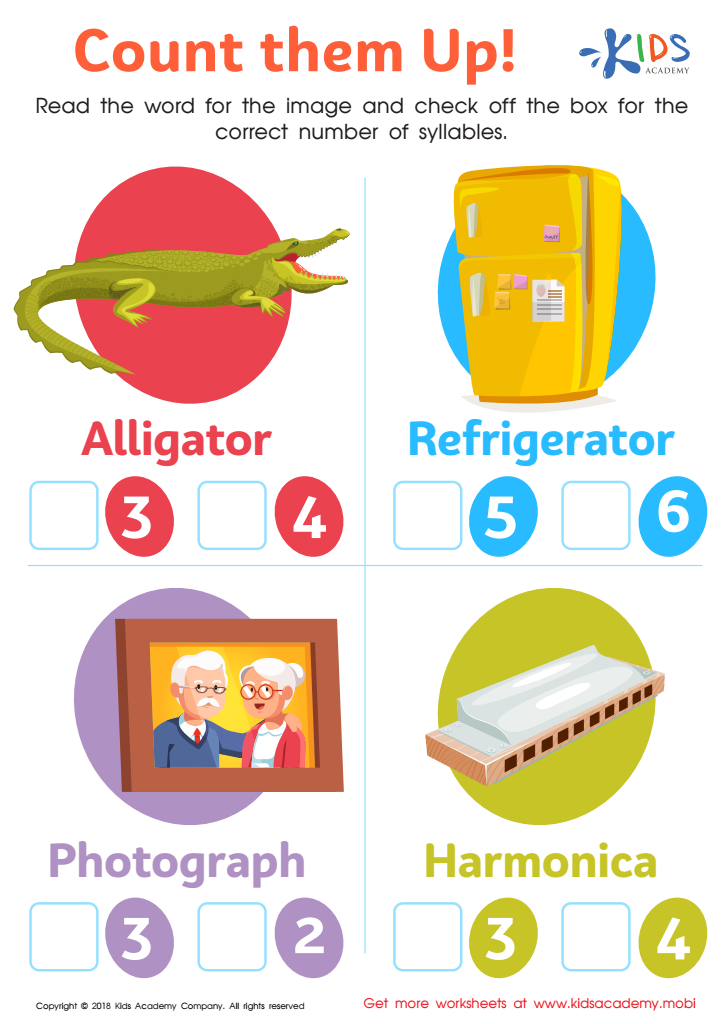
Count Them Up Worksheet

Count Them Up Worksheet

This worksheet has four colorful pictures. Ask your students to identify and name each image, then count the syllables in the word. Make them repeat the word after you, and check off the box with the correct number of syllables. Mastering the art of counting goes beyond numbers. Get your students counting syllables with this activity!
Count Them Up Worksheet
Worksheet
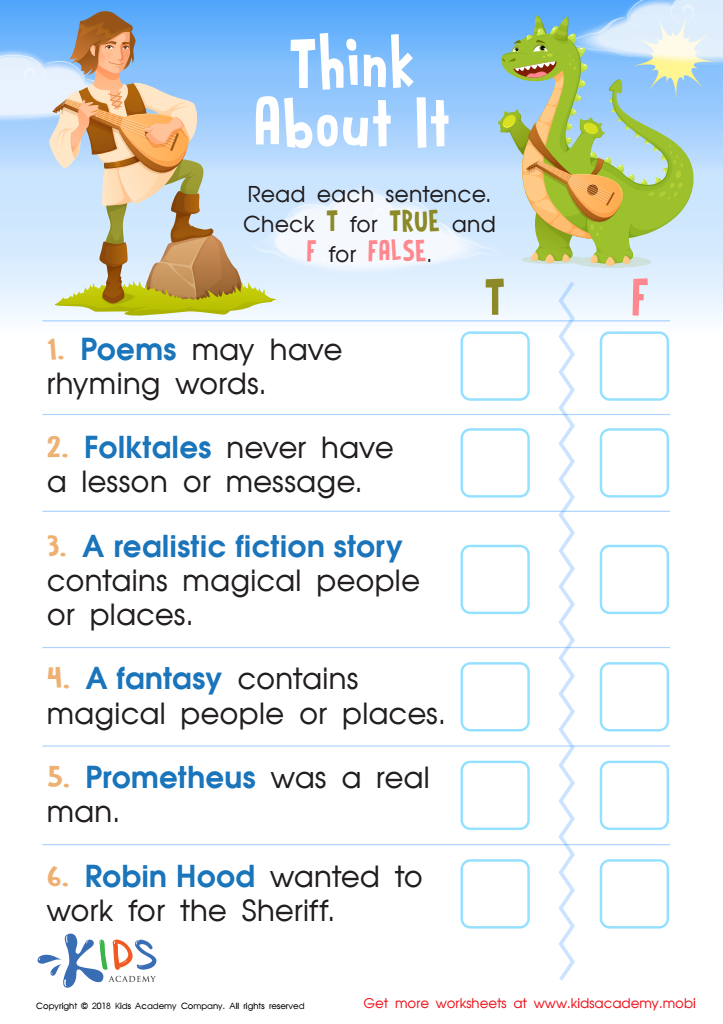
Think About It: Assessment Worksheet
Think About It: Assessment Worksheet
Reading is a fun and important way to learn. Help your students become better readers with this simple yet colorful worksheet. Read each sentence aloud, then have them read it by themselves. Ask them to check T for True and F for False. It's a great way to practice their reading skills!
Think About It: Assessment Worksheet
Worksheet
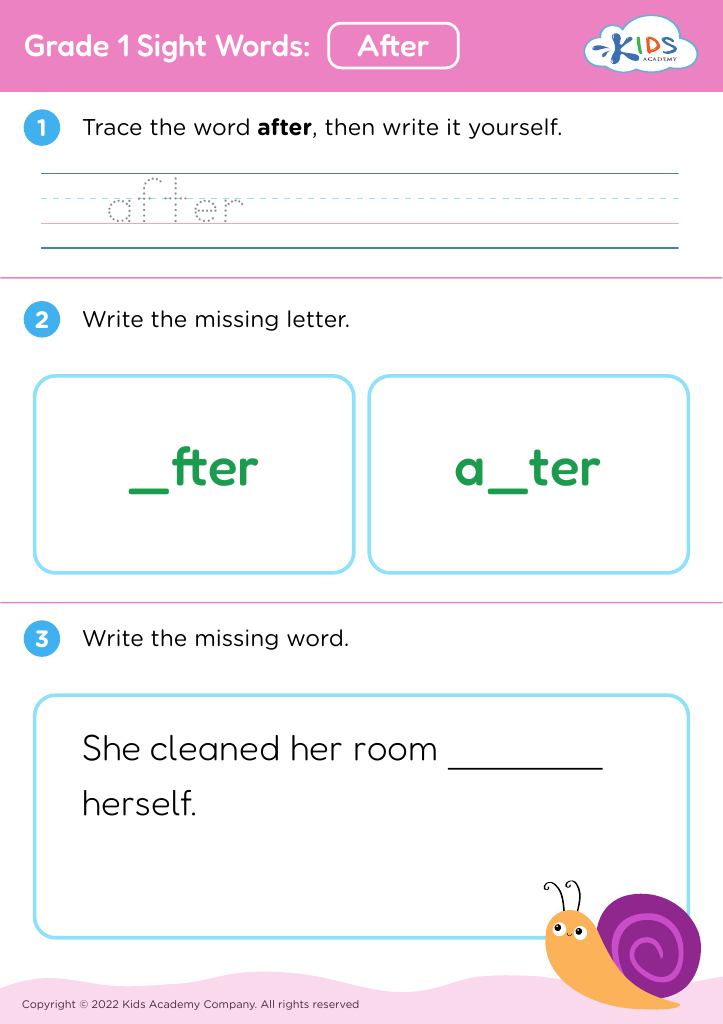
Grade 1 Sight Words: After

Grade 1 Sight Words: After

Grade 1 Sight Words: After
Worksheet
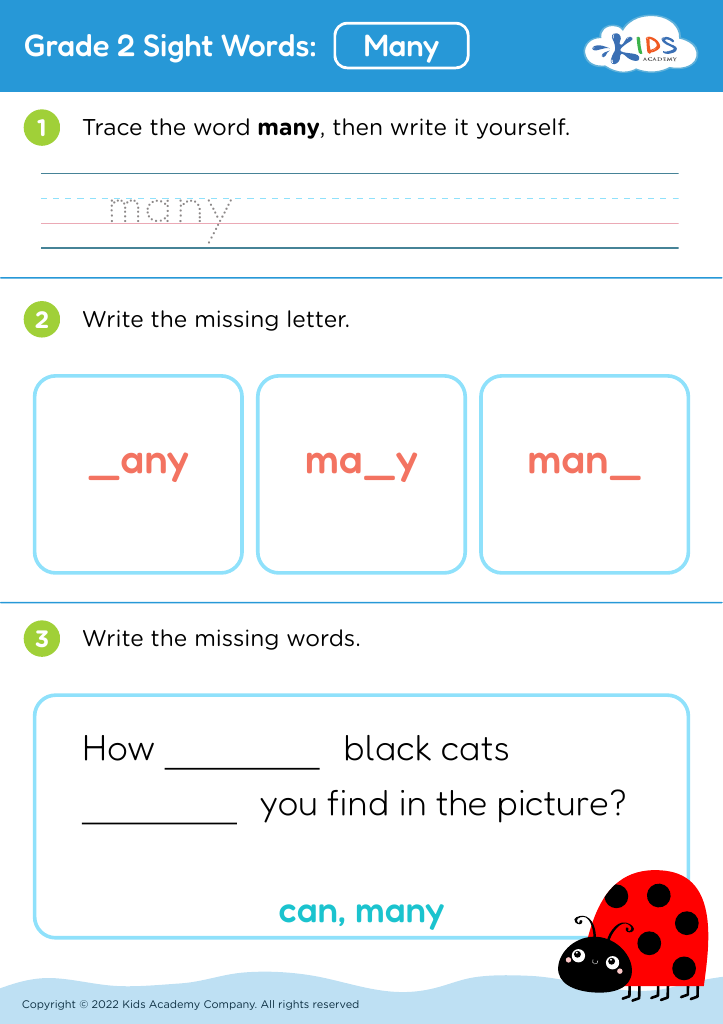
Grade 2 Sight Words: Many

Grade 2 Sight Words: Many

Grade 2 Sight Words: Many
Worksheet
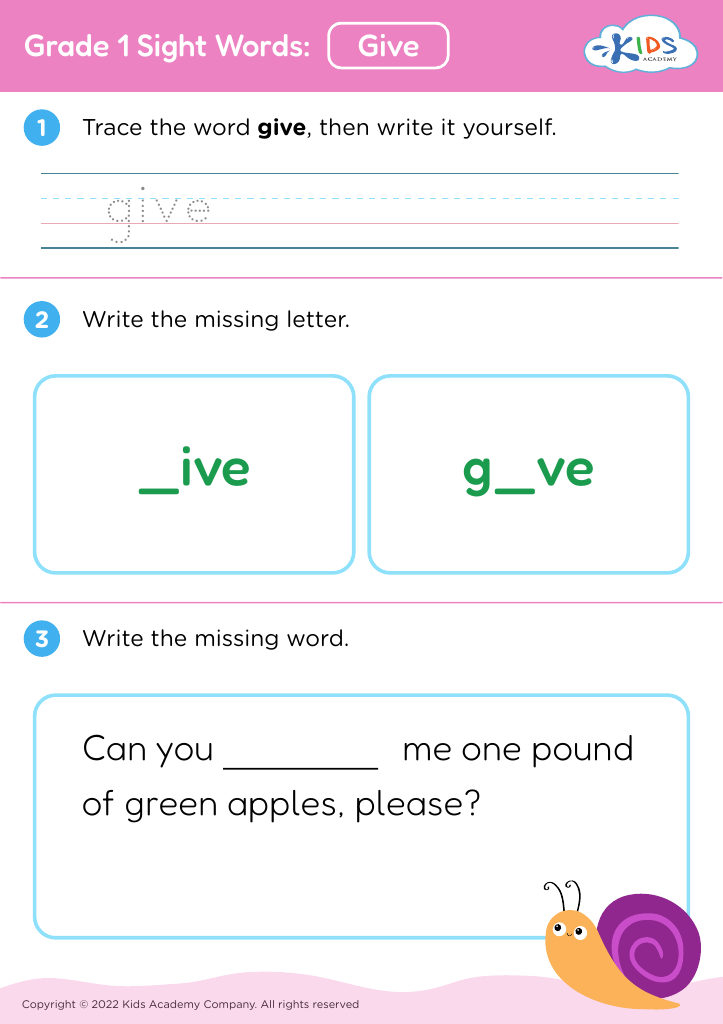
Grade 1 Sight Words: Give

Grade 1 Sight Words: Give

Grade 1 Sight Words: Give
Worksheet
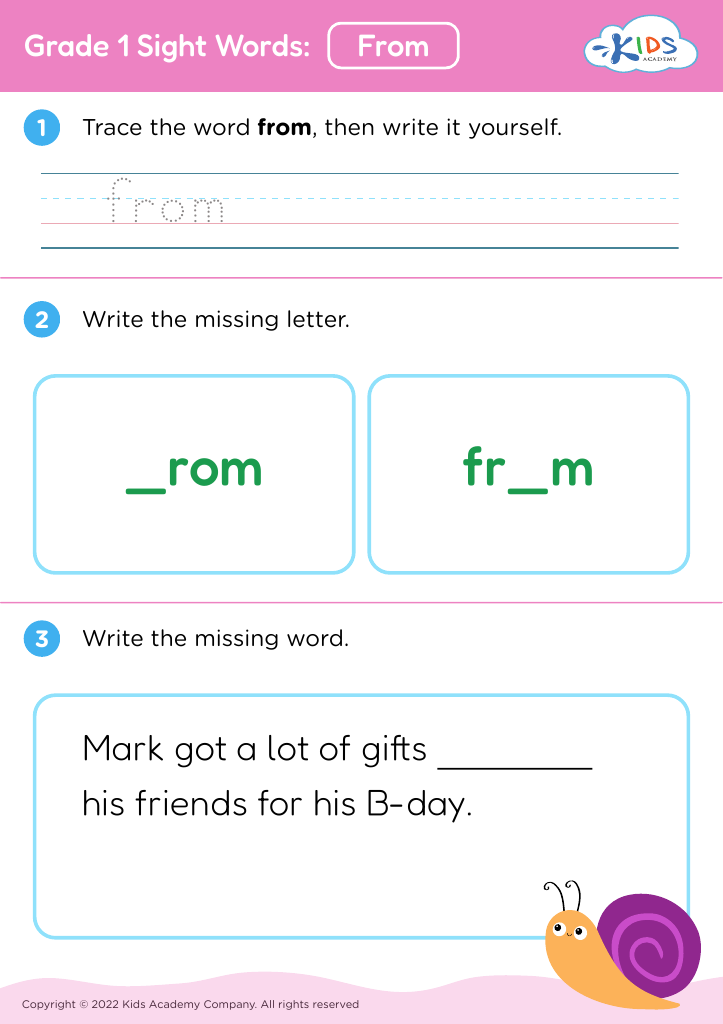
Grade 1 Sight Words: From

Grade 1 Sight Words: From

Grade 1 Sight Words: From
Worksheet
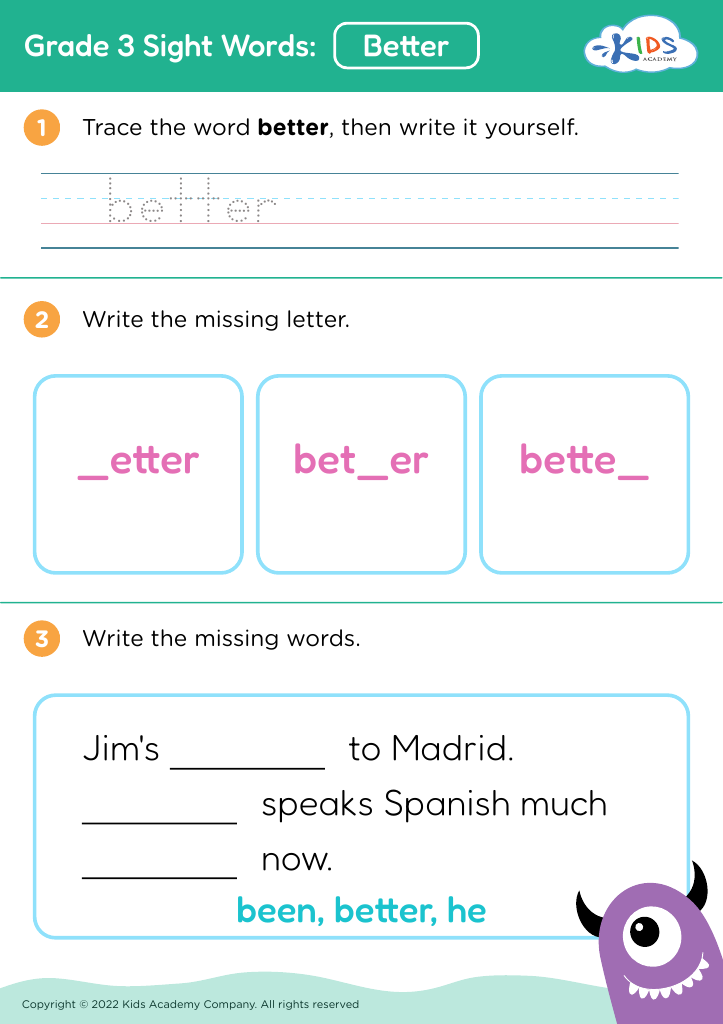
Grade 3 Sight Words: Better

Grade 3 Sight Words: Better

Grade 3 Sight Words: Better
Worksheet
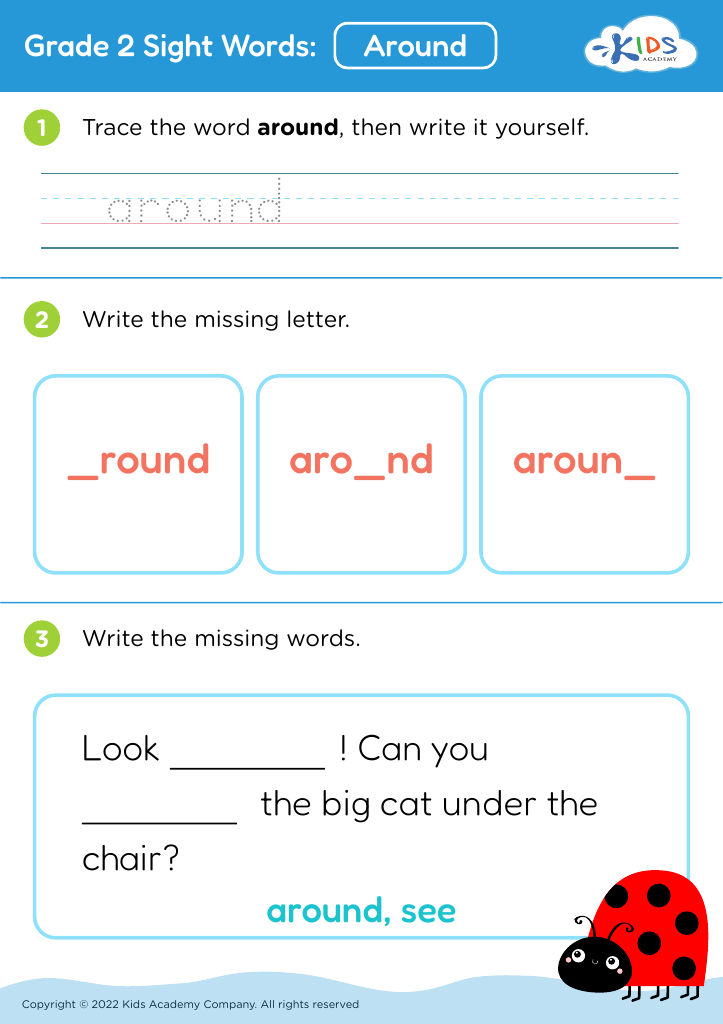
Grade 2 Sight Words: Around

Grade 2 Sight Words: Around

Grade 2 Sight Words: Around
Worksheet
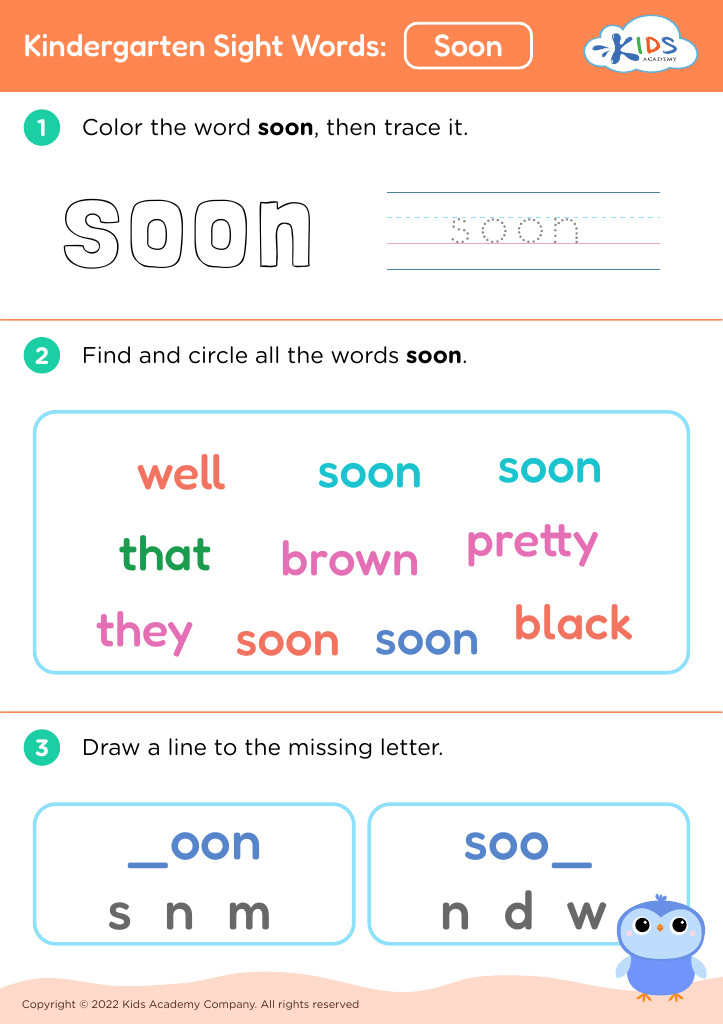
Kindergarten Sight Words: Soon

Kindergarten Sight Words: Soon

Kindergarten Sight Words: Soon
Worksheet
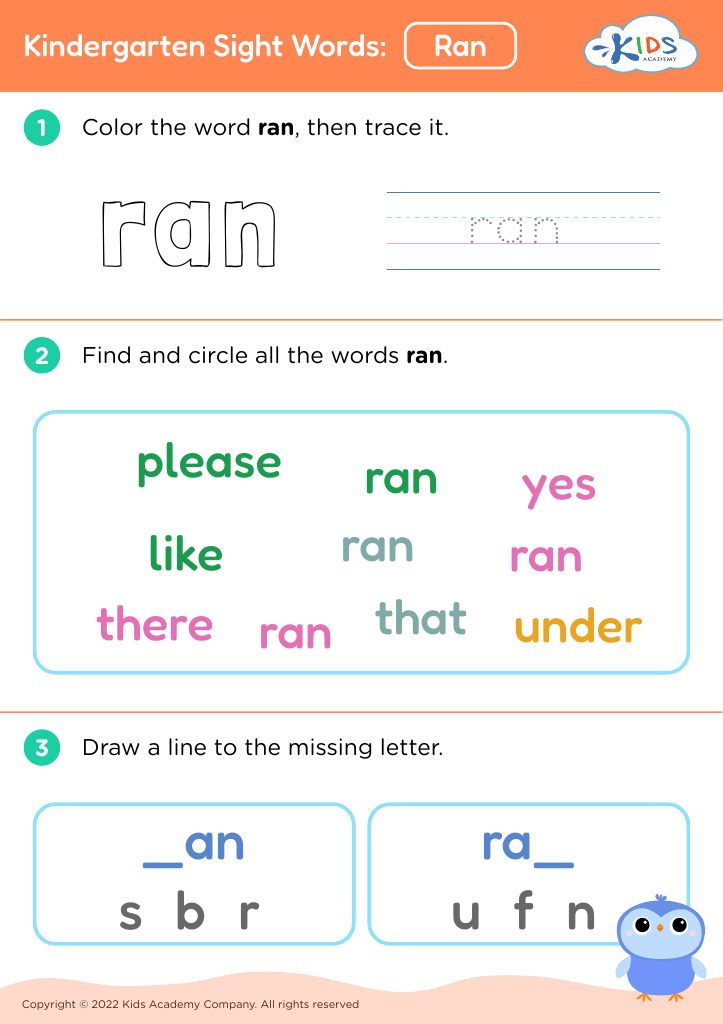
Kindergarten Sight Words: Ran

Kindergarten Sight Words: Ran

Kindergarten Sight Words: Ran
Worksheet
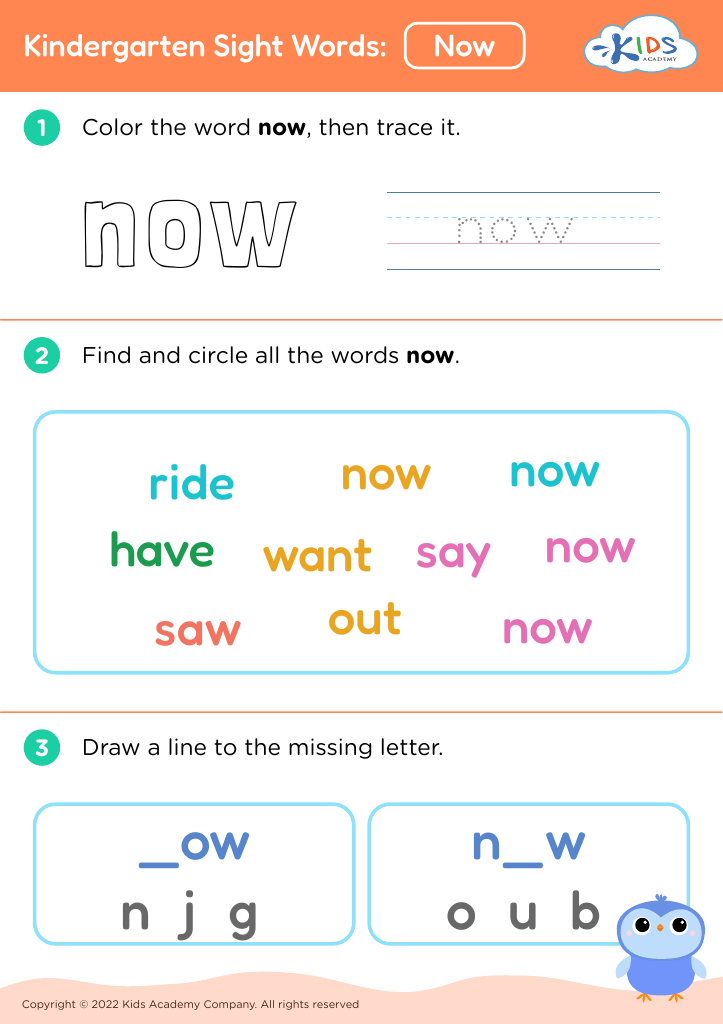
Kindergarten Sight Words: Now

Kindergarten Sight Words: Now

Kindergarten Sight Words: Now
Worksheet
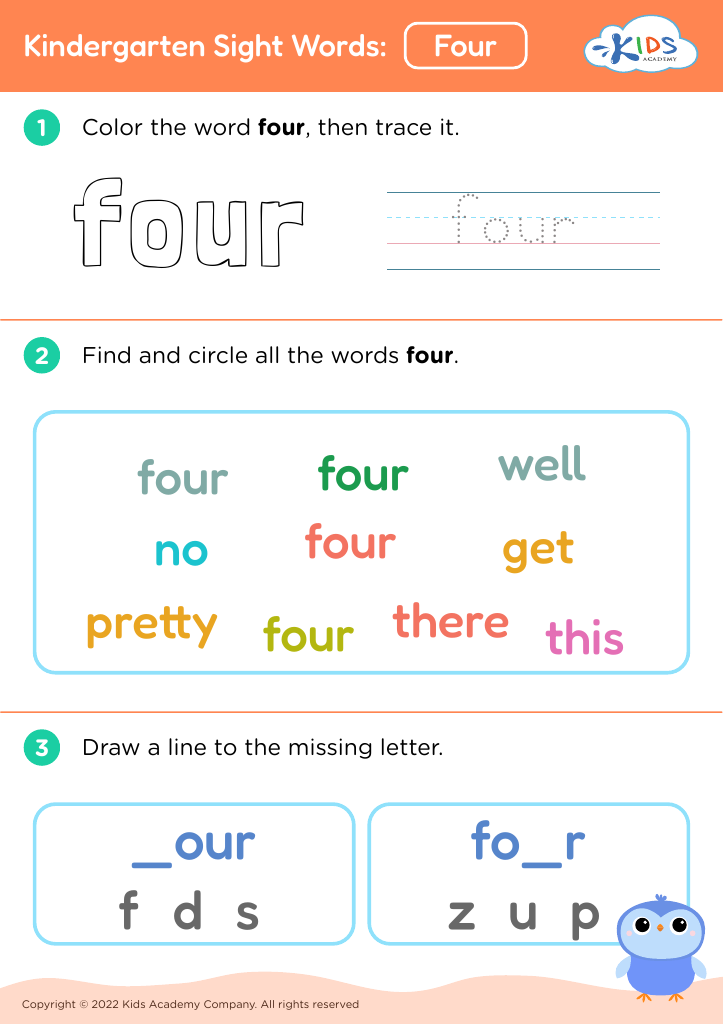
Kindergarten Sight Words: Four

Kindergarten Sight Words: Four

Kindergarten Sight Words: Four
Worksheet
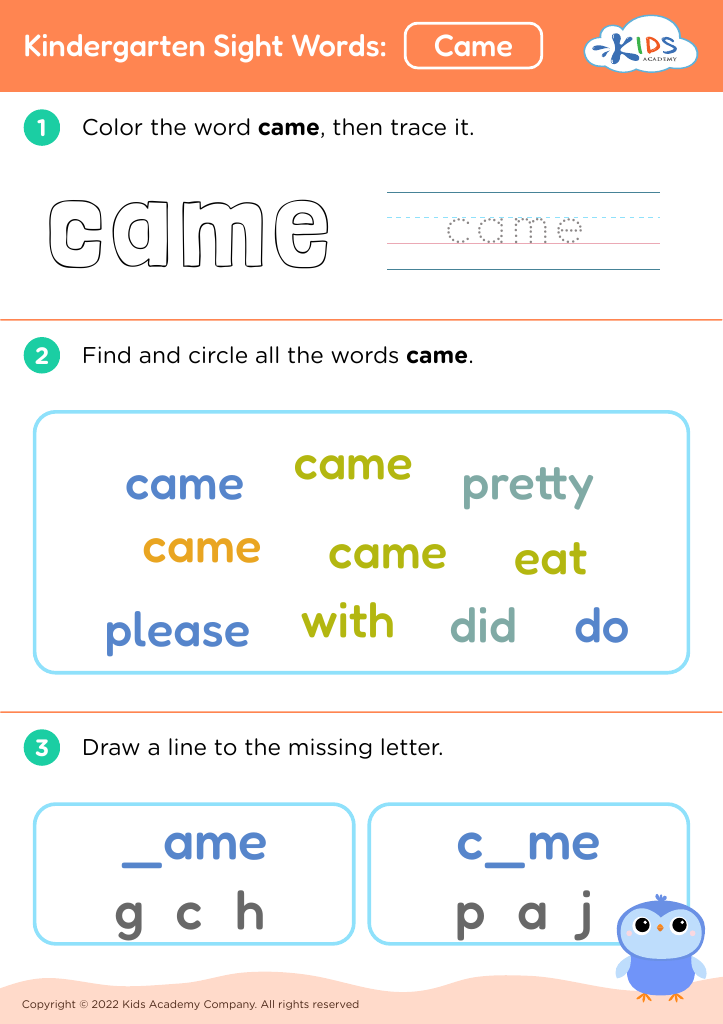
Kindergarten Sight Words: Came

Kindergarten Sight Words: Came

Kindergarten Sight Words: Came
Worksheet
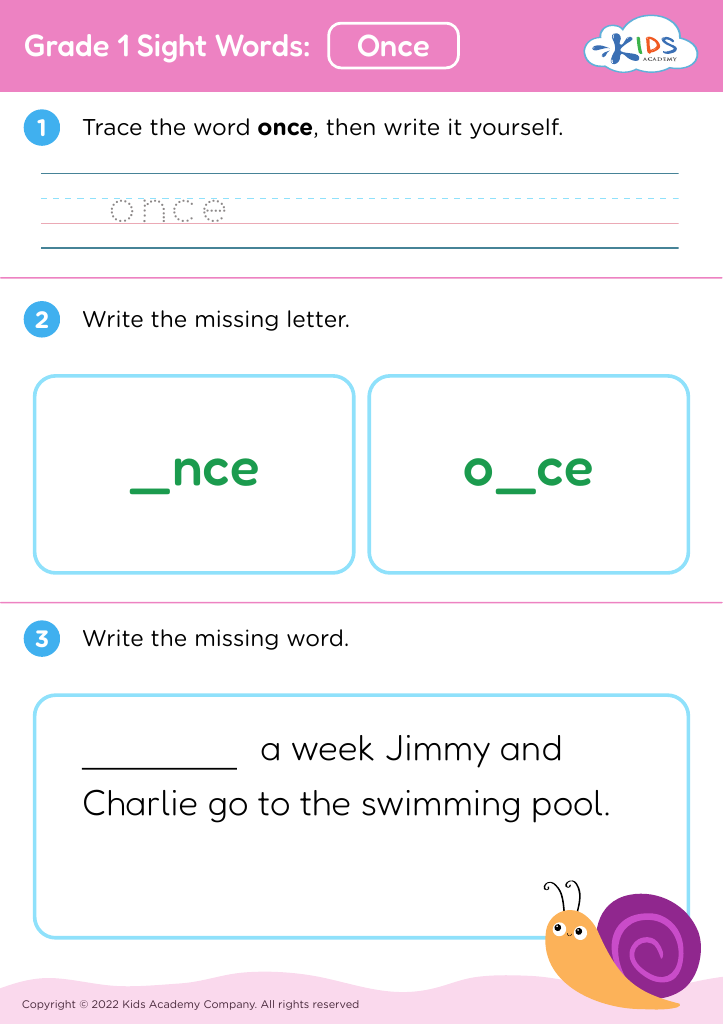
Grade 1 Sight Words: Once

Grade 1 Sight Words: Once

Grade 1 Sight Words: Once
Worksheet
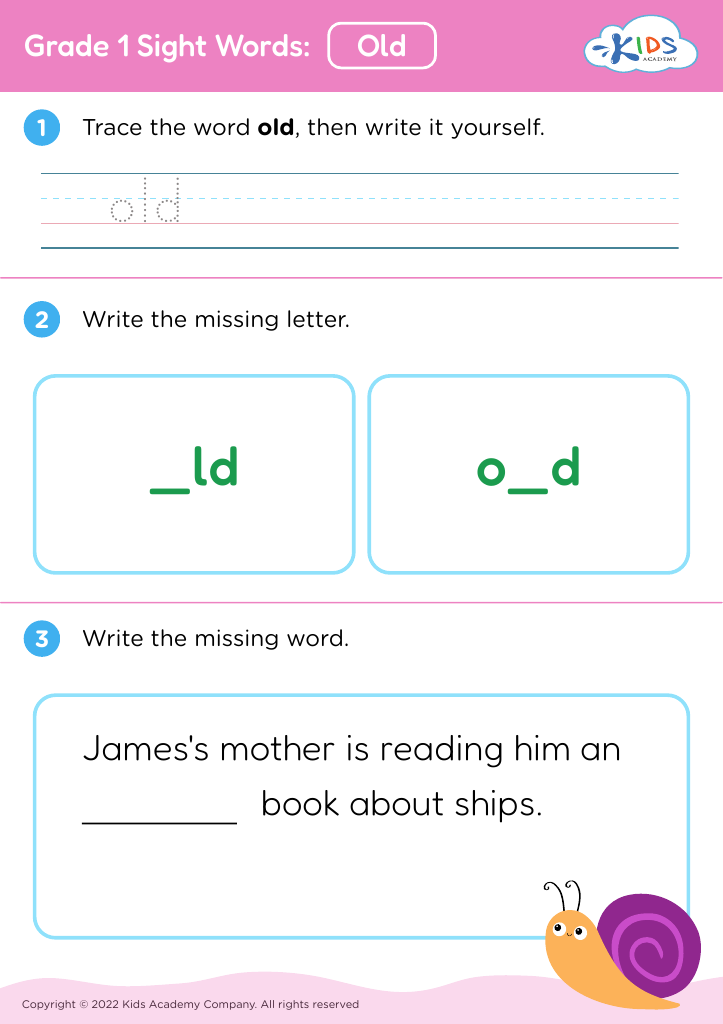
Grade 1 Sight Words: Old

Grade 1 Sight Words: Old

Grade 1 Sight Words: Old
Worksheet
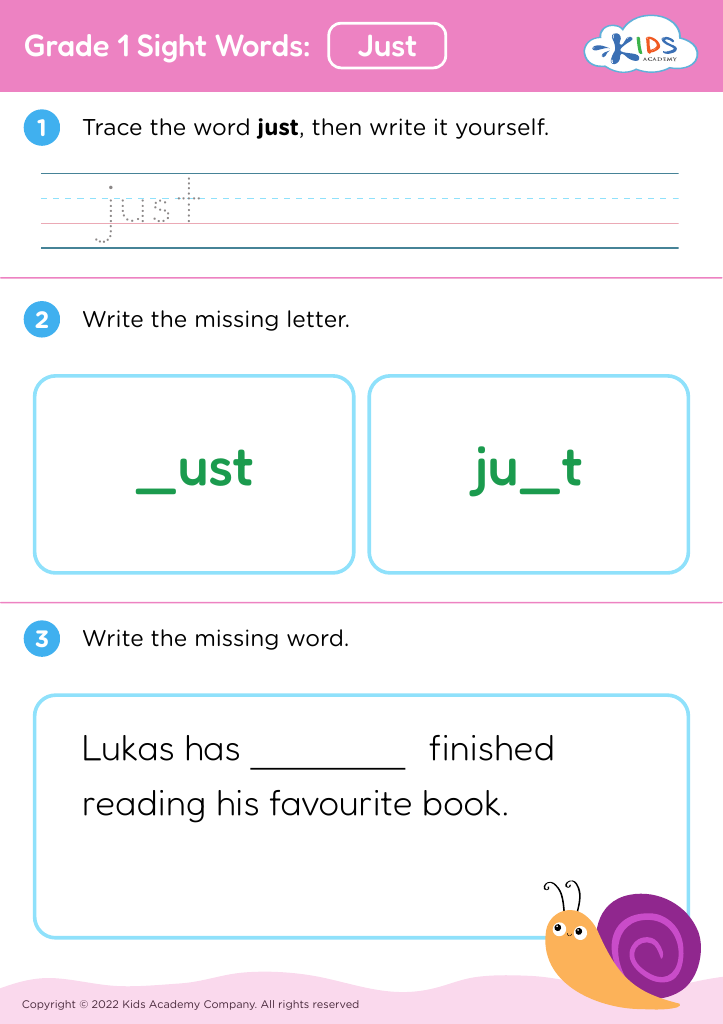
Grade 1 Sight Words: Just

Grade 1 Sight Words: Just

Grade 1 Sight Words: Just
Worksheet


Basic math skills are crucial for children aged 6-9, as they form the foundation for more advanced concepts later in their education. During these formative years, children are developing critical thinking abilities and problem-solving skills. Engaging with basic math helps them understand fundamental concepts such as addition, subtraction, multiplication, and division. These skills promote logical reasoning, enhancing their ability to tackle everyday problems.

Moreover, reading skills are intertwined with mathematical comprehension. Children need to understand vocabulary and context to solve word problems effectively. By promoting reading alongside math, parents and teachers can foster greater literacy and numeracy skillsets, which supports overall academic achievement.

Additionally, confidence in math can influence a child's attitude toward learning. Those who can grasp basic math skills early are likelier to enjoy the subject and pursue it further. This self-assurance can benefit their performance across other subject areas.

Parents and teachers play a pivotal role in creating a supportive environment for practicing these skills, ensuring children are well-prepared for future challenges. Investing time and resources in developing basic math and reading abilities during this stage lays a powerful foundation for lifelong learning and future success.