Enhancing calculation skills Reading Worksheets for Ages 6-9
3 filtered results
-
From - To
Welcome to our "Enhancing Calculation Skills" reading worksheets designed specifically for children aged 6-9! These engaging and interactive worksheets combine essential reading practice with foundational math skills, promoting a holistic approach to learning. Each worksheet features fun scenarios that challenge students to apply their reading comprehension and calculation abilities in real-life contexts. Whether your child is strengthening their addition and subtraction skills or exploring problem-solving strategies, our resources cater to various learning styles. Help your little learner build confidence and competence in both reading and math with our creative worksheets, perfectly crafted to spark a love for learning. Dive in today!
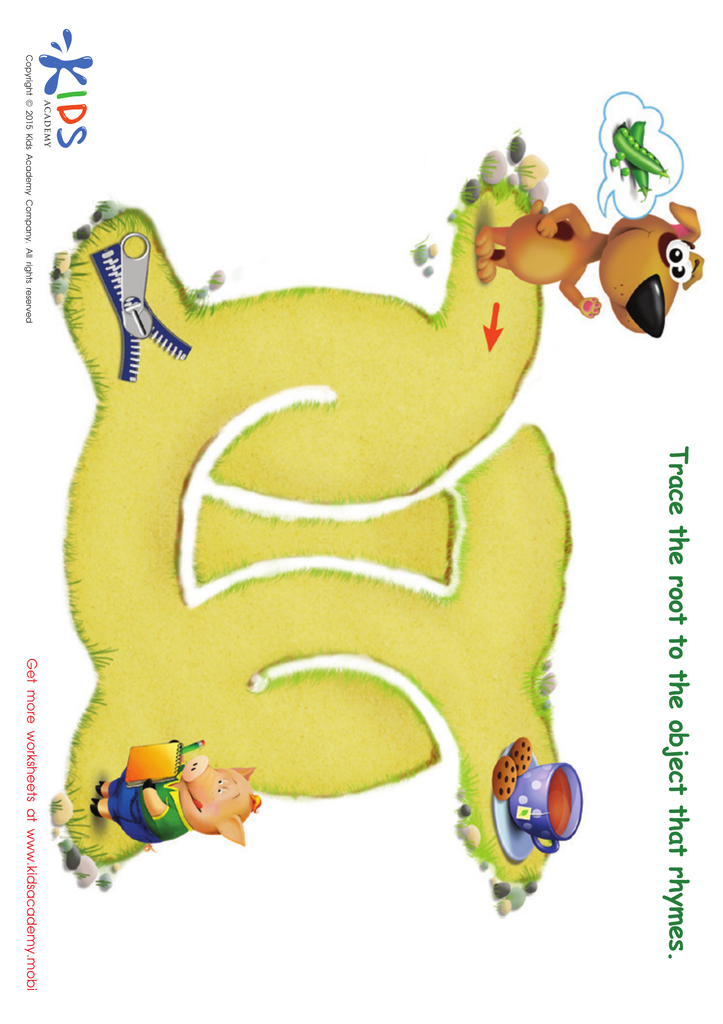
Pea Rhyming Words Worksheet
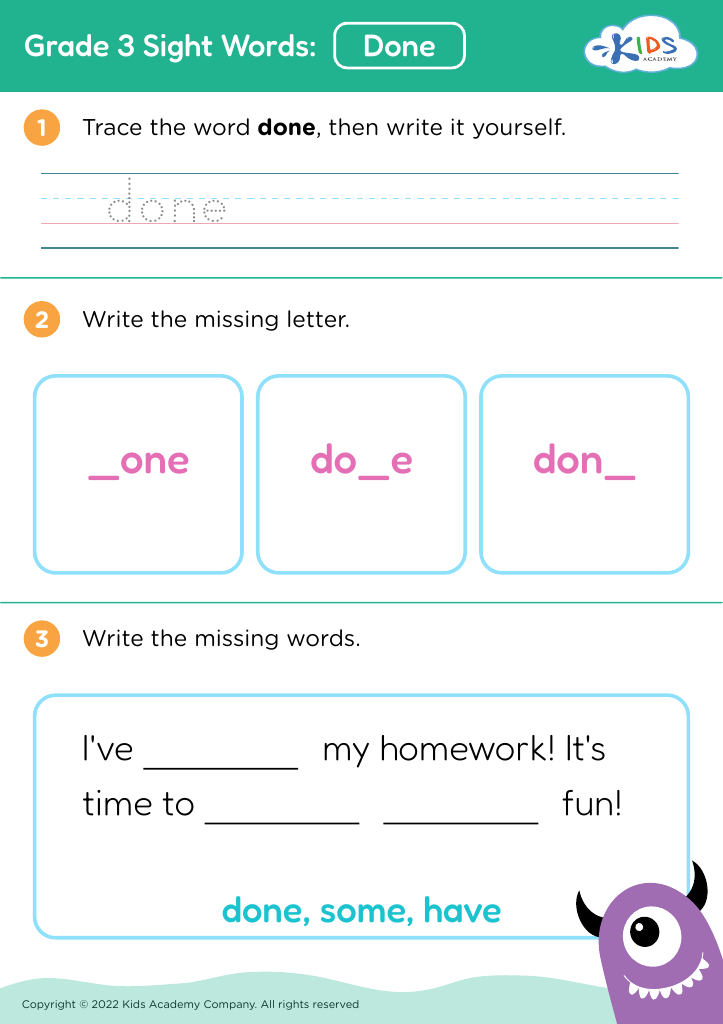
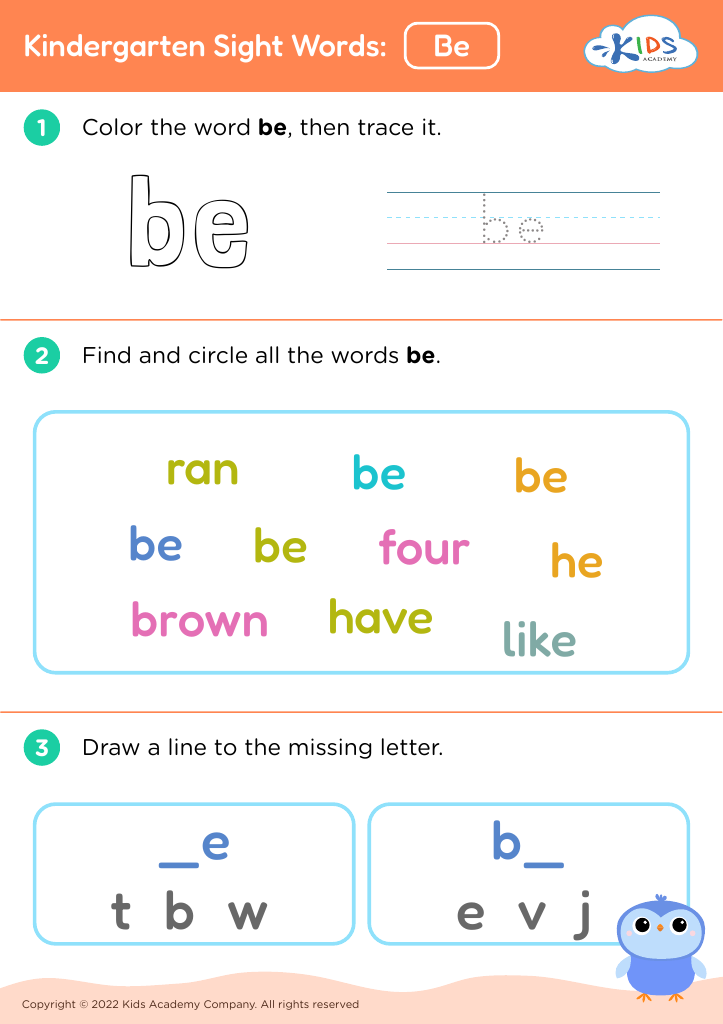








Enhancing calculation skills in reading for ages 6-9 is essential for several reasons. First, this stage in a child's development is critical for building foundational skills across subjects, particularly math and literacy. By intertwining calculation practice with reading activities, children not only improve their arithmetic abilities but also develop comprehension skills as they learn to interpret problems and discuss solutions.
Secondly, strong calculation skills contribute to a child's overall confidence in school. When children successfully navigate mathematical concepts within reading contexts, they experience a sense of achievement that encourages perseverance and a positive attitude toward learning challenges. This confidence can foster a lifelong love for education.
Moreover, calculation skills are vital for real-world applications. Children learn to manage everyday tasks involving numbers, such as understanding prices while shopping or measuring ingredients in cooking, which enhances their practical life skills.
Lastly, by supporting and enhancing these skills, parents and teachers play a crucial role in preparing children for future academic success. Skills acquired during this formative period will influence not just future math performance but overall cognitive development, critical thinking abilities, and adaptive problem-solving—essential traits for navigating an increasingly complex world. Therefore, elevating these skills should be a priority for parents and educators alike.








