
Understanding symmetry Reading Worksheets for Ages 6-9
5 filtered results
Difficulty Level
Grade
Age
-
From - To
Subject
Activity
Standards
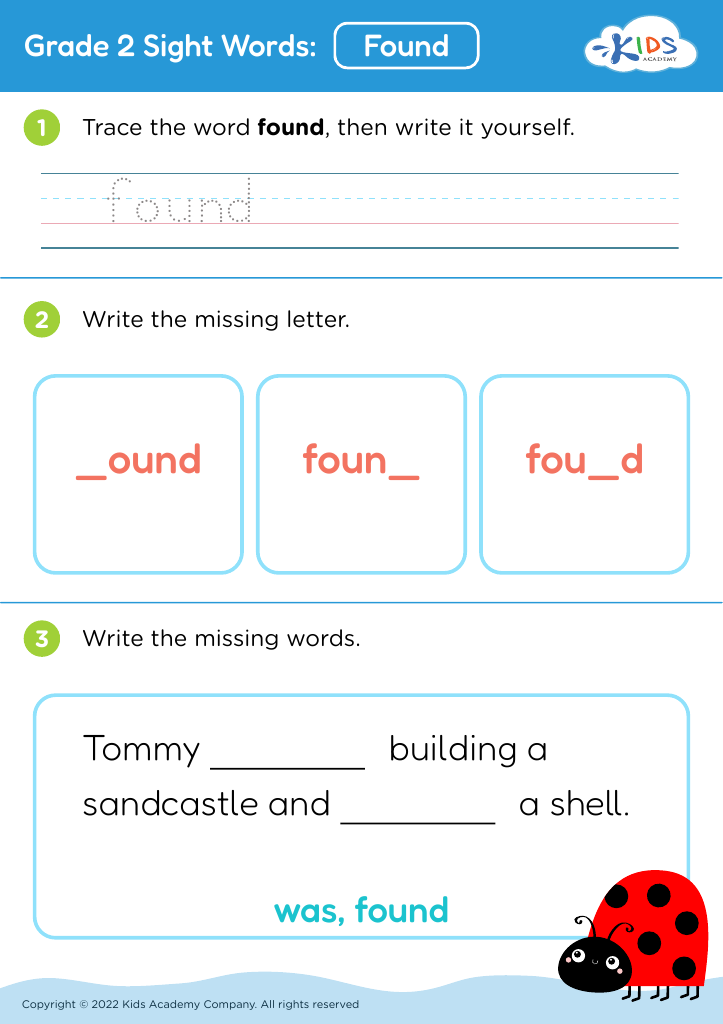
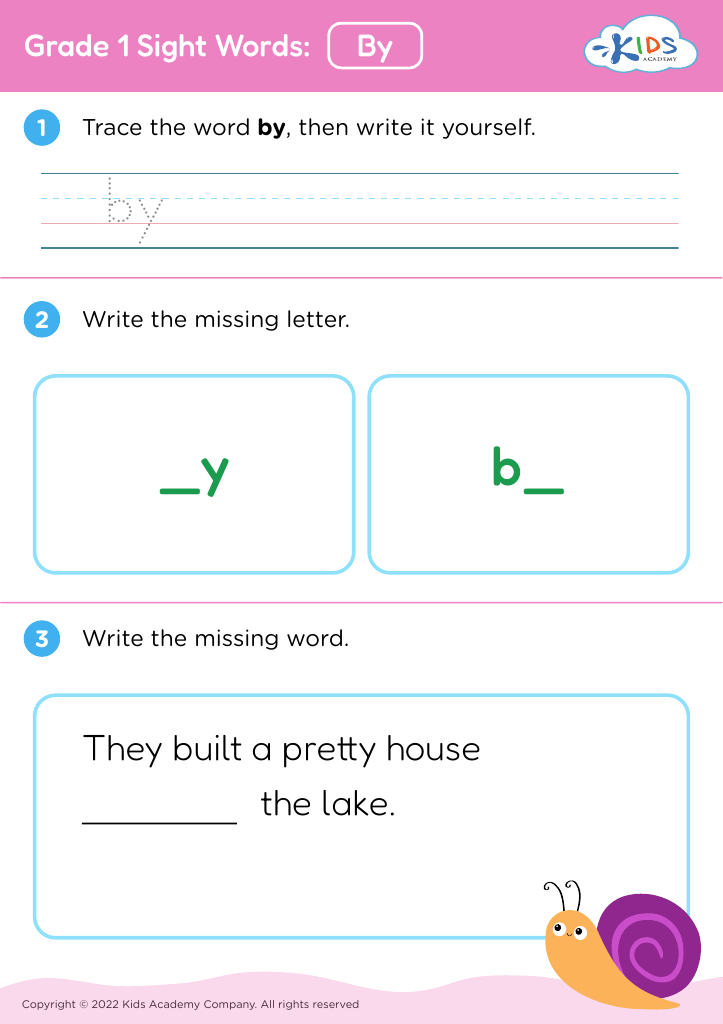
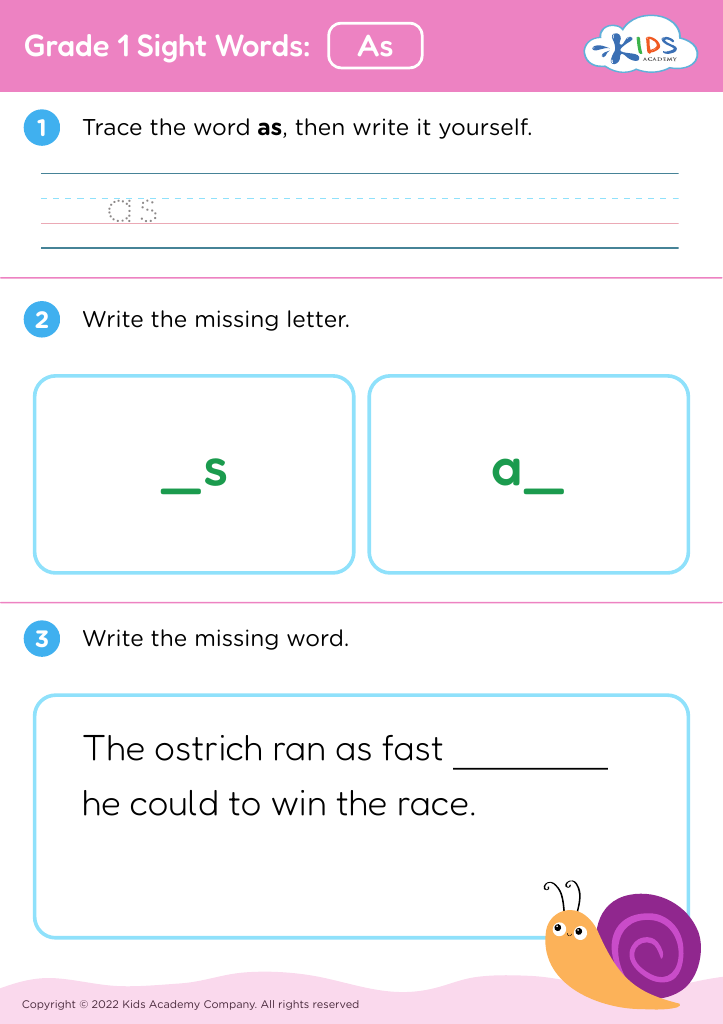
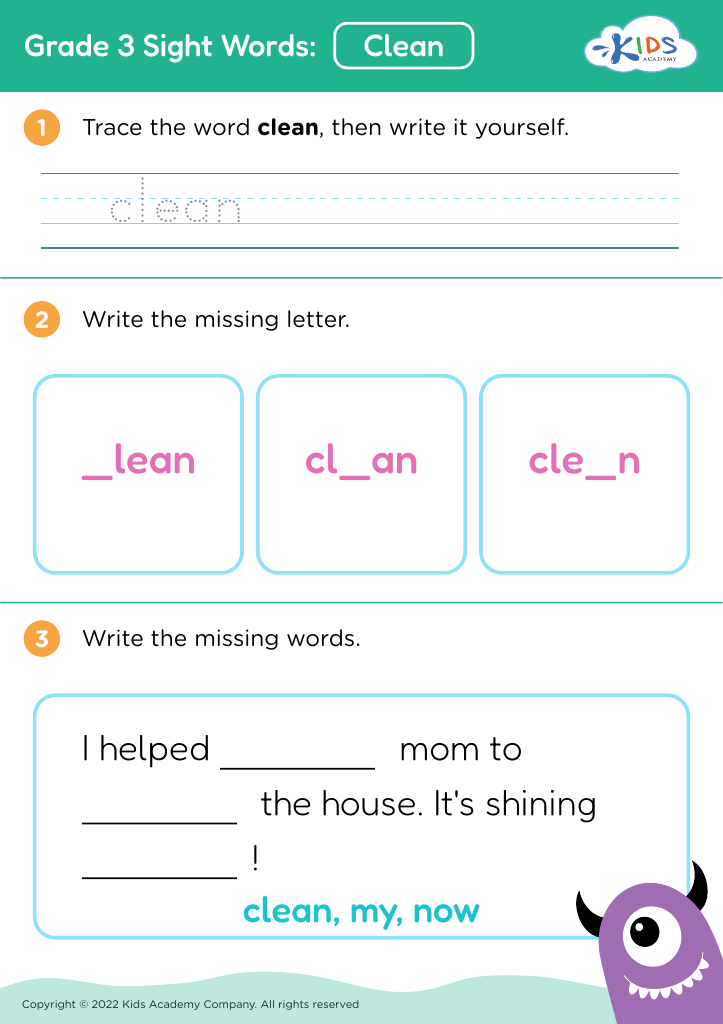
Discover the fascinating world of symmetry with our engaging Reading Worksheets designed for children ages 6-9. These worksheets help young learners grasp the concept of symmetry through interactive activities that blend education and fun. Perfect for early grade teachers and homeschooling parents, our resources encourage critical thinking and observation skills as children explore symmetrical shapes and patterns. With vibrant illustrations and easy-to-follow instructions, students will enjoy enhancing their reading abilities while deepening their understanding of symmetry in every-day life. Foster a love for learning and creativity with our thoughtfully curated materials that inspire young minds. Explore the symmetry today!
Favorites
With answer key
Interactive
Join Kids Academy for Free
Who is primarily going to use this learning content?








Parents and teachers should care about understanding symmetry for children ages 6-9 because it plays a critical role in developing foundational mathematical and cognitive skills. Symmetry is not just a mathematical concept; it helps children grasp balance, proportion, and harmony in everyday life. By recognizing and exploring symmetry, children enhance their observational skills, which aids in problem-solving and critical thinking.
Furthermore, symmetry is present in art, nature, and architecture, making it an engaging and relatable topic for young learners. This engagement fosters creativity as children experiment with symmetrical patterns in drawings or crafts, deepening their comprehension of shapes and their properties.
Additionally, introducing symmetry can support early literacy development through integrated learning. By discussing shapes, patterns, and their symmetrical partners, teachers and parents can enhance vocabulary and language skills while fostering an analytical mindset. This hands-on learning experience demonstrates that math connections extend beyond textbooks, making the subject more compelling and accessible.
In summary, nurturing an understanding of symmetry enriches children’s educational journeys, equipping them with vital skills that are transferrable across disciplines, thereby preparing them for future academic success.








