Vocabulary Building Reading Worksheets for Ages 6-9
30 filtered results
-
From - To
Enhance your child's language skills with our engaging Vocabulary Building Reading Worksheets designed for ages 6-9! These interactive worksheets foster vocabulary development through fun exercises, including word matching, fill-in-the-blank activities, and synonym identification. Tailored for young learners, they provide a perfect blend of education and entertainment, making learning enjoyable. Our resources not only improve word comprehension but also support reading fluency, allowing children to express themselves effectively. Parents and educators appreciate our easy-to-use printable format, which seamlessly integrates into homeschooling or classroom activities. Start cultivating a love for words and boost your child's vocabulary today with our fantastic worksheets!
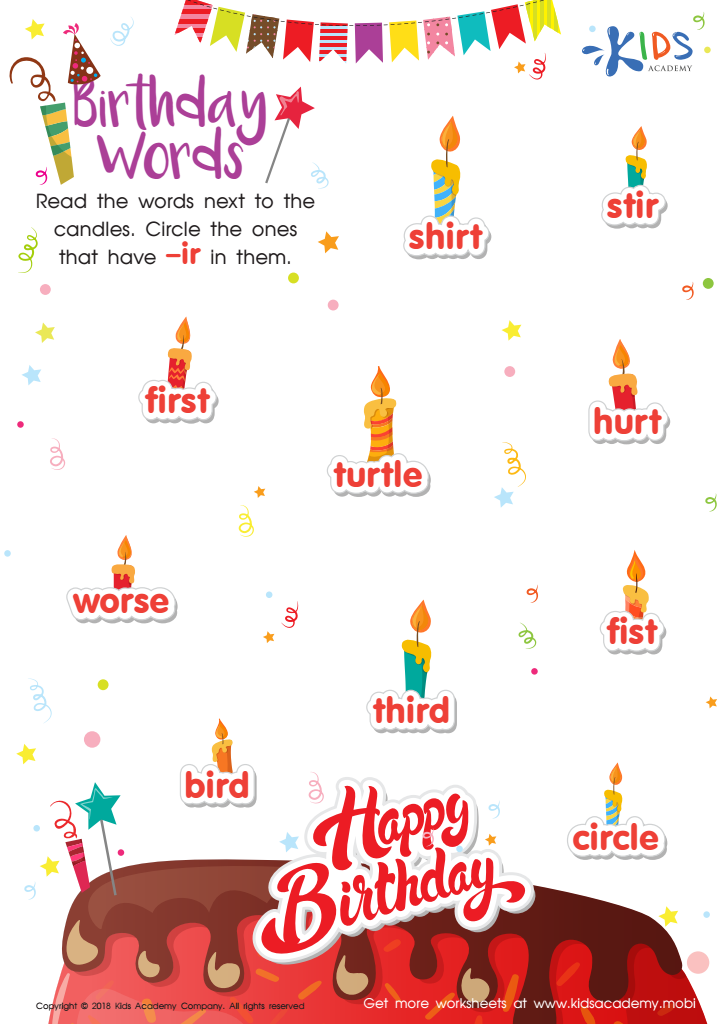
Birthday Words Worksheet
 Assign to My Students
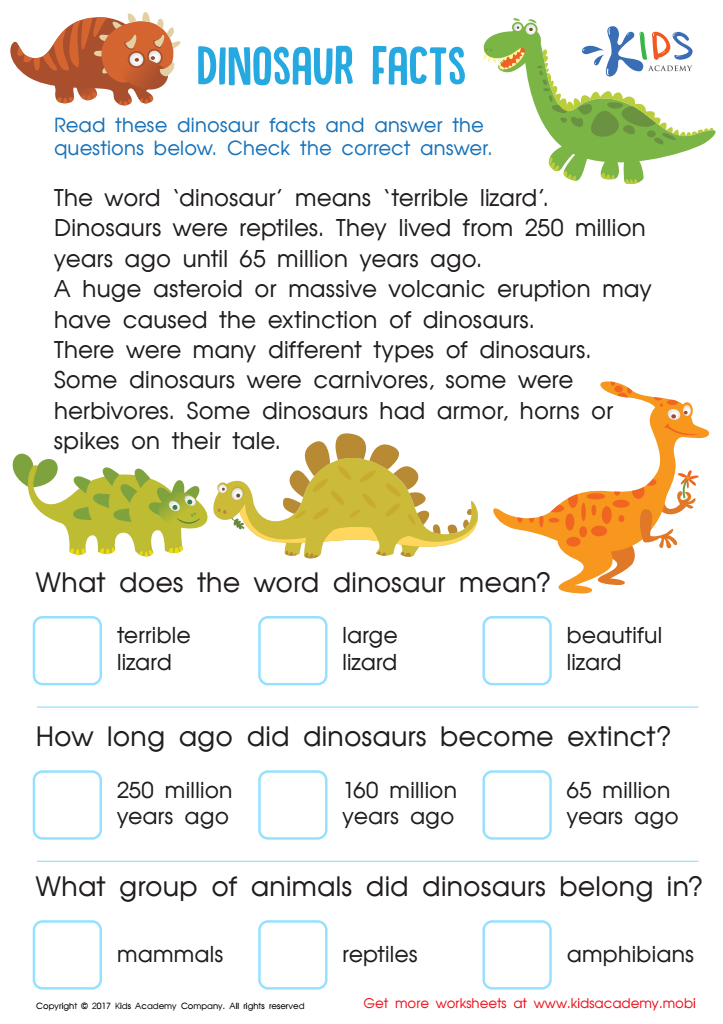
Dinosaur Facts Worksheet
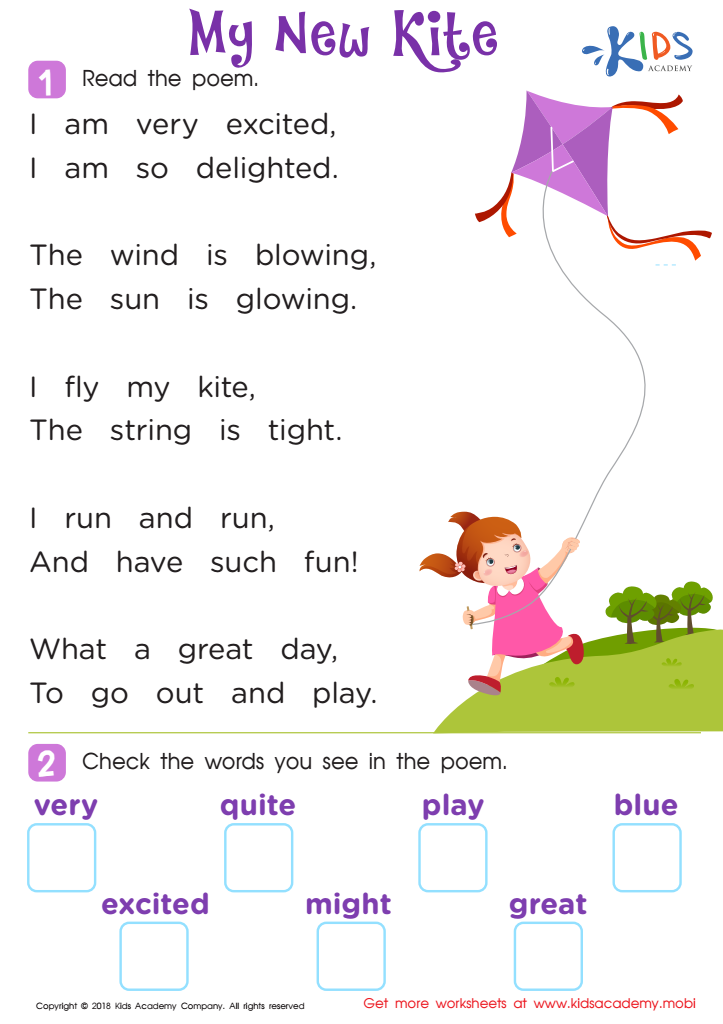
Poem: My New Kite Worksheet
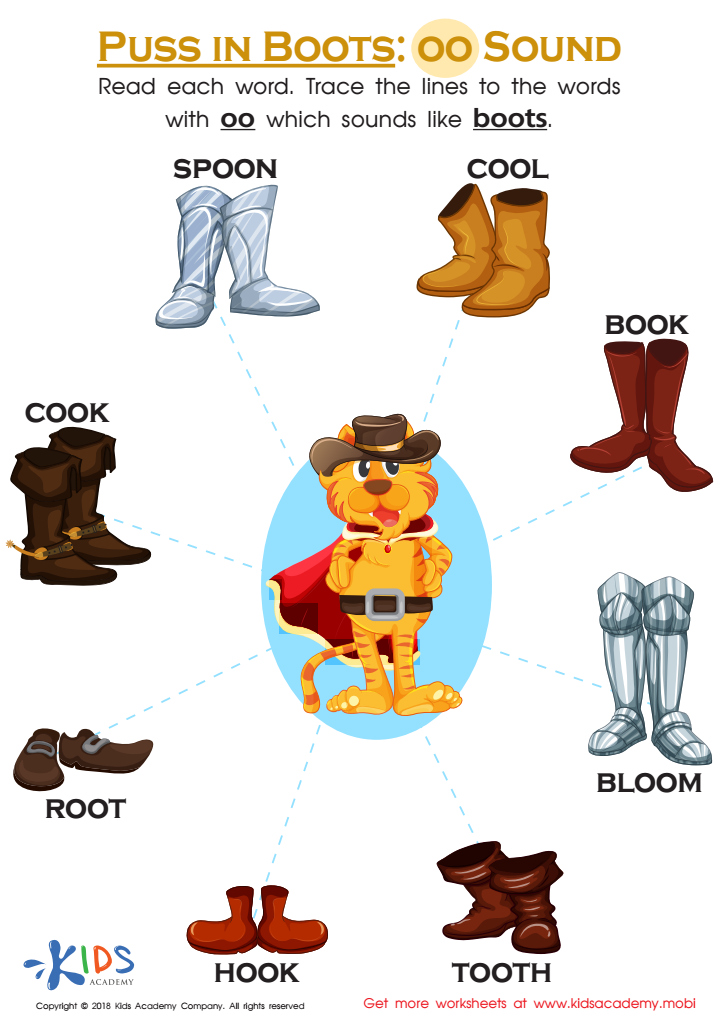
Puss in Boots: OO Sound Worksheet
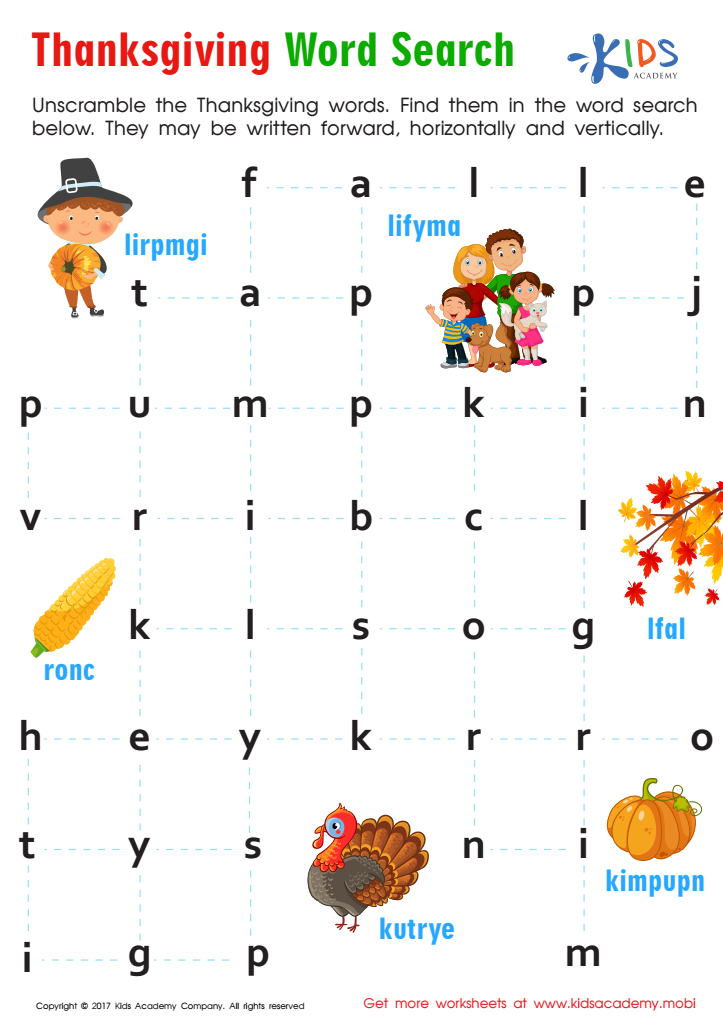
Thanksgiving Word Search Sight Words Worksheet
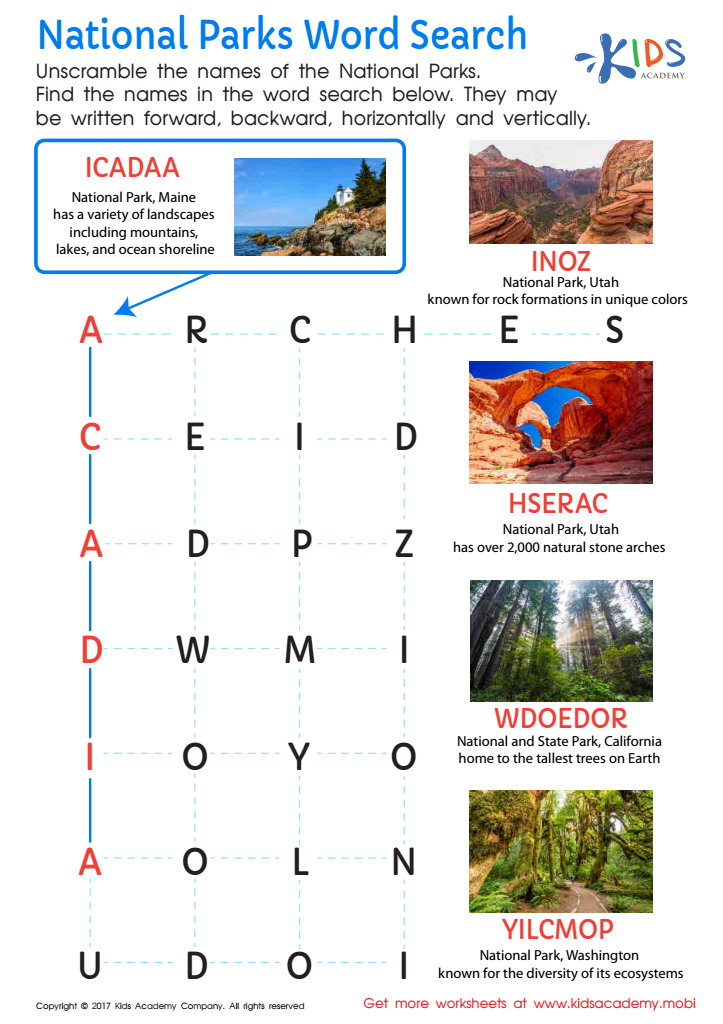
National Parks Word Search Worksheet
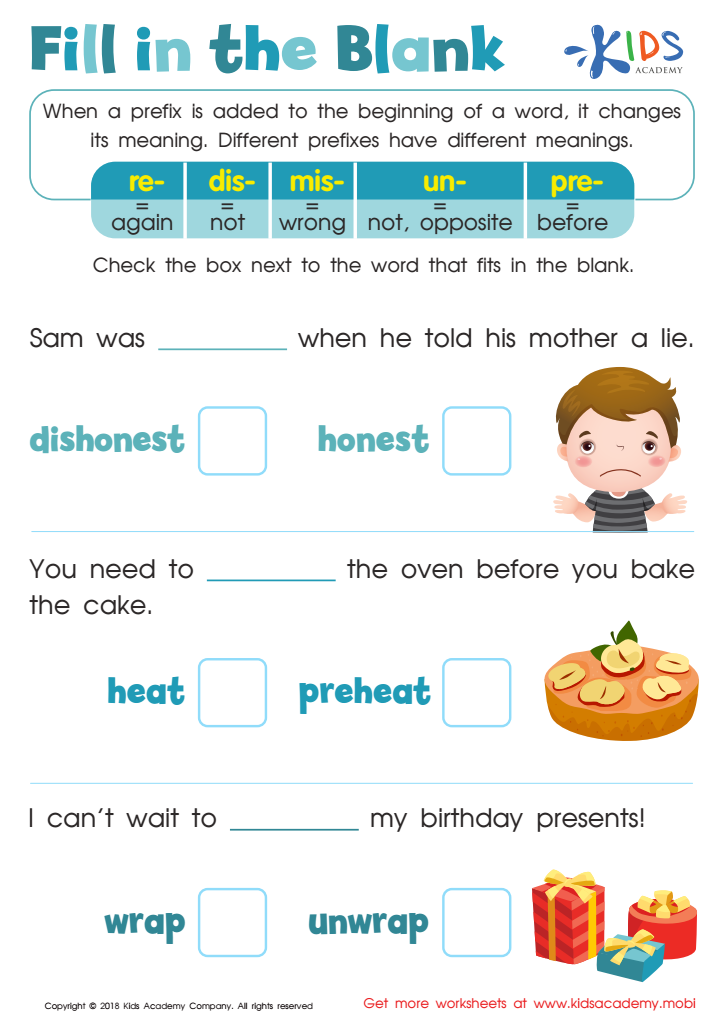
Reading: Fill in the Blank Worksheet
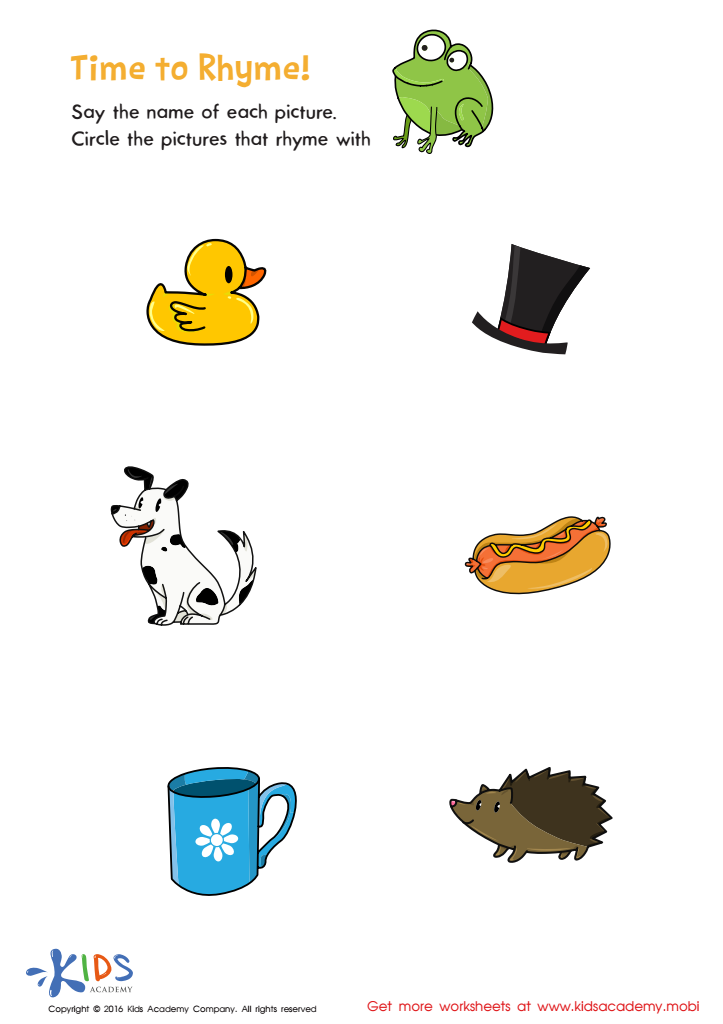
Rhyming Worksheet: Time to Rhyme Rhyming Worksheet
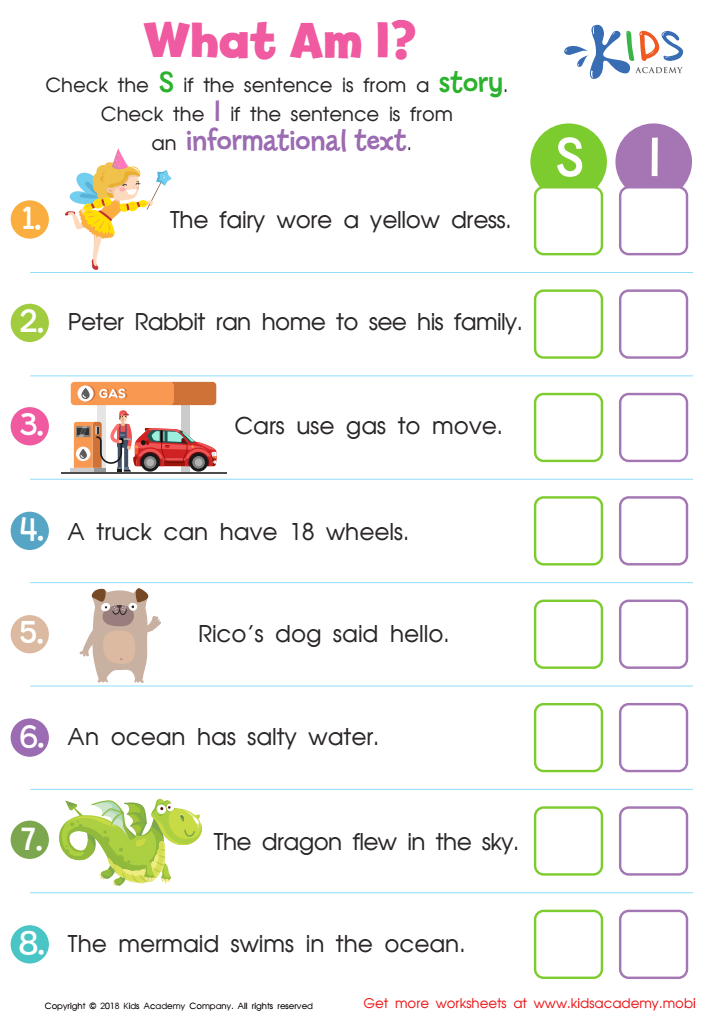
What Am I? Worksheet
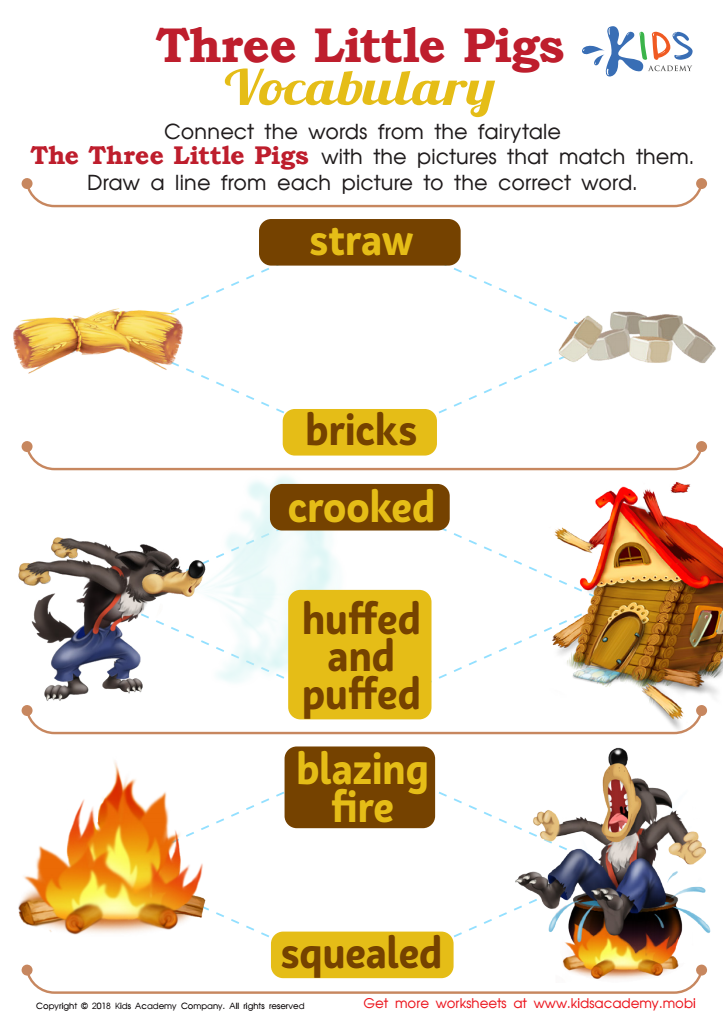
Three Little Pigs Vocabulary Worksheet
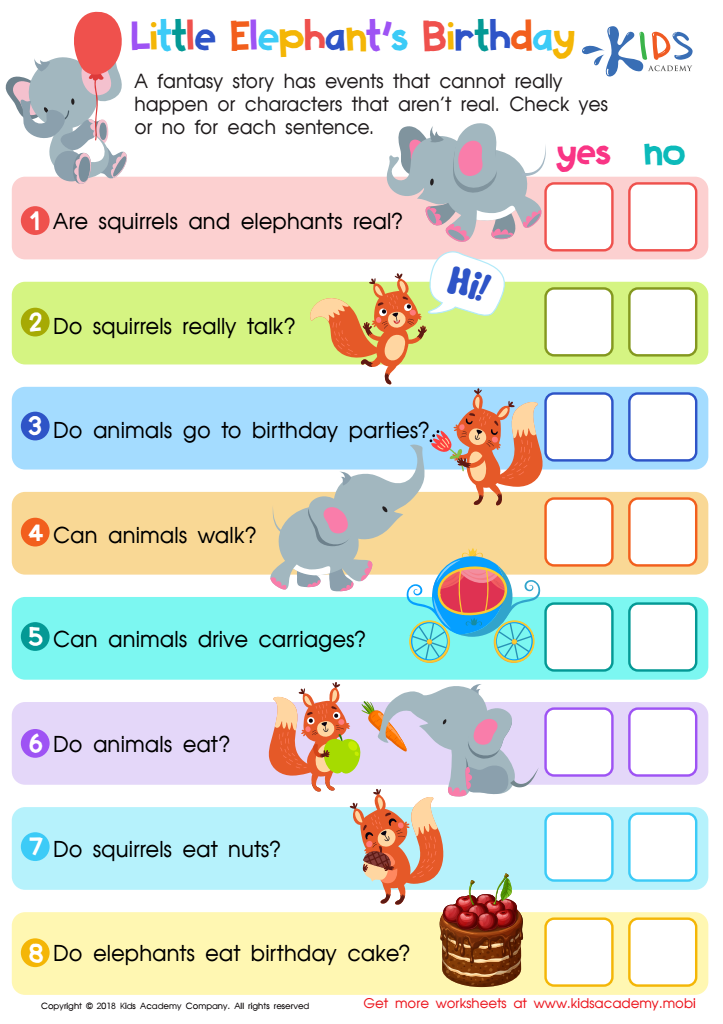
Little Elephant's Birthday Worksheet
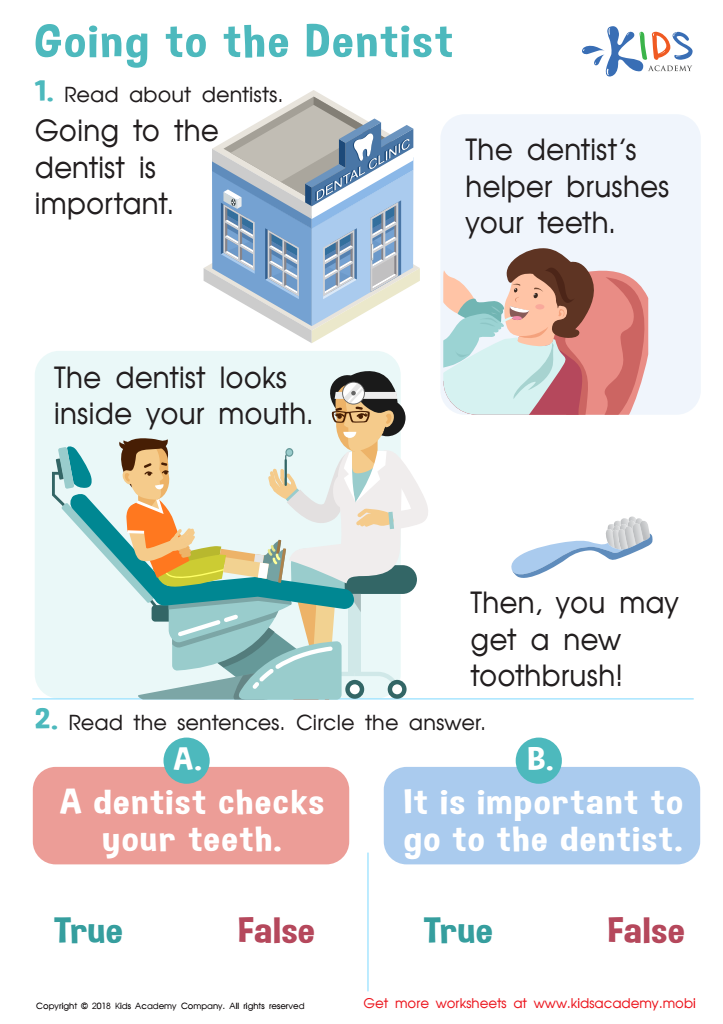
Going to the Dentist Part 2 Worksheet
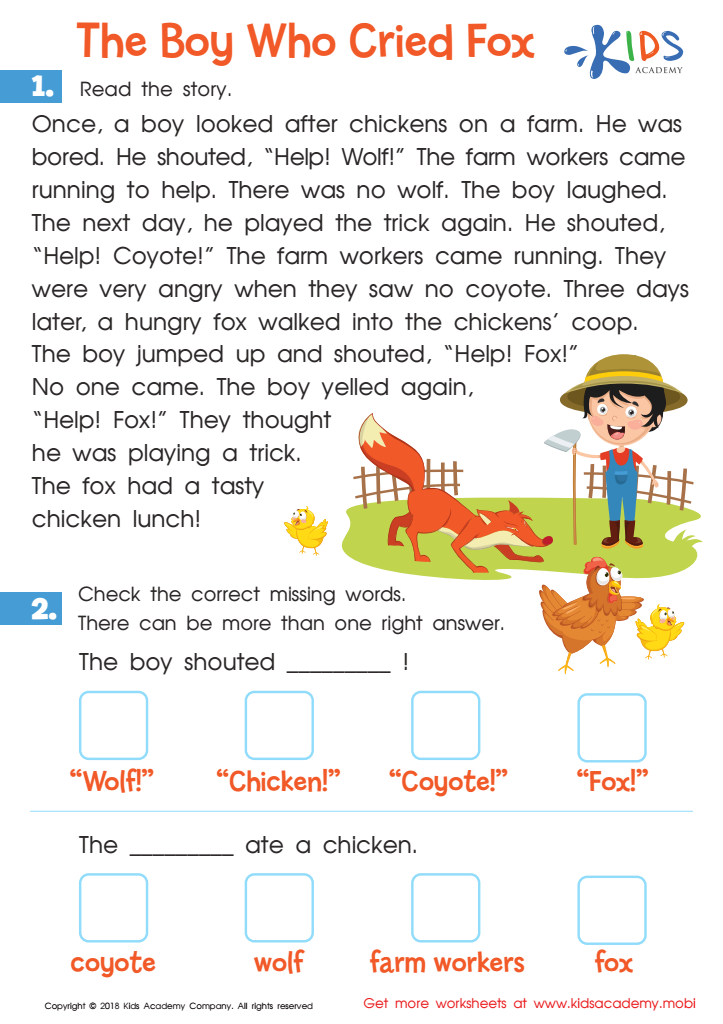
The Boy Who Cried Fox Worksheet
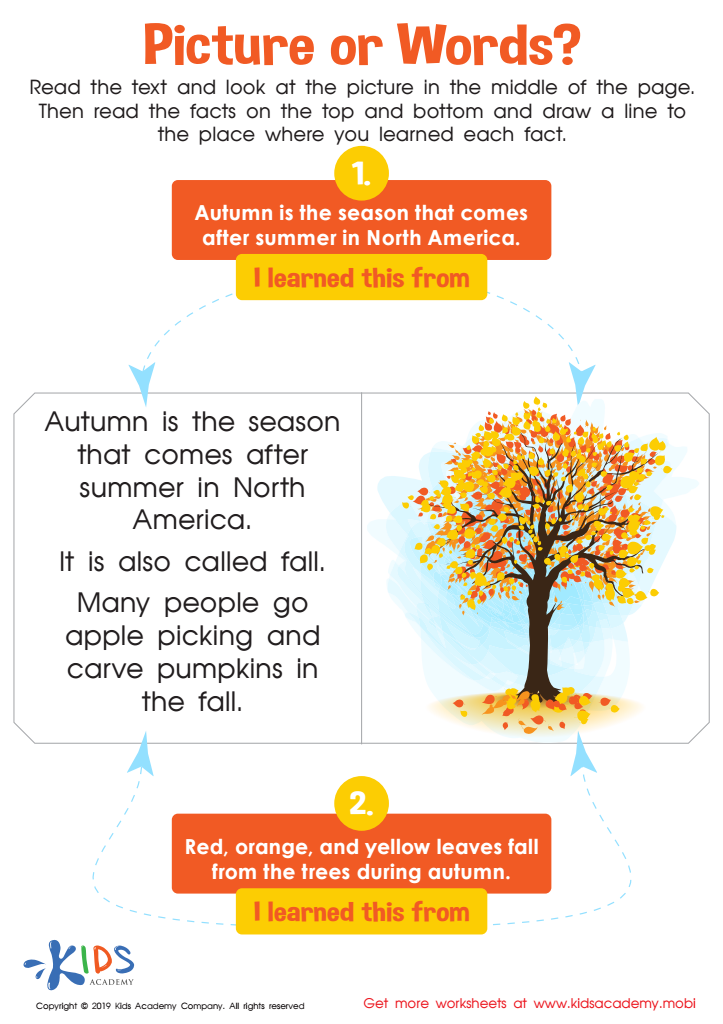
Picture Words Worksheet
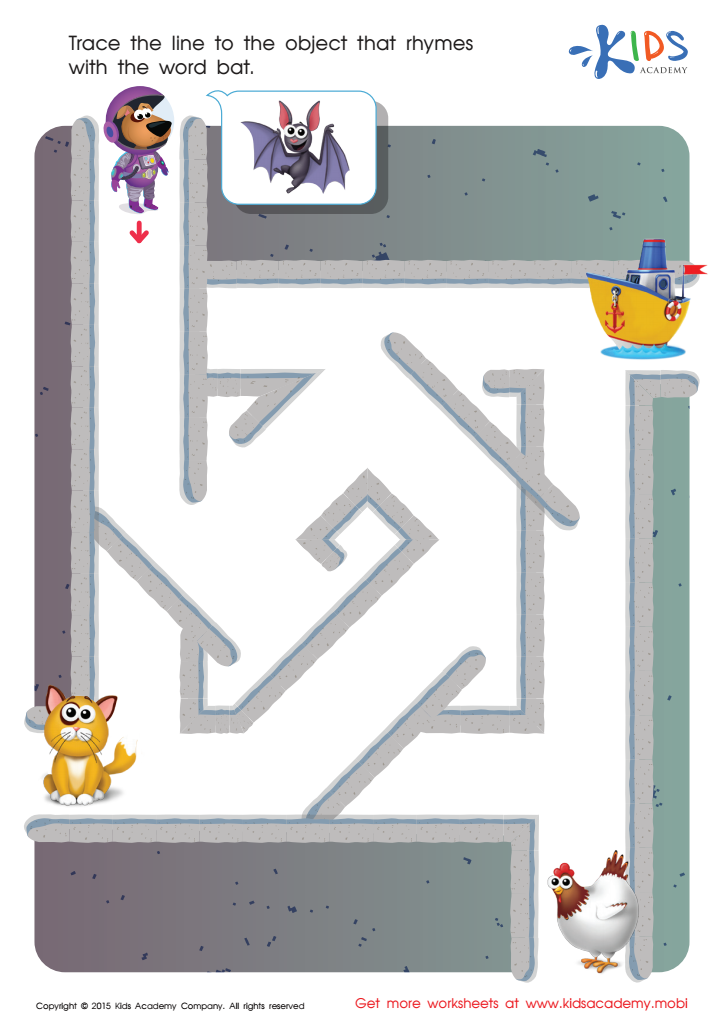
Bat Rhyming Words Worksheet
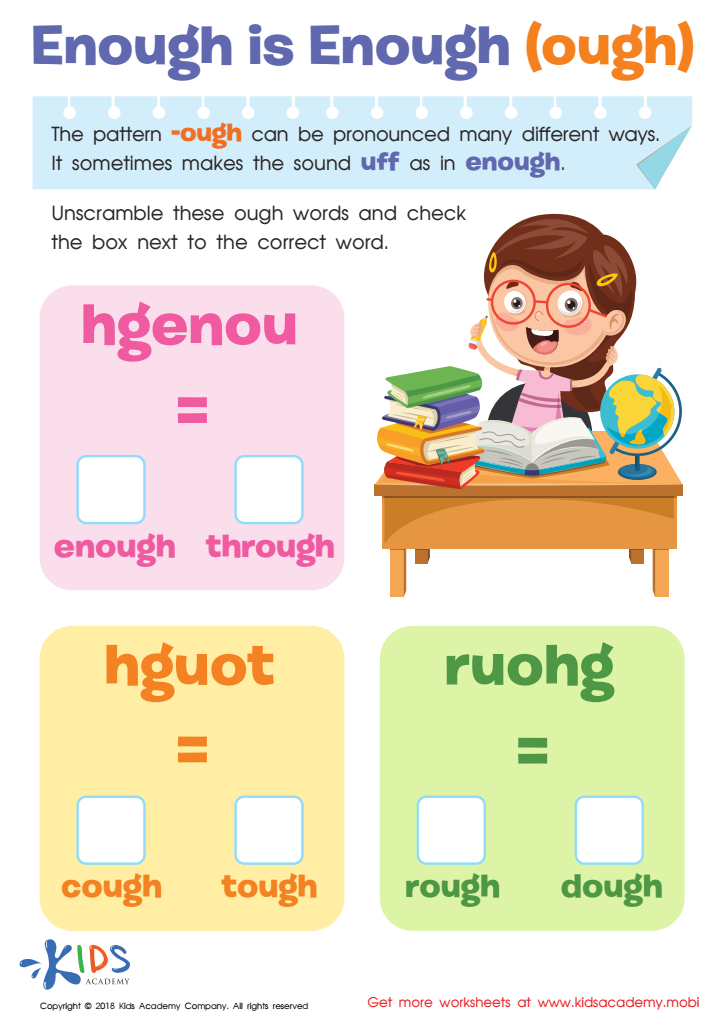
Enough Is Enough (ough) Worksheet
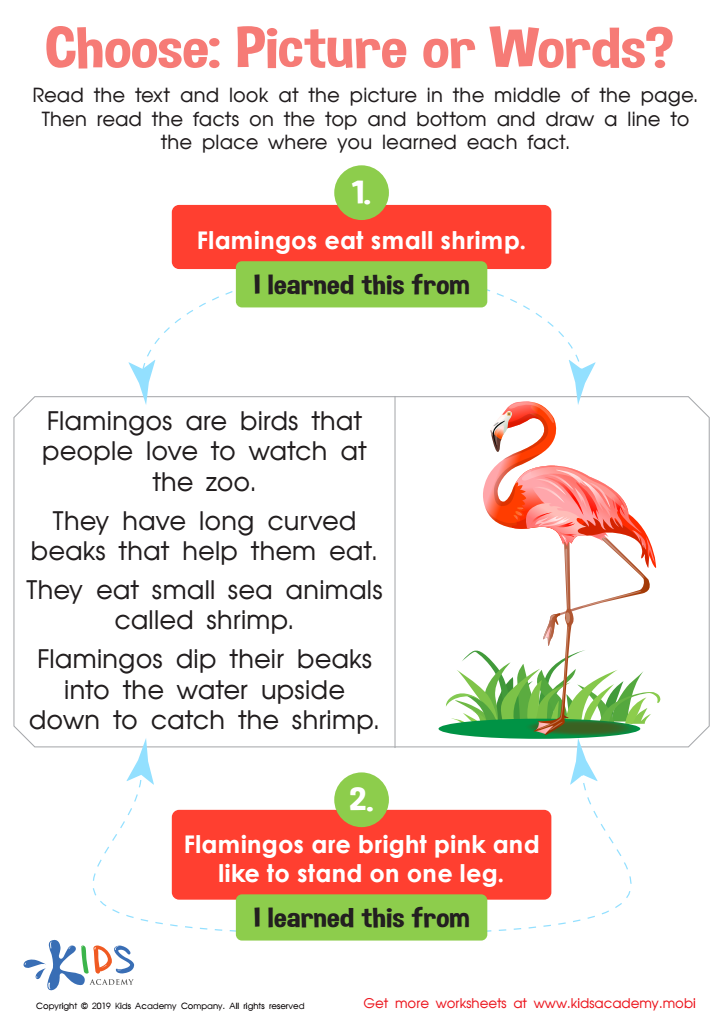
Choose Picture Words Worksheet
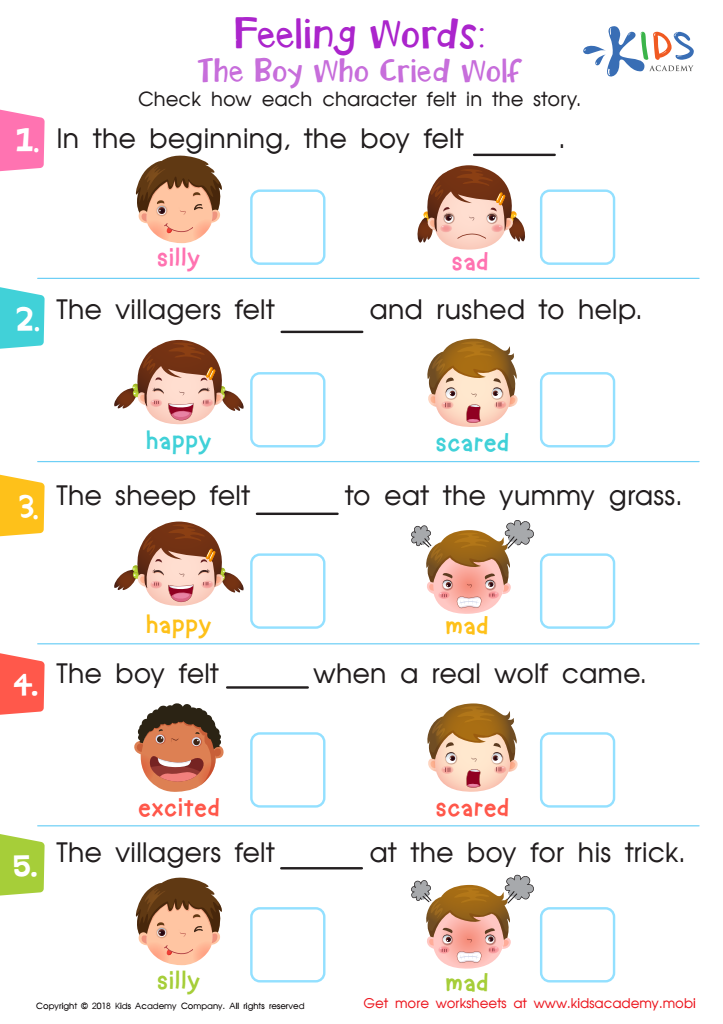
Feeling Words: The Boy Who Cried Wolf Worksheet
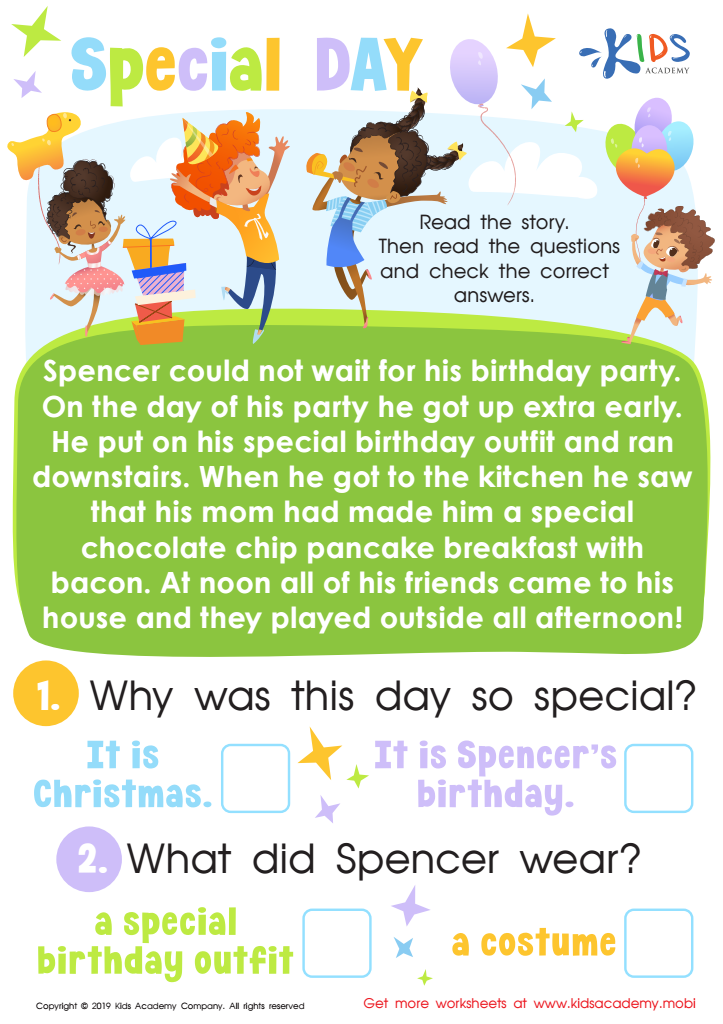
Special Day Worksheet

Golden Eagles Worksheet
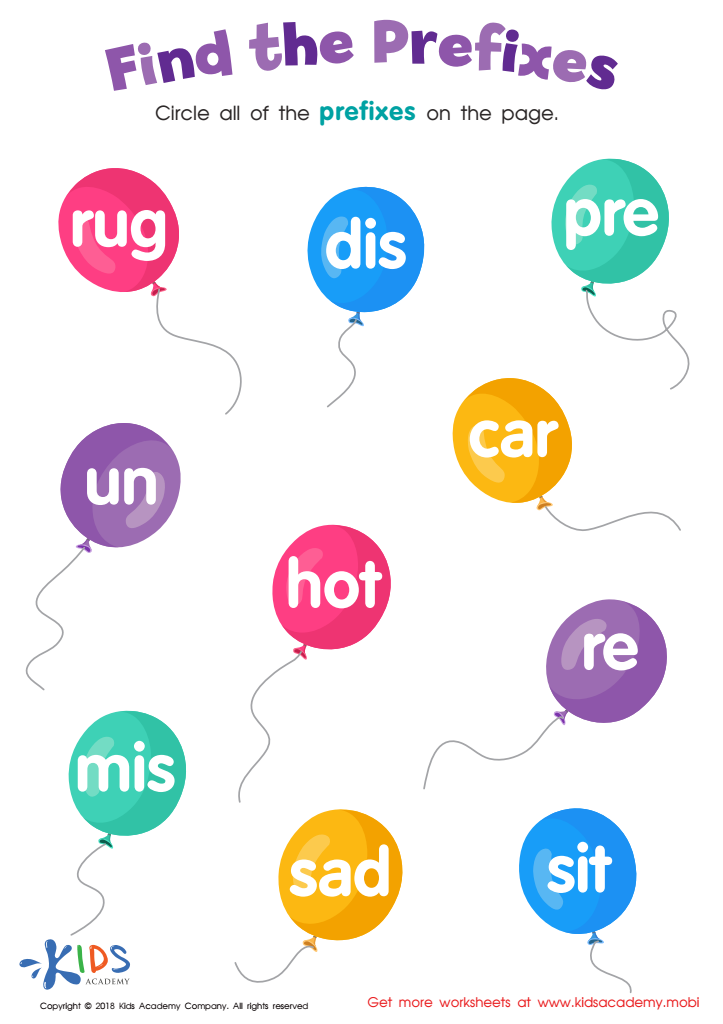
Reading: Find the Prefixes Worksheet
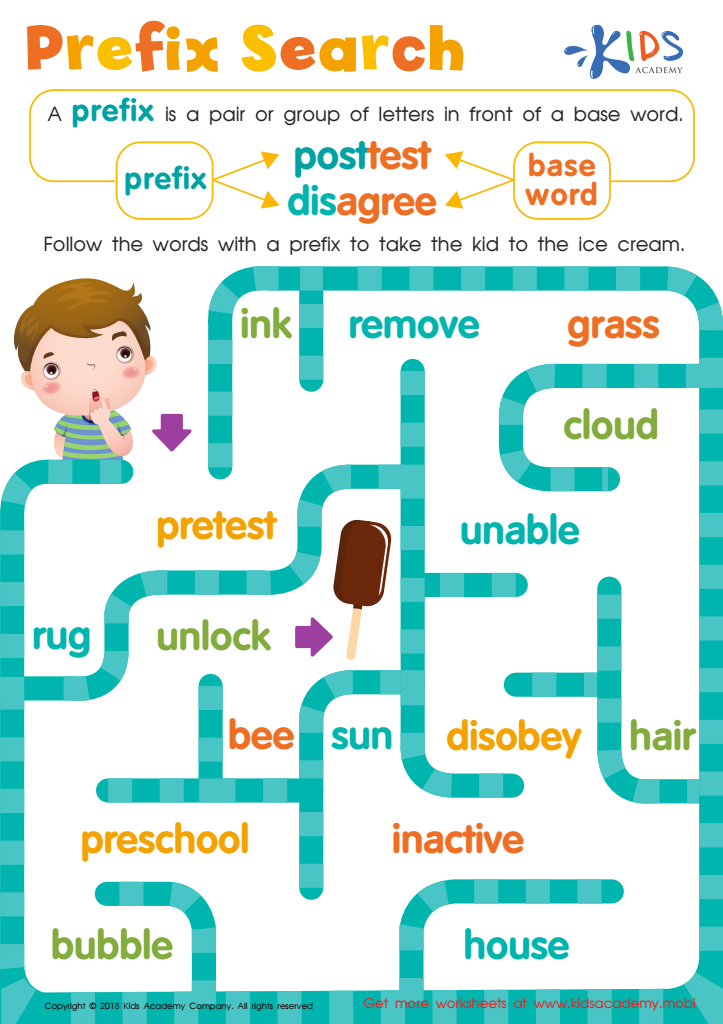
Reading: Prefix Search Worksheet
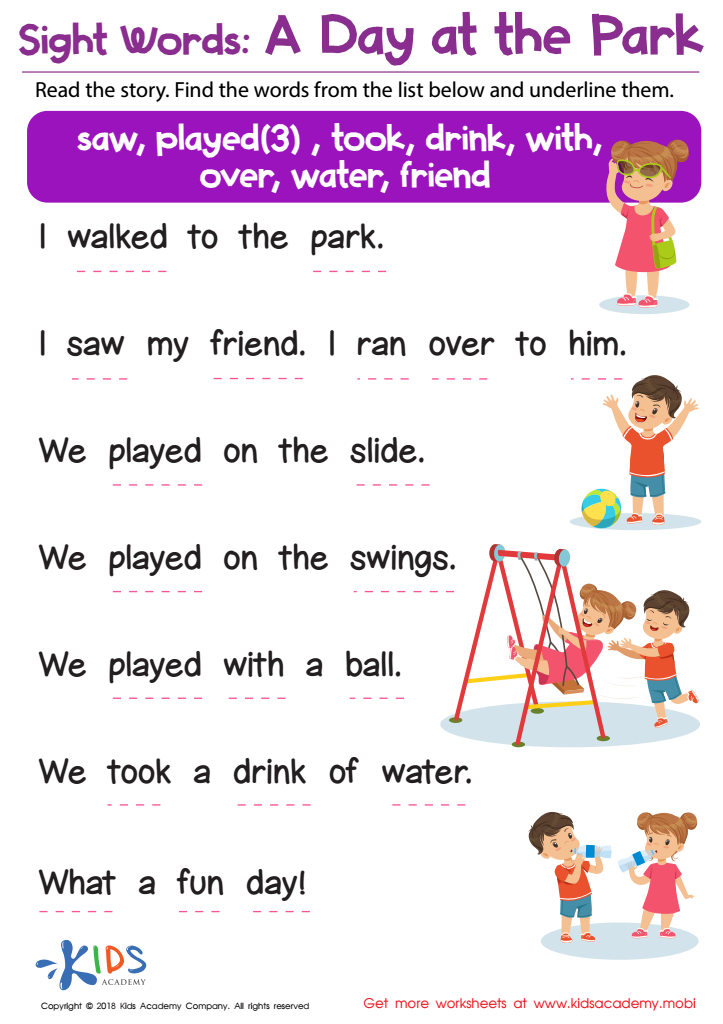
Sight Words: A Day at the Park Worksheet








Vocabulary building is crucial for children aged 6-9 as it lays the foundation for reading comprehension and effective communication. During these formative years, kids experience rapid brain development and language acquisition. A rich vocabulary enhances their ability to express ideas, engage in conversations, and understand nuanced texts, which is vital for academic success.
Parents and teachers should care about vocabulary development because strong vocabulary skills correlate with improved reading abilities. Children who understand more words can decode texts more easily, making reading a more enjoyable and less frustrating experience. This age group is typically transitioning from learning to read to reading to learn, illustrating the need for a robust vocabulary for accessing diverse subjects.
Moreover, vocabulary building promotes critical thinking and problem-solving. As children encounter new words, they learn to make connections between concepts, which fosters curiosity and a love for learning. By actively engaging in vocabulary-building activities, such as reading aloud, playing word games, and discussing new terms, parents and teachers can cultivate a supportive environment.
Investing in vocabulary development during these crucial years ensures that children are well-equipped for future academic challenges and social interactions, setting the stage for lifelong learning and communication skills.








