Categorization skills Animals Worksheets for Ages 6-9
3 filtered results
-
From - To
Enhance your child's understanding of the animal kingdom with our engaging Categorization Skills Animals Worksheets, designed specifically for ages 6-9. These interactive resources help young learners classify animals based on various characteristics such as habitats, diets, and physical traits. By fostering critical thinking and organization skills, our worksheets make learning fun and informative. Children will explore diverse species, from mammals to reptiles, while developing essential categorization techniques. Perfect for home or classroom use, these printable activities offer a valuable tool for educators and parents alike, ensuring a supportive and stimulating way for kids to discover the fascinating world of animals.
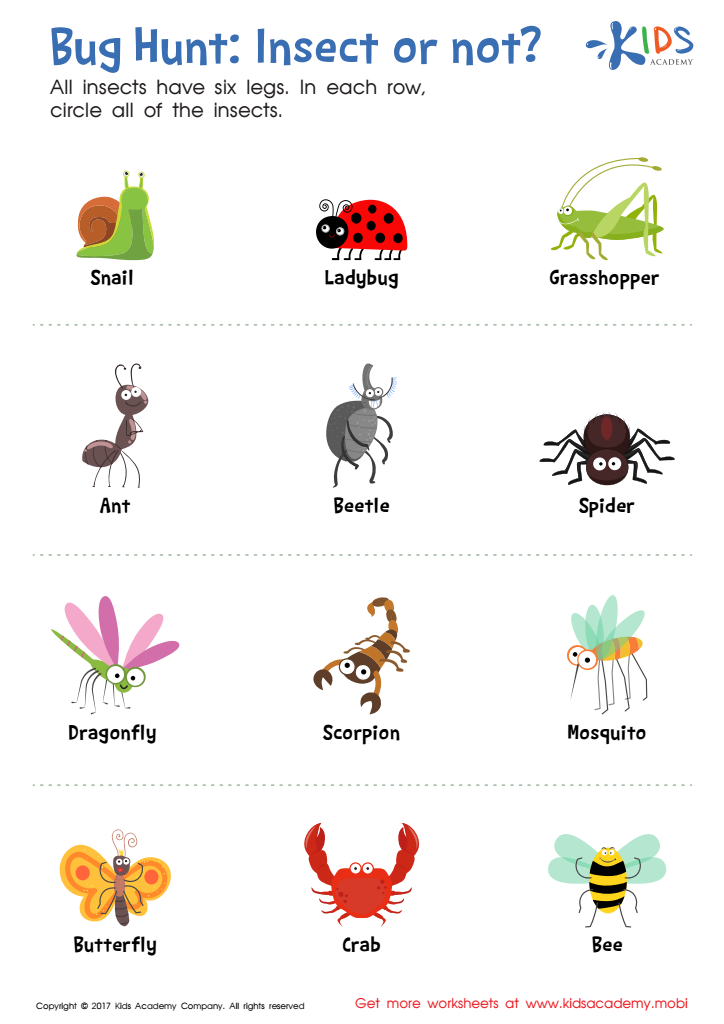
 Assign to My Students
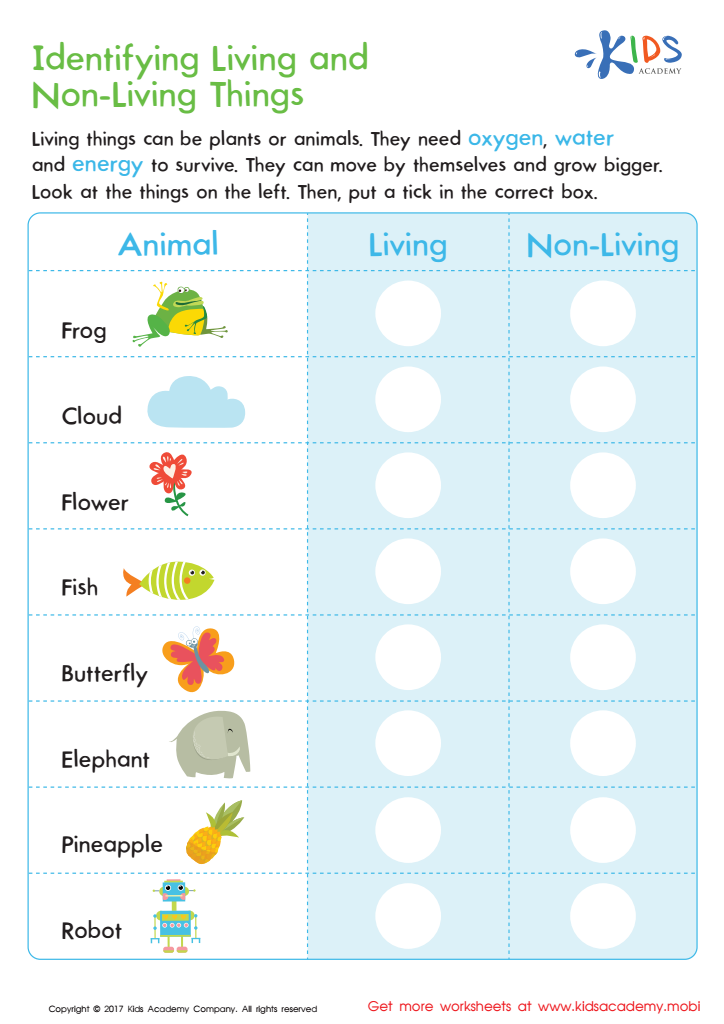
Identifying Living or Non–living Worksheet
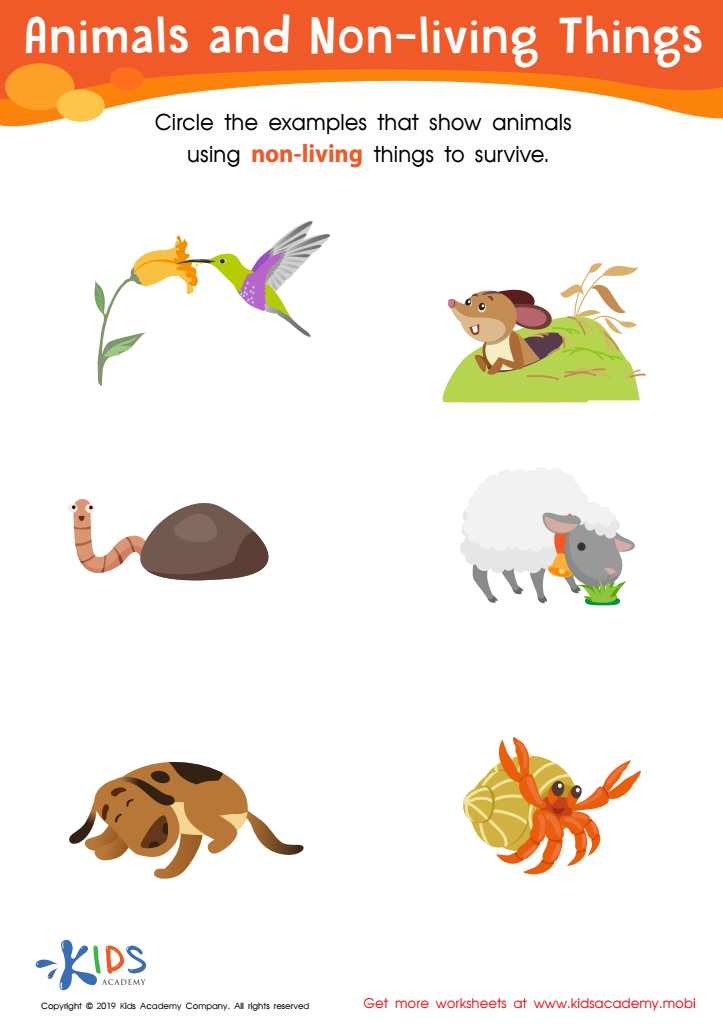
Animals and Non-Living Things Worksheet







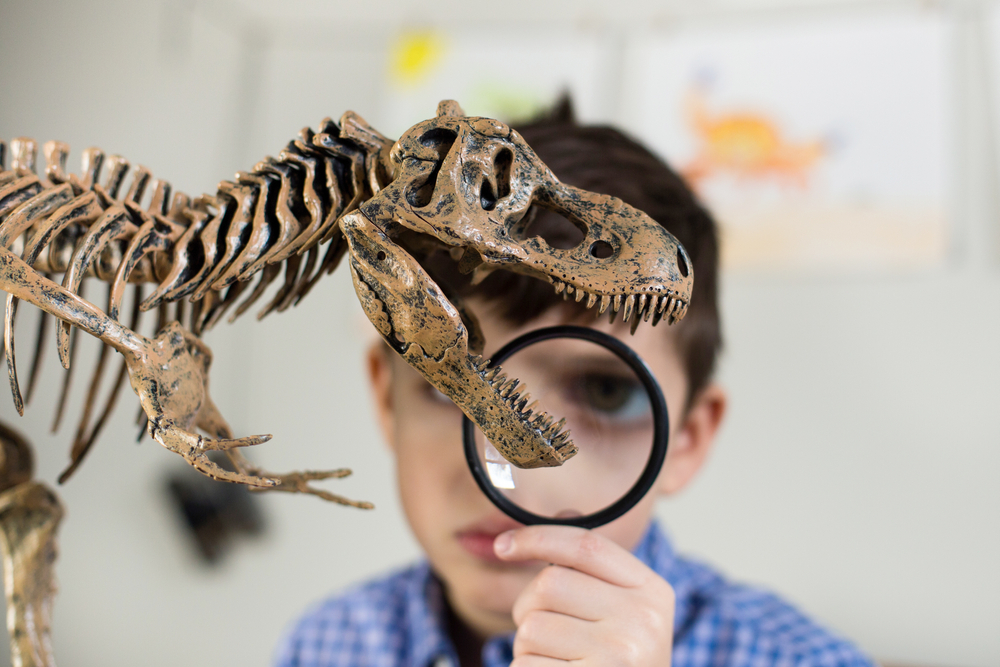
Categorization skills, particularly related to animals, are essential for children aged 6-9 as they promote critical thinking, organizational abilities, and enhance comprehension skills. At this age, children are naturally curious and eager to explore the world around them. By teaching them to categorize animals—such as distinguishing between mammals, reptiles, and birds—parents and teachers can facilitate a deeper understanding of biological concepts and ecosystems.
Moreover, categorization requires children to identify similarities and differences, fostering analytical thinking. This skill translates across various subjects, helping young learners successfully tackle math problems, reading comprehension, and even social studies by enabling them to classify and organize information effectively.
Engaging in animals' categorization also nurtures curiosity, encourages discussions about wildlife, and promotes empathy for different species, fostering a sense of responsibility towards the environment. Engaging activities can include sorting games, discussions about habitats, and creative projects, making the learning process interactive and fun.
In summary, focusing on animal categorization at this formative age not only enhances academic skills but also encourages a holistic understanding of the world, promoting a lifelong love for learning and a commitment to becoming informed and compassionate global citizens.








