Analyzing data Science Worksheets for Ages 6-9
5 filtered results
-
From - To
Discover engaging "Analyzing Data Science Worksheets" crafted for young learners aged 6-9! These expertly designed activities help children develop essential analytical skills, promoting critical thinking as they explore various data representation methods. Students will learn to interpret graphs, charts, and tables, making sense of information while enhancing their scientific understanding. Ideal for classroom or home use, these worksheets encourage hands-on learning through fun, interactive exercises. Foster a love for science and analysis in your child with our comprehensive resources, perfectly aligned with early education standards. Ambitious, inspiring, and educational, these worksheets make data analysis exciting for young minds!
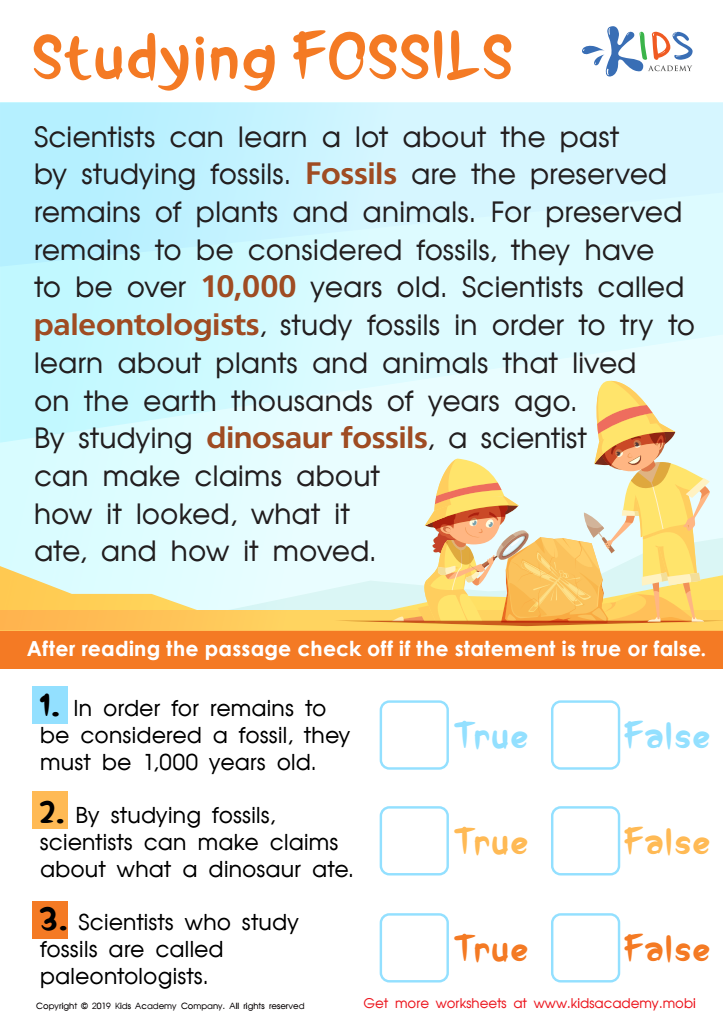
Studying Fossils Worksheet
 Assign to My Students
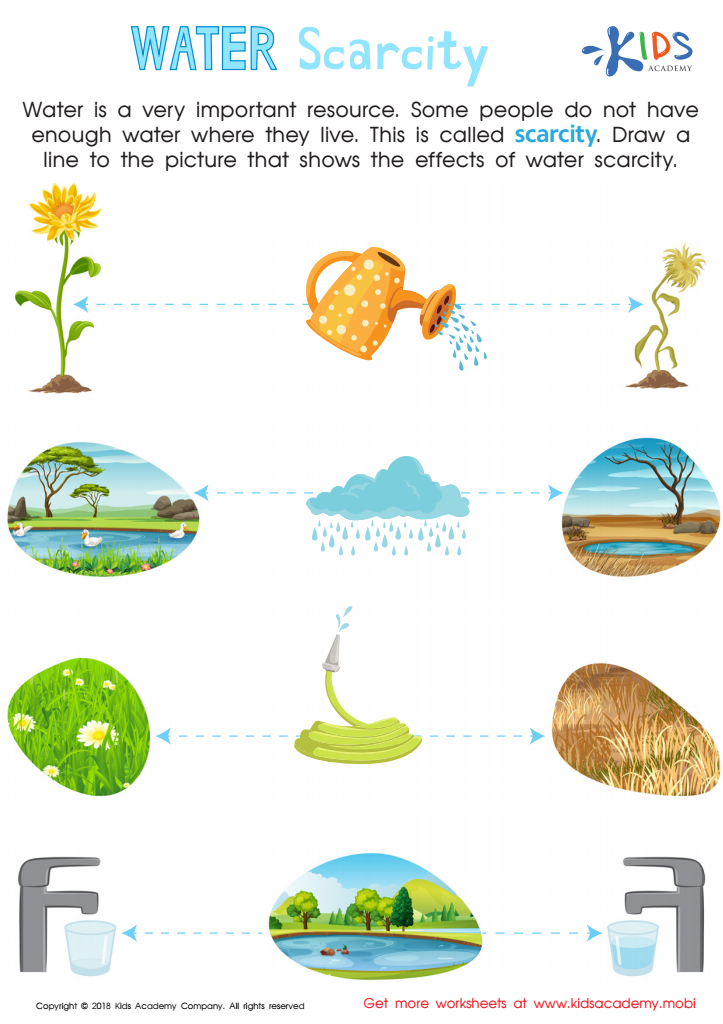
Water Scarcity Worksheet
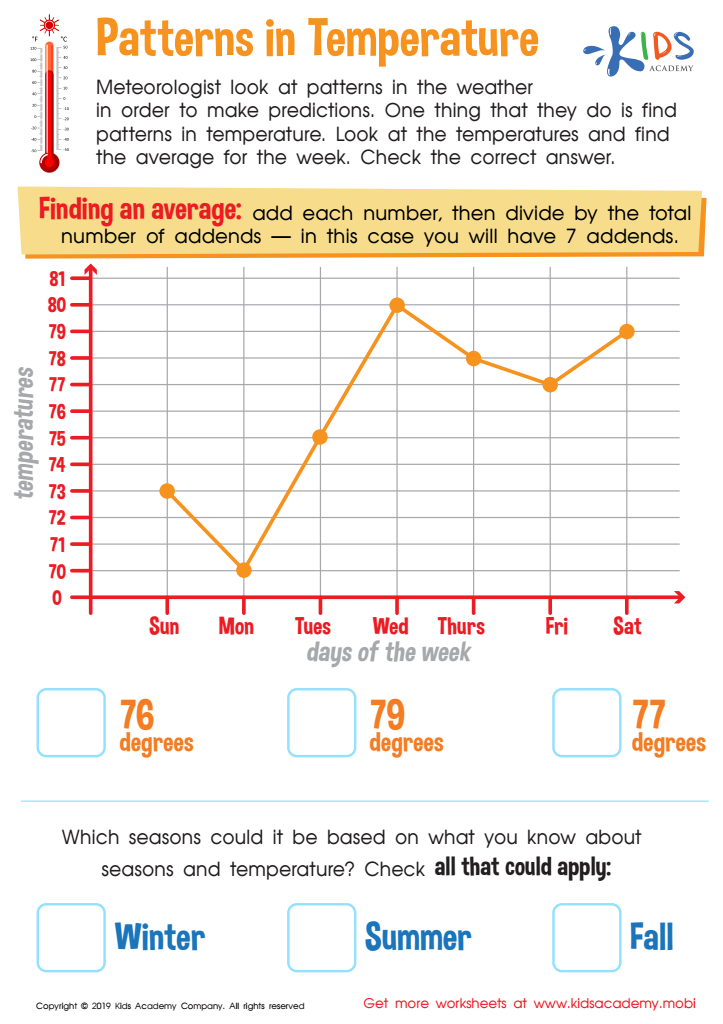
Patterns in Temperature Worksheet
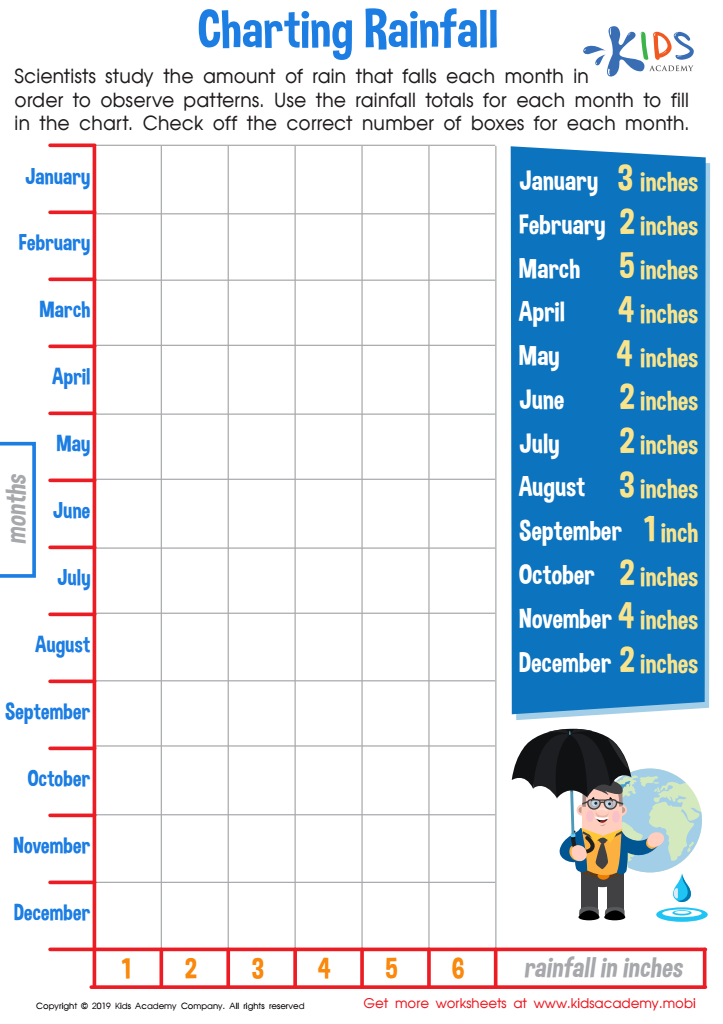
Charting Rainfall Worksheet
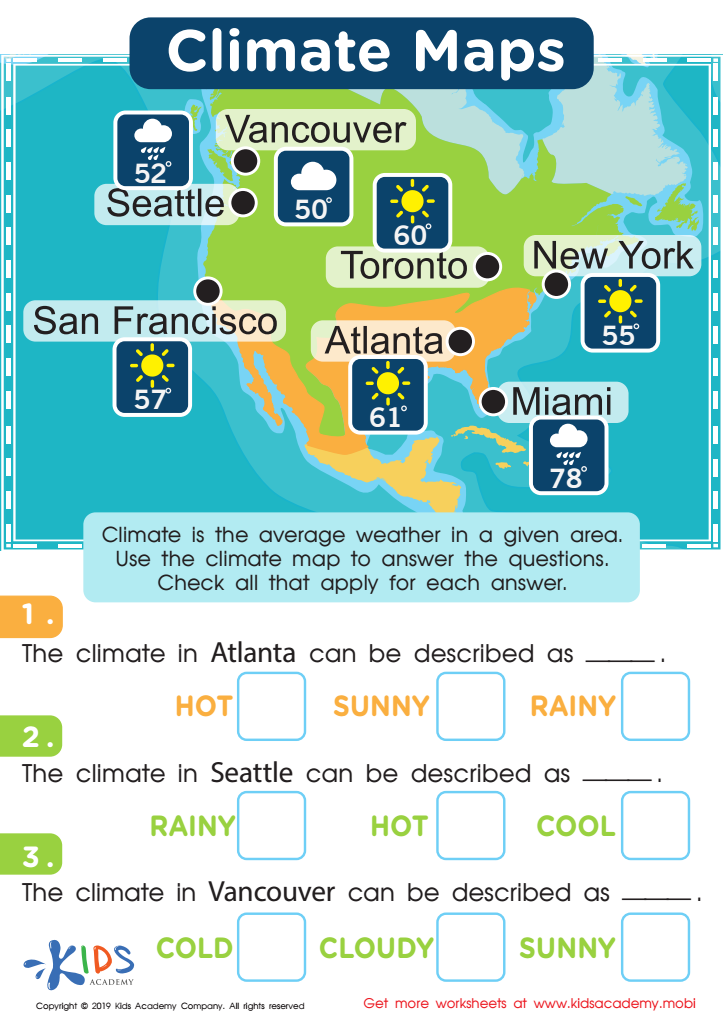
Climate Maps Worksheet








Parents and teachers should prioritize teaching data science to children aged 6-9 because it fosters critical thinking and problem-solving skills early in their education. At this age, children are naturally curious and can grasp basic concepts of data collection and analysis through engaging, hands-on activities. Introducing data science can help them learn how to gather, interpret, and visualize information, laying a strong foundation for future learning in both mathematical and scientific disciplines.
By analyzing data, children develop the ability to make informed decisions, recognize patterns, and understand the importance of evidence-based conclusions. This engages their analytical thinking and empowers them to interpret the world around them. Moreover, the skills learned in data science, such as collaboration, communication, and creativity, are essential in our increasingly data-driven society, making these early lessons relevant for their future academic and career endeavors.
Lastly, data literacy promotes a sense of empowerment, giving children the confidence to ask questions, explore, and contribute to discussions, making them more engaged and active learners. In an age where technology and information are ever-present, a strong foundation in data science equips young learners with the necessary tools to navigate and understand their environment effectively.







