Animal recognition Science Worksheets for Ages 6-9
5 filtered results
-
From - To
Explore our engaging Animal Recognition Science Worksheets designed for children ages 6-9! These educational worksheets are crafted to enhance kids' understanding of various animal species, their habitats, and characteristics. Through fun exercises and activities, young learners will develop critical thinking and observation skills essential for a budding scientist. Perfect for teachers and parents, our worksheets provide a hands-on approach to science learning, keeping kids intrigued and motivated. Dive into the world of animals and spark a love for science with our expertly created resources from Kids Academy!
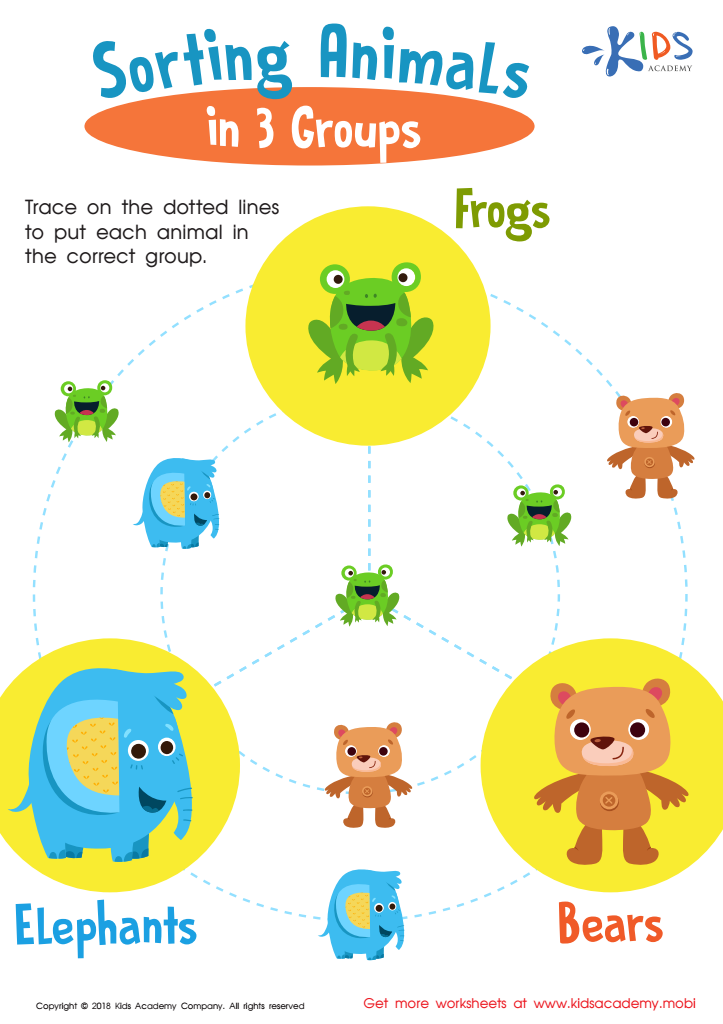
Sorting Animals in 3 Groups Worksheet
 Assign to My Students
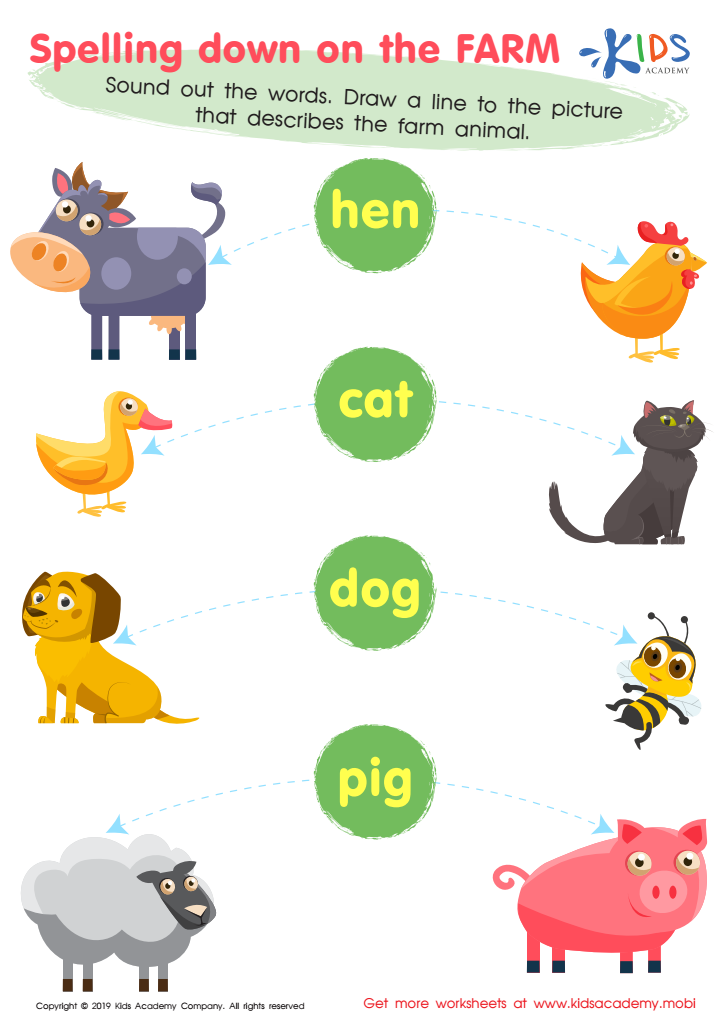
Spelling Down on the Farm Worksheet
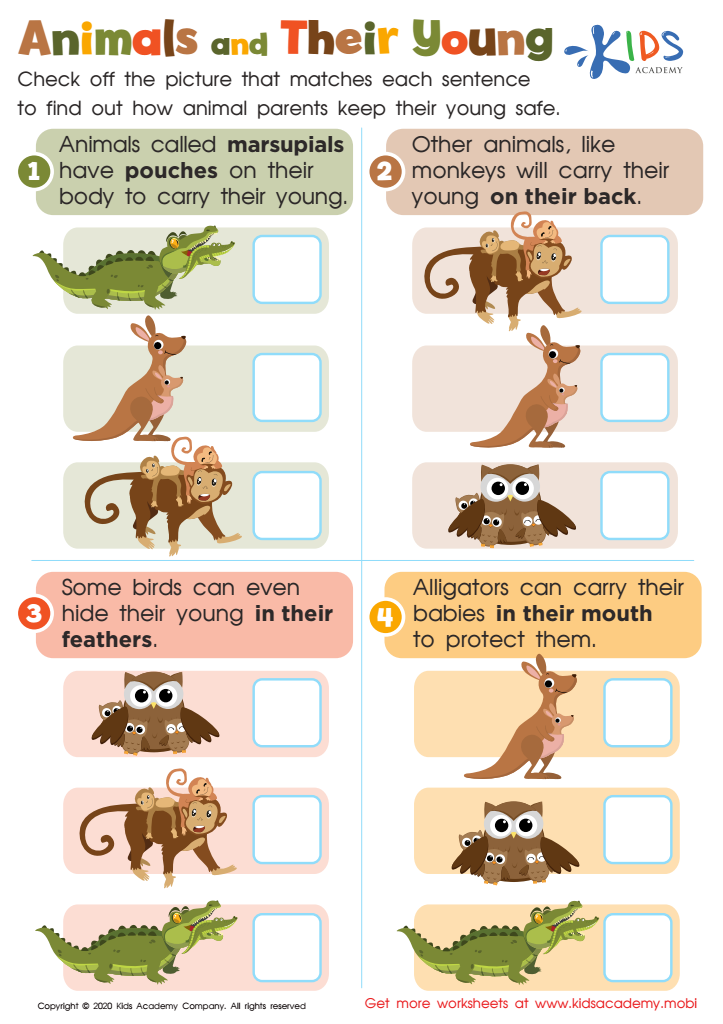
Animals and Their Young Worksheet
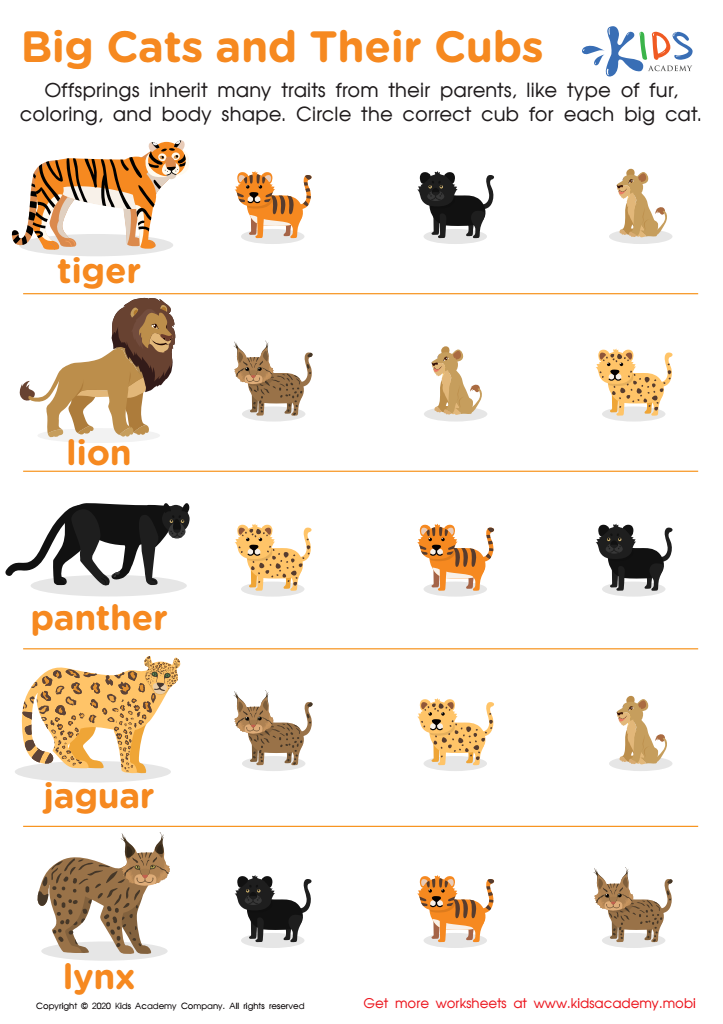
Big Cats and Their Cubs Worksheet
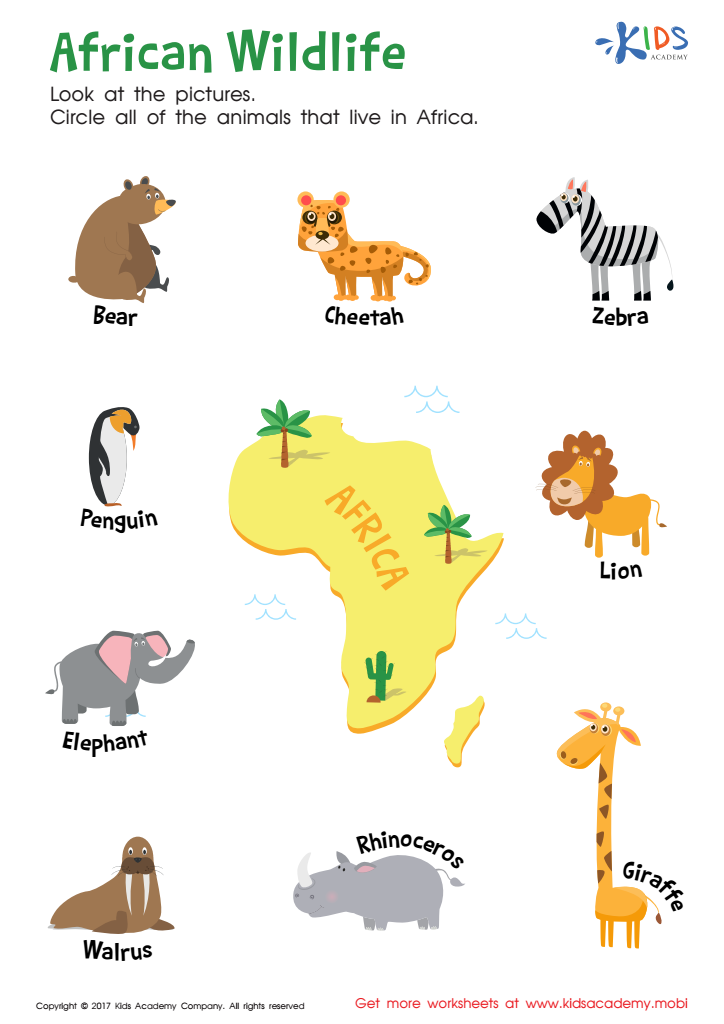



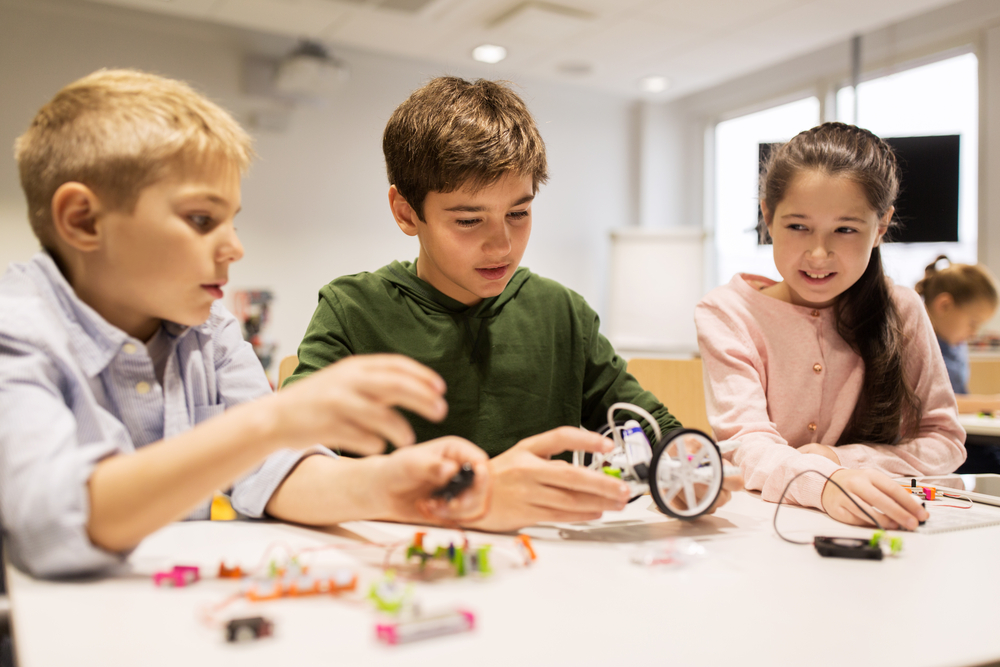
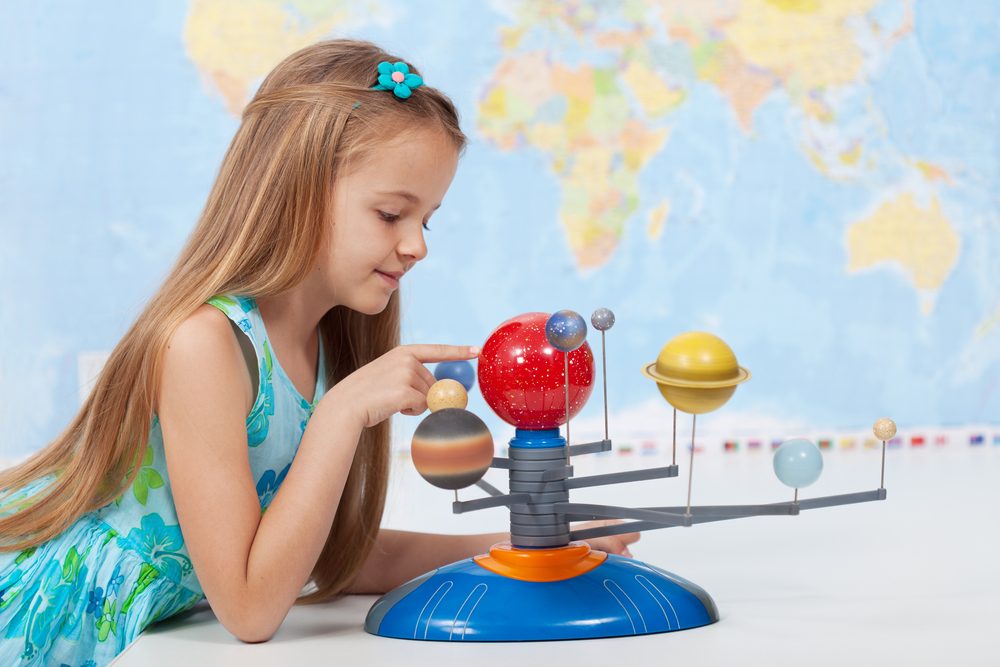



Parents and teachers should care about animal recognition science for children ages 6-9 because it plays a crucial role in early education. At this tender age, children are naturally curious about the world around them. Simple activities such as recognizing animals develop observational skills, enhance memory, and cultivate an appreciation for nature. These activities provide hands-on, multisensory learning experiences, which are integral to cognitive development.
Teaching children to recognize animals also stimulates interdisciplinary learning. It integrates subjects like science, language arts, and geography. For instance, discussing habitats and food chains builds foundational science knowledge, while reading related books strengthens literacy skills. Additionally, these activities often include sorting tasks which enhance mathematical understanding.
Moreover, early exposure to animal science fosters environmental stewardship. By learning about diverse species and their roles in the ecosystem, children develop a sense of empathy and responsibility towards animals and the planet. This early connection can inspire lifelong conservation efforts and a commitment to sustainability.
Furthermore, animal recognition science aids social and emotional development. Group activities that involve animal sorting and recognition encourage teamwork, collaboration, and communication skills. In sum, focusing on animal recognition engages young minds, promotes critical life skills, and lays the groundwork for a well-rounded education.







