Basic Addition Science Worksheets for Ages 6-9
4 filtered results
-
From - To
Discover our engaging Basic Addition Science Worksheets tailored for children aged 6 to 9! These thoughtfully designed worksheets combine fundamental math skills with essential scientific concepts, making learning fun and interactive. Young learners will explore addition while investigating captivating science themes, fostering a love for both subjects. Each worksheet encourages practice through colorful graphics and relatable real-life scenarios, helping to strengthen problem-solving abilities. Ideal for classroom use or homeschooling, our worksheets promote critical thinking and reinforce foundational skills. Empower your child’s education with these creative resources and watch them thrive in their learning journey. Start their exploration of math and science today!
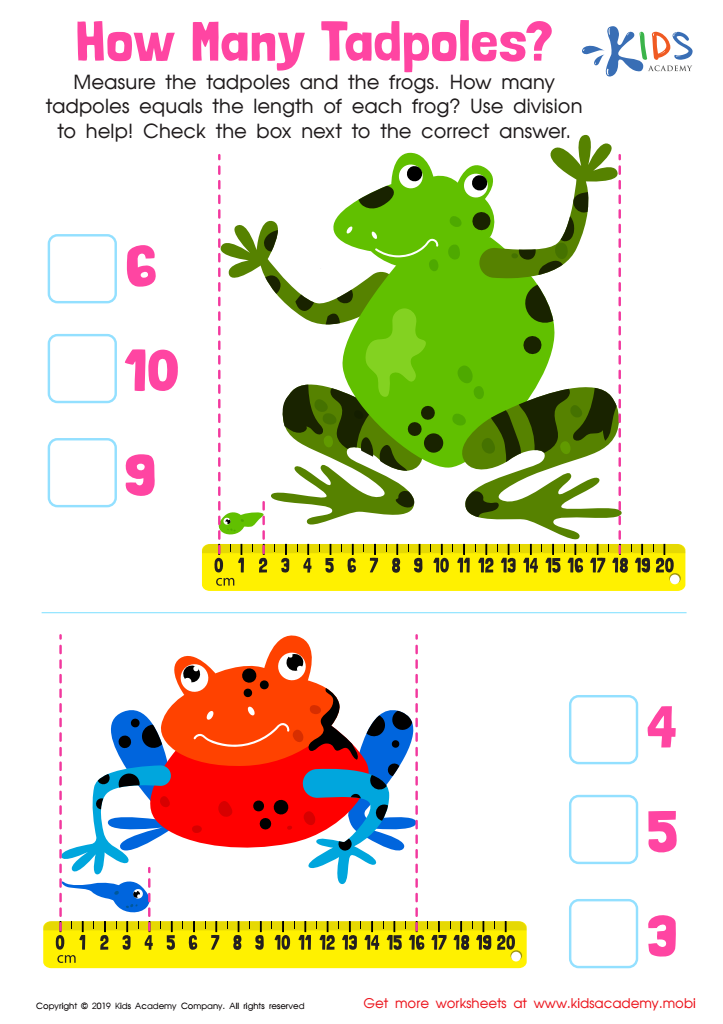
How Many Tadpoles Worksheet
 Assign to My Students

African Wildlife: Giraffe Worksheet
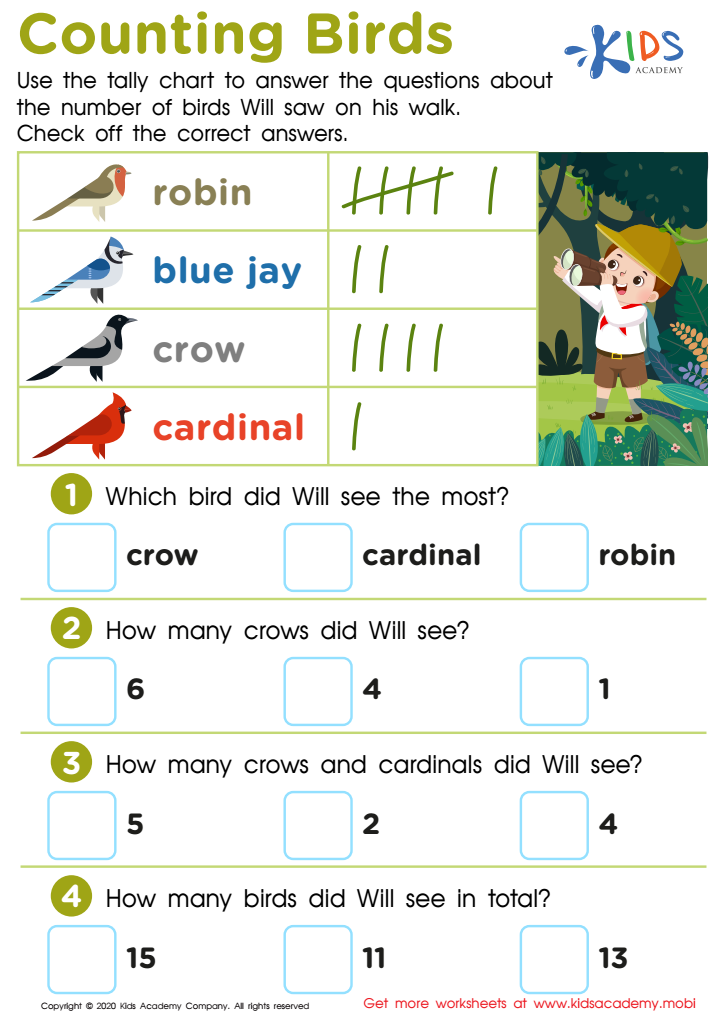
Counting Birds Worksheet
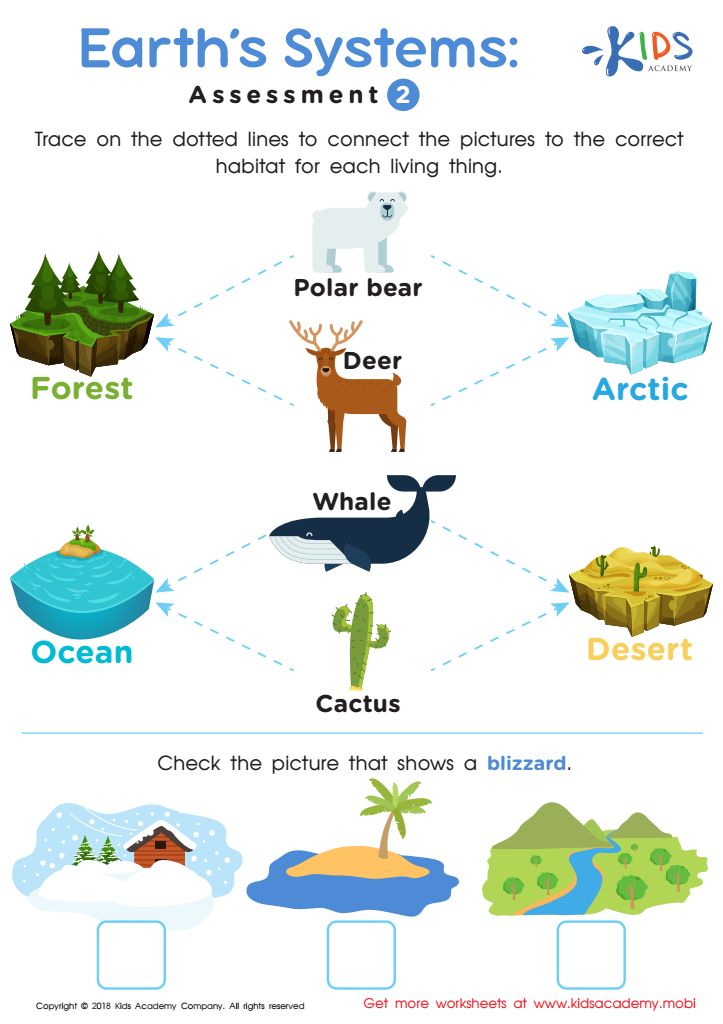
Earth's Systems: Assessment 2







Parents and teachers should care about Basic Addition Science for children aged 6-9 for several important reasons. First, mastering basic addition is a critical building block for mathematical understanding. At this age, children develop fundamental skills that pave the way for more complex concepts, such as subtraction, multiplication, and problem-solving. A solid foundation in addition sets the groundwork for their future academic success.
Moreover, fostering a positive attitude towards math during these formative years can encourage a lifelong appreciation for the subject. Engaging children with interactive methods, such as games and visual aids, not only makes learning enjoyable but also boosts their confidence in their math abilities.
Additionally, Basic Addition Science cultivates essential cognitive skills, including logical reasoning and critical thinking. These skills are applicable beyond math, helping children approach problems in various contexts throughout their lives. Finally, parental and educational support reinforces classroom learning, demonstrating to children that math is important and valued within their community. By proactively investing in Basic Addition skills, parents and teachers empower children to excel academically, promoting a robust mathematical mindset that will benefit them throughout their educational journey and beyond.







