
Improving vocabulary Science Worksheets for Ages 6-9
3 filtered results
Difficulty Level
Grade
Age
-
From - To
Subject
Activity
Standards
Explore our collection of "Improving Vocabulary Science Worksheets" designed specifically for children ages 6 to 9. These engaging worksheets make learning science vocabulary fun and interactive, helping young learners expand their word knowledge in critical areas such as plants, animals, weather, and more. Featuring various activities like matching, fill-in-the-blanks, and puzzles, these resources are perfect for classroom use or at-home learning. Our thoughtfully crafted materials not only enhance vocabulary skills but also foster an early interest in science. Encourage your child's curiosity and comprehension with our carefully curated worksheets that support a strong foundation in language and science!
Favorites
With answer key
Interactive
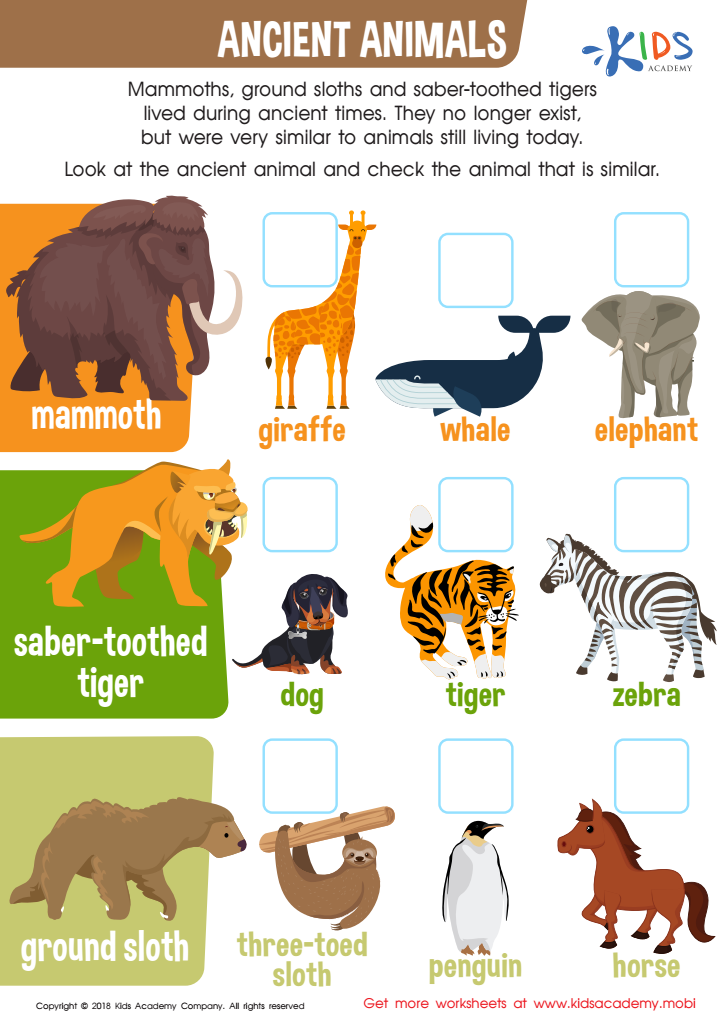
Ancient Animals Worksheet
Kids can explore prehistoric days with a fun, downloadable worksheet. They'll look at pictures of ancient animals like mammoths, ground sloths and saber-toothed tigers and then choose the animal of today that most closely resembles their ancestor. Through this sheet, they can make connections between today's animals and the past.
 Assign to My Students
Ancient Animals Worksheet
Worksheet
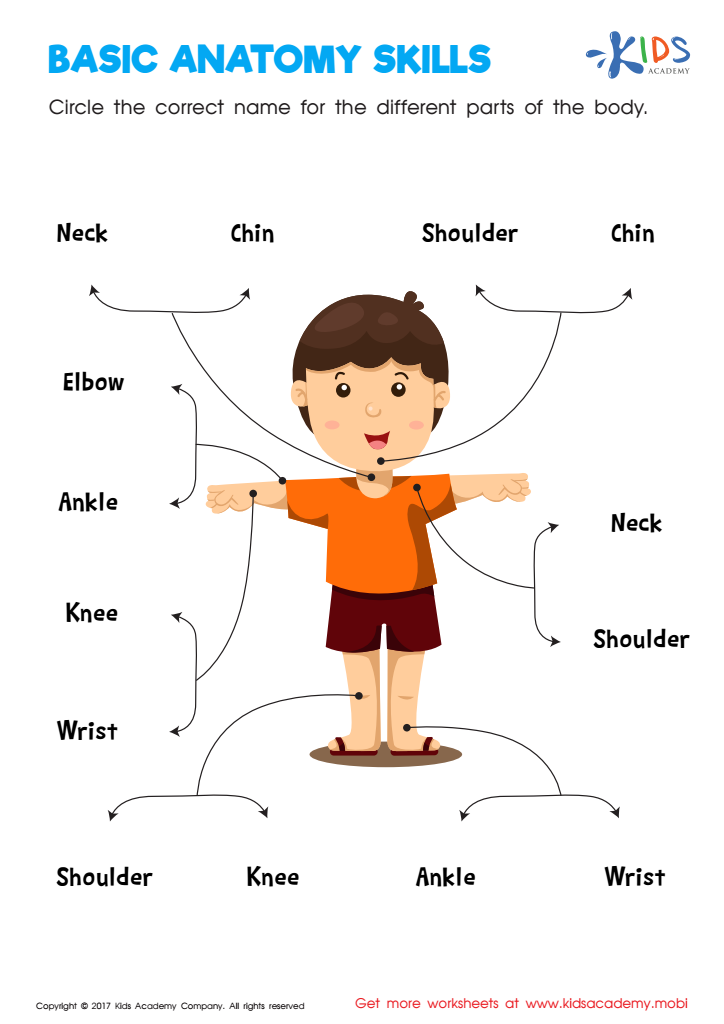
Basic Anatomy Skills Printable
Introduce your child to basic anatomy with this worksheet! It will help him learn essential body part names, differentiate between them, recognize and label them. This will give him the tools to better communicate his feelings and become self-aware.
Basic Anatomy Skills Printable
Worksheet
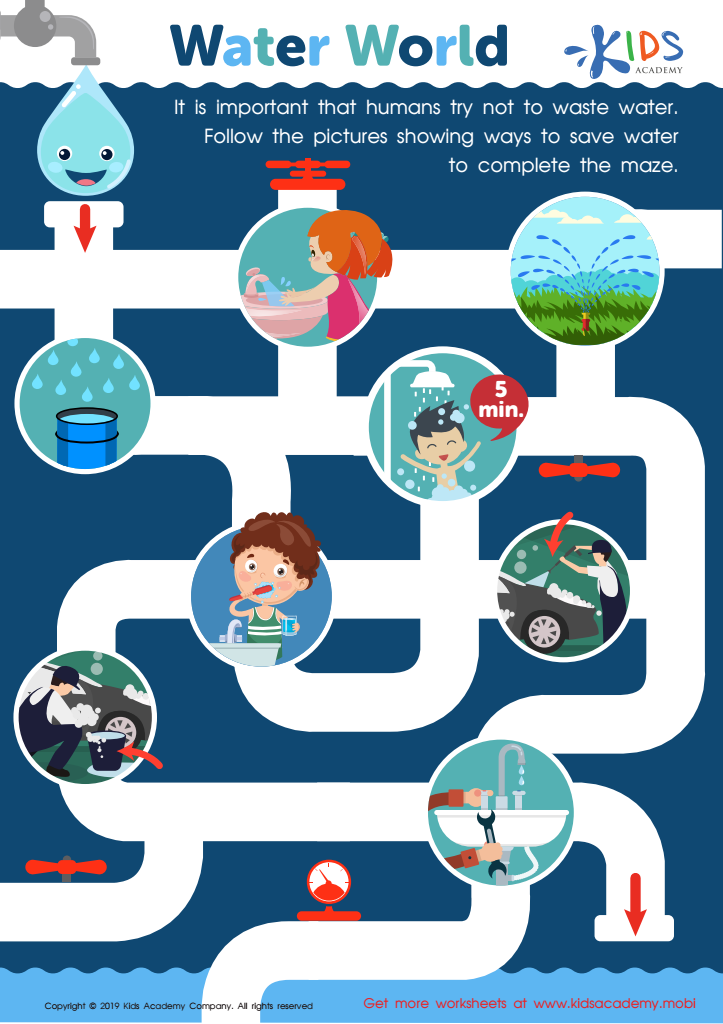
Water World Worksheet
Water is a vital necessity for living. Our bodies depend on it to stay healthy and survive. When we don't drink enough water, we become thirsty and run the risk of getting sick. Luckily, our planet is full of water and natural sources to stay hydrated. To prevent water waste, use this worksheet to teach your students how to conserve it and complete the maze.
Water World Worksheet
Worksheet
Join Kids Academy for Free
Who is primarily going to use this learning content?







Improving vocabulary, particularly in science, for children aged 6-9 is crucial for several reasons. First, a strong vocabulary enhances comprehension. When children encounter scientific concepts, having the appropriate vocabulary allows them to understand and engage with the material more effectively. For instance, knowing terms like "ecosystem" or "photosynthesis" fosters better grasp and retention of concepts that are fundamental to understanding the natural world.
Second, vocabulary growth in science supports cognitive development. It encourages children to think critically and express their ideas clearly. As they learn new words, they can articulate questions, make predictions, and connect new information to prior knowledge, promoting a deeper interest in the subject matter.
Additionally, language skills are foundational for future learning. The academic vocabulary acquired at this stage serves as a building block for higher-level learning in school. Parents and teachers play a critical role in this process; by introducing new scientific terms and encouraging curiosity, they help instill a lifelong appreciation for science.
Finally, fostering vocabulary through interactive activities, discussions, and explorative learning fosters a vibrant classroom atmosphere, making science fun and accessible. Engaging students with language-rich experiences cultivates not just scientists, but thoughtful, inquisitive individuals overall.







