Knowledge application Science Worksheets for Ages 6-9
6 filtered results
-
From - To
Unlock a world of discovery with our Knowledge Application Science Worksheets designed for ages 6-9. Perfectly tailored to spark curiosity and enhance learning, these engaging worksheets fuse fun with education, enabling young learners to apply scientific concepts in exciting, practical ways. Each worksheet promotes critical thinking and problem-solving skills as children explore various topics like ecosystems, weather patterns, and simple machines. Ideal for both classroom and home use, these resources help solidify foundational science knowledge while encouraging an in-depth understanding through hands-on activities. Equip your budding scientist with the tools to thrive and foster a lifelong love for learning!
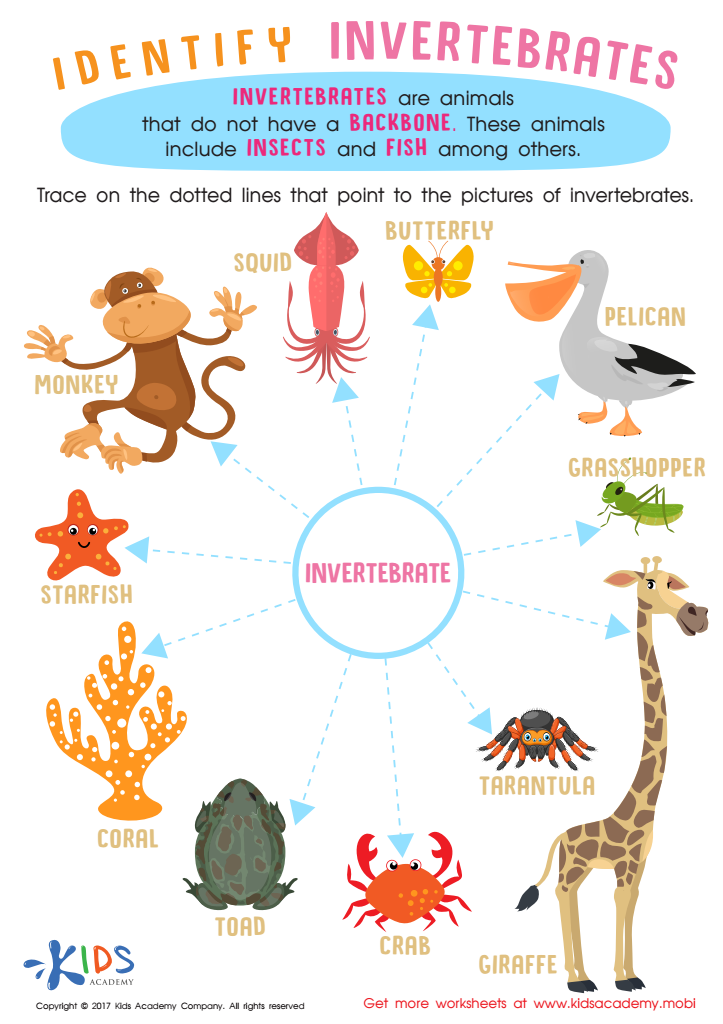
Invertebrates Worksheet for Grade 3
 Assign to My Students
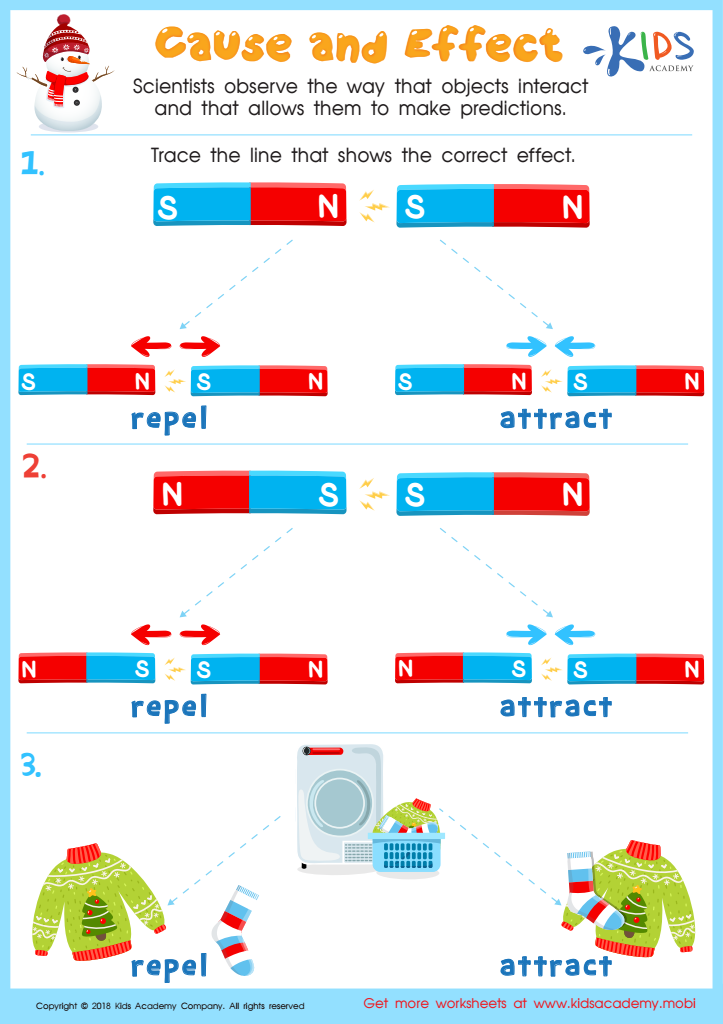
Repel and Attract Magnet Worksheet
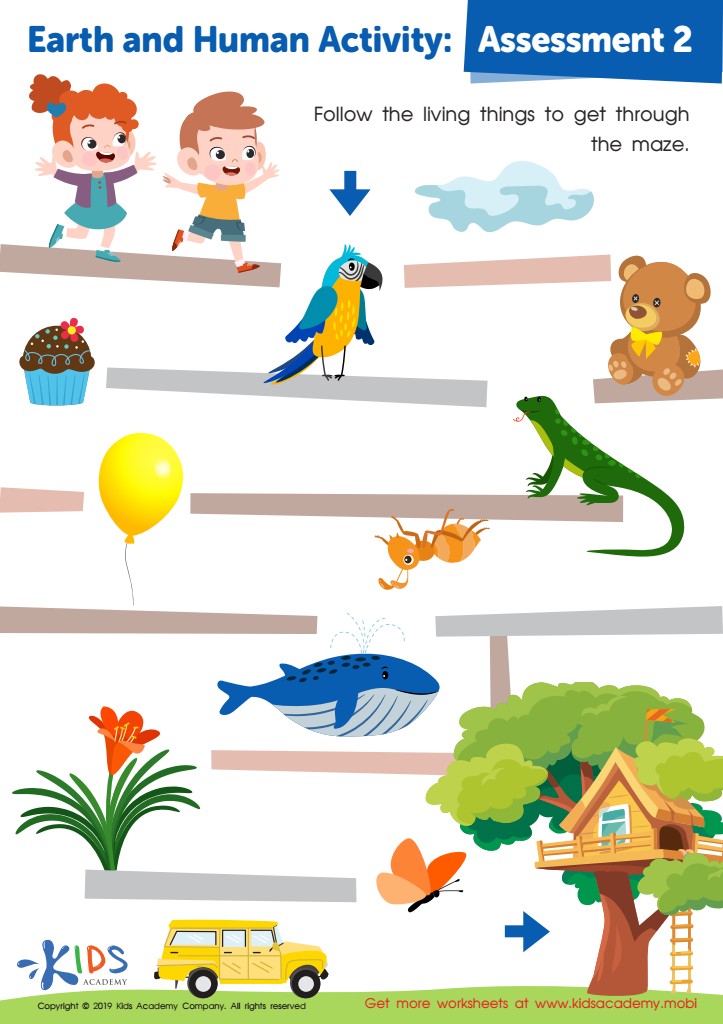
Earth and Human Activity: Assessment 2 Worksheet
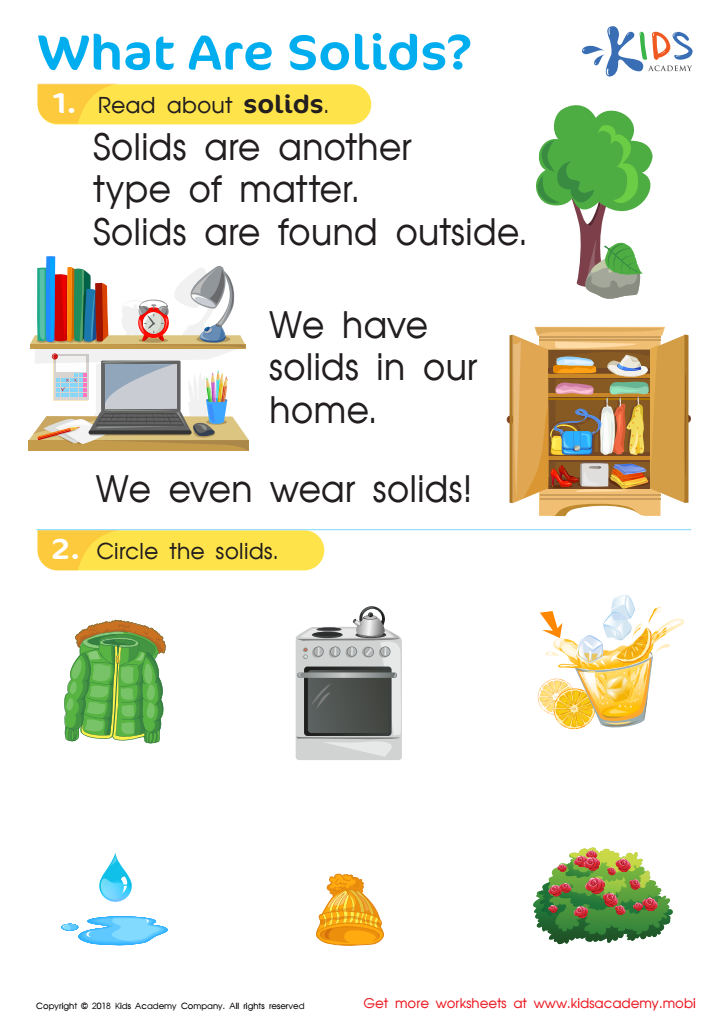
What Are Solids? Worksheet
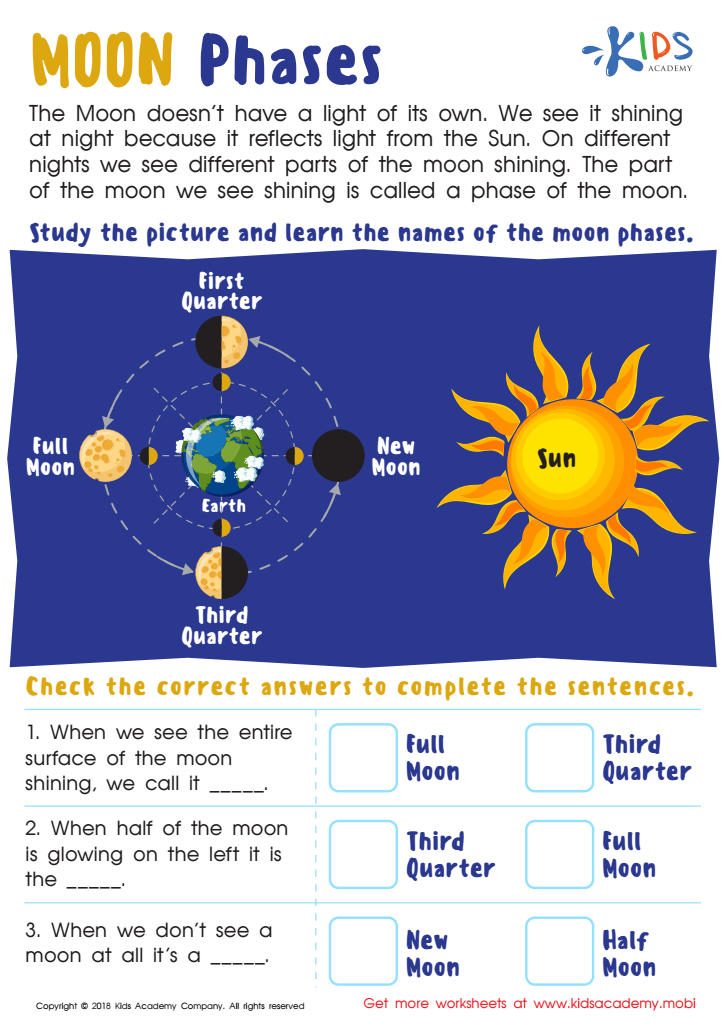
Moon Phases Worksheet
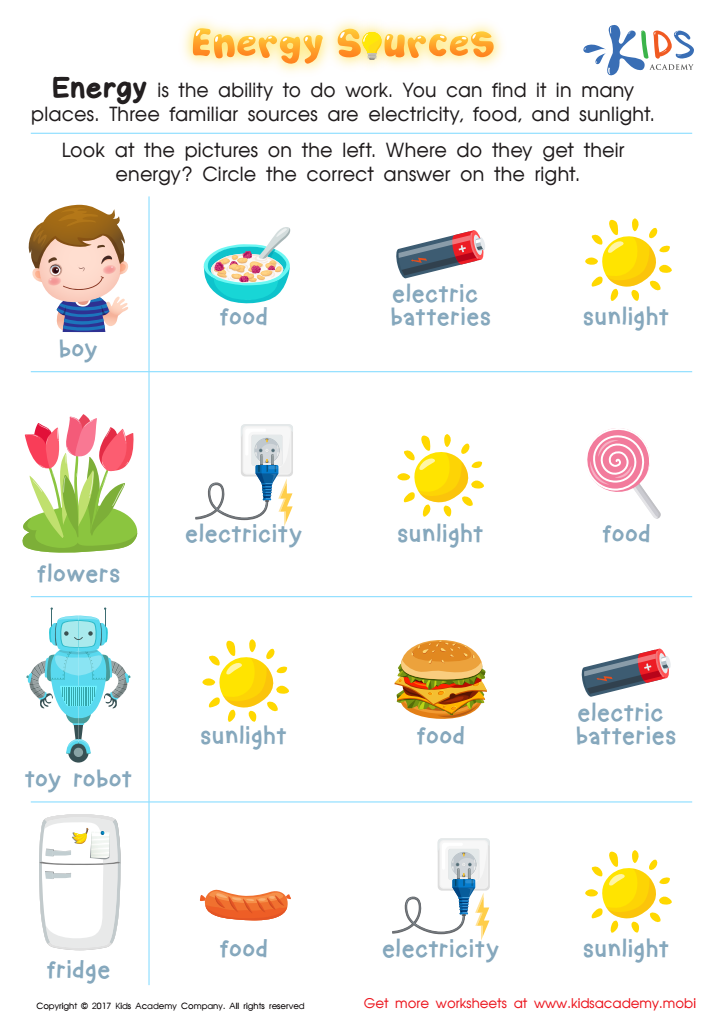
Energy Sources Printable







Parents and teachers should care about knowledge application in science for ages 6-9 because it sparks curiosity, fosters critical thinking, and lays the foundation for lifelong learning. At this stage, children are naturally curious and enthusiastic about exploring the world around them. Integrating hands-on science activities capitalizes on this innate curiosity, making learning relatable and engaging. When children see real-world applications of scientific concepts, they are more likely to retain information and understand its relevance.
Applying scientific knowledge also enhances critical thinking and problem-solving skills. Engaging students in experiments and guided inquiries teaches them to hypothesize, analyze results, and draw conclusions, skills that are essential not only in science but across all academic subjects and life situations. Moreover, early exposure to scientific thinking cultivates a growth mindset, encouraging kids to ask questions, explore new ideas, and learn from mistakes.
Additionally, emphasizing the application of science at a young age can help bridge the gender gap in STEM fields by challenging stereotypes and showing all children that they can be scientists. By nurturing a positive attitude toward science, we prepare children for future academic challenges and inspire a new generation of innovators and critical thinkers.







