Shape Recognition Science Worksheets for Ages 6-9
5 filtered results
-
From - To
Discover our engaging Shape Recognition Science Worksheets designed specifically for children aged 6-9. These interactive worksheets employ hands-on activities to help young learners identify and differentiate between various shapes. Perfect for reinforcing math and science skills, our worksheets make learning fun through a series of puzzles, games, and colorful visuals. Each activity encourages critical thinking and problem-solving, fostering a strong foundation in shape recognition essentials. Ideal for both classroom and home use, these worksheets support children in mastering geometric concepts, enhancing spatial awareness, and building confidence in their learning journey. Start exploring and watch your child's skills thrive!
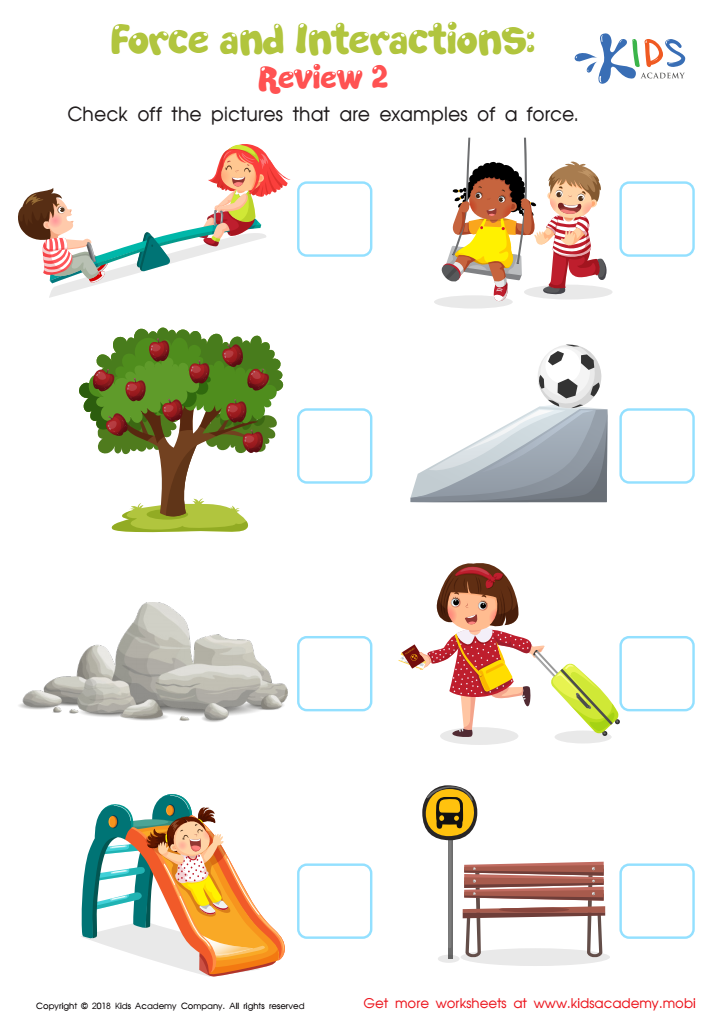
Force and Interactions: Review 2 Worksheet
 Assign to My Students
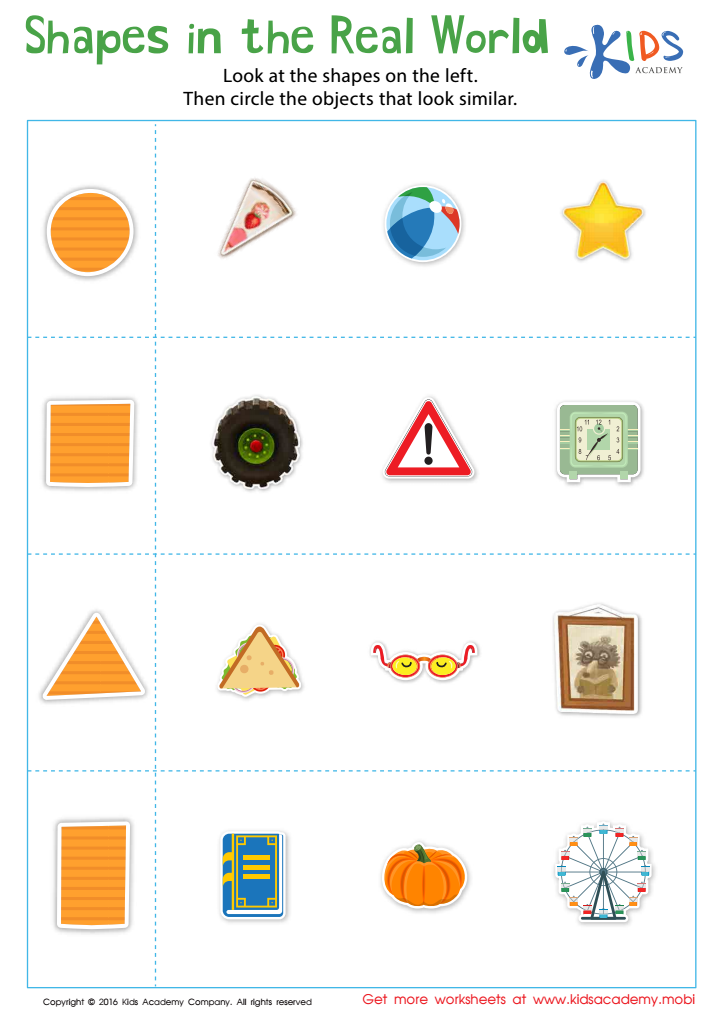
Shapes in the Real World Worksheet
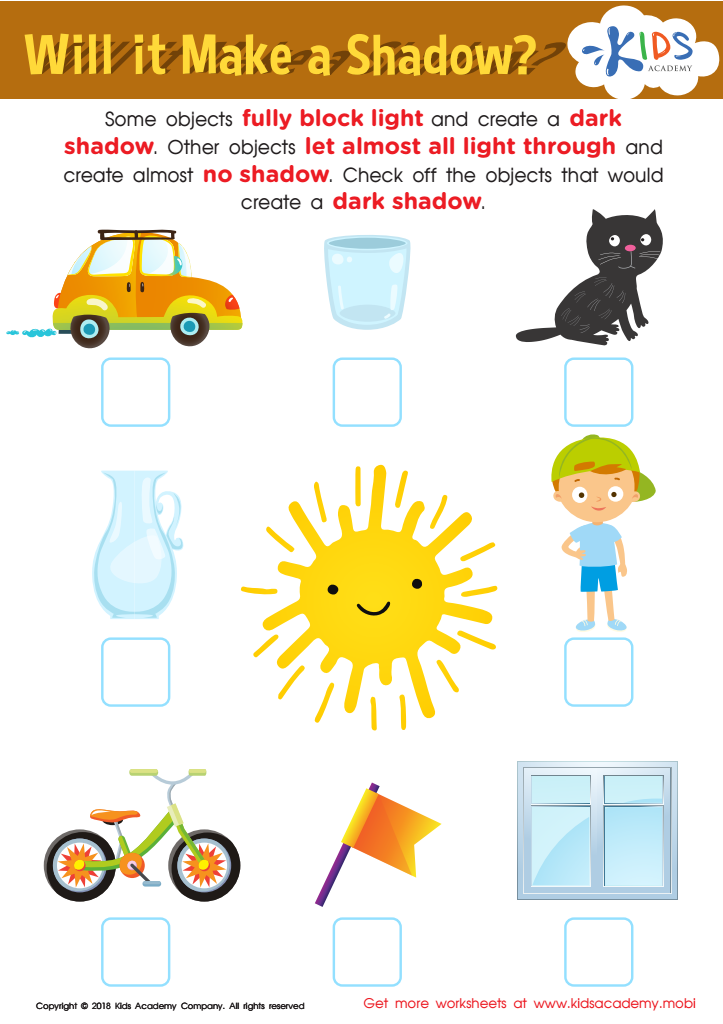
Will It Make a Shadow? Worksheet
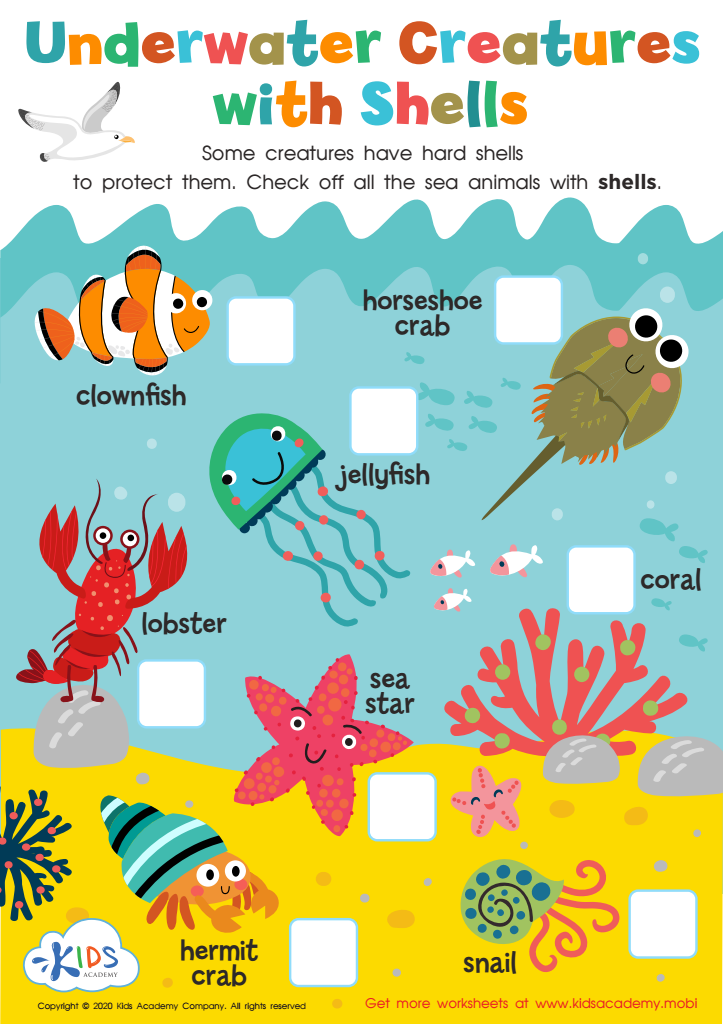
Underwater Creatures with Shells Worksheet
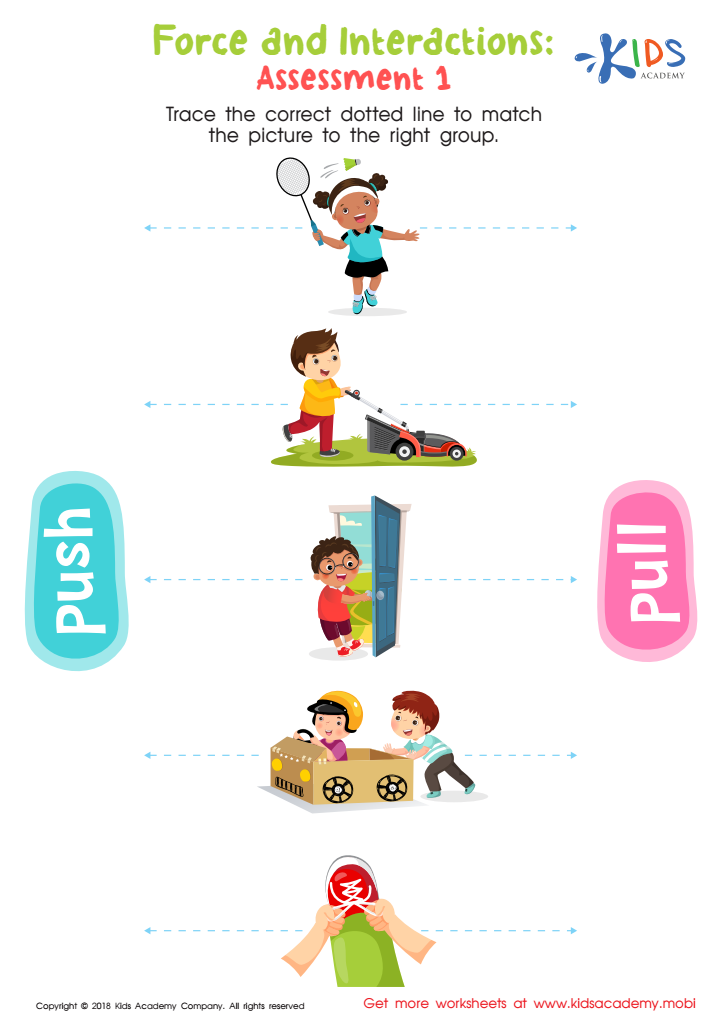
Force and Interactions: Assessment 2 Worksheet







Shape recognition is a fundamental cognitive skill crucial in early childhood development, underpinning many aspects of learning. For children aged 6-9, honing this ability supports not just mathematics but also literacy, science, and general analytical skills.
In mathematics, understanding and identifying shapes lay the groundwork for geometry, helping children grasp concepts like symmetry, spatial awareness, and problem-solving. Recognizing patterns through shapes aids in higher-level math skills later on, such as fractions and algebra.
Beyond math, shape recognition bolsters literacy. For example, recognizing letters and numbers involves distinguishing various shapes, enhancing reading and writing foundations. This skill also extends to understanding graphs and charts, pivotal for science education.
Shape recognition fosters critical thinking and observational skills, as children learn to decipher their surroundings, categorize objects, and spot relationships between different elements. These abilities are stepping stones for advanced cognitive functions like logical reasoning, which is essential across all academic disciplines and real-world situations.
Moreover, early confidence in understanding shapes and spatial concepts can build a child's self-esteem, encouraging a positive attitude towards learning. Thus, parents and teachers should prioritize shape recognition science, as it equips young children with the essential tools for academic success and everyday problem-solving.







