Understanding habitats Science Worksheets for Ages 6-9
5 filtered results
-
From - To
Explore the wonders of nature with our "Understanding Habitats" Science Worksheets, designed specifically for children ages 6-9. These engaging and educational worksheets help young learners discover different habitats, the animals that inhabit them, and their significance in the ecosystem. With vibrant illustrations and interactive activities, kids will develop essential observation and analytical skills while having fun. Our carefully crafted content aligns with educational standards, making it perfect for both classroom use and at-home learning. Dive into the world of environments like forests, deserts, and oceans, and inspire a lifelong love of science with our comprehensive resources!
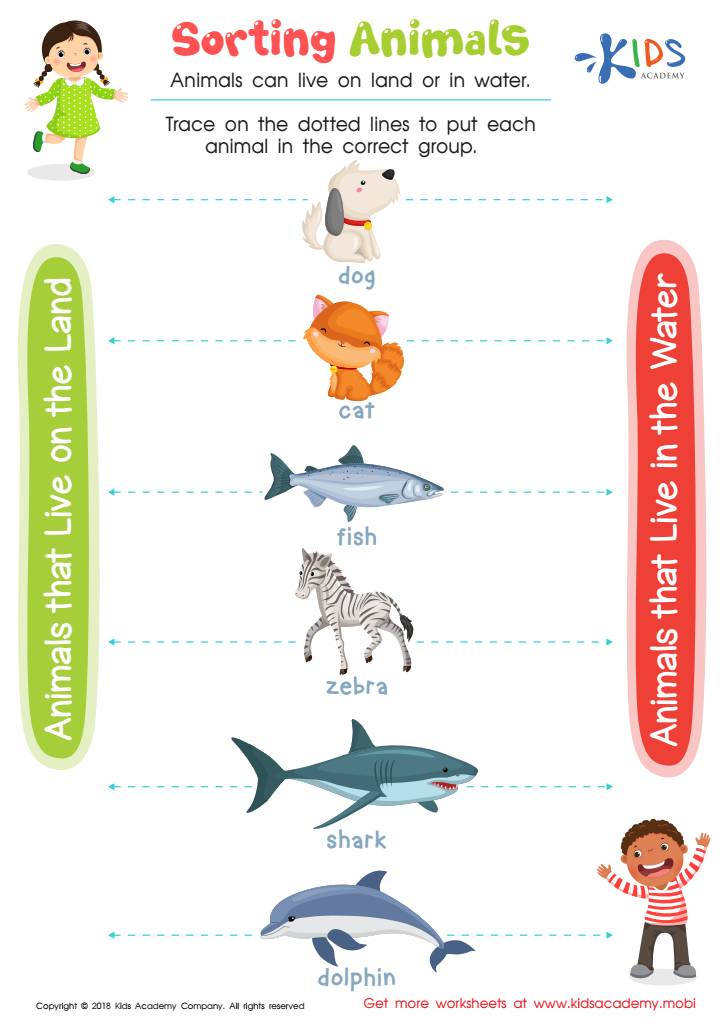
Sorting Animals Worksheet
 Assign to My Students
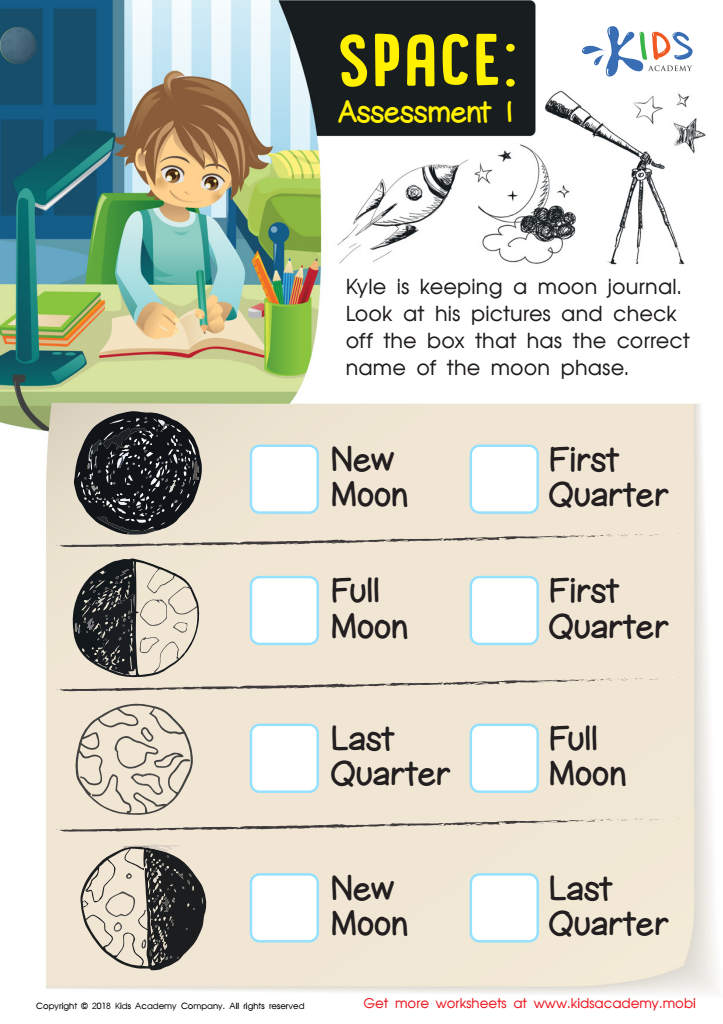
Space: Assessment 1 Worksheet
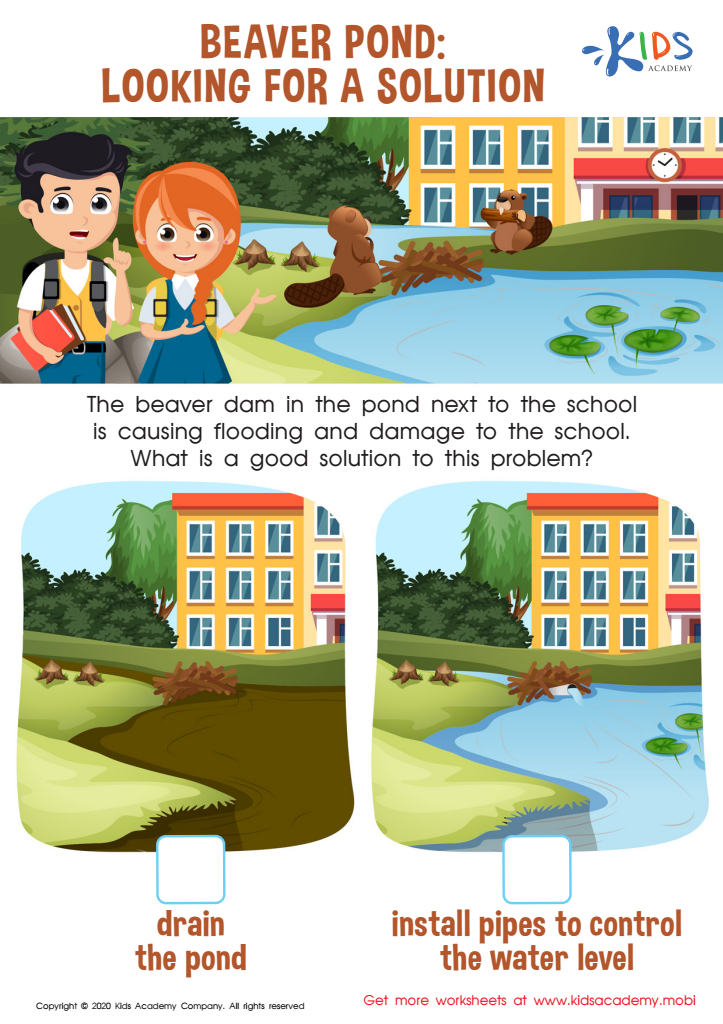
Beaver Pond: Looking for a Solution Worksheet
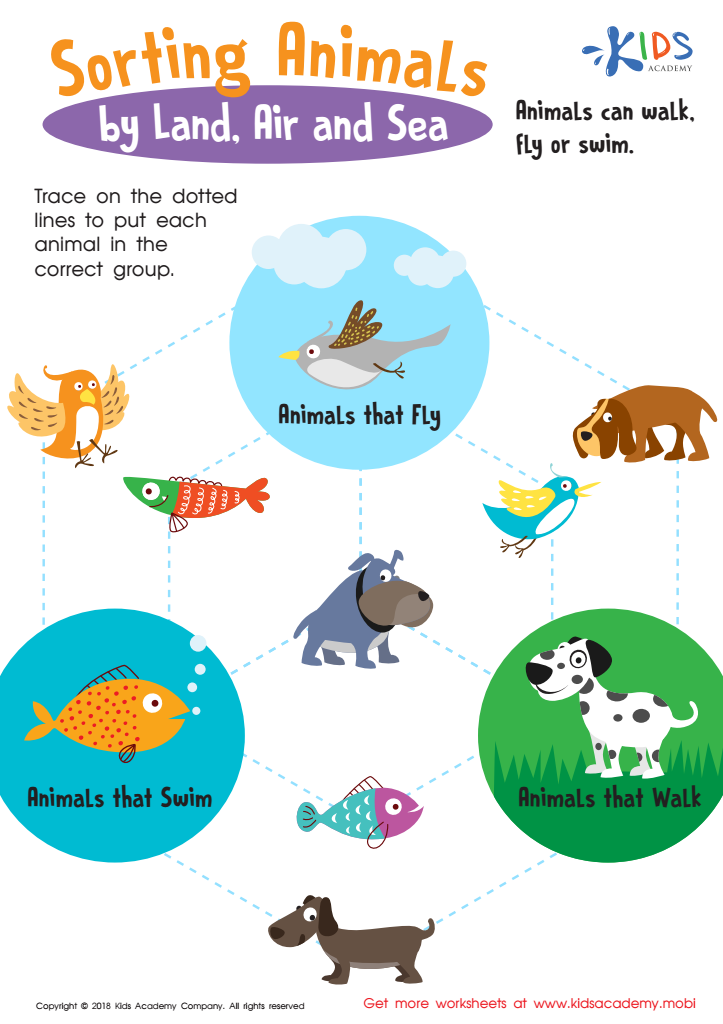
Sorting Animals by Land, Air and Sea Worksheet
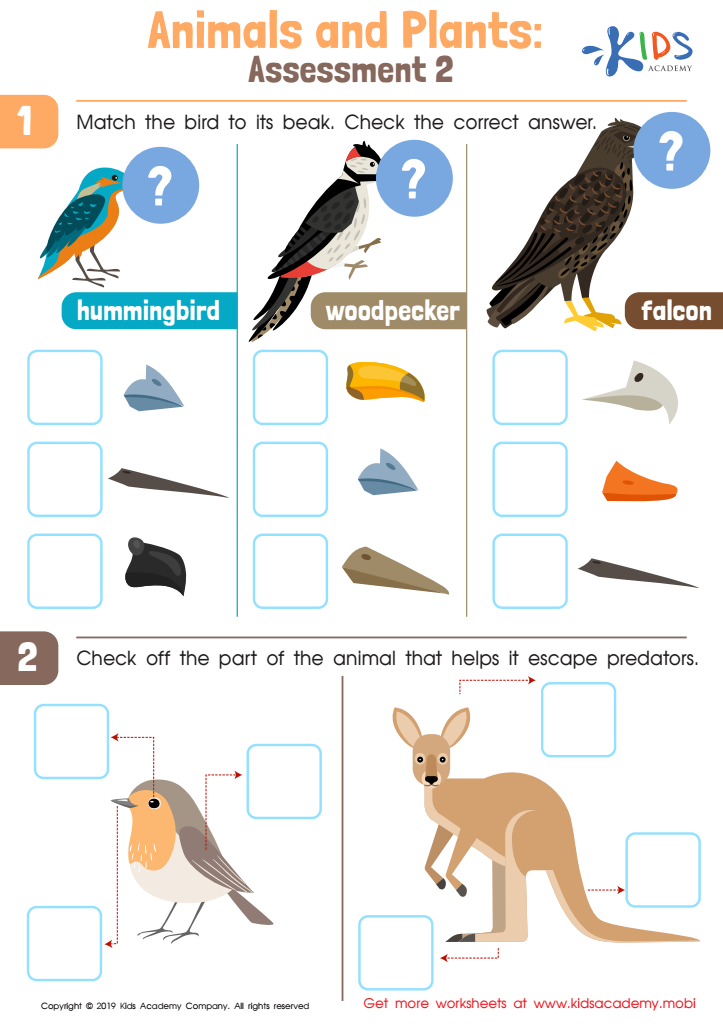
Animals and Plants: Assessment 2 Worksheet








Understanding habitats is crucial for children ages 6-9 as it fosters a foundational awareness of the environment and the intricate relationships that exist within ecosystems. Parents and teachers should prioritize this topic because it cultivates curiosity about the world, encouraging children to explore and observe the natural surroundings. This exploration enhances critical thinking and observational skills, essential for scientific inquiry.
Teaching young learners about habitats promotes empathy towards living creatures and their environments. When children grasp how various species depend on their habitats for survival, they begin to appreciate biodiversity. Such gratitude increases their responsibility towards nature, moulding them into stewards who care about conservation and sustainability.
Additionally, knowledge of habitats integrates well with various subjects, including science, art, and geography, making learning comprehensive and engaging. The interactive nature of exploring habitats can also strengthen family bonds through outdoor activities like nature walks, deepening children’s connection to their communities.
Lastly, fostering an early awareness of environmental issues prepares children to make informed decisions as future adults. By nurturing an understanding of habitats today, parents and teachers empower children to become advocates for the environment, ensuring a healthier planet for generations to come.







