Critical thinking development Plants and Animals Worksheets for Ages 6-9
3 filtered results
-
From - To
Discover our engaging "Critical Thinking Development: Plants and Animals Worksheets" designed specifically for children ages 6-9. These worksheets foster cognitive skills through interactive activities centered on the fascinating world of flora and fauna. Your students will enhance their analytical thinking, problem-solving abilities, and inquisitive nature while exploring essential concepts of plants and animals. Each worksheet encourages creativity, collaboration, and independent thought, making learning both fun and effective. Ideal for classrooms or home study, our resources provide a comprehensive approach to science education. Unlock your child’s potential and watch their critical thinking skills bloom with hands-on exploration!
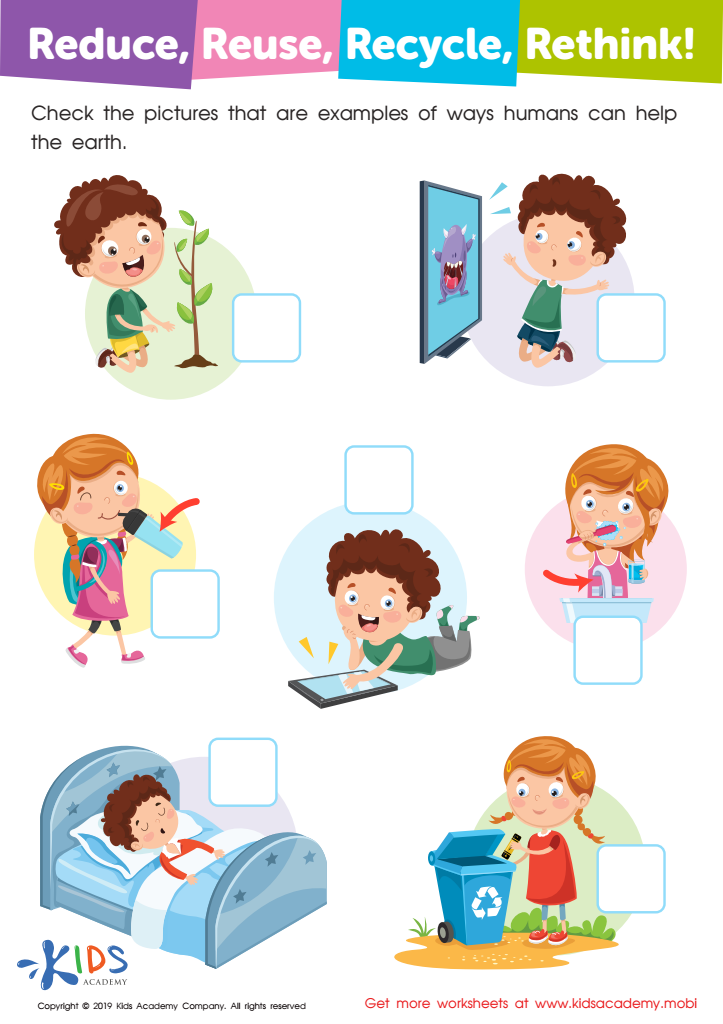
Reduce, Reuse, Recycle, Rethink Worksheet
 Assign to My Students
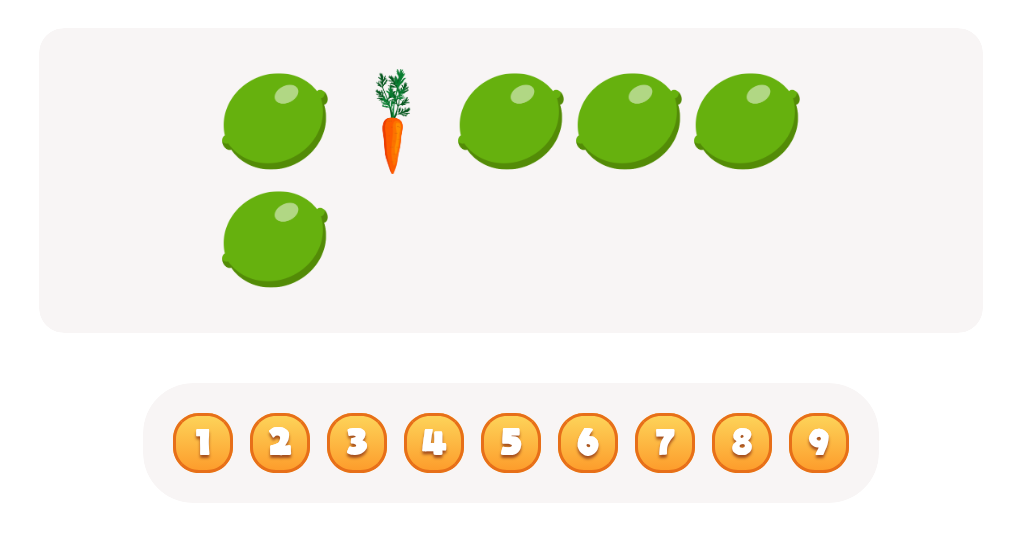


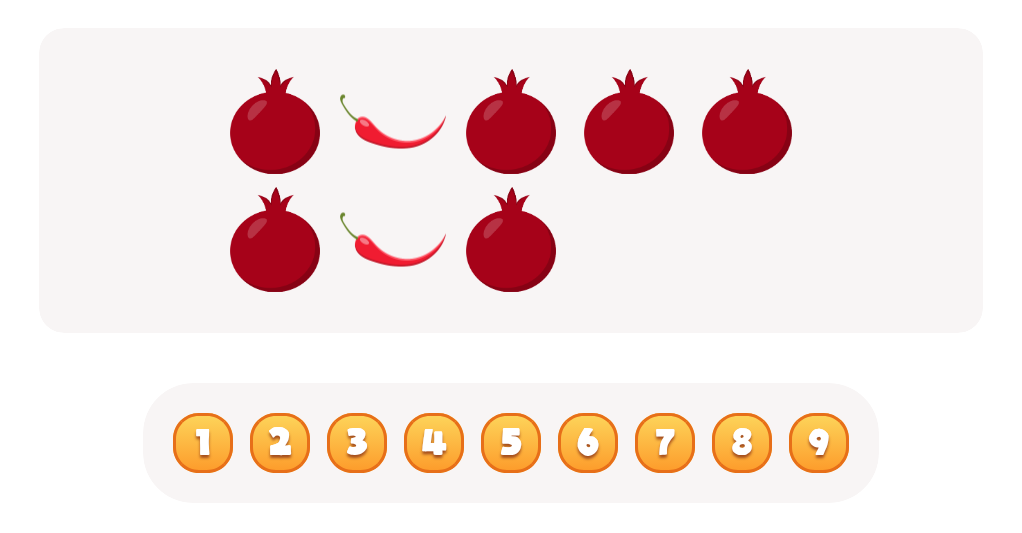
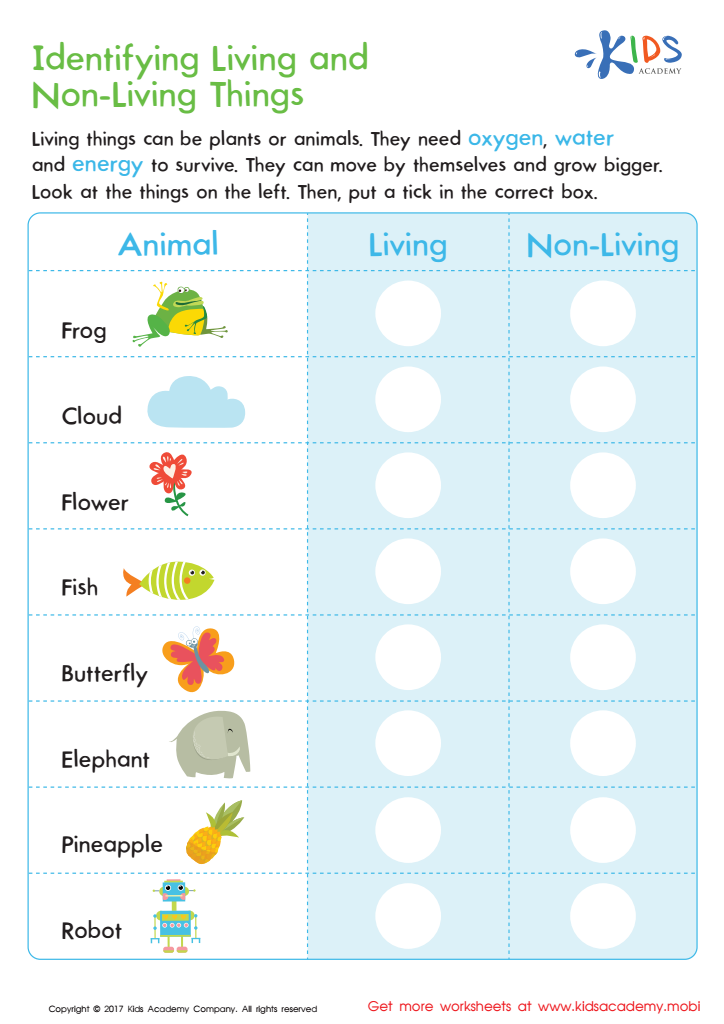
Identifying Living or Non–living Worksheet
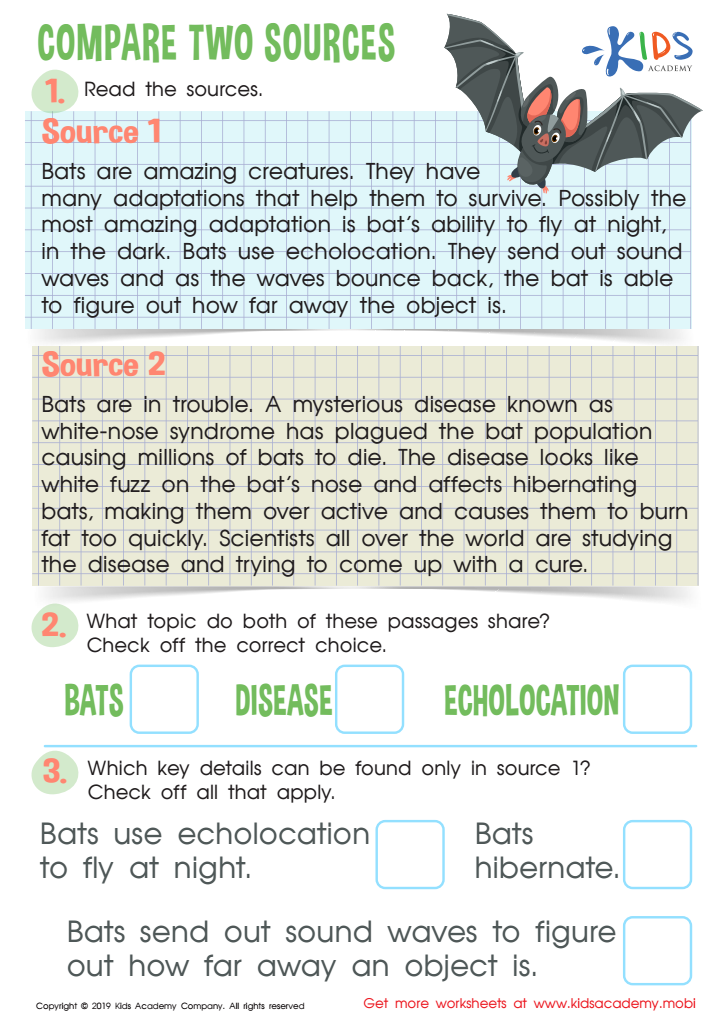
Compare Two Sources Worksheet








Critical thinking development in the context of plants and animals is essential for children aged 6-9 as it lays the foundation for scientific reasoning and lifelong problem-solving skills. During this stage, children are naturally curious about the world around them, and nurturing this curiosity through critical thinking helps them understand complex concepts related to biology and ecology.
Engaging students in activities about plants and animals encourages them to ask questions, make observations, and draw conclusions based on evidence. This exploration fosters their ability to analyze information, recognize patterns, and develop hypotheses. For instance, comparing plant growth under different conditions or observing animal behaviors can inspire experiments that boost inquiry skills.
Furthermore, critical thinking in this area promotes environmental awareness, teaching children the significance of biodiversity and conservation. As they make connections between ecosystems and human impact, they become more informed and responsible citizens.
For parents and teachers, supporting critical thinking in plants and animals not only enhances academic learning but also nurtures a passion for science. This holistic approach nurtures resilient thinkers and empathetic individuals who are better equipped to tackle real-world challenges related to nature and sustainability in the future.