
Color recognition Geography Worksheets for Ages 6-9
3 filtered results
Difficulty Level
Grade
Age
-
From - To
Subject
Activity
Standards
Explore our engaging "Color Recognition Geography Worksheets for Ages 6-9" to enhance your child’s learning! Specifically designed for young learners, these printable activities seamlessly combine fun with education. Children will improve color recognition while learning about continents, countries, and landmarks. Each worksheet is carefully crafted to hold your child’s interest, fostering both cognitive and geographical skills. Perfect for both classroom and home use, these resources support early social studies education in an interactive way. Ignite your child’s curiosity and make geography an adventure with our colorful worksheets tailored for growing minds!
Favorites
With answer key
Interactive
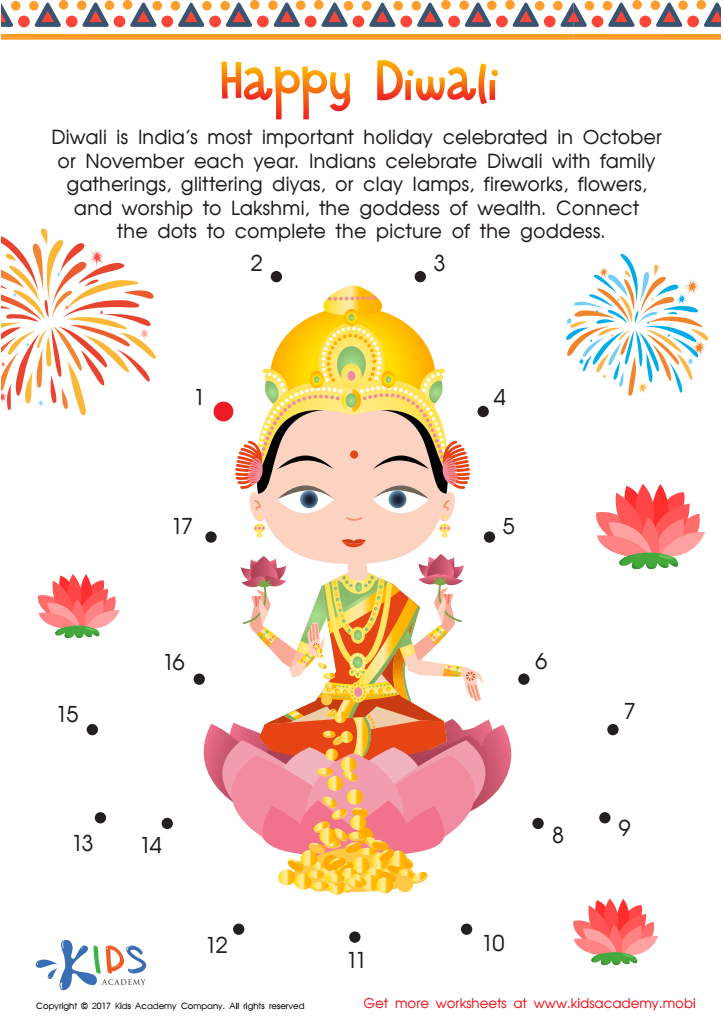
Happy Diwali Printable
Explore India this Diwali! Learn about India's most significant holiday, Diwali, with this fun-filled printable activity for kids. Your child can gain an appreciation for Indian culture with this Diwali dot to dot worksheet.
Happy Diwali Printable
Worksheet
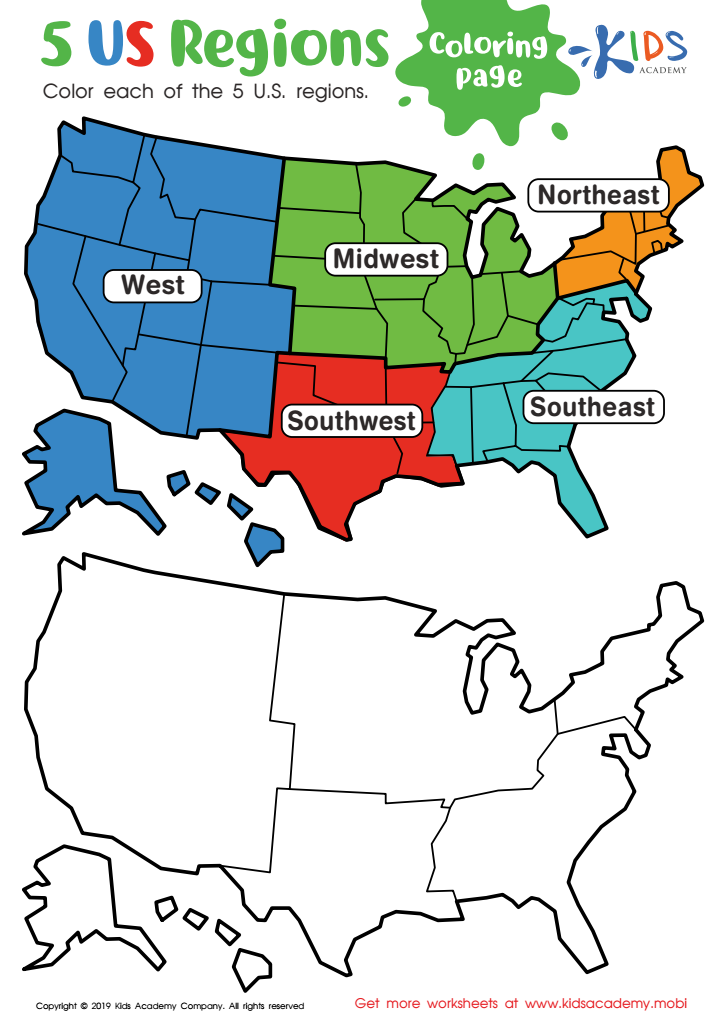
US Regions Coloring Page Worksheet
Our great nation is split into five distinct regions: Southeast, Southwest, West, Midwest, and Northeast. Each is known for its own special offerings and states. Let your kids have fun learning about the regions with a coloring activity! It's a great way for them to understand where each region stands on the map.
Download (PDF)
 Assign to My Students
Assign to My Students
US Regions Coloring Page Worksheet
Worksheet
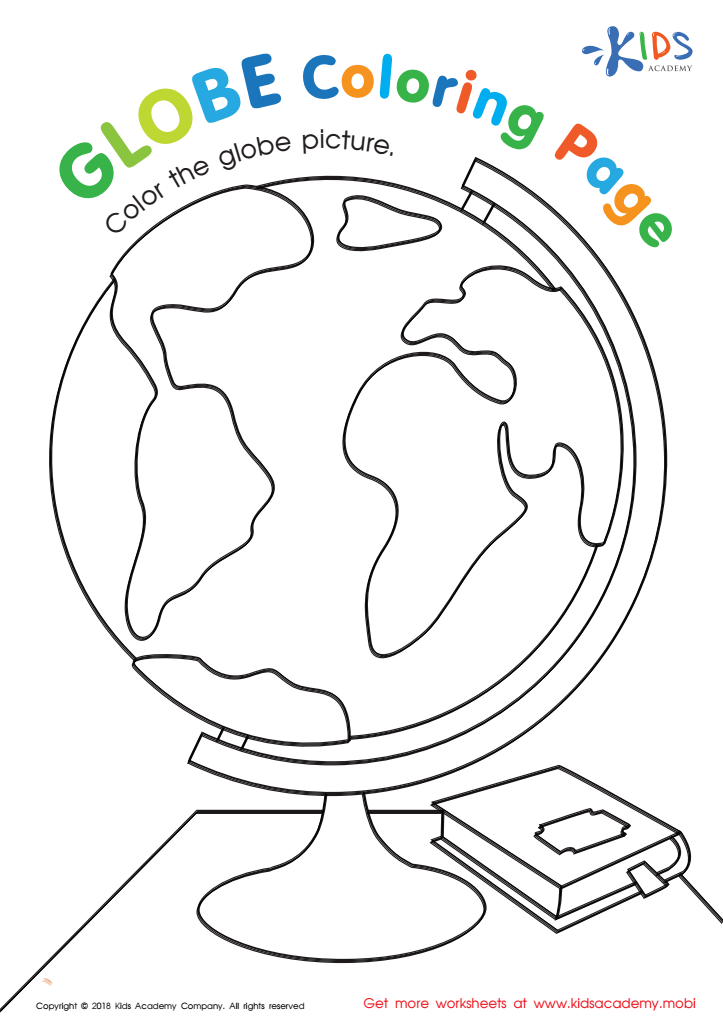
Globe Coloring Page Worksheet
Kids love coloring! Save yourself stress by giving them coloring sheets instead of letting them color on furniture and walls. This worksheet has a fun activity that engages their hands and mind - ask them to color the globe picture, and help them pick the colors.
Download (PDF)
Assign to My Students
Assign to My Students
Globe Coloring Page Worksheet
Worksheet
Join Kids Academy for Free
Who is primarily going to use this learning content?



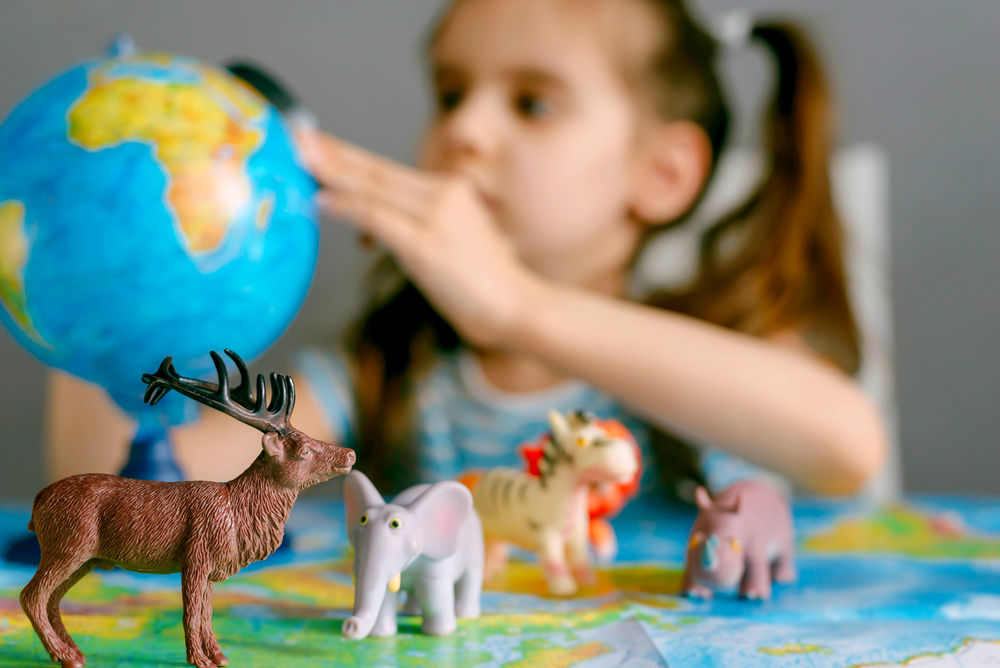



Color recognition in geography is important for children ages 6-9 as it contributes to their overall development in several key ways. Firstly, associating colors with different geographical features, like blue for water and green for forests, enhances their understanding and retention of geographical information. Maps and globes are vibrant and color-coded; being able to discern these colors enables children to grasp intricate details and broader concepts effectively.
Developing color recognition in geographical contexts also supports other academic skills. For example, it boosts their cognitive ability to categorize and organize information, which is valuable across various subjects. Moreover, recognizing colors is fundamental to reading maps, where different regions, elevations, and political boundaries might be indicated by various colors.
It also fosters critical thinking skills in children as they start making connections between colors and the corresponding real-world elements. By understanding why water bodies are marked in blue or deserts in yellow, students begin to correlate geographic knowledge with real-life visuals, enhancing their spatial thinking.
Furthermore, interacting with colorful geographical tools can make learning more engaging and enjoyable. Educational enthusiasm can spur a lifelong interest in learning about the world around them, broadening their cultural awareness and curiosity about different places and environments.
In summary, the incorporation of color recognition in geography education for young children provides both immediate and long-lasting cognitive and educational benefits.








