Critical Thinking History Worksheets for Ages 6-9
20 filtered results
-
From - To
Unlock your child's potential with our Critical Thinking History Worksheets, designed specifically for ages 6-9! These engaging, printable worksheets inspire young learners to explore historical events and figures while developing essential critical thinking skills. Carefully crafted questions and activities encourage kids to analyze information, make connections, and think deeply about past events. Ideal for classroom use or at-home learning, our worksheets align with educational standards and make history fun and accessible. Nurture your child's curiosity and analytical abilities with our comprehensive collection of history worksheets at Kids Academy. Transform learning history into an interactive, thought-provoking adventure today!
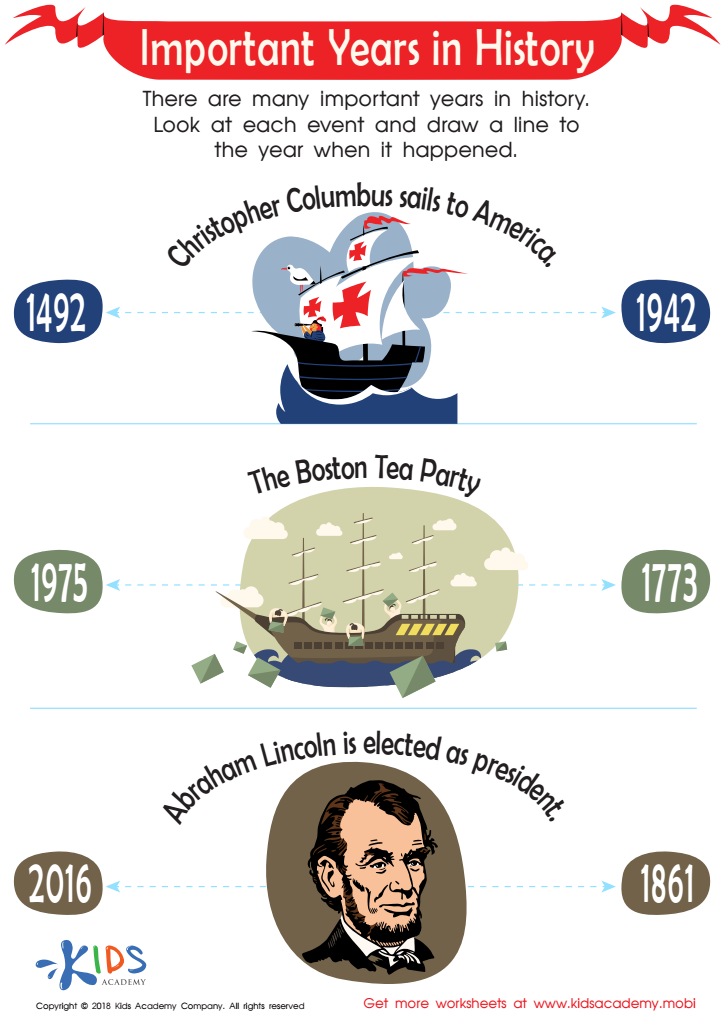
Important Years in History Worksheet
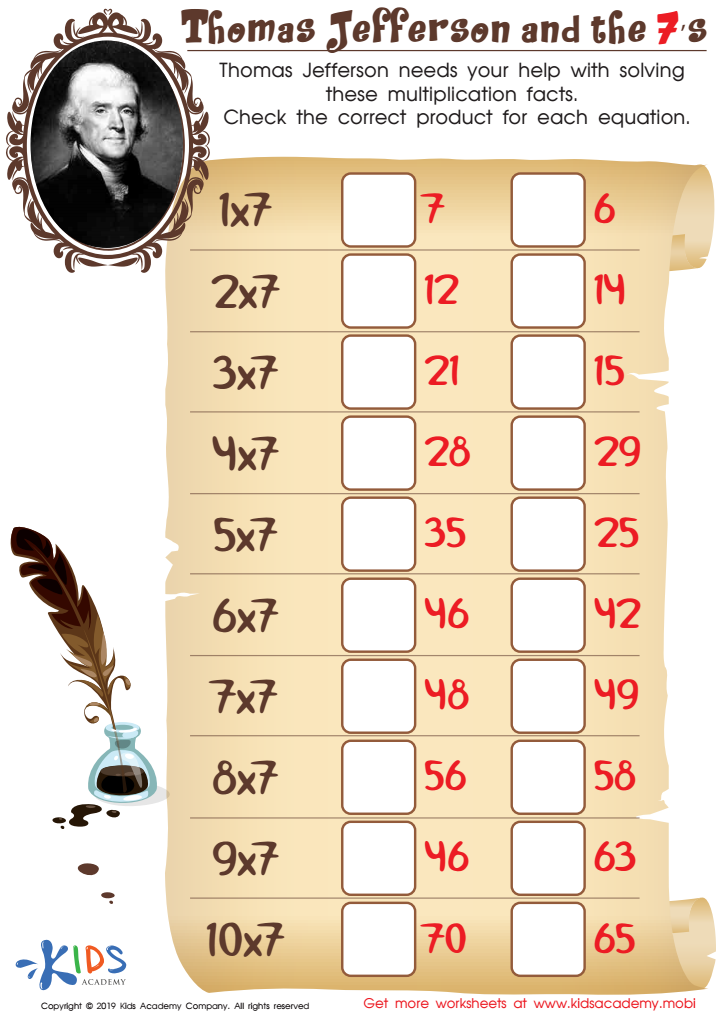
Thomas Jefferson and the 7’s Worksheet
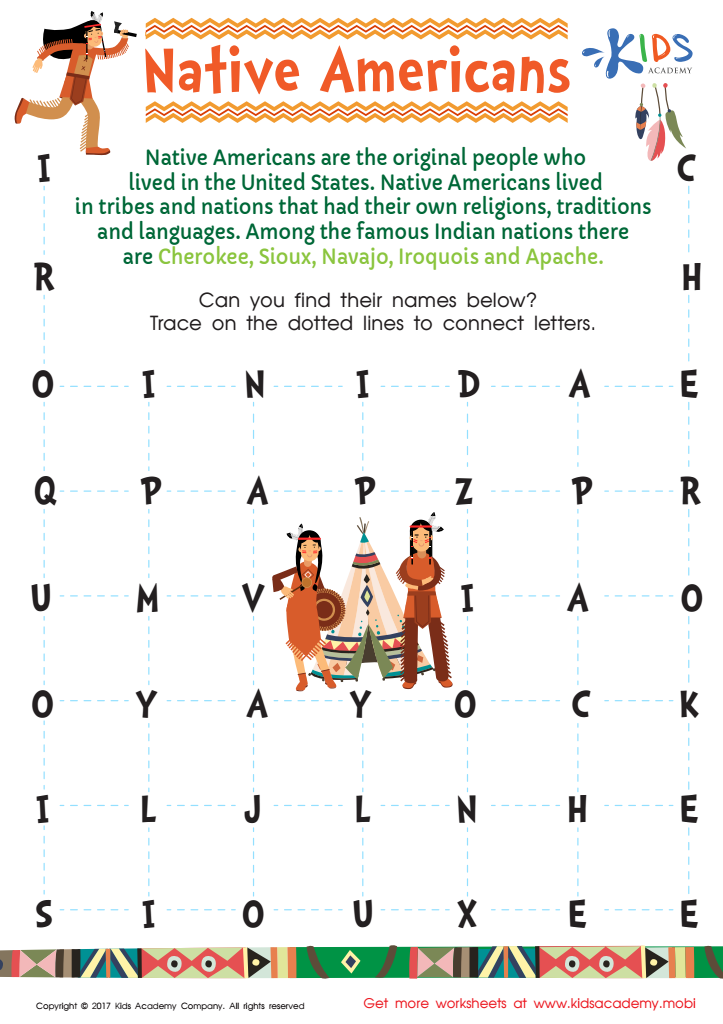
Native American Word Search Printable
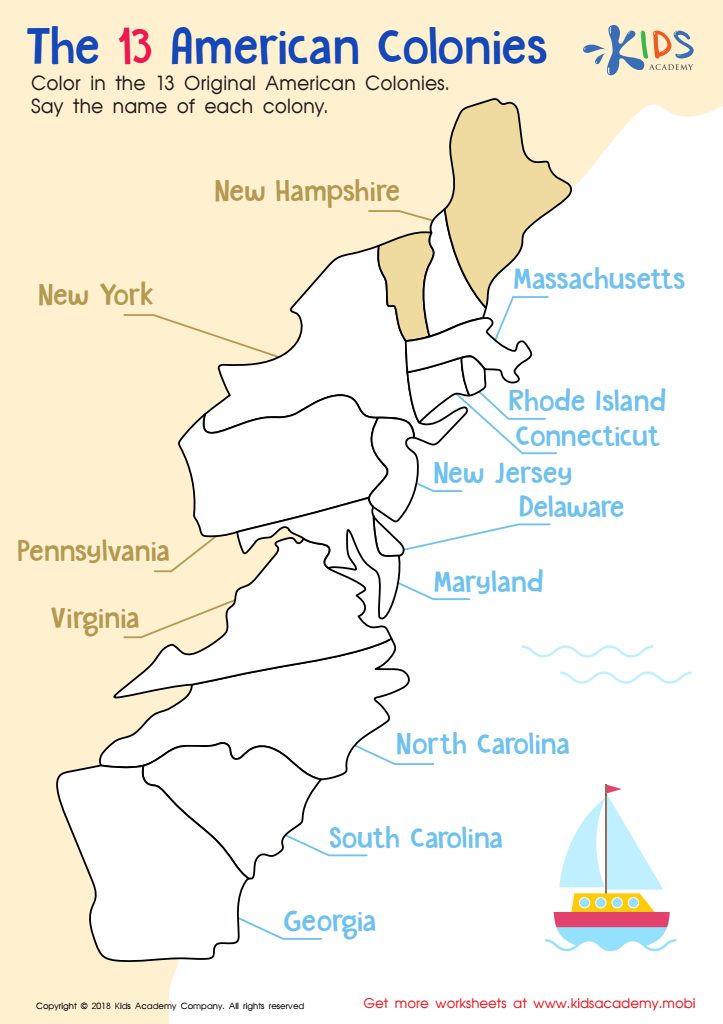
The 13 American Colonies Worksheet
 Assign to My Students
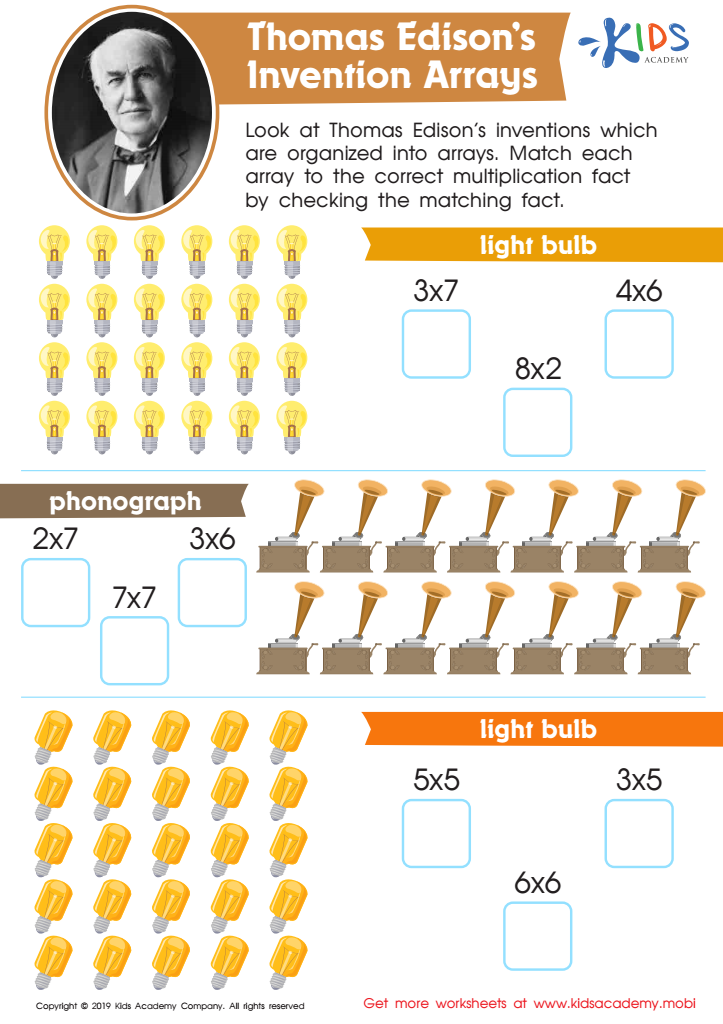
Thomas Edison’s Invention Arrays Worksheet
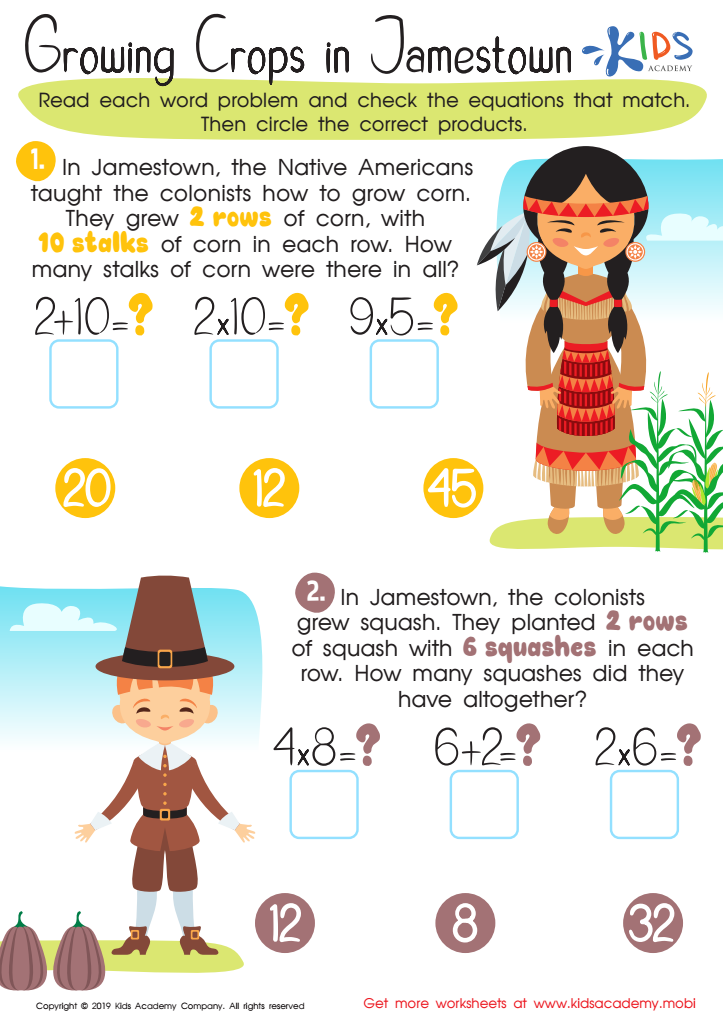
Growing Jamestown Worksheet
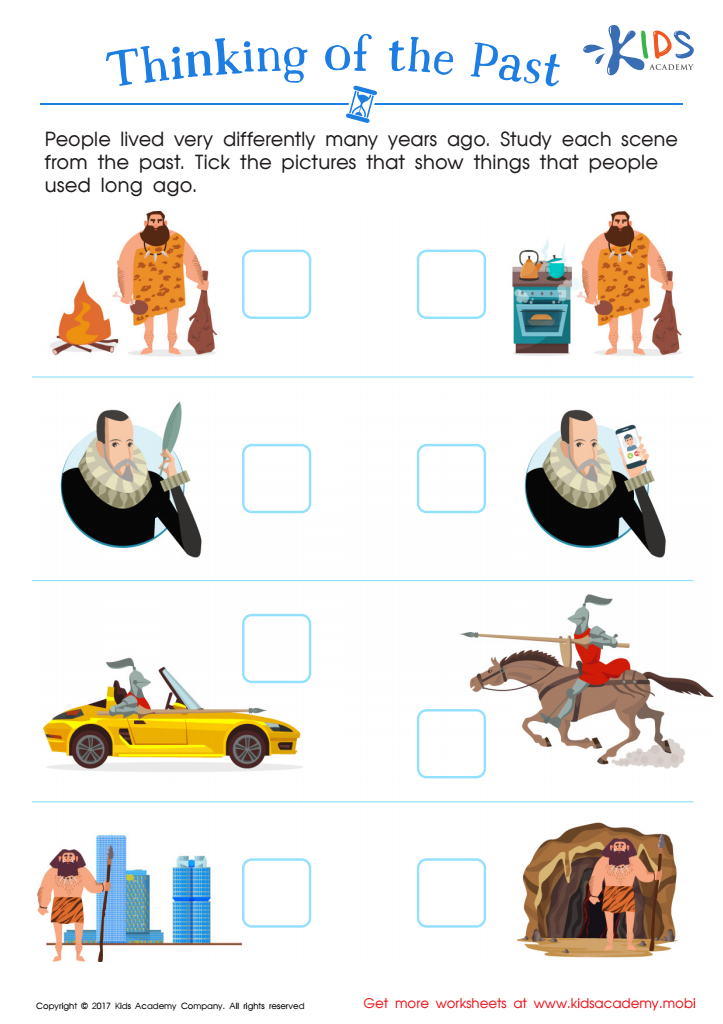
Thinking Past Printable

Thanksgiving Holiday Printable
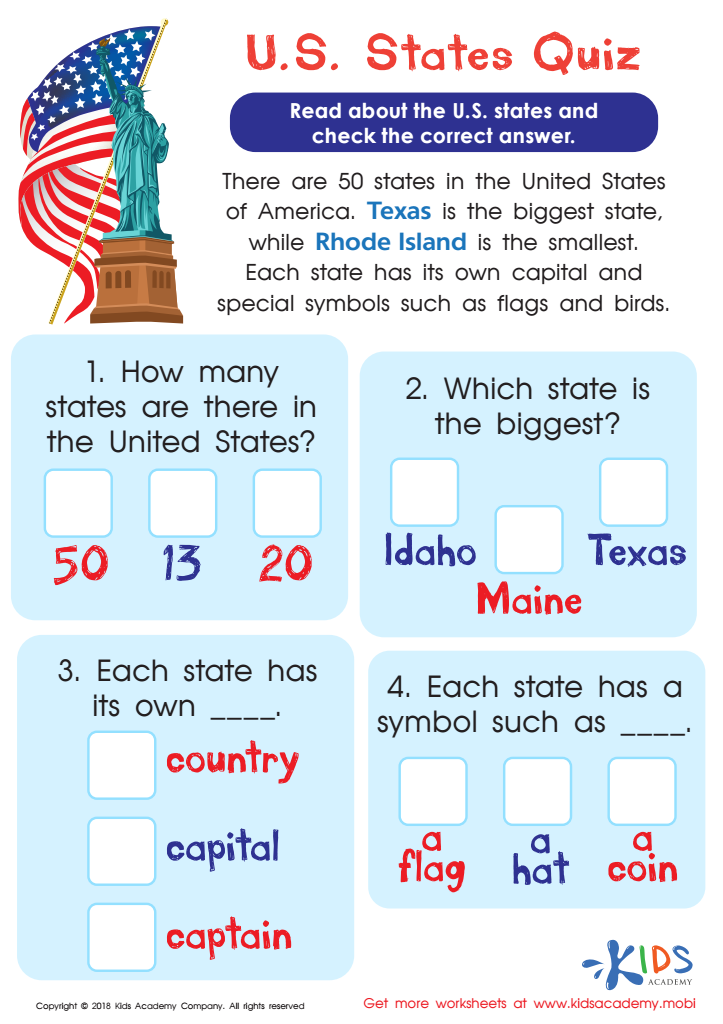
U.S. States Quiz Worksheet
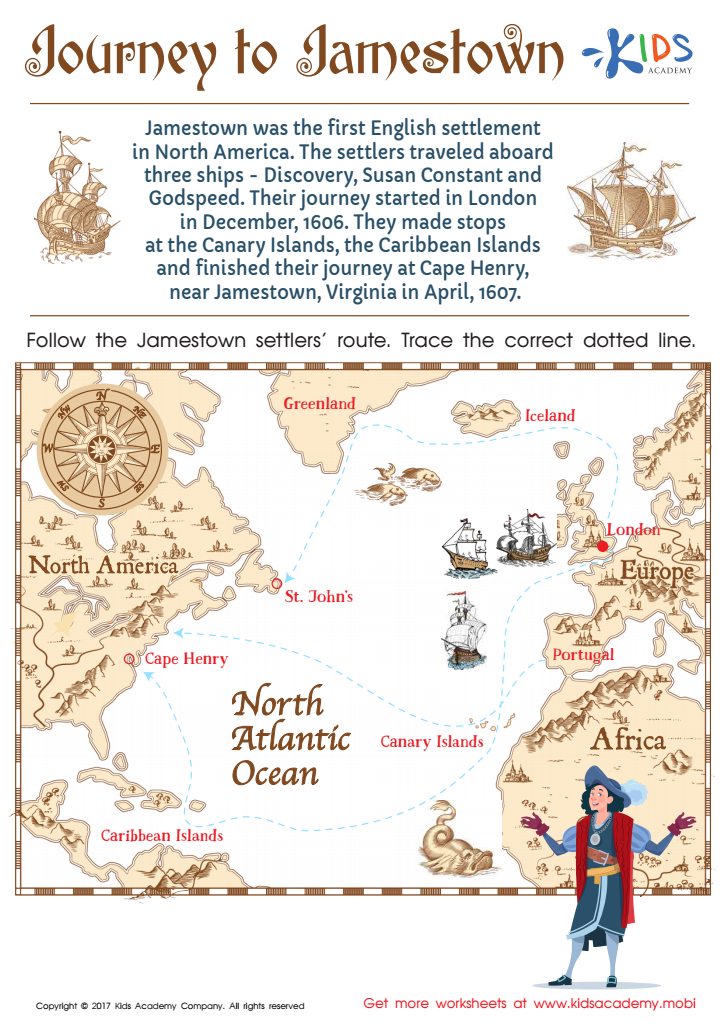
Journey to Jamestown Worksheet
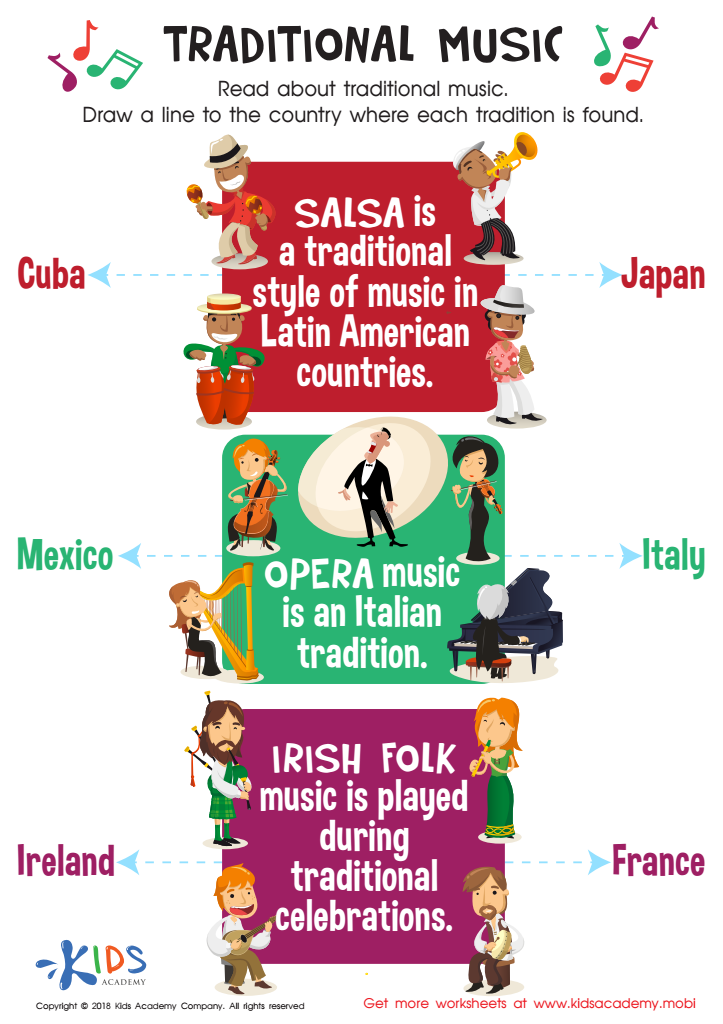
Traditional Music Worksheet
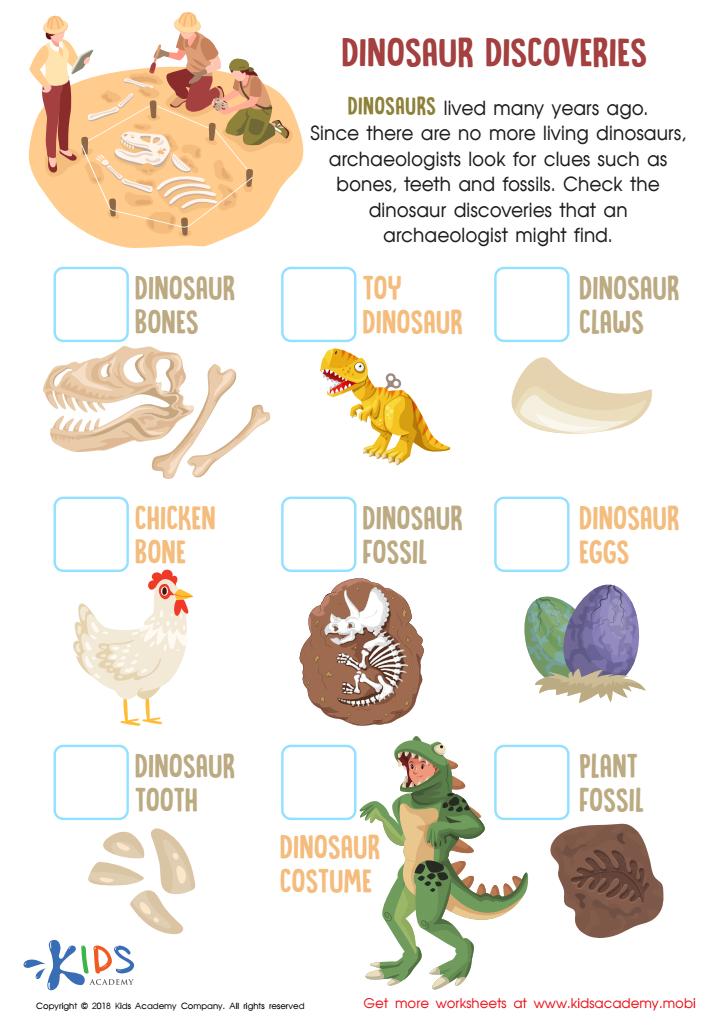
Dinosaur Discoveries Worksheet
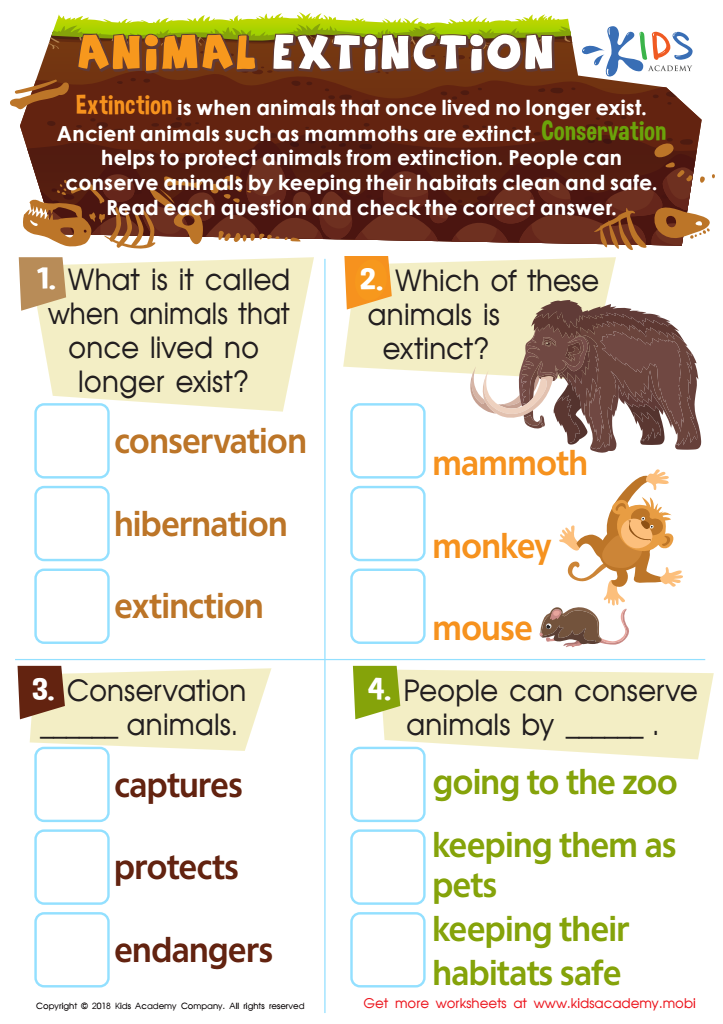
Animal Extinction Worksheet
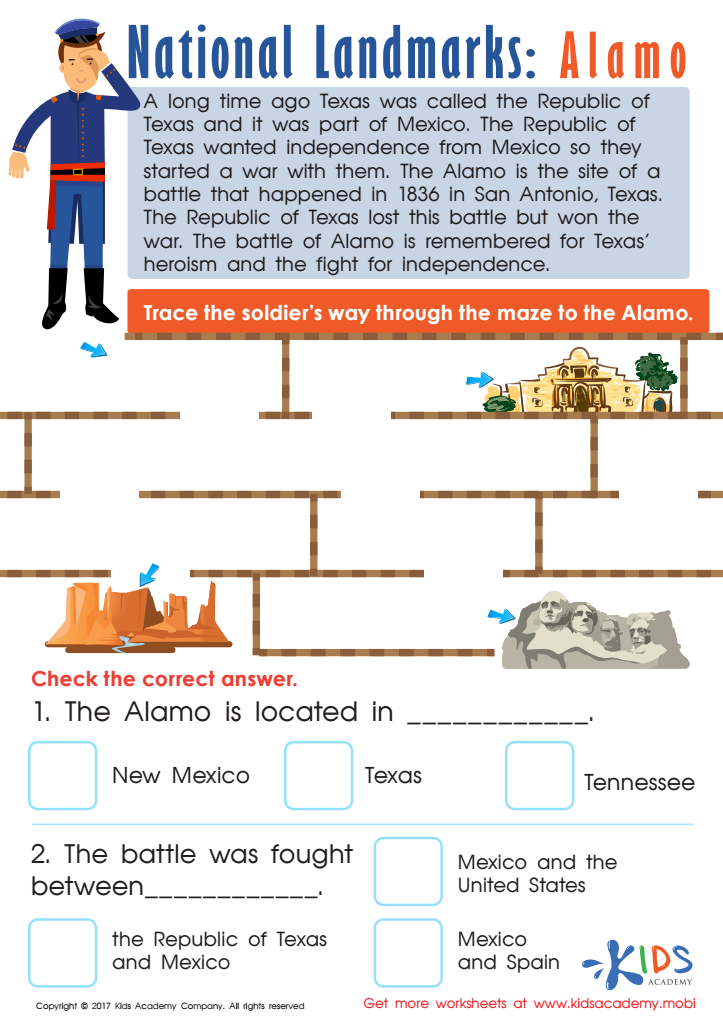
Alamo Printable Worksheet
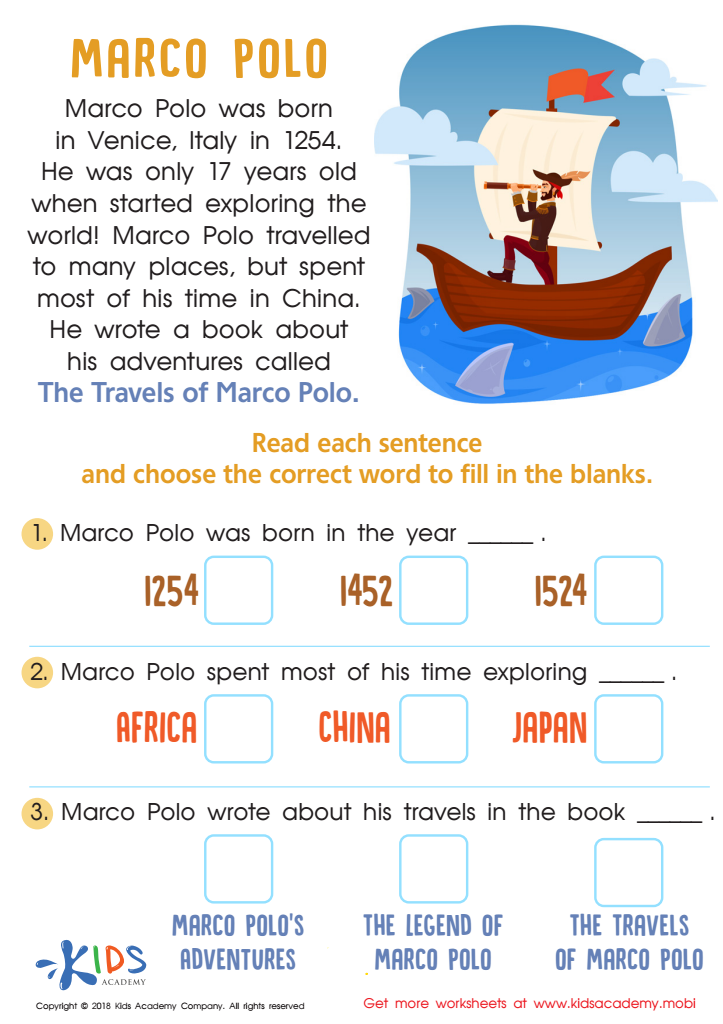
Marco Polo Worksheet
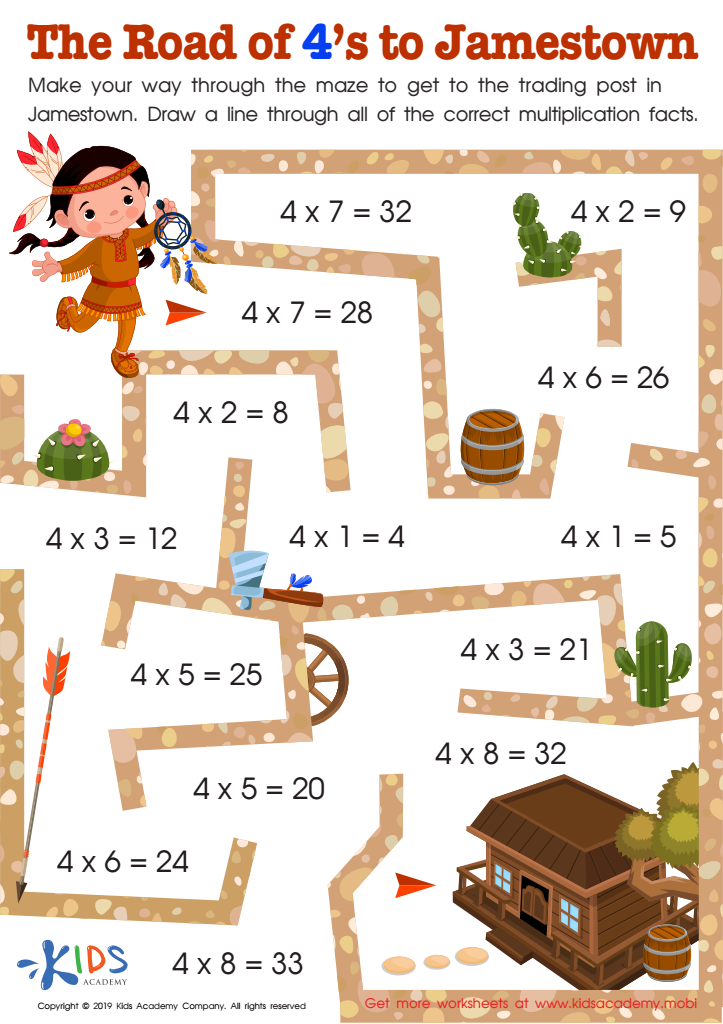
The Road of 4’s to Jamestown Worksheet
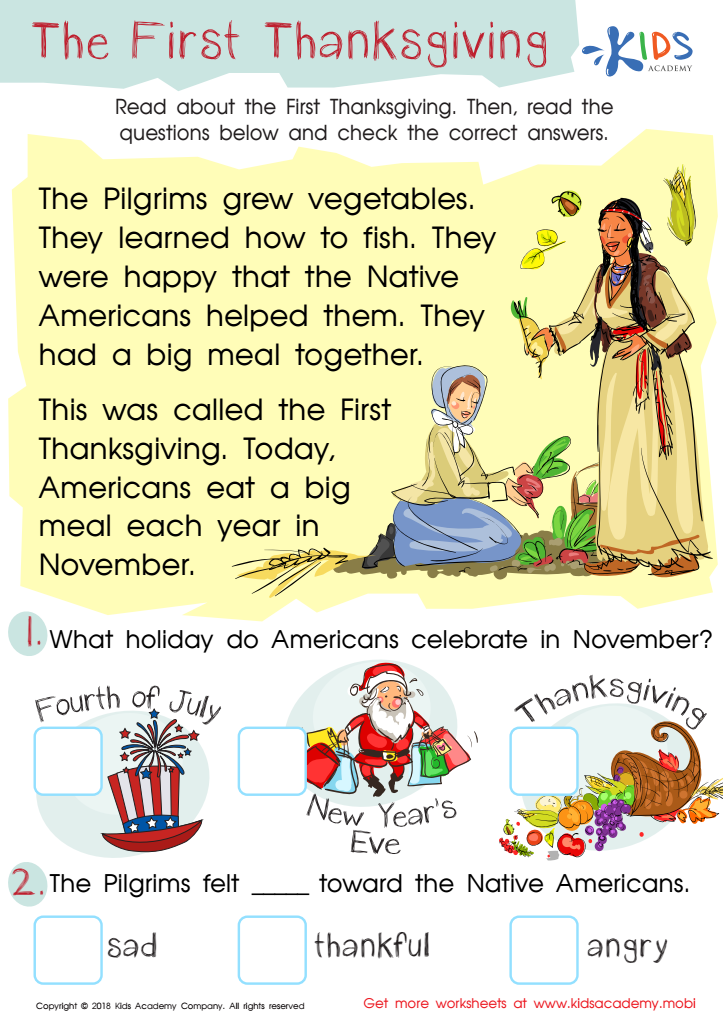
Assessment: First Thanksgiving Worksheet
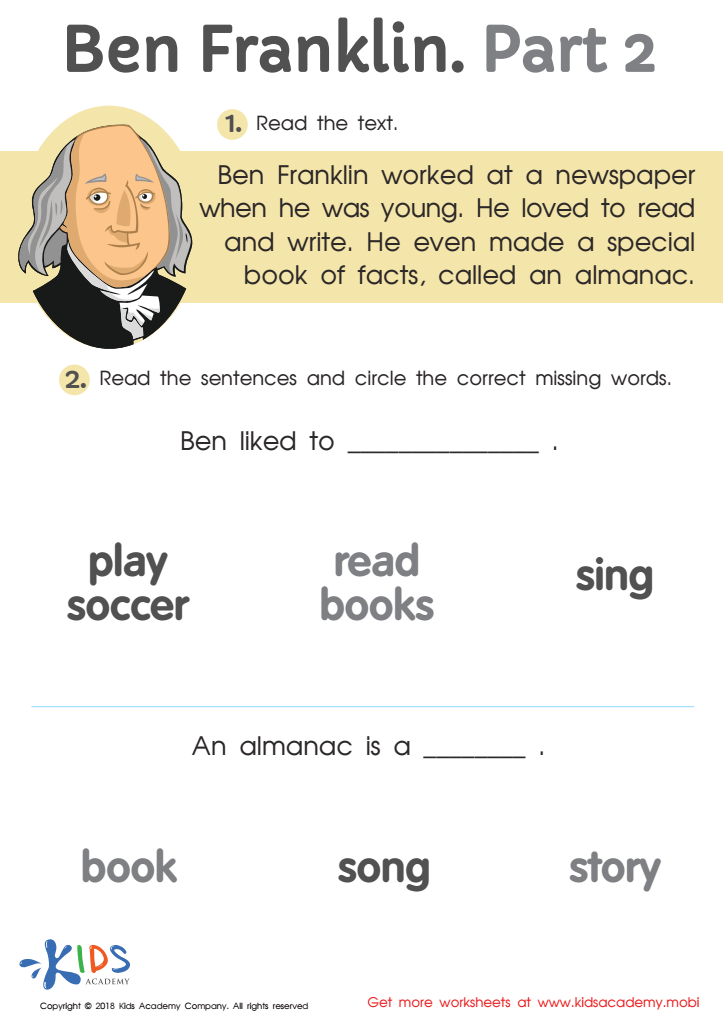
Ben Franklin Part 2 Worksheet
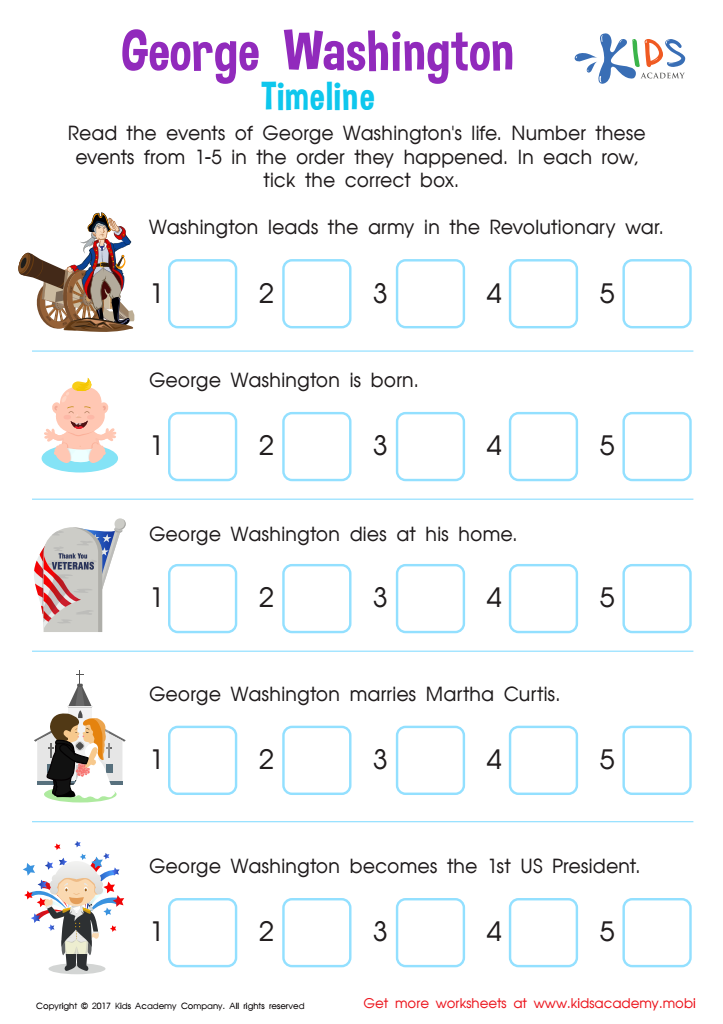
George Washington Timeline Worksheet
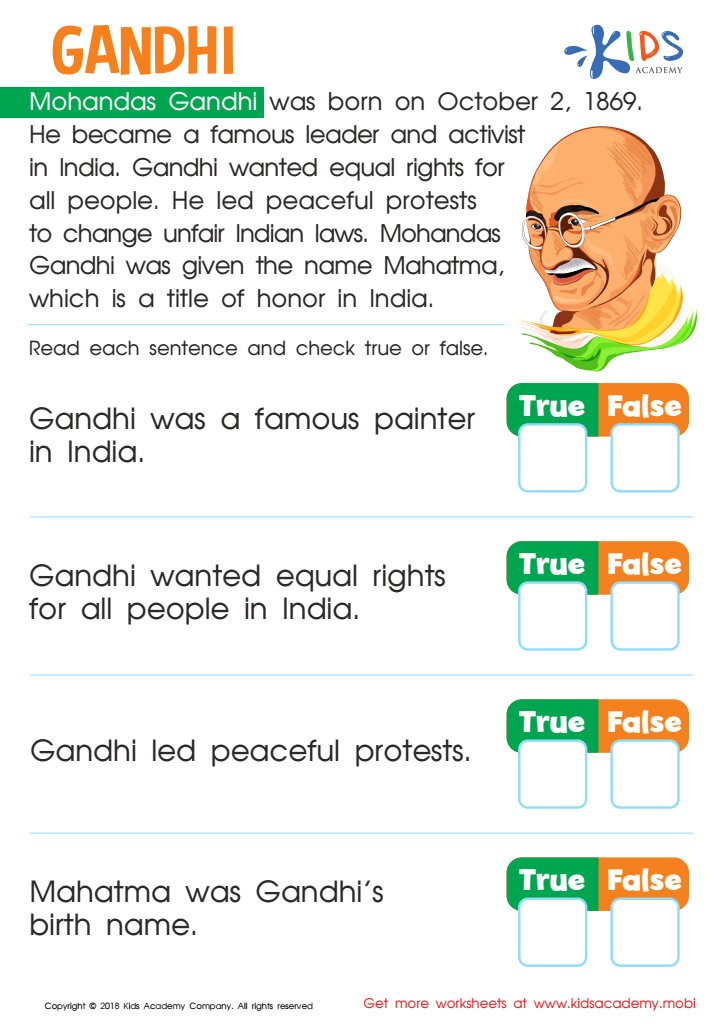
Gandhi Worksheet








Parents and teachers should care about imparting Critical Thinking History to children aged 6-9 because it lays a foundation for effective reasoning and decision-making. At this developmental stage, children's brains are highly receptive and capable of absorbing new concepts quickly, making it an ideal time to introduce the building blocks of critical thinking and historical understanding. By engaging with history critically, young learners can develop skills such as analyzing sources, identifying biases, and understanding cause-and-effect relationships.
Another important reason is that critical thinking promotes curiosity and intellectual independence. When children are taught to ask questions and scrutinize information, they become active learners rather than passive recipients of facts. These skills are applicable beyond history lessons and are valuable for lifelong learning across all disciplines.
Understanding history through a critical lens also fosters empathy and civic awareness. It enables children to appreciate diverse perspectives and understand the complexities of human experiences, shaping them into informed, open-minded individuals. Lastly, critical thinking skills can enhance problem-solving abilities and creativity, attributes that are valuable in both their academic and personal lives.
Overall, integrating Critical Thinking History into education for young children nurtures a more thoughtful, informed, and competent future generation.