Critical Thinking Social Studies Worksheets for Ages 6-9 - Page 2
30 filtered results
-
From - To

Assessment: First Thanksgiving Worksheet
 Assign to My Students
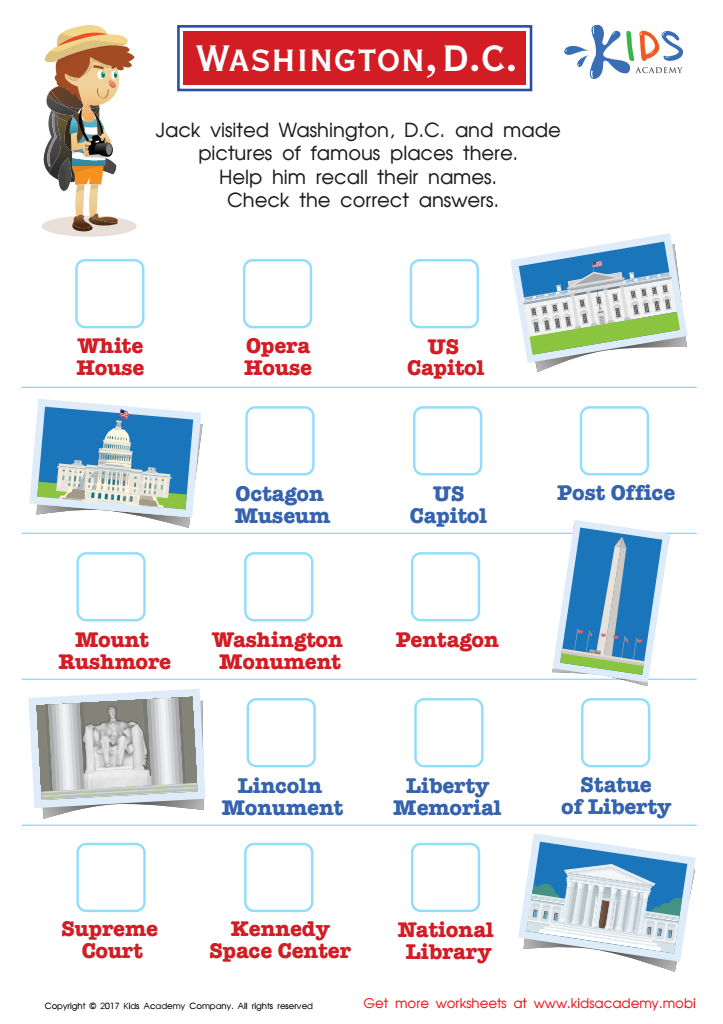
Washington D.C. Printable Worksheet
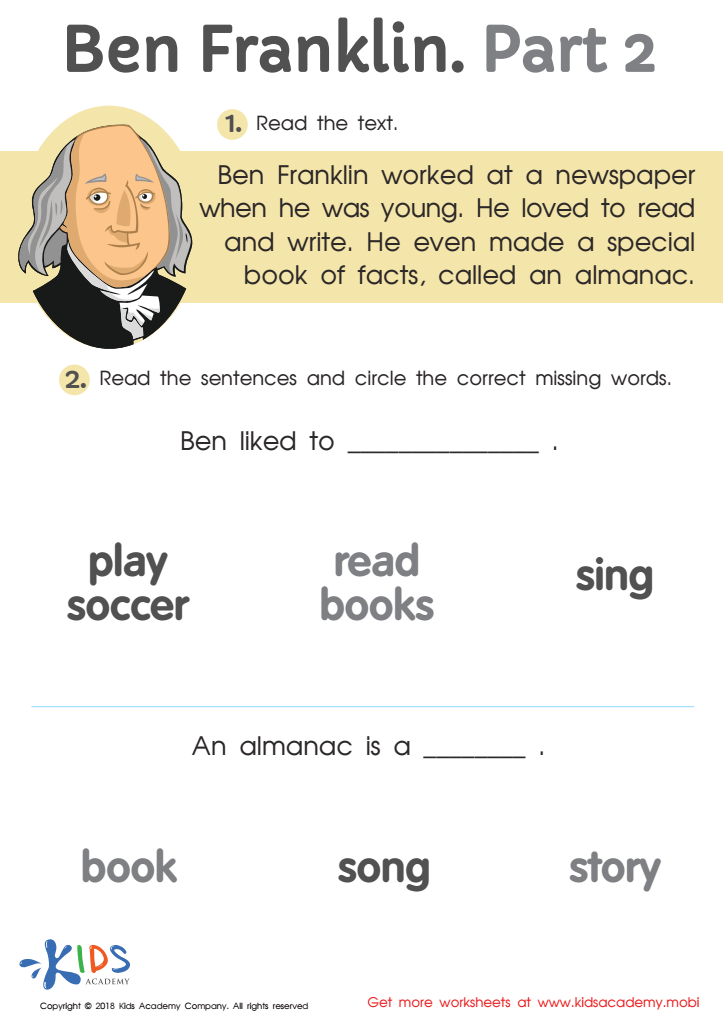
Ben Franklin Part 2 Worksheet
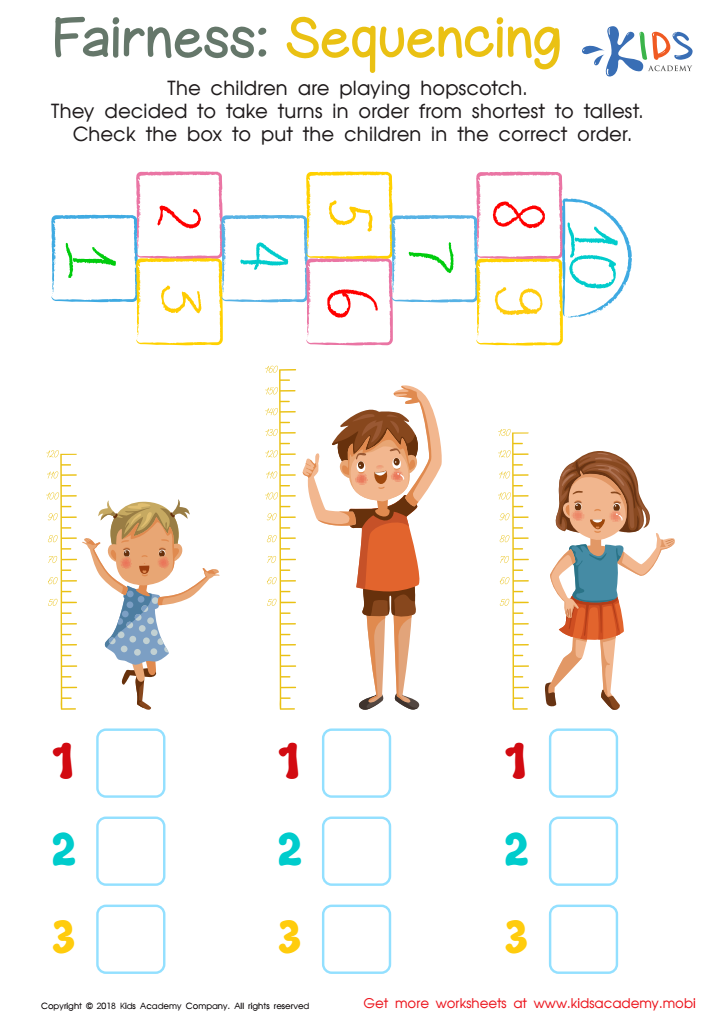
Fairness: Sequencing Worksheet
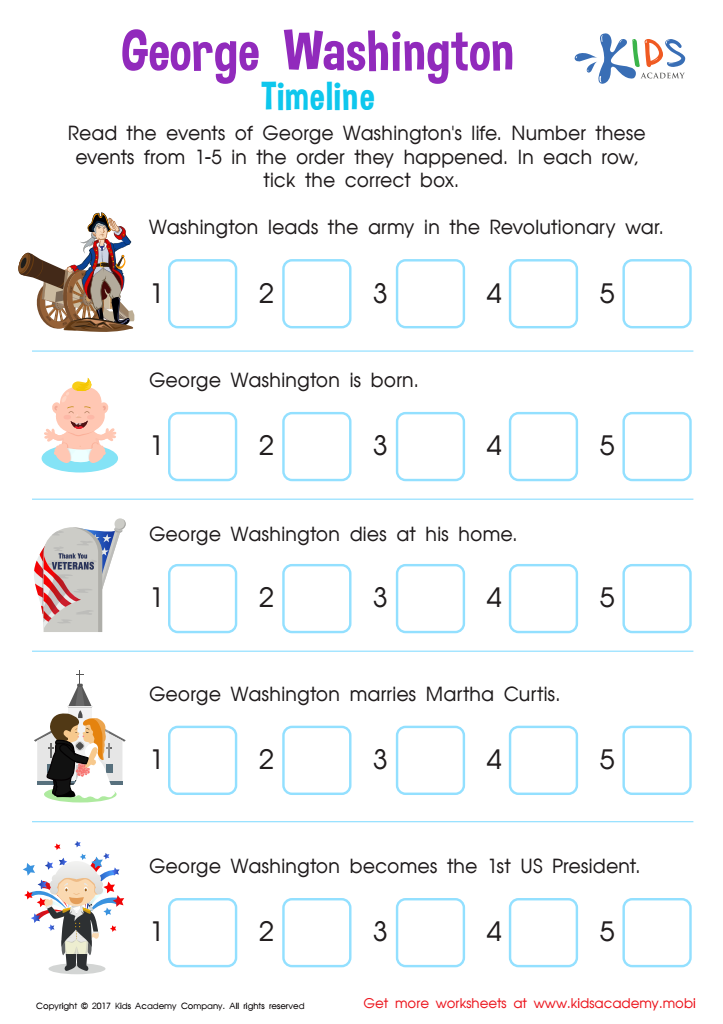
George Washington Timeline Worksheet
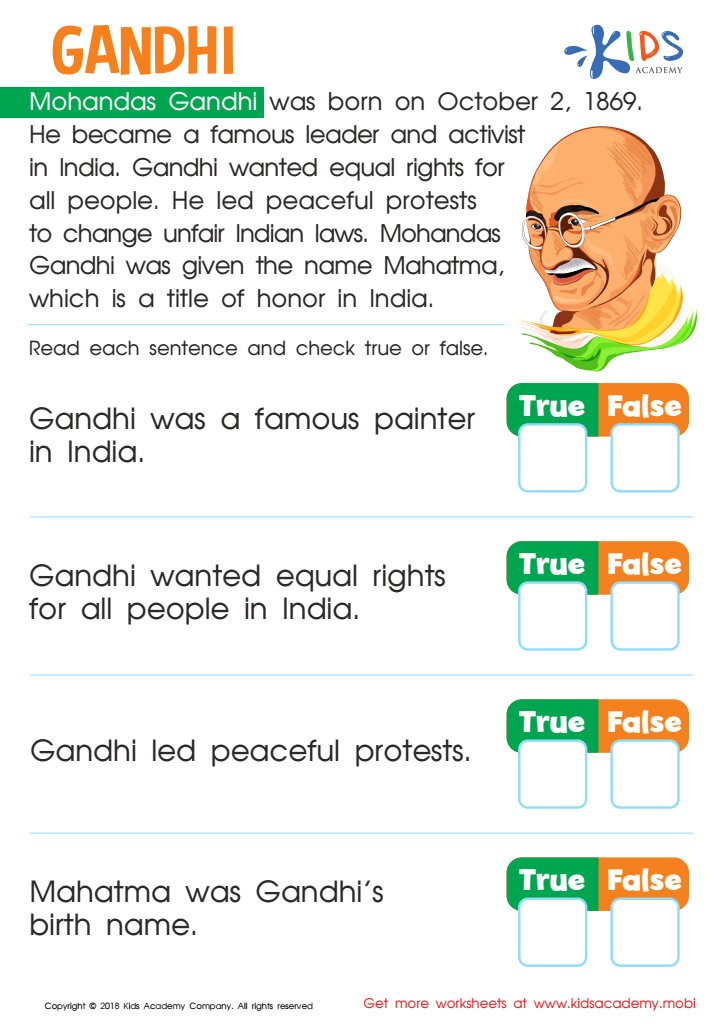
Gandhi Worksheet








Critical thinking in social studies for ages 6-9 is essential for developing young minds that are inquisitive, analytical, and empathetic. During these formative years, children begin to understand the world around them and their place within it. By integrating critical thinking skills into social studies, we enable children to question information, assess sources, and make informed decisions. These skills are crucial in a world inundated with information from diverse media.
For parents, fostering critical thinking in social studies means empowering children to develop reasoning skills that apply to everyday situations, from understanding community roles to recognizing cultural diversity. It encourages children to ask "why" and "how" questions, which leads to greater comprehension and retention of material.
For teachers, incorporating critical thinking enhances classroom engagement and encourages active rather than passive learning. It helps students to draw connections between history, geography, and their personal experiences, thus enriching their educational journey.
Overall, prioritizing critical thinking within social studies aids in building a generation of thoughtful, informed citizens. These children are better equipped to become responsible adults who critically analyze issues, understand various perspectives, and contribute constructively to society. By investing in these skills early on, parents and teachers are laying the foundation for lifelong learning and critical engagement with the world.