Filters

7 filtered results

Clear all filters
Favorites
With answer key
Interactive

7 filtered results

Difficulty Level

Grade


Explore our engaging Logical Reasoning Social Studies Worksheets designed specifically for children aged 6-9. These thoughtfully crafted resources encourage young learners to develop critical thinking skills while they explore essential social studies concepts. Each worksheet fosters logical reasoning through fun activities, puzzles, and scenarios that make learning exciting. Kids will enhance their ability to analyze information, identify patterns, and make connections within the context of their communities, cultures, and history. Perfect for parents and teachers alike, our worksheets provide a playful yet educational way to reinforce logical reasoning skills in everyday life. Boost your child’s confidence in problem-solving today!

Check out this FREE Trial Lesson on Social Studies for age 6-9!

What Is a Community?

Favorites
With answer key
Interactive
  • 6-9
  • Logical Reasoning
  • Social Studies
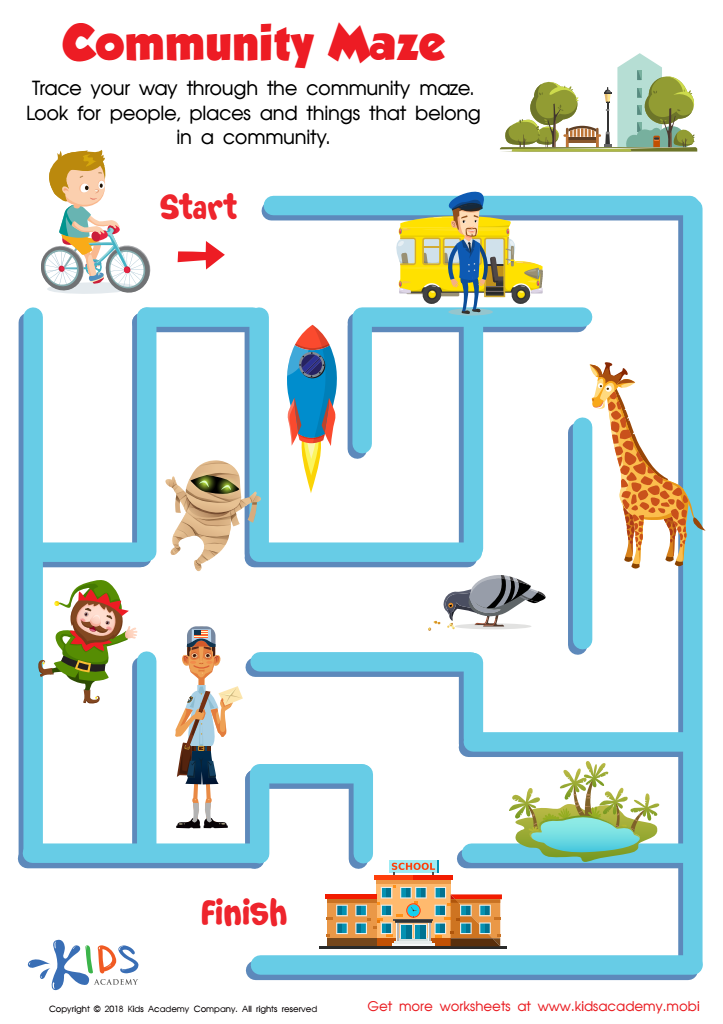
Community Maze Worksheet

Community Maze Worksheet

Your kids will have a blast as they use their fine motor skills to trace their way through the community maze worksheet. Plus, they'll enjoy meeting people, places, and creatures to sort out who and what belong in a community and who and what don't! Help their friend bike to the neighborhood school and reinforce what life is like in a community.
Community Maze Worksheet
Worksheet
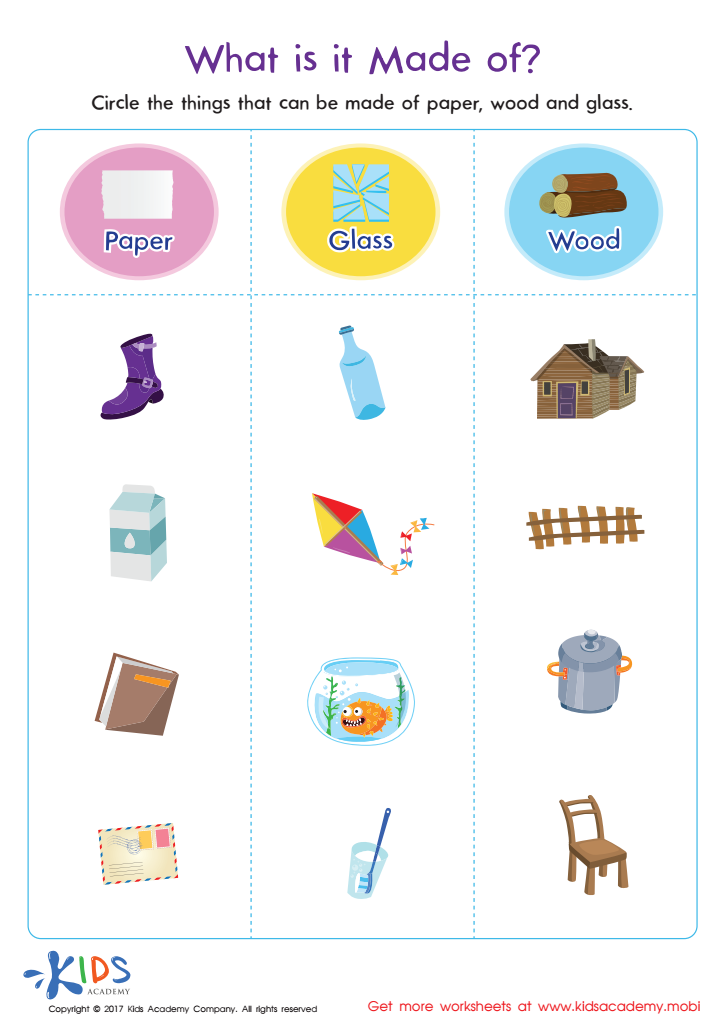
What Is It Made of Worksheet

What Is It Made of Worksheet

What Is It Made of Worksheet
Worksheet
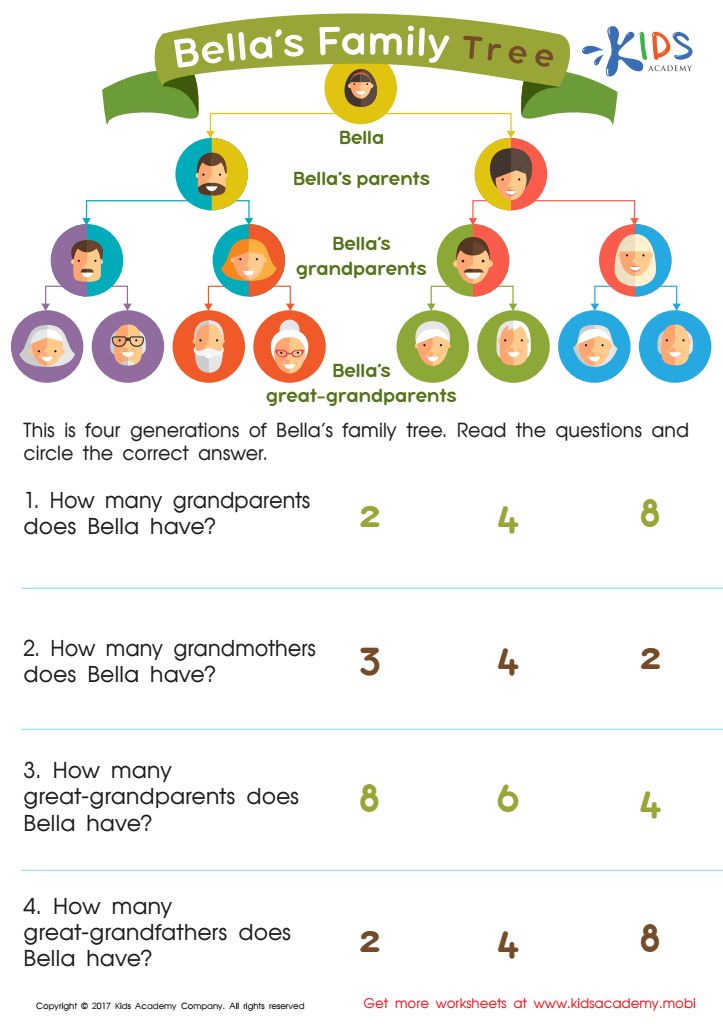
Family tree worksheet for grade 2

Bella's Family Tree Worksheet

Grade 2 kids learn 4 generations of a family with Kids Academy's new family tree worksheet. They explore Bella's tree, reading and answering questions about her grandparents and great-grandparents. It's an easy way to understand family relationships.
Bella's Family Tree Worksheet
Worksheet
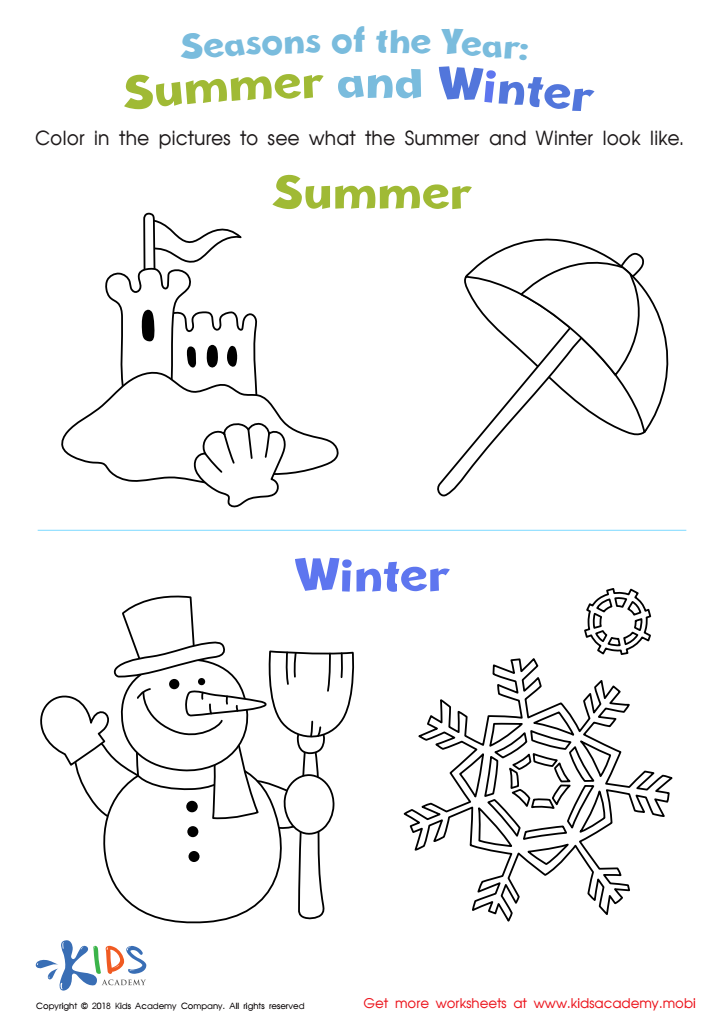
Summer and Winter Worksheet

Summer and Winter Worksheet

Ask your child what they associate with winter and summer. What do they look forward to in winter? What colors do they see most? What do they love doing in summer? Help them color in the pictures of winter and summer in the worksheet, choosing the colors they think best represent each season.
Download (PDF)
Assign to My Students
Summer and Winter Worksheet
Worksheet
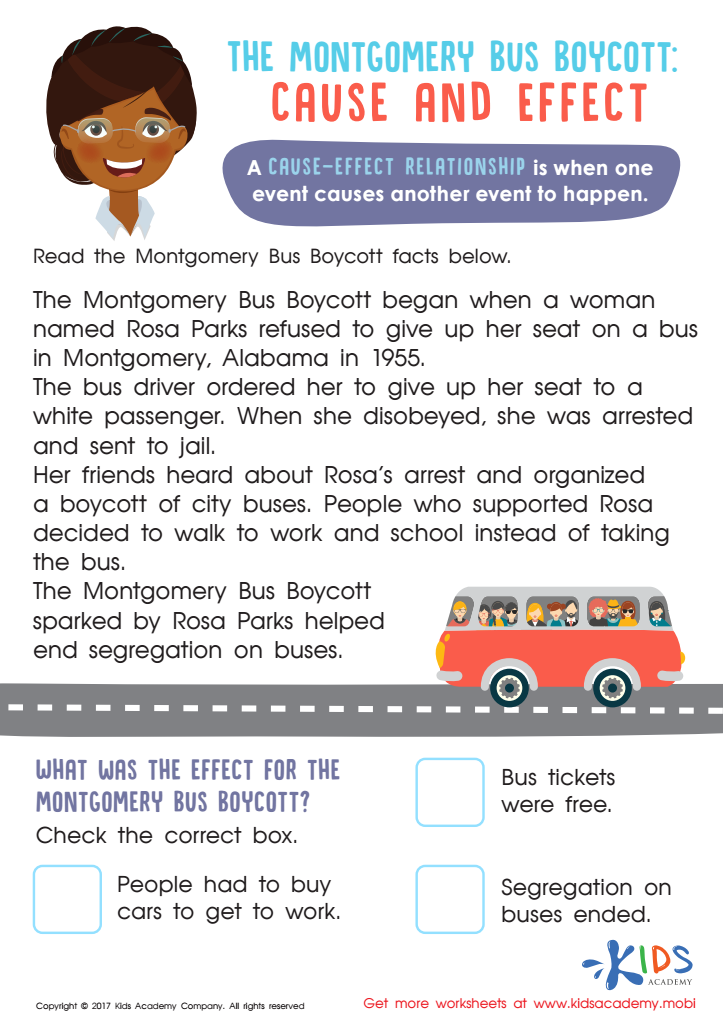
Cause and effect worksheet pdf

The Montgomery Bus Boycott Cause and Effect Worksheet
Kids Academy's cause-effect worksheet PDF introduces 2nd graders to cause-effect relationships through the Montgomery bus boycott. Kids read the story based on real facts and check the answers to demonstrate their understanding.
The Montgomery Bus Boycott Cause and Effect Worksheet
Worksheet
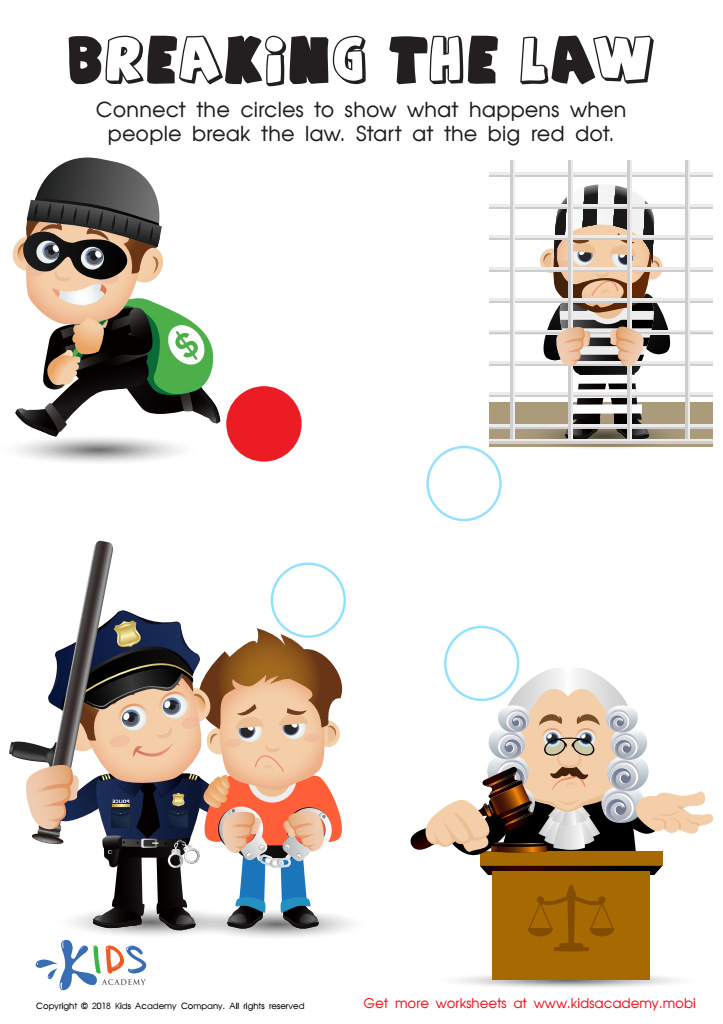
Breaking the Law Worksheet

Breaking the Law Worksheet

Explain to your child why people go to jail. Show them this worksheet; it illustrates the stages a criminal goes through from breaking the law to receiving their punishment. Guide them in connecting the circles from the big red dot. Finish with a discussion on why it's important to follow the law.
Breaking the Law Worksheet
Worksheet
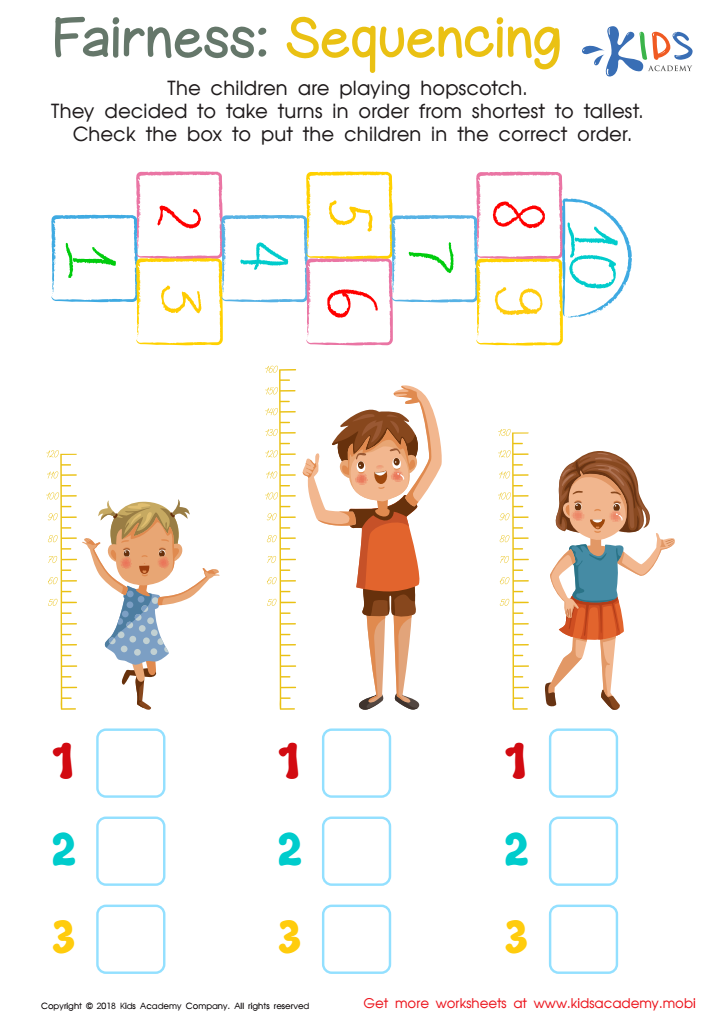
Fairness: Sequencing Worksheet


Fairness: Sequencing Worksheet

Kids likely already know how to play hopscotch. Ask them to show you the shortest, tallest and middle child in the worksheet. Then, help them order them from shortest to tallest by checking the boxes.
Fairness: Sequencing Worksheet

Worksheet


Logical reasoning through social studies plays a vital role in the cognitive and social development of children aged 6-9. At this developmental stage, children begin to refine their critical thinking and analytical skills. Instruction in social studies allows them to explore concepts such as community, culture, history, and citizenship, encouraging them to make connections between different ideas and events.

By integrating logical reasoning in social studies, kids learn to evaluate information, ask relevant questions, and draw conclusions based on evidence. This methodology fosters open-mindedness and respect for diverse perspectives, all crucial traits in today’s global society. Engaging with logical reasoning helps children develop problem-solving abilities by analyzing historical events, understanding social structures, and applying lessons to current issues, empowering them as future citizens.

Furthermore, parents and teachers play a key role in this learning process by providing guidance and resources, facilitating discussions on what children learn, and encouraging them to think critically about world events and their implications. Supporting the development of logical reasoning within the context of social studies cultivates informed and engaged individuals, setting the foundation for responsible citizenship and lifelong learning.