Understanding timelines Social Studies Worksheets for Ages 6-9
5 filtered results
-
From - To
Discover our engaging “Understanding Timelines” Social Studies worksheets, designed specifically for children ages 6-9. These fun, interactive activities help young learners grasp the concept of timelines, an essential skill in understanding history and sequencing events. Each worksheet is age-appropriate and aligns with educational standards, making it an ideal resource for teachers and parents alike. Through playful exercises, kids will explore how to create and read timelines, improving their organizational and critical thinking skills. Perfect for in-class assignments or at-home learning, these worksheets provide an enjoyable way to build foundational knowledge in social studies. Start your child’s timeline journey today!
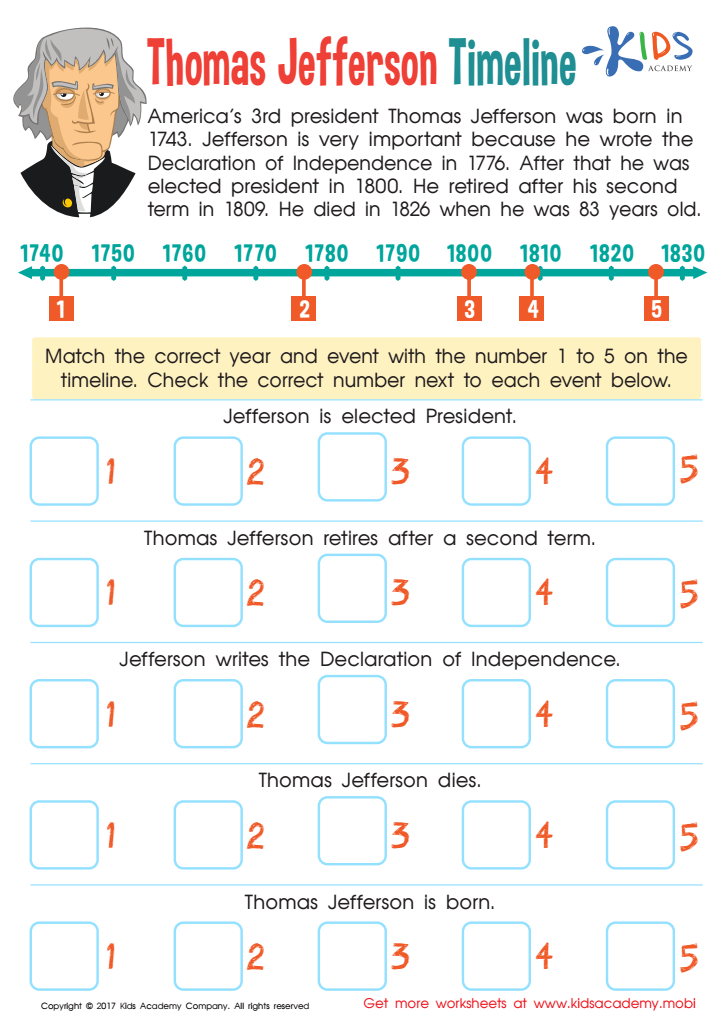
Thomas Jefferson Timeline Worksheet
 Assign to My Students
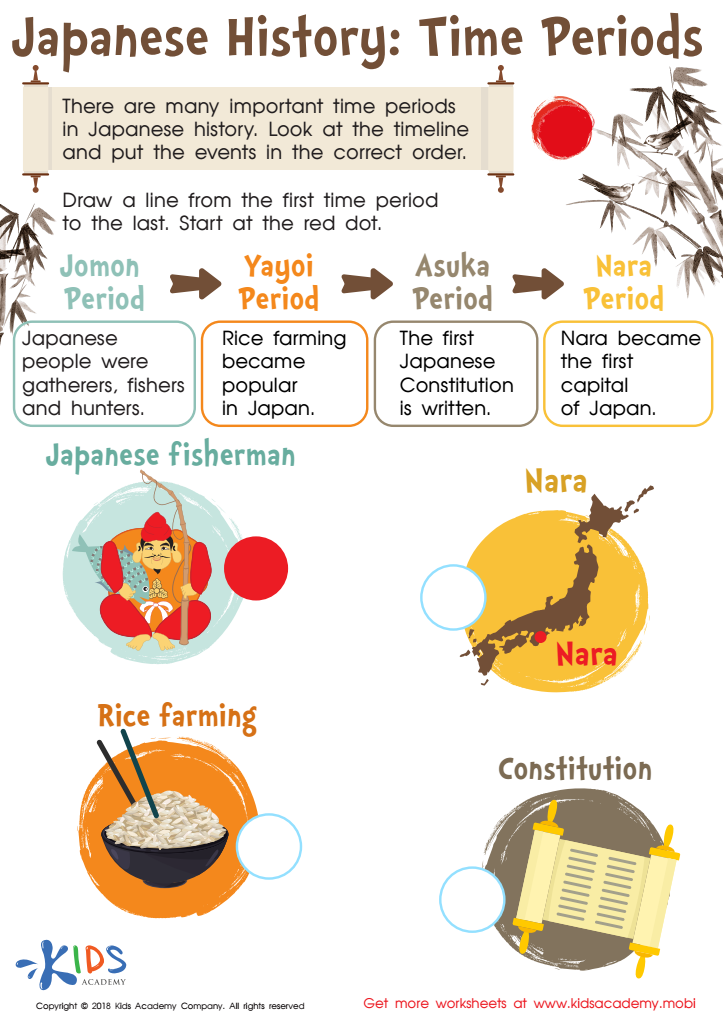
Japanese History: Time Periods Worksheet
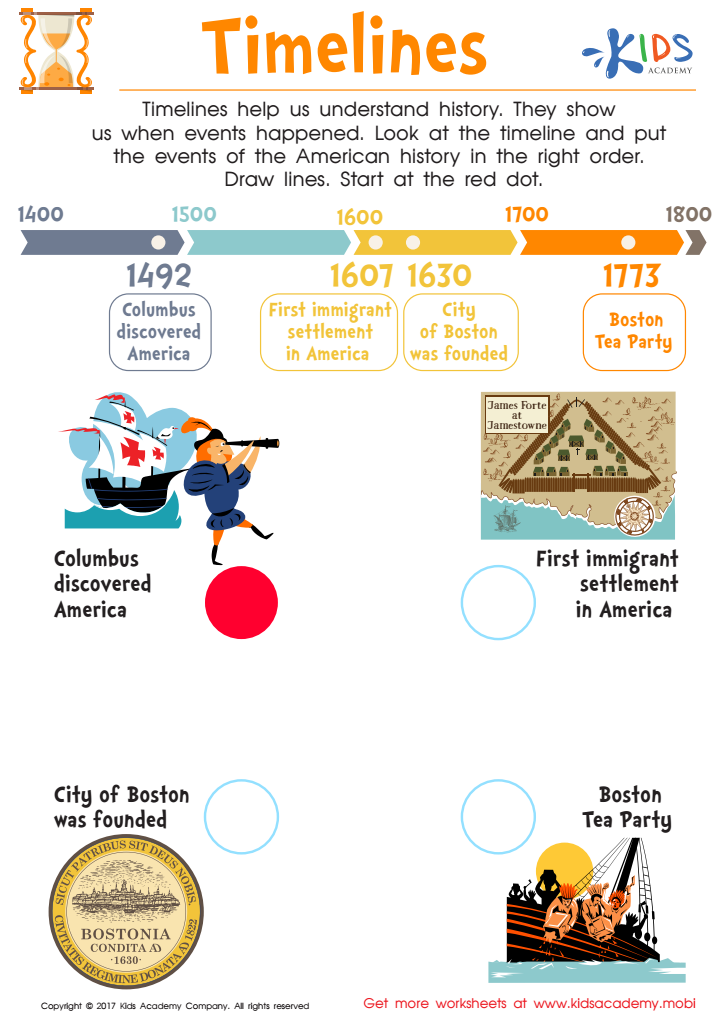
American History Timeline Worksheet
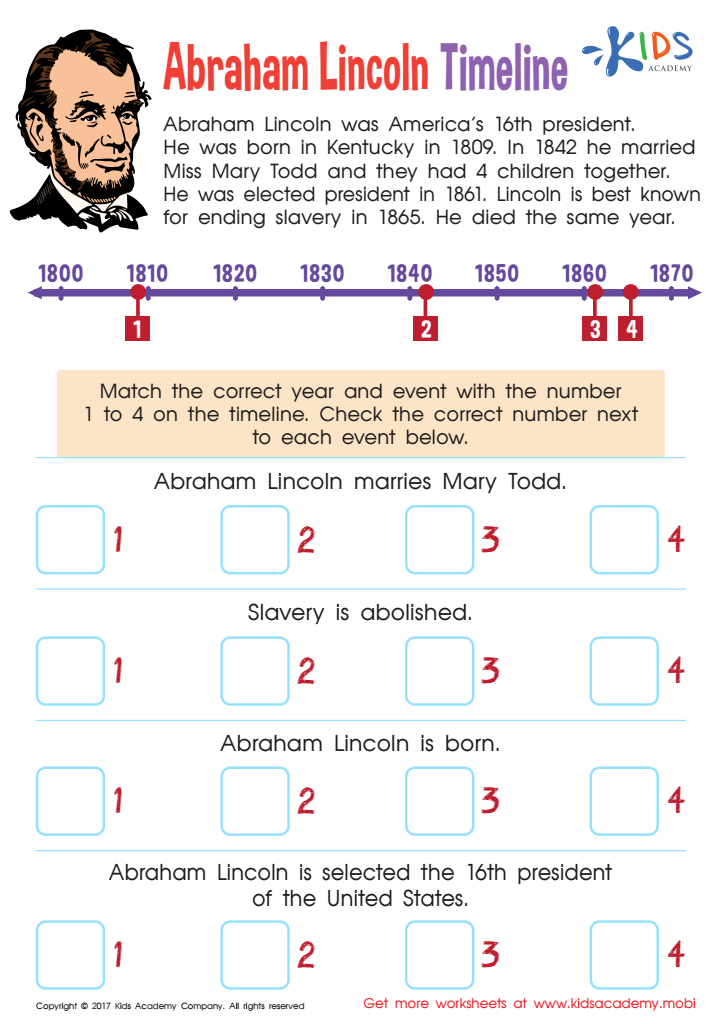
Abraham Lincoln Timeline Worksheet
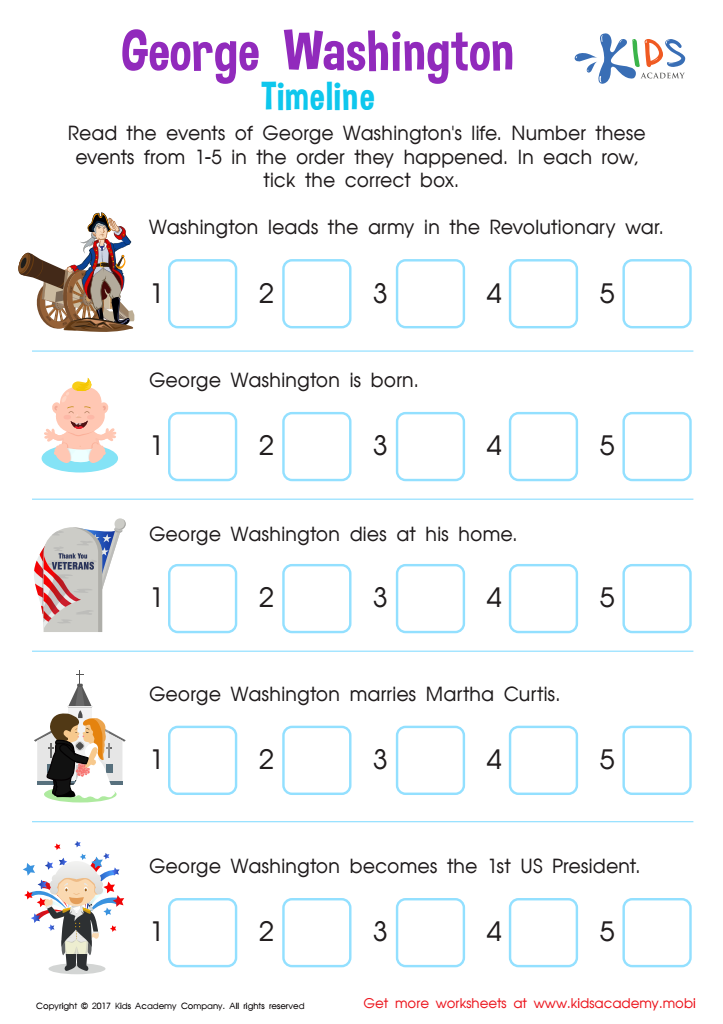
George Washington Timeline Worksheet


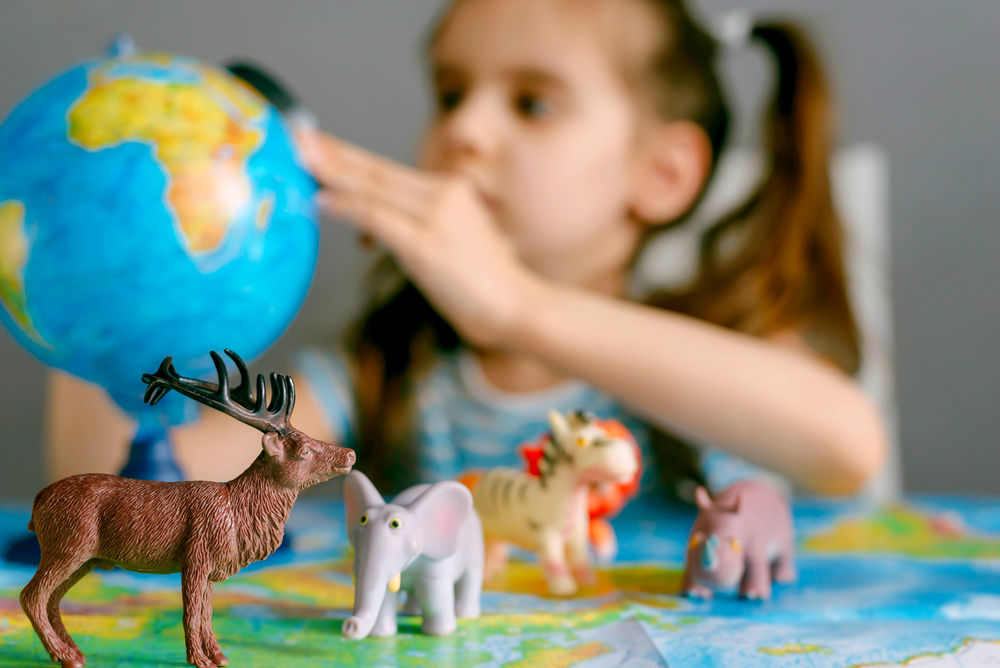


Understanding timelines in Social Studies is crucial for children aged 6-9 as it lays the foundation for their comprehension of history and the development of critical thinking skills. Timelines help young learners grasp the concept of time and sequence, enabling them to see how events are interconnected and unfold over periods. By visualizing events in chronological order, children learn to identify causes and effects, fostering an understanding of how past actions influence the present and future.
Additionally, teaching timelines cultivates a sense of identity and connectedness. Children can learn about their own history, family traditions, and cultural milestones, which enhances their sense of belonging. This relatable context encourages engagement and makes learning more meaningful.
Furthermore, the ability to interpret timelines aids in developing essential skills like organization, comparison, and analysis. These skills are crucial for academic success across subjects and will serve children well in their future education. For parents and teachers, instilling an understanding of timelines not only enriches children’s educational experience but also prepares them to become informed, responsible citizens who appreciate the complexities of history and its relevance to their lives and communities.