Improving spelling skills Grammar Worksheets for Ages 6-9
6 filtered results
-
From - To
Enhance your child's spelling proficiency with our "Improving Spelling Skills Grammar Worksheets" tailored for ages 6-9. These engaging and educational activities are designed to make learning enjoyable while focusing on essential spelling rules and patterns. Our worksheets provide a variety of exercises that help young learners practice spelling in context, boosting their confidence and proficiency. Perfect for classroom use or at-home practice, these tools are carefully crafted to support kids in recognizing common spelling errors, differentiating between similar-sounding words, and expanding their vocabulary. Prepare your child for academic success with our comprehensive spelling worksheets.
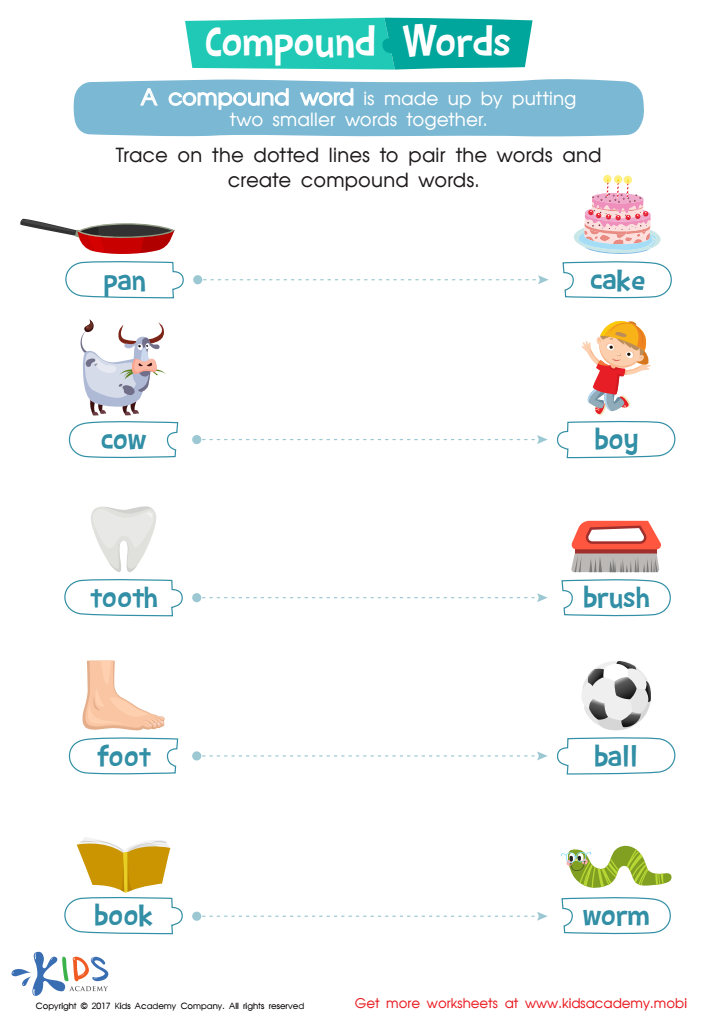
Compound Words Word Structure Worksheet
 Assign to My Students
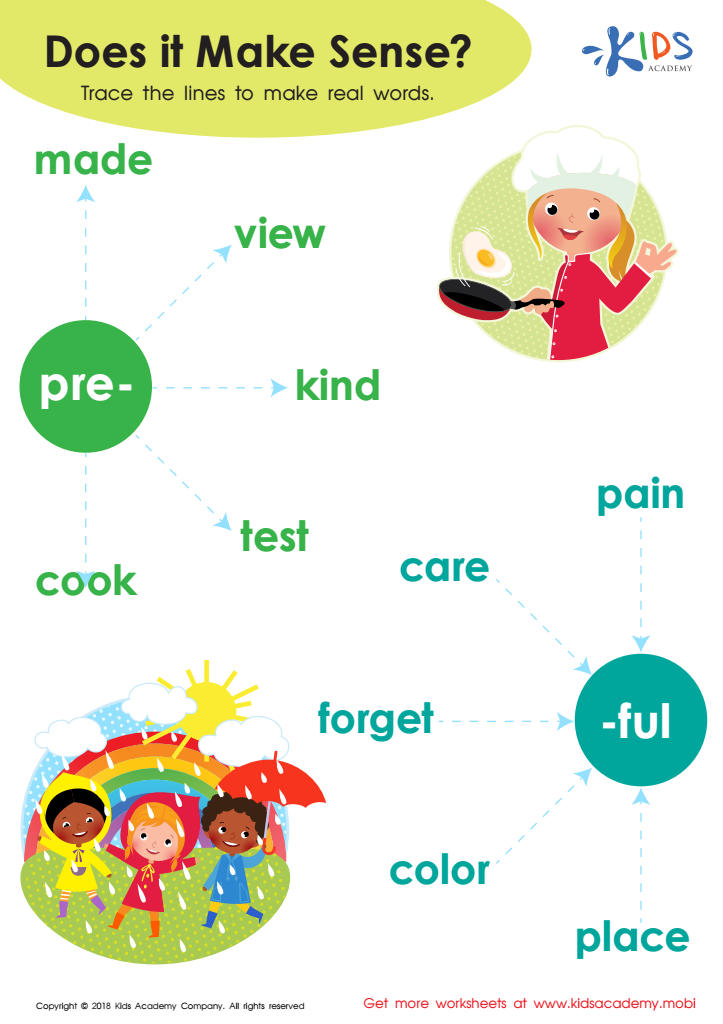
Prefix pre– and Suffix ful– Worksheet
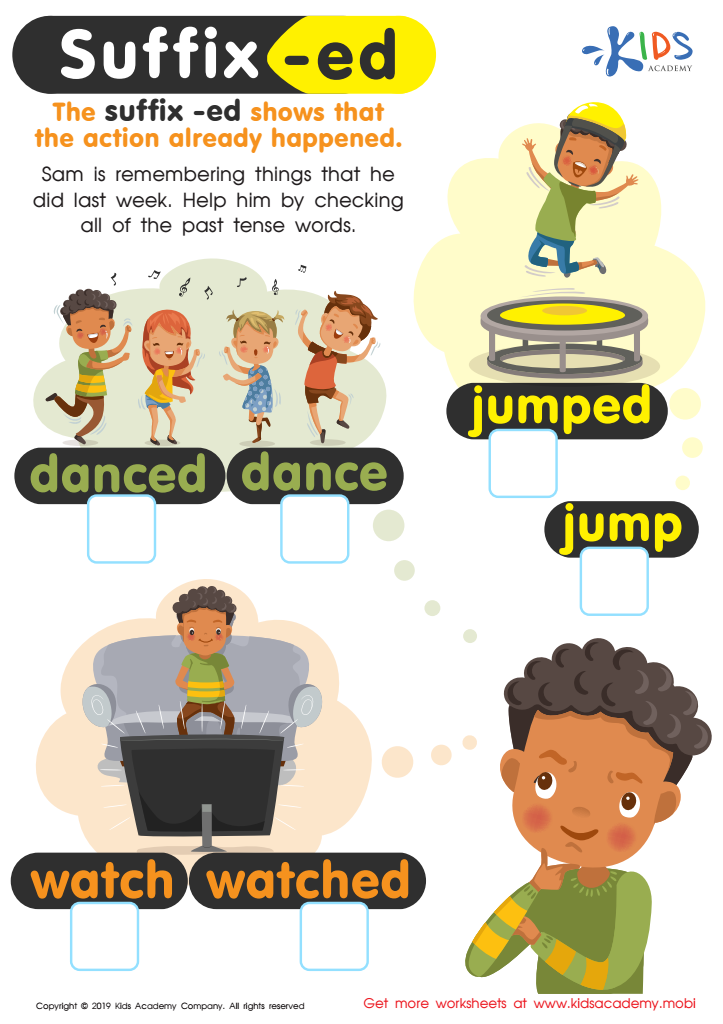
Suffix-ed Worksheet
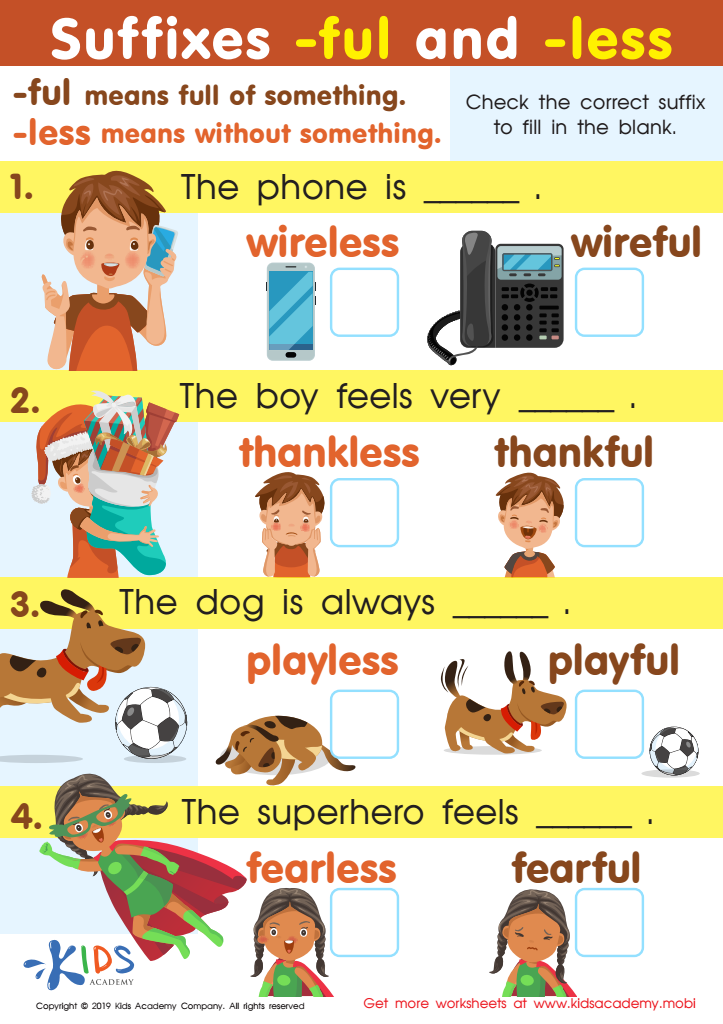
Suffixes –ful and –less Worksheet
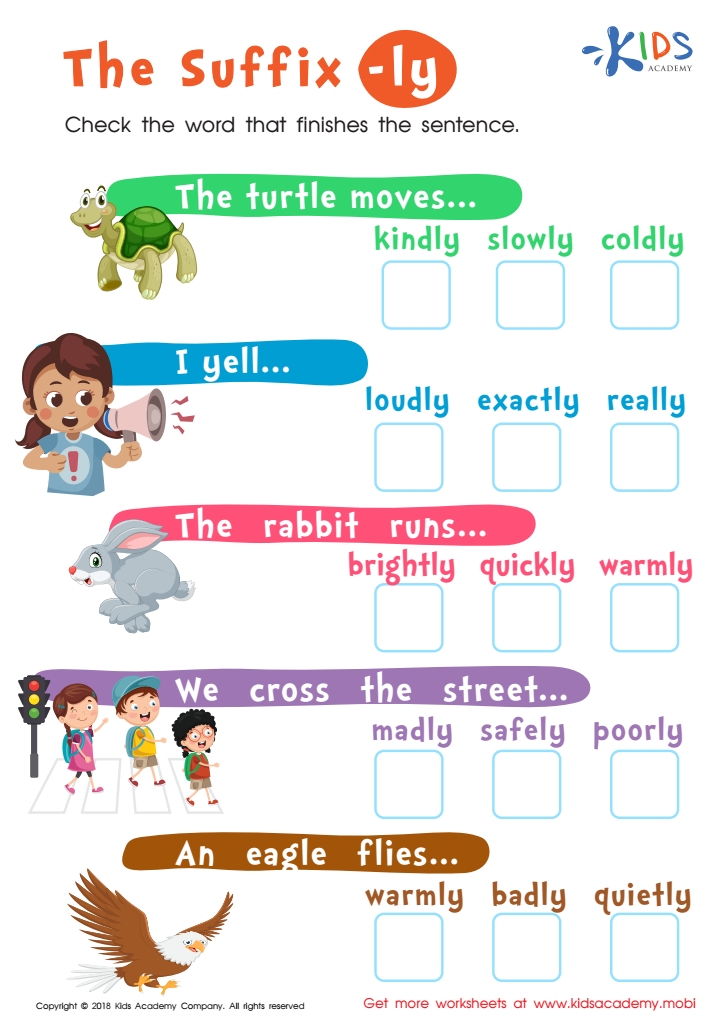
The Suffix -Ly Worksheet
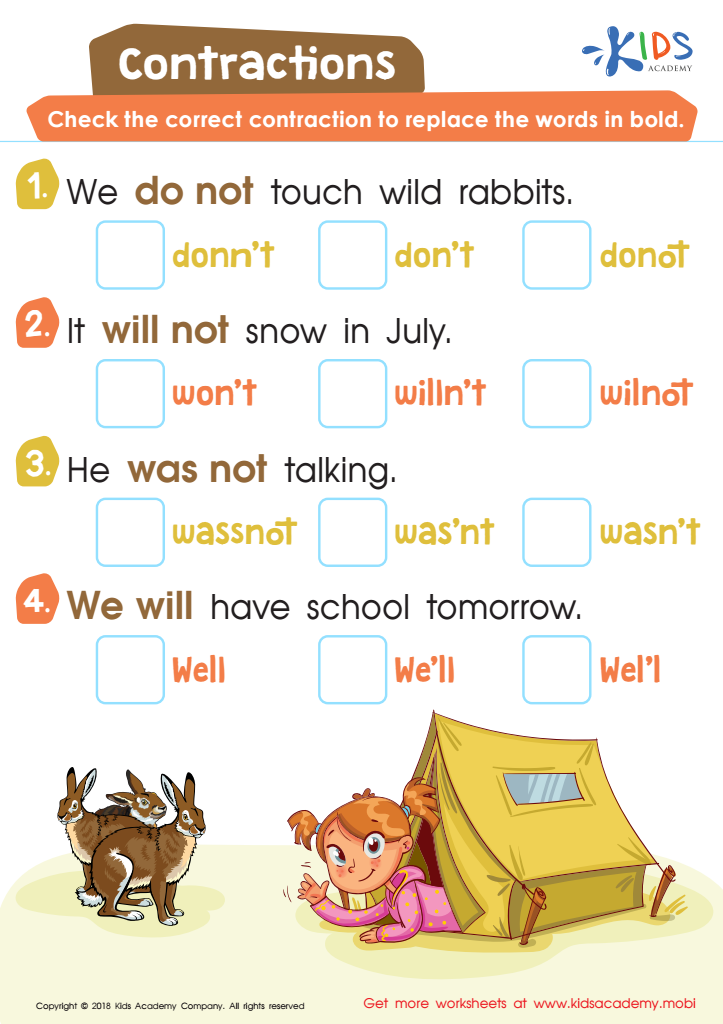
Contractions Worksheet




.jpg)

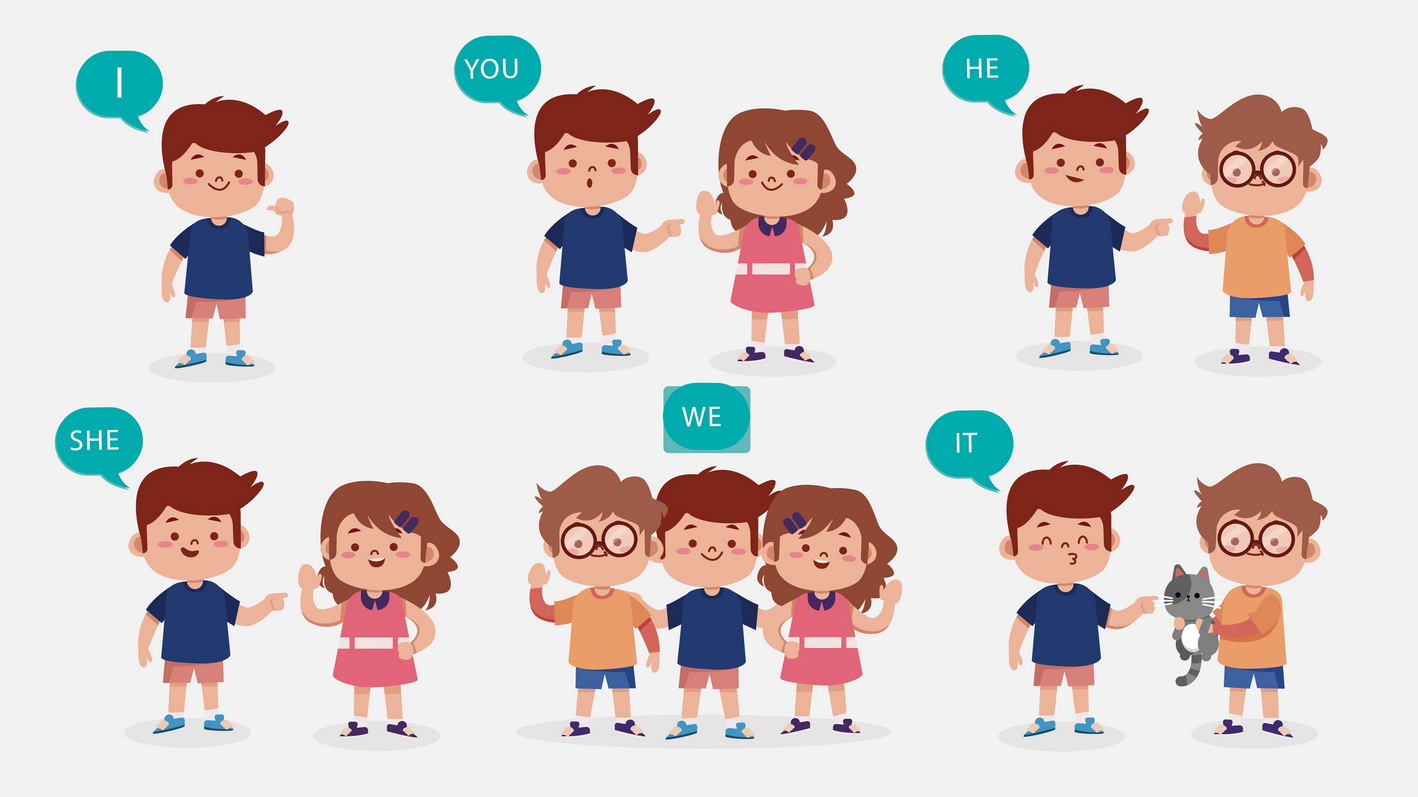

Improving spelling and grammar skills in children ages 6-9 is crucial for several compelling reasons. First, these foundational skills are cornerstones of effective communication. During their early years, children develop language abilities that they will utilize throughout their education and beyond. Strong spelling and grammar help them convey their ideas clearly and accurately, preventing misunderstandings.
Moreover, proficiency in spelling and grammar enhances reading comprehension. When children recognize and understand words easily, they can better grasp the meaning of sentences and stories, thereby enriching their learning experiences. This directly impacts their overall academic performance, boosting their confidence and motivation to engage in school activities.
Additionally, good spelling and grammar skills foster cognitive development. Engaging with words and sentence structures stimulates the brain, enhancing memory and critical thinking. Children begin to see patterns in language, which aids in learning other subjects such as math and science.
Socially, these skills are important too. Children who can express themselves clearly are more likely to build fulfilling relationships with their peers and adults. They will also be better prepared for future educational and professional environments where clear writing and speaking are essential.
In summary, prioritizing spelling and grammar development equips children with vital tools for effective communication, academic success, cognitive growth, and social interaction, laying a strong foundation for their future.








