Spelling practice Writing Worksheets for Ages 6-9 - Page 3
50 filtered results
-
From - To
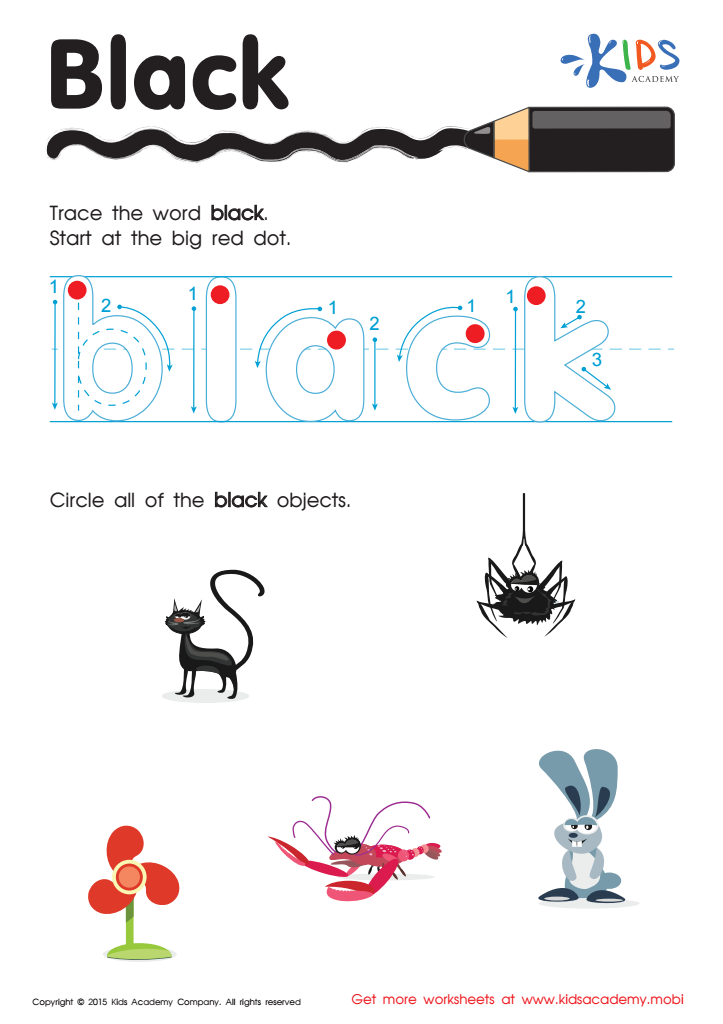
Black Tracing Color Words Printable
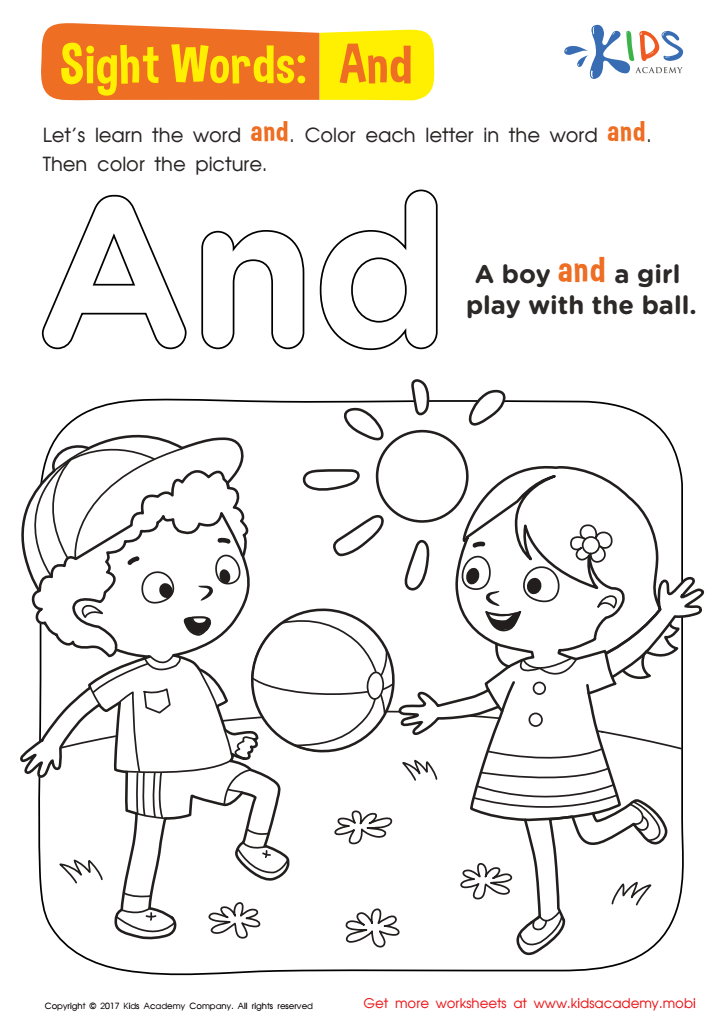
And Worksheet Sight Words Worksheet
 Assign to My Students








Spelling practice is a vital component of literacy development for children aged 6 to 9, and both parents and teachers play crucial roles in fostering this skill. At this age, children are beginning to connect sounds with letters, which strengthens their phonetic awareness and overall reading abilities. Consistent spelling practice not only aids in literacy but also contributes to foundational skills such as memory, concentration, and cognitive development.
Moreover, spelling is closely linked to writing and communication. When children practice spelling, they gain the confidence to express their thoughts clearly and creatively. This empowers them to write stories, letters, and reports, which cultivates their self-expression and encourages a love for writing.
From a broader educational perspective, strong spelling abilities can improve academic performance across subjects. Children who excel in spelling often perform better in reading comprehension, vocabulary acquisition, and even mathematics.
Additionally, practicing spelling builds a sense of achievement and boosts self-esteem. Parents and teachers who recognize the importance of spelling will not only aid children in becoming proficient readers and writers but will also foster an enriched educational environment that prioritizes literacy and communication skills for lifelong learning.








