Punctuation understanding Punctuation Worksheets for Ages 6-9
4 filtered results
-
From - To
Introducing our "Punctuation Understanding Worksheets" designed for children ages 6-9! These engaging and interactive worksheets aim to strengthen your child's grasp of punctuation marks, enhancing their writing and communication skills. With a variety of fun activities, including fill-in-the-blank exercises, matching games, and creative writing prompts, young learners can explore the significance of punctuation in language. Each worksheet is tailored to promote critical thinking and boost confidence in writing. Ideal for classrooms or homeschooling, our worksheets help children recognize punctuation's role in conveying meaning effectively. Enrich your child's literacy journey today with our captivating resources!
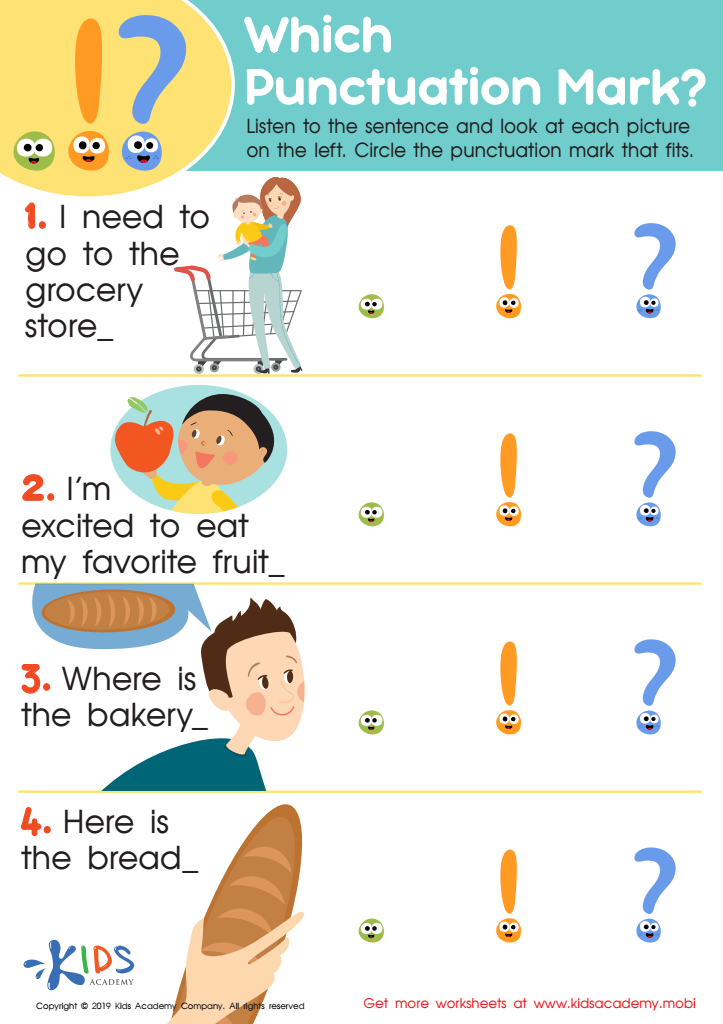
Which Punctuation Mark Worksheet
 Assign to My Students
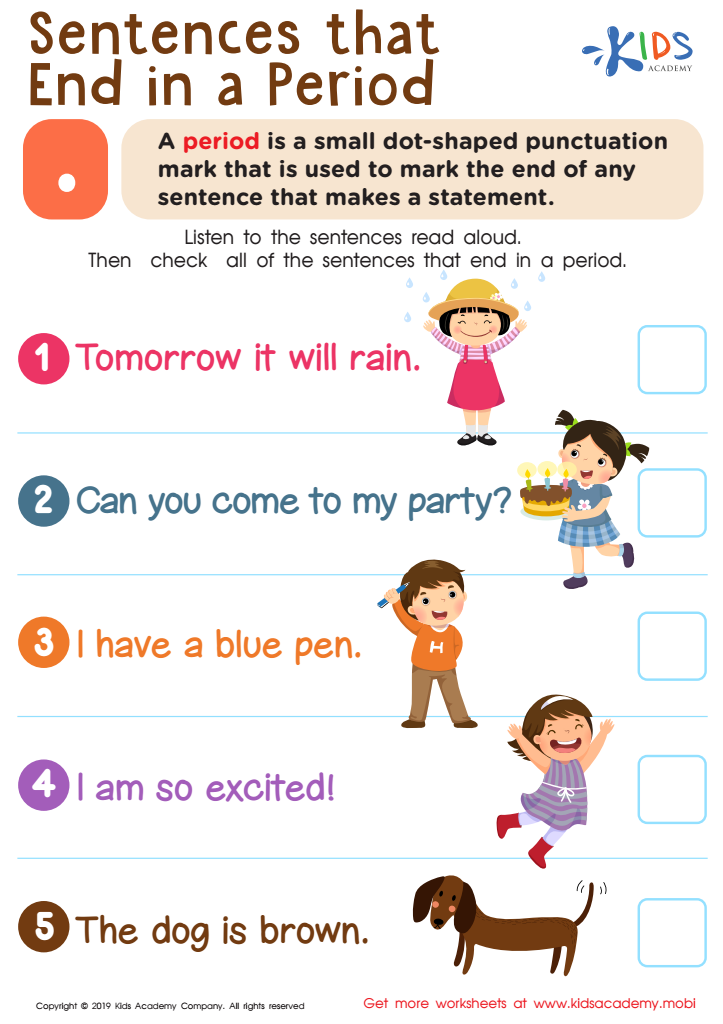
Sentences That End in a Period Worksheet
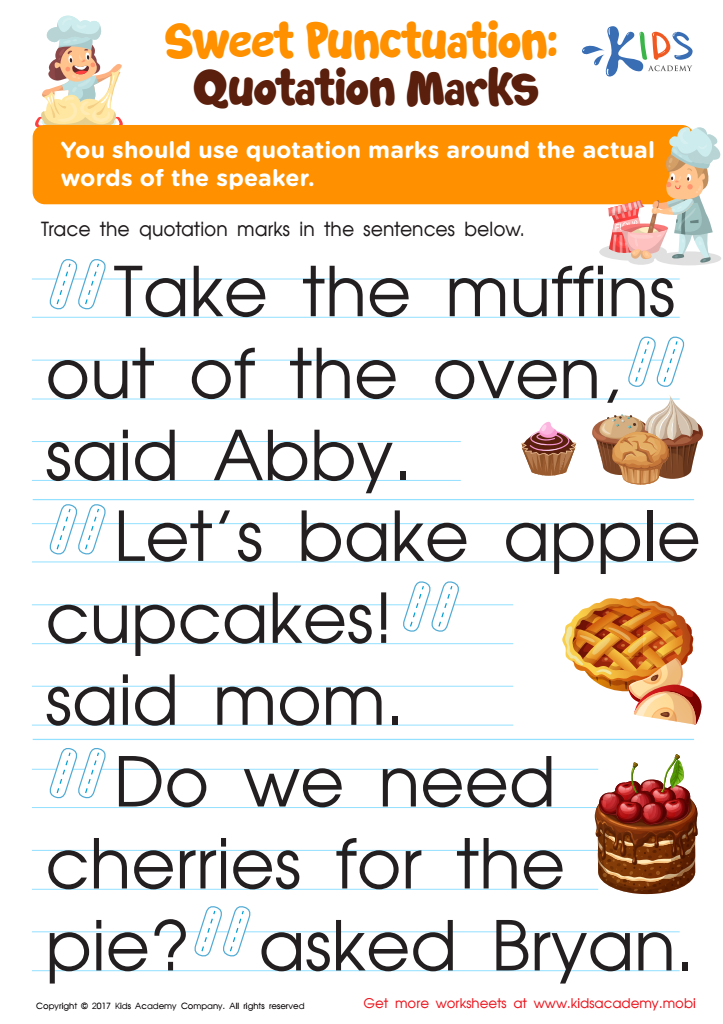
Commas and Quotation Marks Worksheet
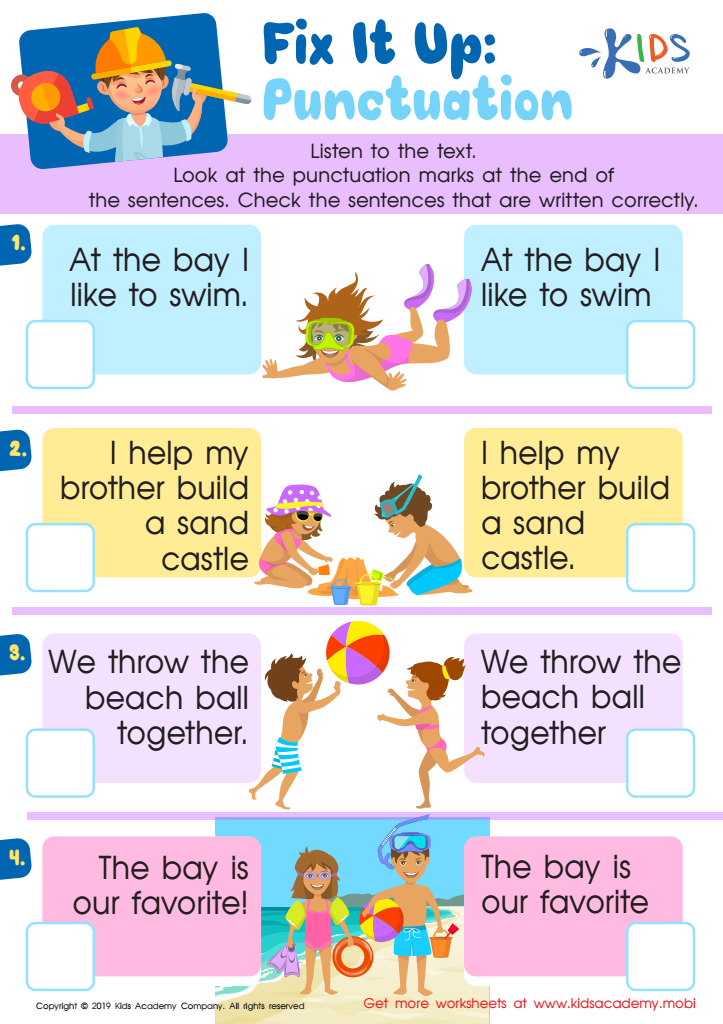
Fix Punctuation Worksheet







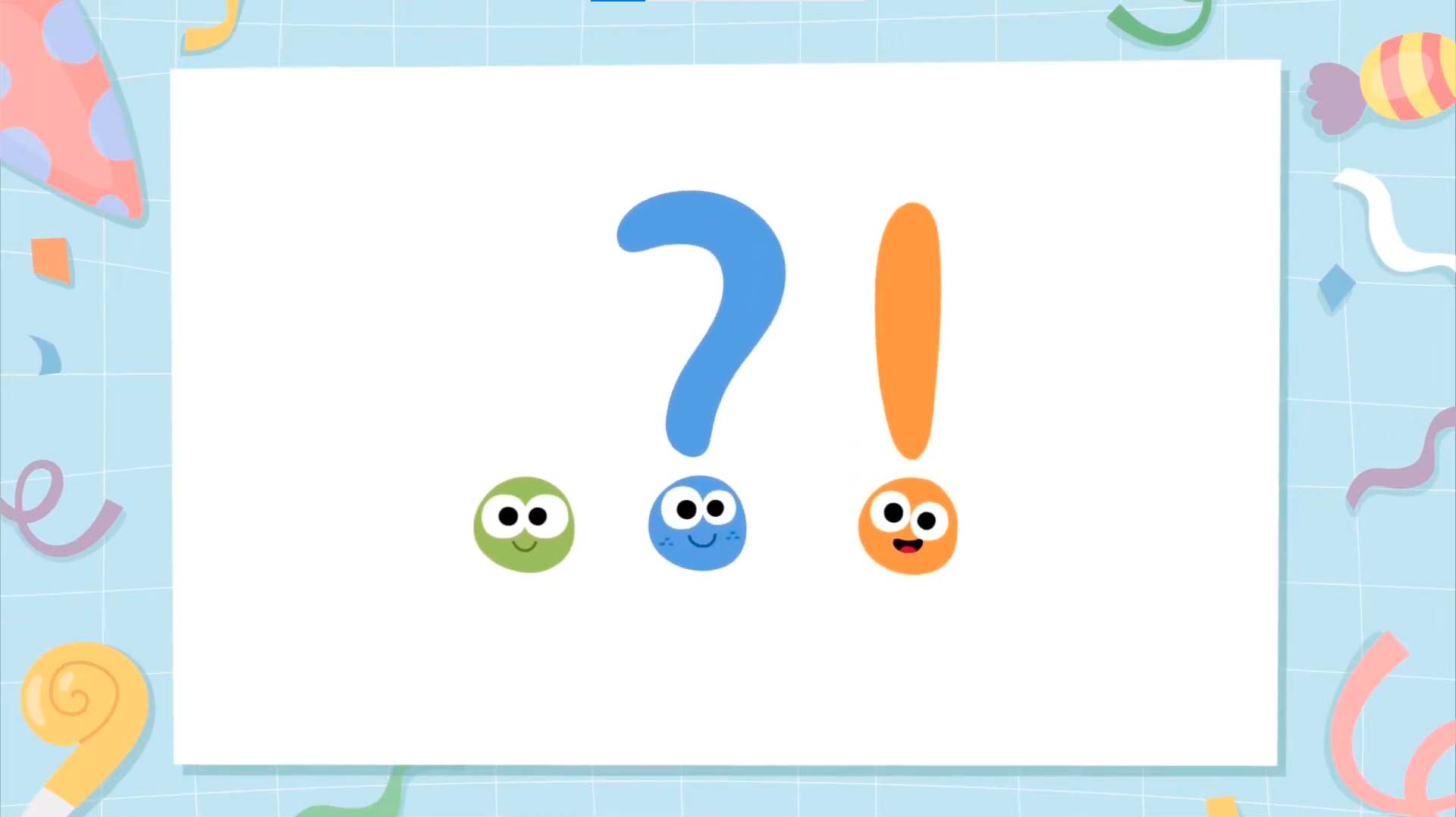
Punctuation is a crucial element of written language that significantly impacts a child's reading and writing skills, particularly for those aged 6-9. Understanding punctuation marks, such as periods, commas, question marks, and exclamation points, helps children grasp the structure and meaning of sentences. When children learn to read, punctuation gives them clues about how to inflect their voice, identify pauses, and express emotions appropriately, enhancing their comprehension and engagement with the text.
For writing, effective punctuation allows children to convey their thoughts clearly and cohesively. This skill is essential as they begin to express more complex ideas and narratives. Incorrect or missing punctuation can lead to confusion, misunderstanding, or misinterpretation of a child’s message.
Additionally, fostering a keen understanding of punctuation early on sets the foundation for more advanced communication skills in the future. It instills a sense of confidence in their literacy abilities, encouraging children to explore writing creatively. For parents and teachers, prioritizing punctuation instruction not only supports academic success but also nurtures a lifelong love for reading and writing. Engaging children with punctuation helps them become effective communicators, better prepared for both academic challenges and everyday interactions.








