Alphabet Recognition ABC Letters Worksheets for 6-Year-Olds - Page 2
28 filtered results
-
From - To
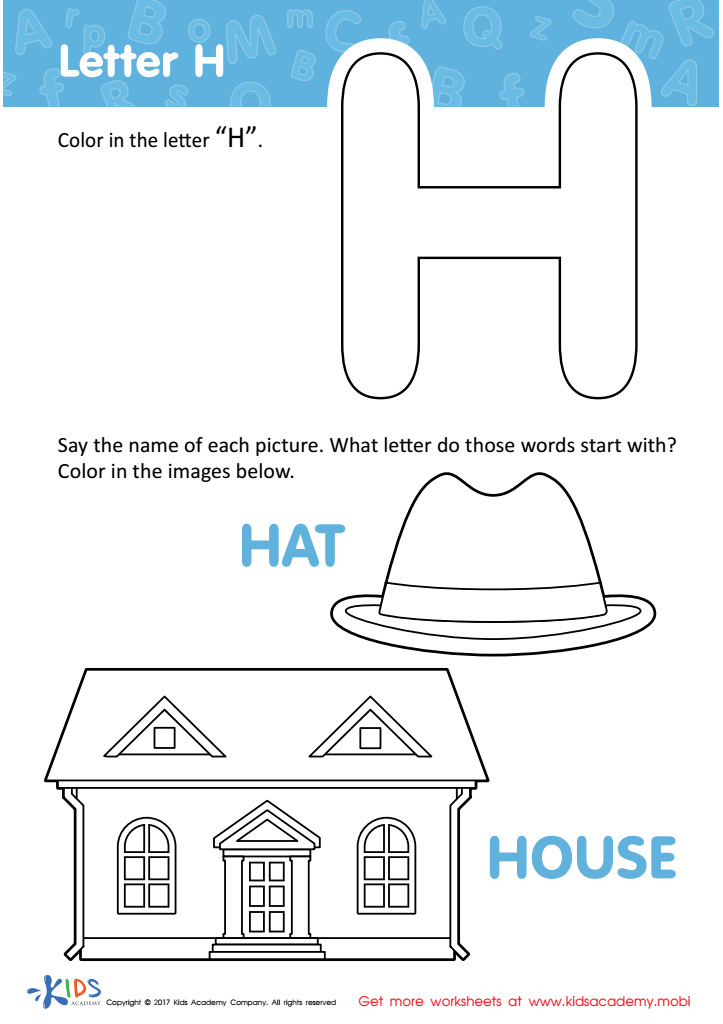
Letter H Coloring Sheet
 Assign to My Students





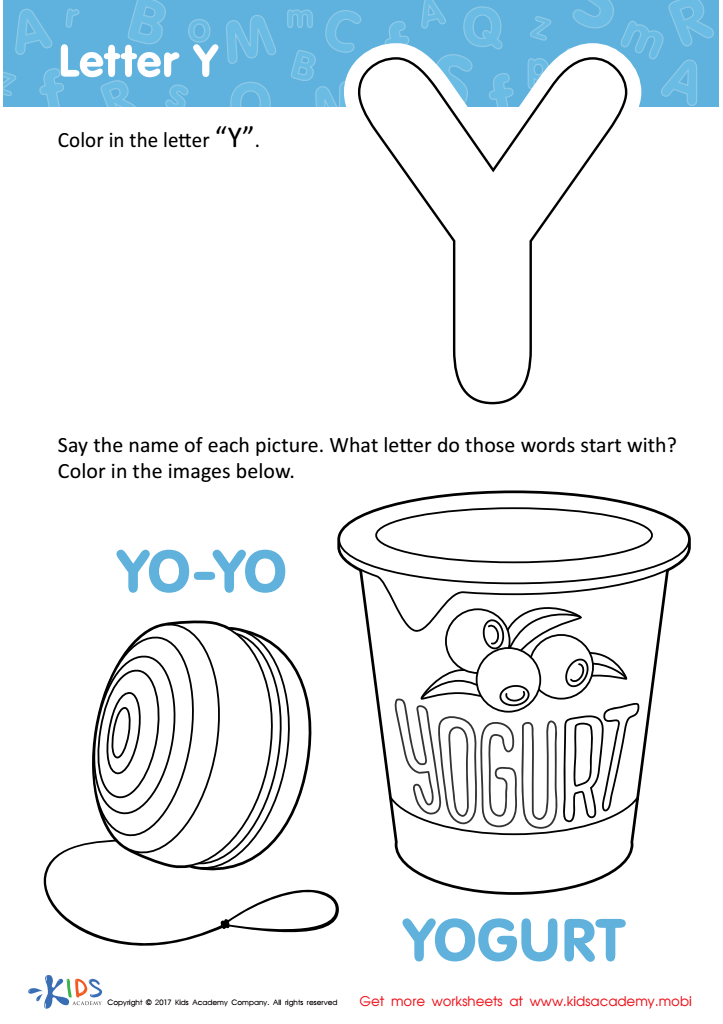
Letter Y Coloring Sheet
Assign to My Students
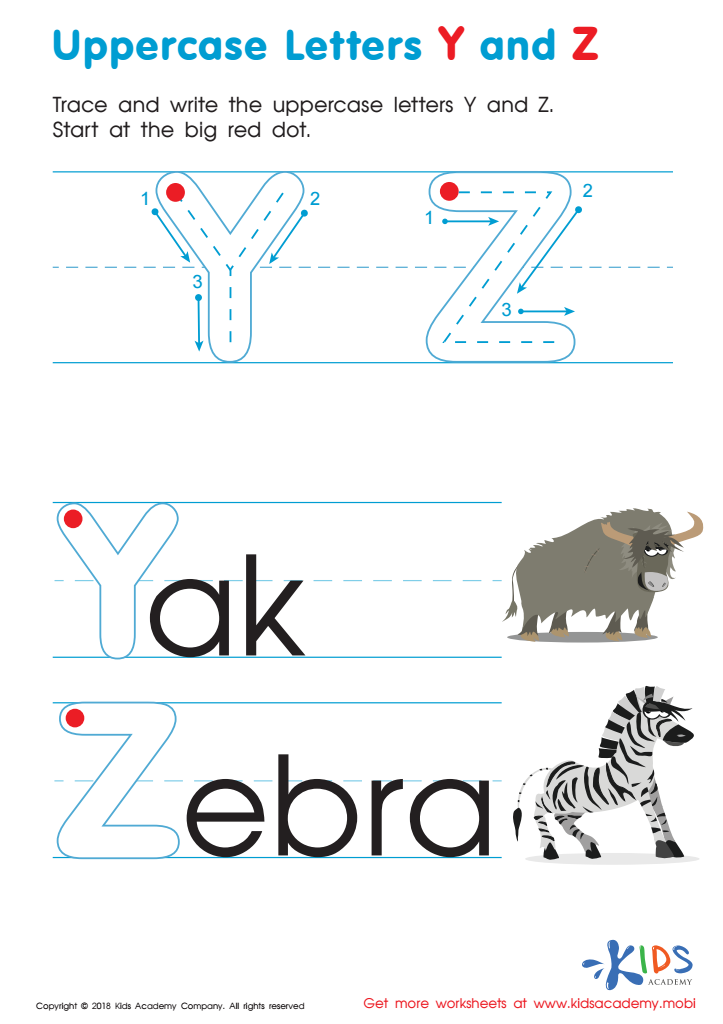
Uppercase Letters Y Z Worksheet
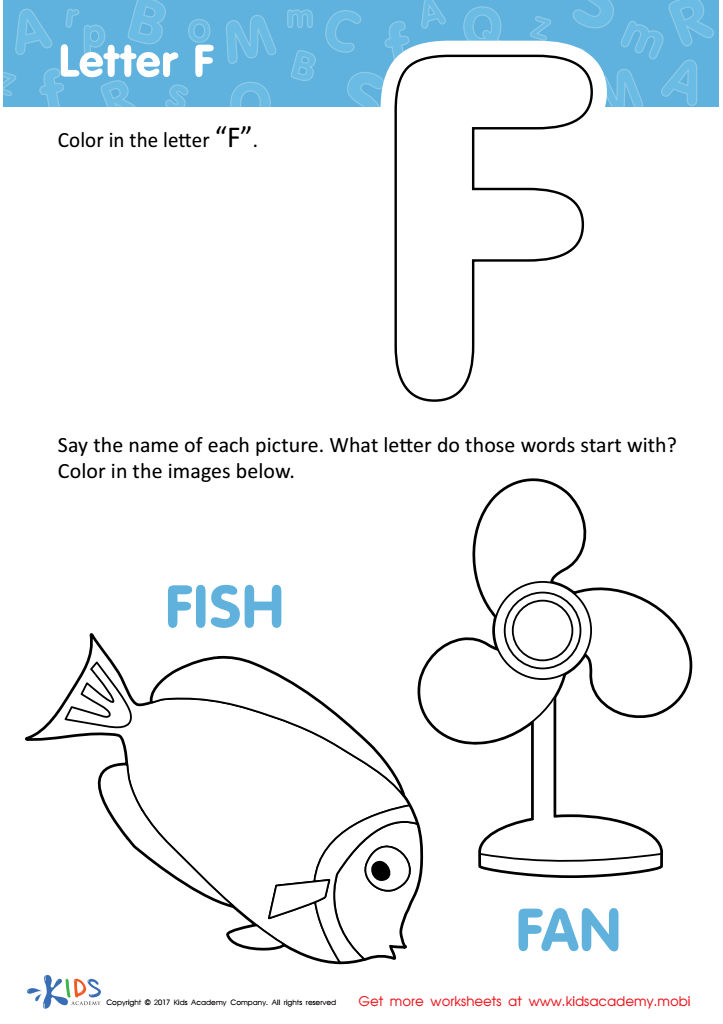
Letter F Coloring Sheet
Assign to My Students







Alphabet Recognition in 6-year-olds is a fundamental building block for early literacy development. At this age, children are experiencing rapid cognitive growth, and learning the ABCs is critical for several reasons. Firstly, it forms the foundation for phonemic awareness, understanding that letters symbolize sounds in language. This early connection paves the way for reading skills, enabling children to sound out and eventually recognize words quickly.
Secondly, letter recognition aids in vocabulary development. Knowing the alphabet facilitates access to written language, where they encounter new words that expand their language comprehension. This early exposure to a rich vocabulary has lasting benefits for communication skills and academic achievement.
Moreover, recognizing letters boosts a child's confidence. Accomplishing this milestone affirms their ability to learn and master new tasks, fostering a positive attitude towards education. It also enhances fine motor skills through writing practice, an essential competence for all school activities.
Finally, letter recognition is a significant social skill. Being on par with peers in literacy skills encourages positive social interactions and cooperative learning experiences in school settings.
Thus, parents and teachers should prioritize alphabet recognition to create a strong educational foundation, encouraging lifelong literacy and learning success.







