Alphabet Recognition Alphabet Worksheets for 6-Year-Olds - Page 3
57 filtered results
-
From - To
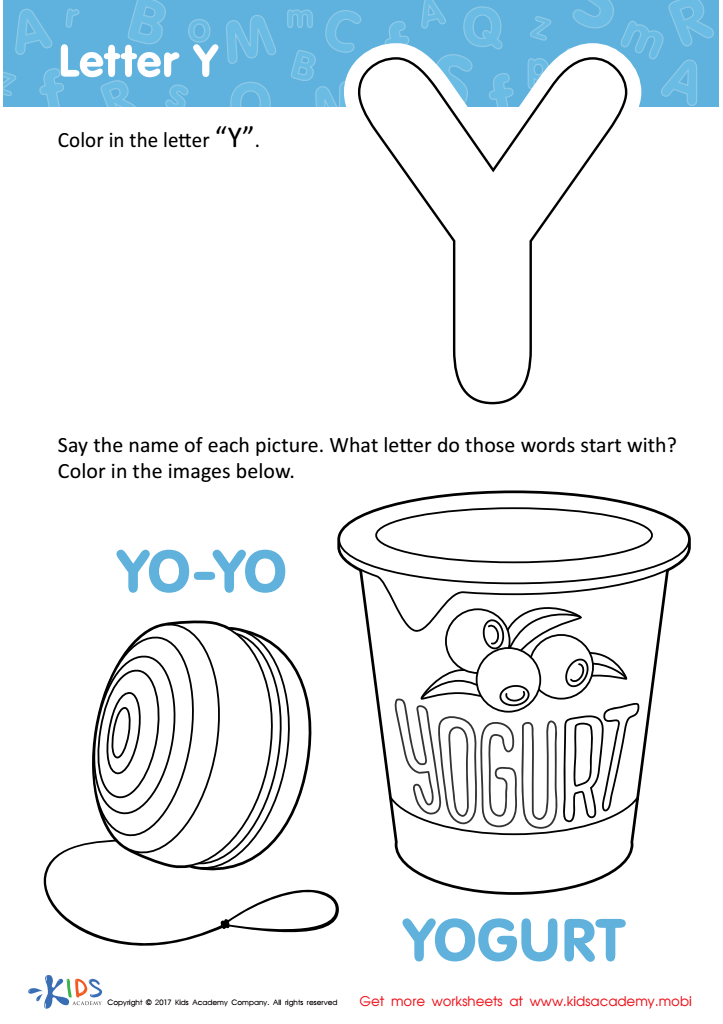
Letter Y Coloring Sheet
 Assign to My Students
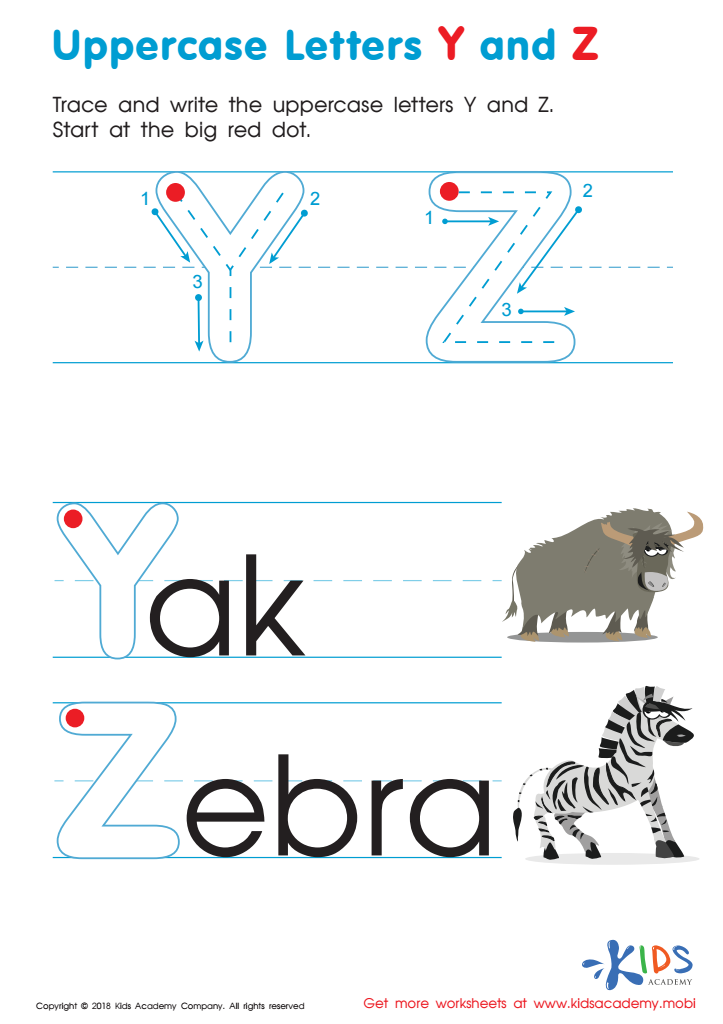
Uppercase Letters Y Z Worksheet
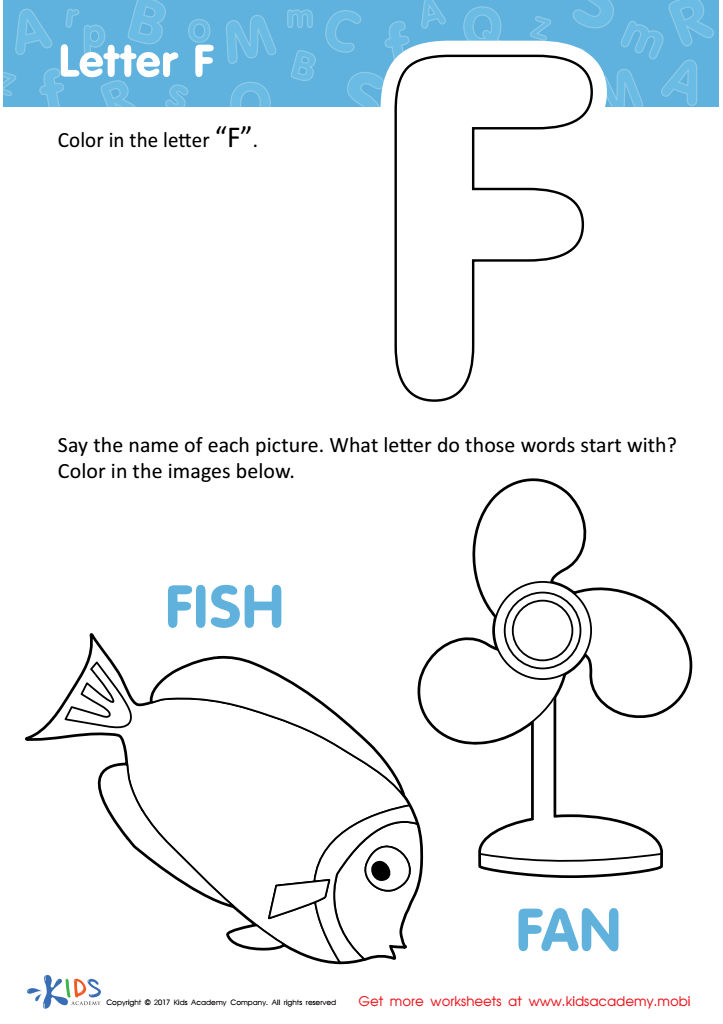
Letter F Coloring Sheet
Assign to My Students
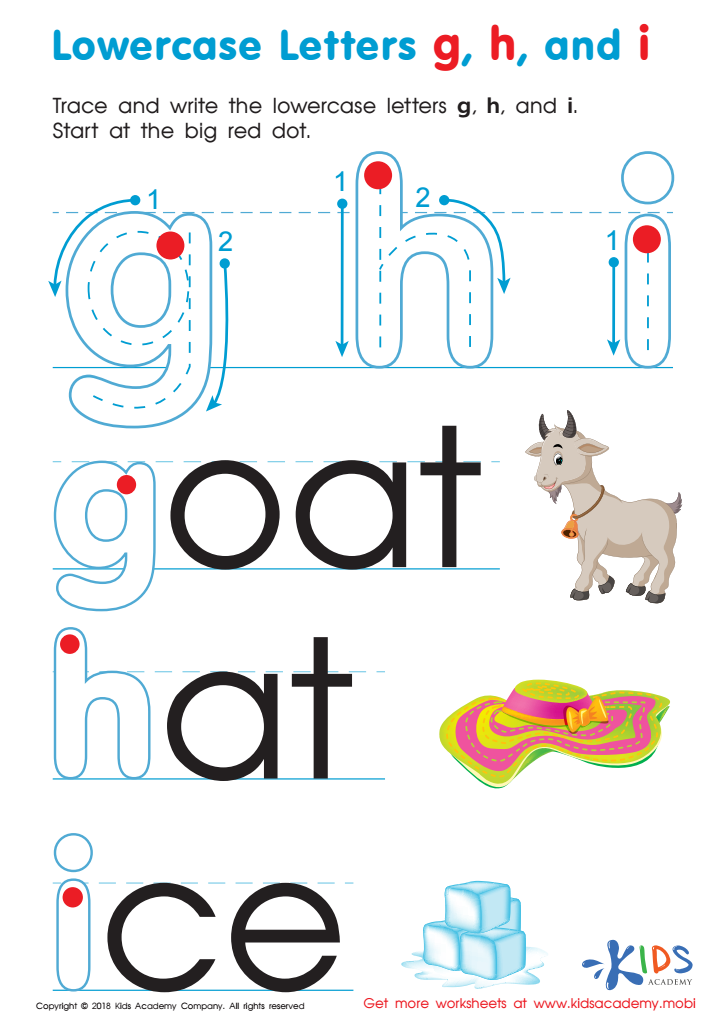
Lowercase Letters g h i Worksheet
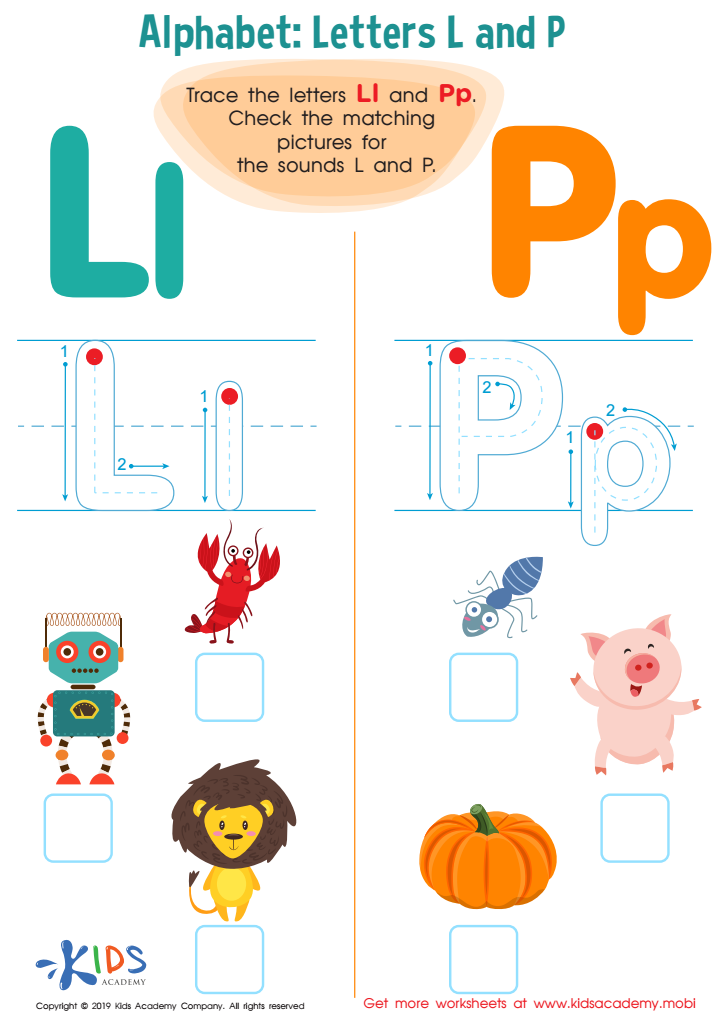
Letter L and P Tracing Worksheet
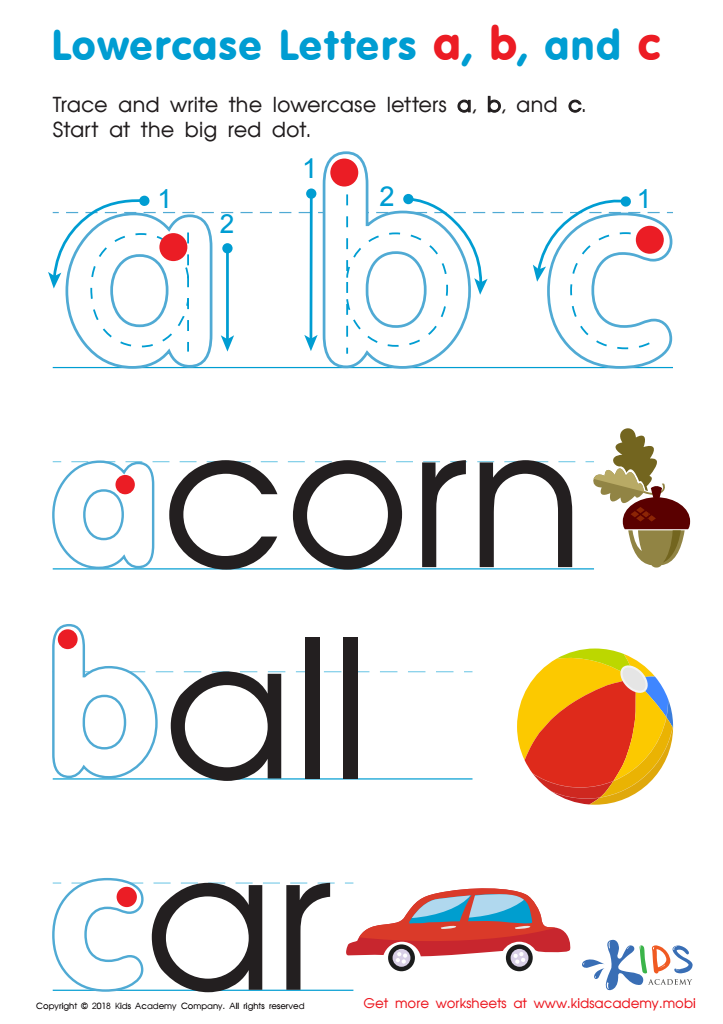
Lowercase Letters a b c Worksheet
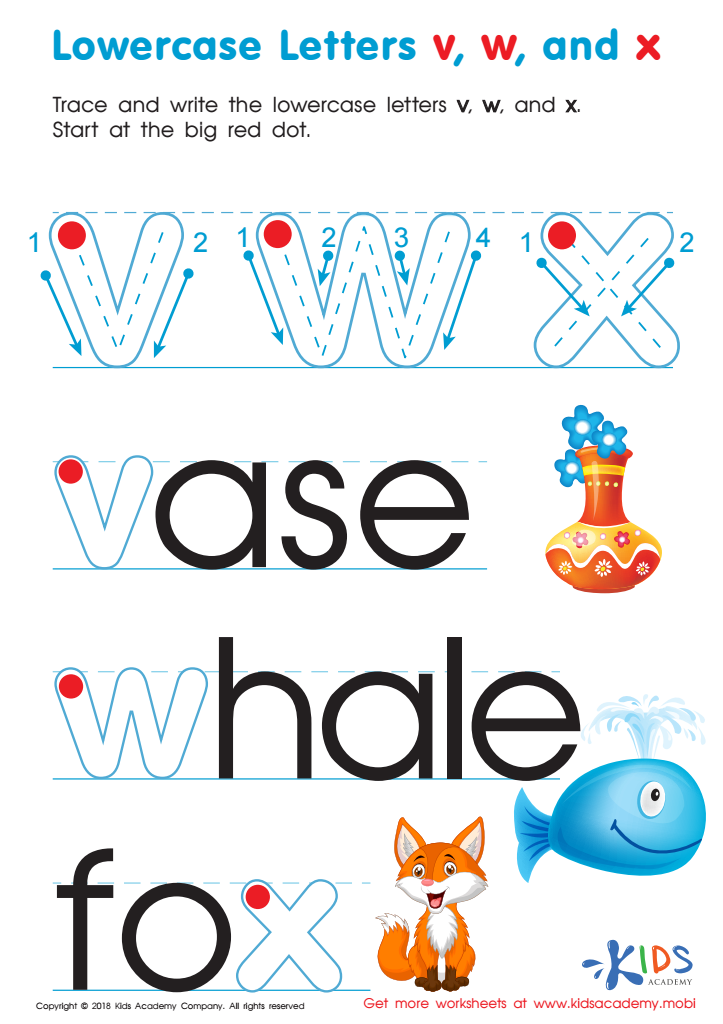
Lowercase Letters v w x Worksheet
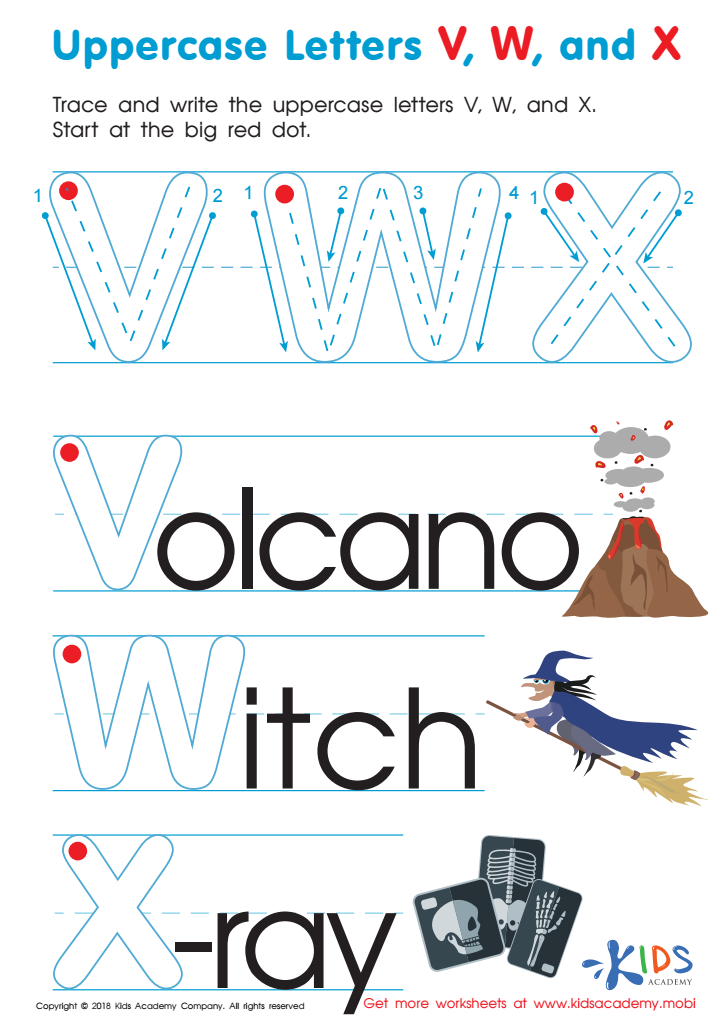
Uppercase Letters V, W, and X Worksheet
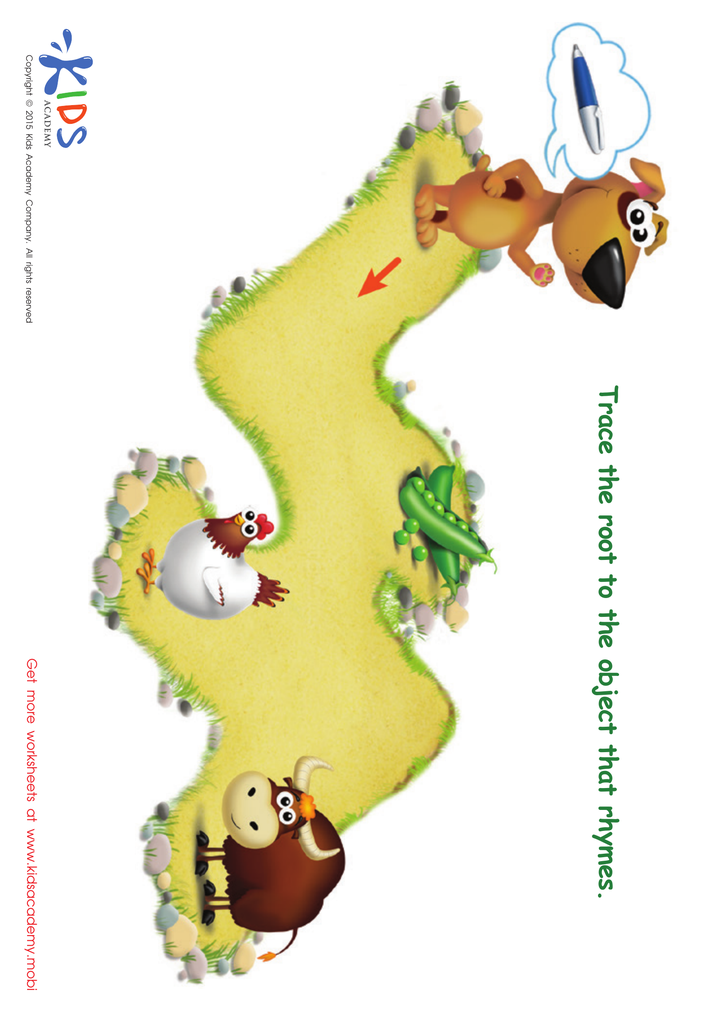
Pen Rhyming Words Worksheet








Alphabet recognition is fundamental to early literacy and language development in young children, particularly for 6-year-olds who are typically entering first grade and beginning to read more independently. Teachers and parents should prioritize this skill because it establishes the building blocks for reading and writing. Recognizing and understanding letters and their corresponding sounds (phonics) allows children to decode words, facilitating smoother reading and comprehension.
Early mastery of the alphabet can boost a child’s confidence and enthusiasm for learning. When a child can effortlessly identify letters, they are more prepared to tackle more complex tasks such as word formation, sentence construction, and eventually, paragraph writing. Early literacy skills also correlatively improve by enhancing cognitive abilities, fostering creative thinking, and strengthening memory.
Moreover, children who excel in alphabet recognition are less likely to experience frustration or discomfort when engaging with written material, leading to a more positive relationship with learning. Additionally, early reading proficiency is a strong indicator of future academic success. By supporting alphabet recognition, parents and teachers provide a foundation for lifelong learning, increasing the likelihood of academic and personal growth.
Therefore, ensuring that 6-year-olds are confident in alphabet recognition is crucial. It's an investment in their educational journey and a critical step towards their overall intellectual development.







