Letter formation Alphabet Worksheets for 6-Year-Olds
7 filtered results
-
From - To
Help your 6-year-old master the ABCs with our engaging Letter Formation Alphabet Worksheets! Designed specifically for young learners, these worksheets provide a fun and interactive way to practice handwriting. Kids will enjoy tracing and writing each letter, improving their penmanship and boosting their confidence. Each page reinforces phonics skills, aiding in early reading development. Perfect for home or classroom use, these worksheets support your child’s educational journey with easy-to-follow instructions and captivating visuals. Start building a strong literacy foundation today with our expertly crafted Letter Formation Alphabet Worksheets!

Letter A Tracing Page
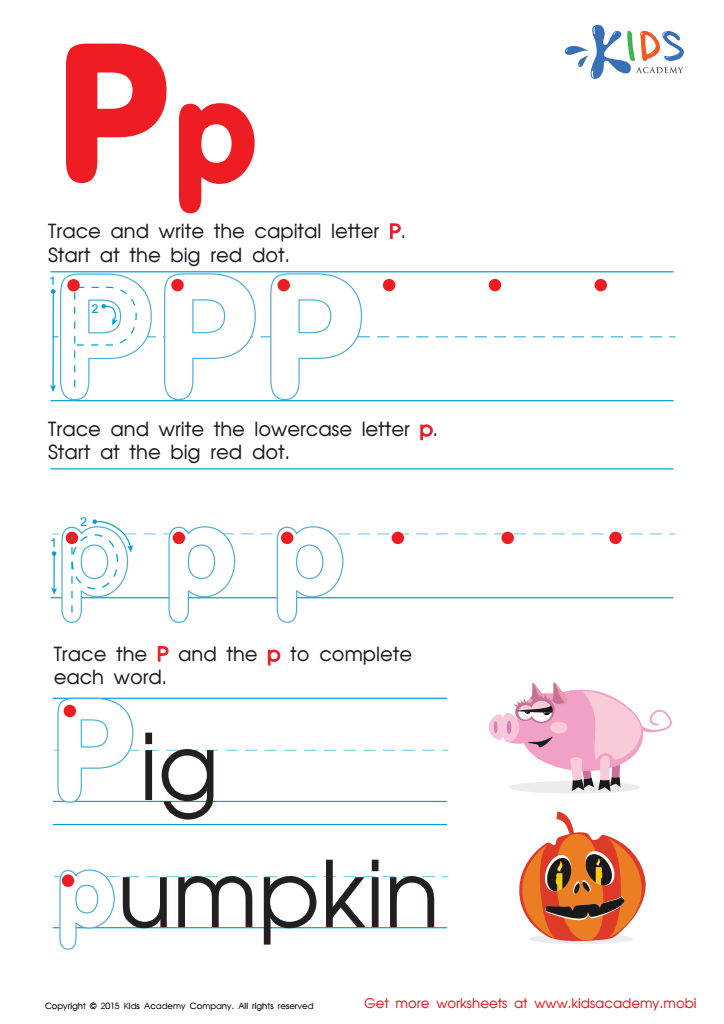
Letter P Tracing Page
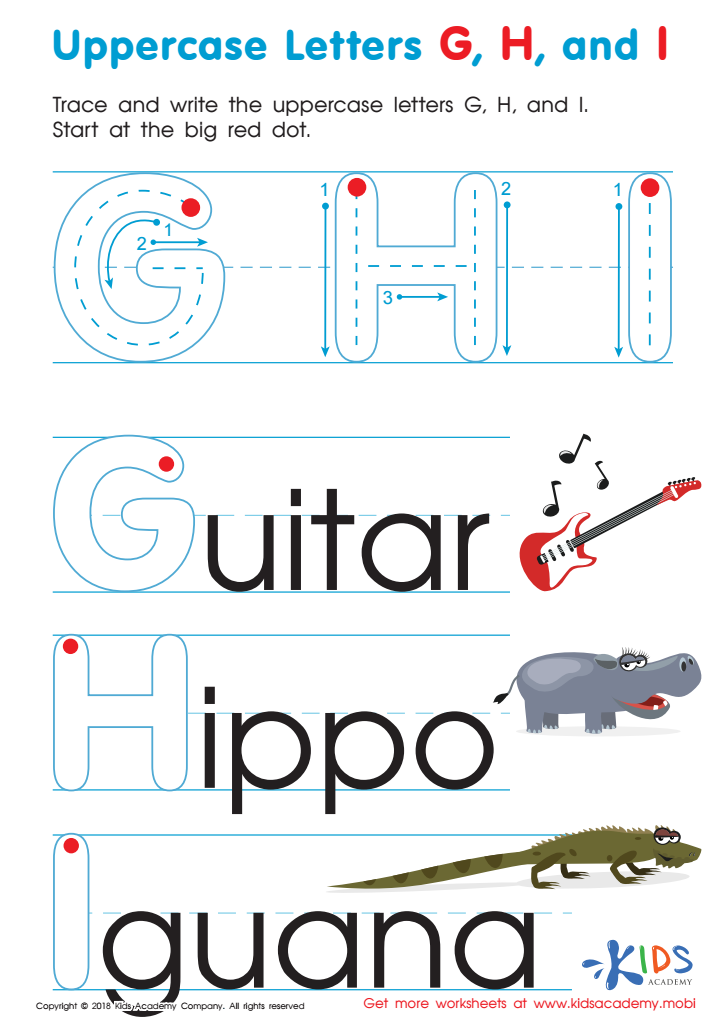
Uppercase Letters G, H, and I Worksheet
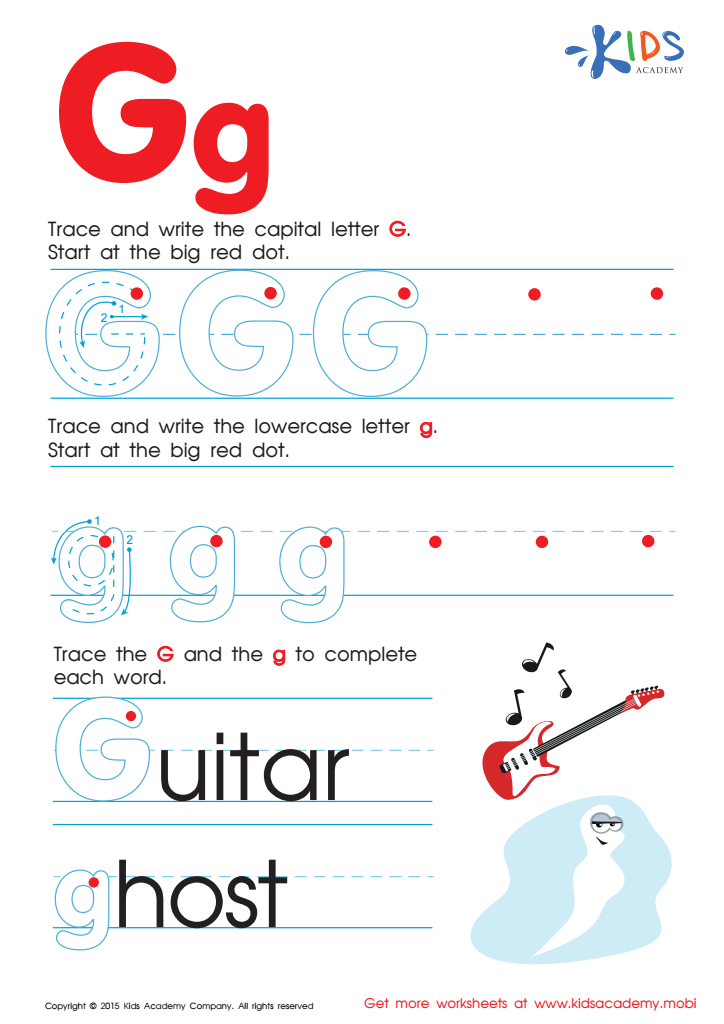
Letter G Tracing Page
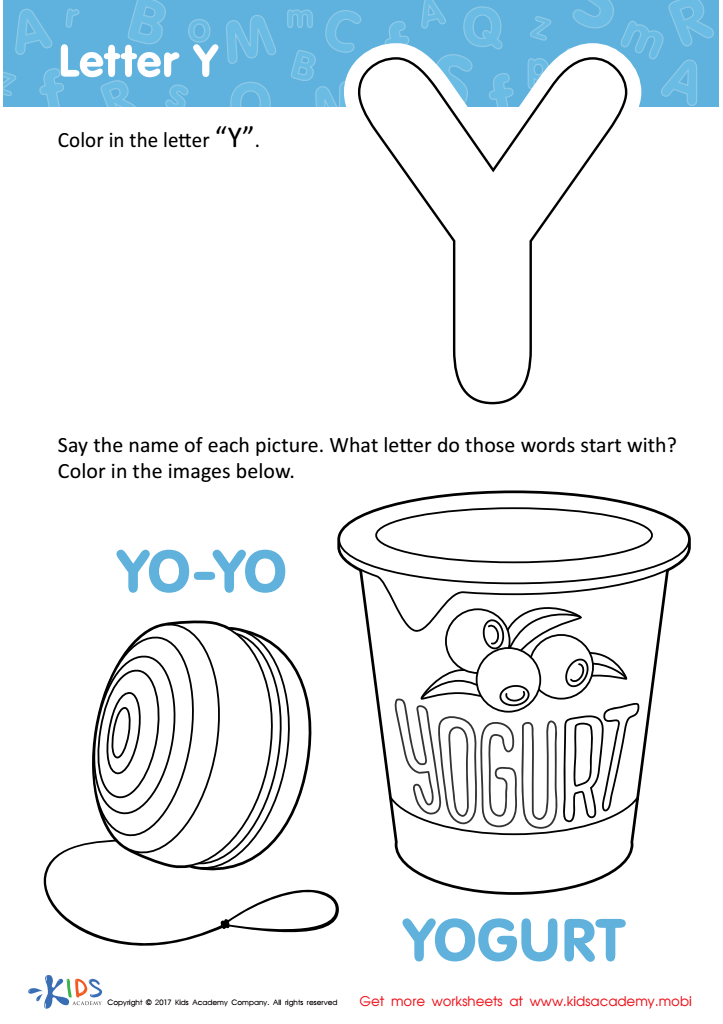
Letter Y Coloring Sheet
 Assign to My Students
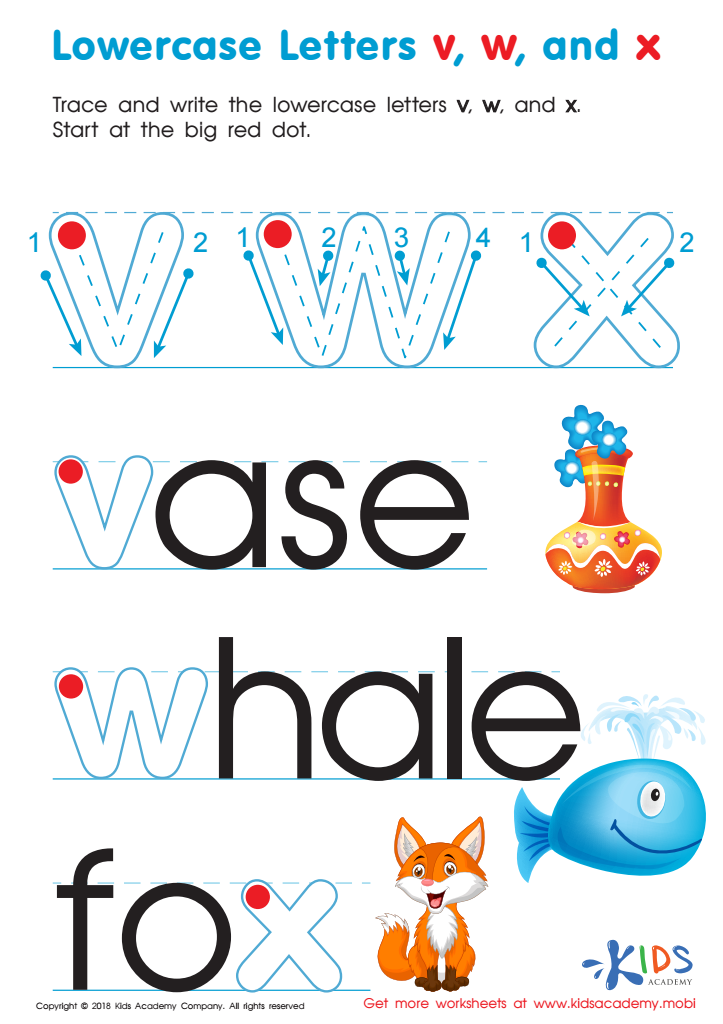
Lowercase Letters v w x Worksheet
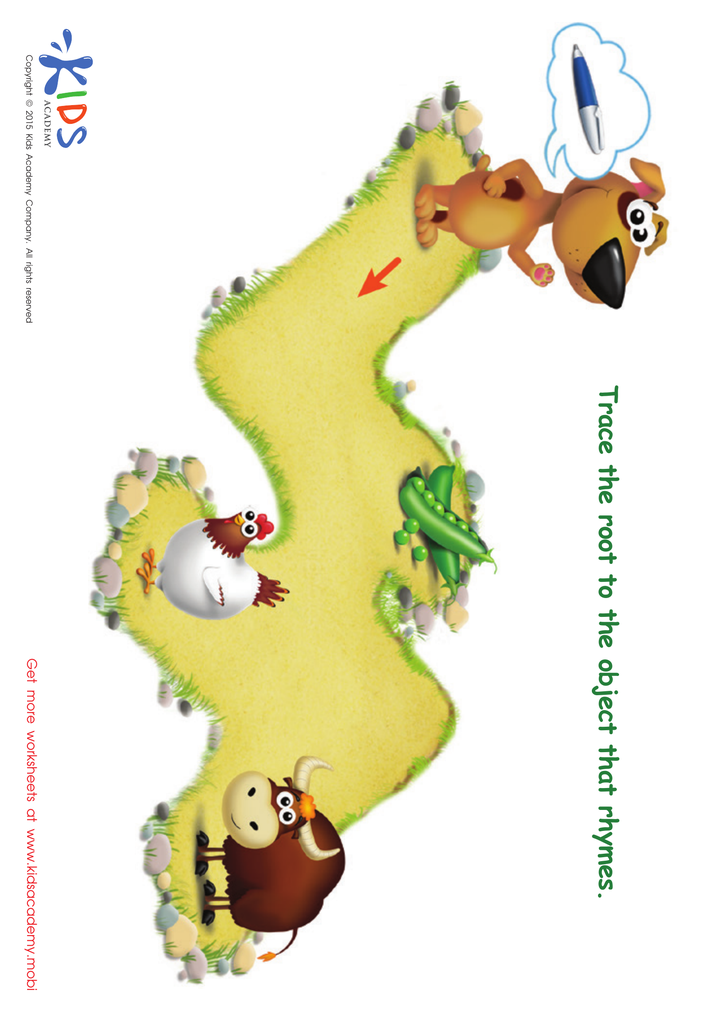
Pen Rhyming Words Worksheet








Letter formation is a fundamental skill for 6-year-olds, as it lays the foundation for effective communication and academic success. Parents and teachers play a crucial role in guiding children through this early learning stage. Proper letter formation fosters legible handwriting, which is essential for clear, written expression and can significantly impact a child's confidence and competence in sharing their ideas. Without mastering this skill early on, children may struggle with written assignments, potentially facing frustration and falling behind academically.
Further, developing good letter formation skills involves fine motor control, hand-eye coordination, and spatial awareness. These aspects contribute to overall cognitive and motor development, facilitating skills beyond writing, such as buttoning clothes or tying shoes. Early intervention ensures that children do not develop bad habits that are difficult to correct later.
Consistent practice with attention from caring adults also establishes the importance of discipline and attention to detail in young learners—traits valuable in all future learning endeavors. As children see their parents and teachers caring about their writing efforts, they, too, become more enthusiastic and diligent. Thus, focusing on letter formation intertwines skill development with fostering a positive and engaged learning environment, crucial for a child’s growth and long-term academic trajectory.







