Fine Motor Skills Phonics Worksheets for 6-Year-Olds
8 filtered results
-
From - To
Discover our engaging Fine Motor Skills Phonics Worksheets designed specifically for 6-year-olds. These unique worksheets combine phonics practice with fun activities that enhance fine motor development. Children will delight in tracing letters, cutting and pasting, and completing dot-to-dot exercises that reinforce letter recognition and phonetic understanding. Each worksheet is crafted to make learning enjoyable while building essential hand-eye coordination and dexterity. With varied themes and colorful illustrations, your child will stay motivated and excited to learn. Perfect for classroom or homeschooling environments, these worksheets support early literacy skills and make learning to read a joyful experience! Explore and download today!

Baa Baa Black Sheep Printable
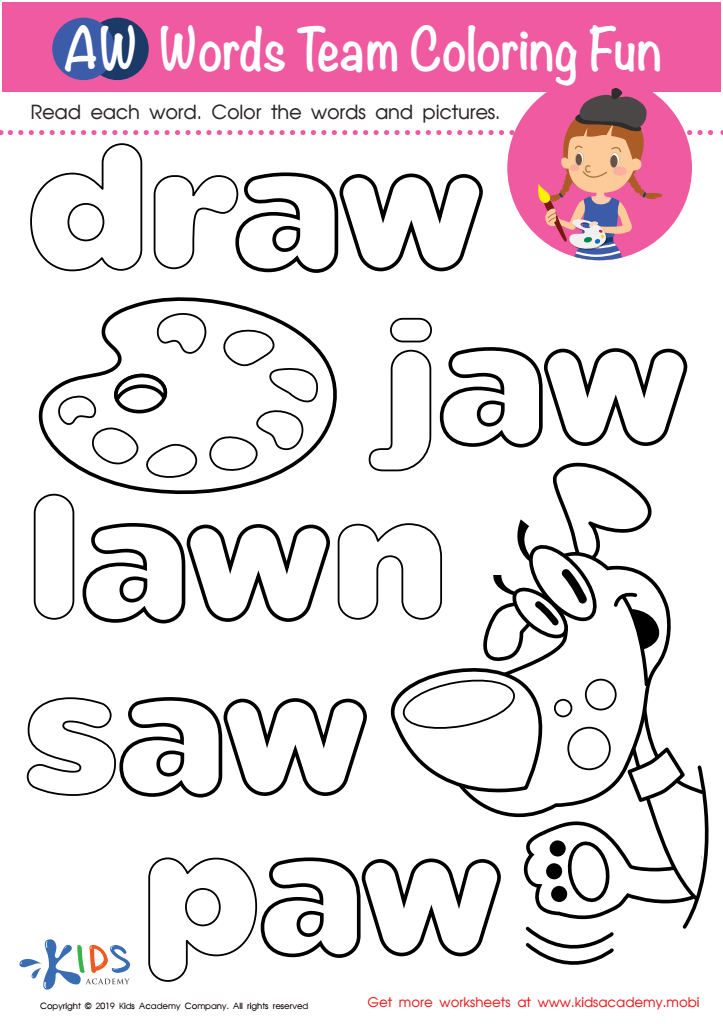
AW Words Team Coloring Fun Worksheet
 Assign to My Students
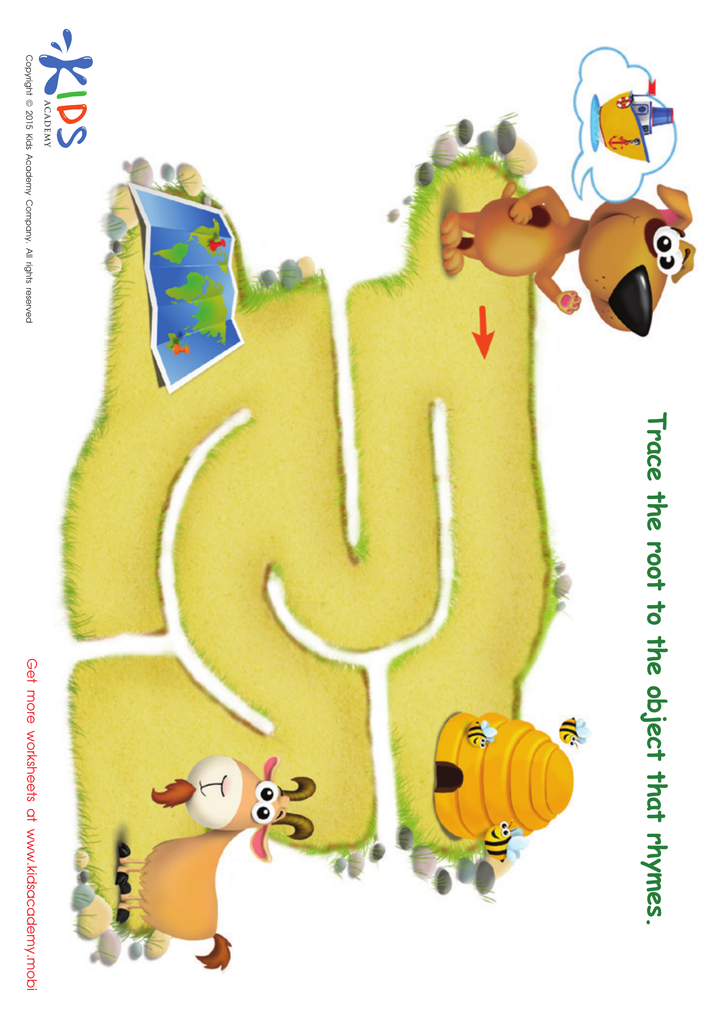
Boat Rhyming Words Worksheet

Long and Short U Worksheet
Assign to My Students
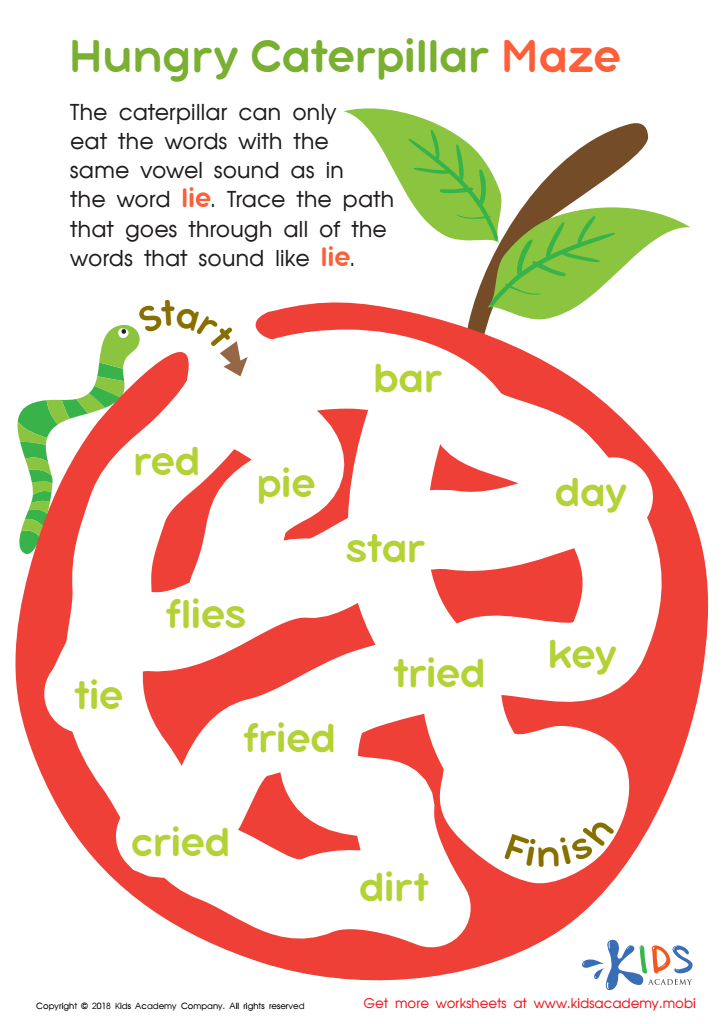
Hungry Caterpillar Maze Worksheet
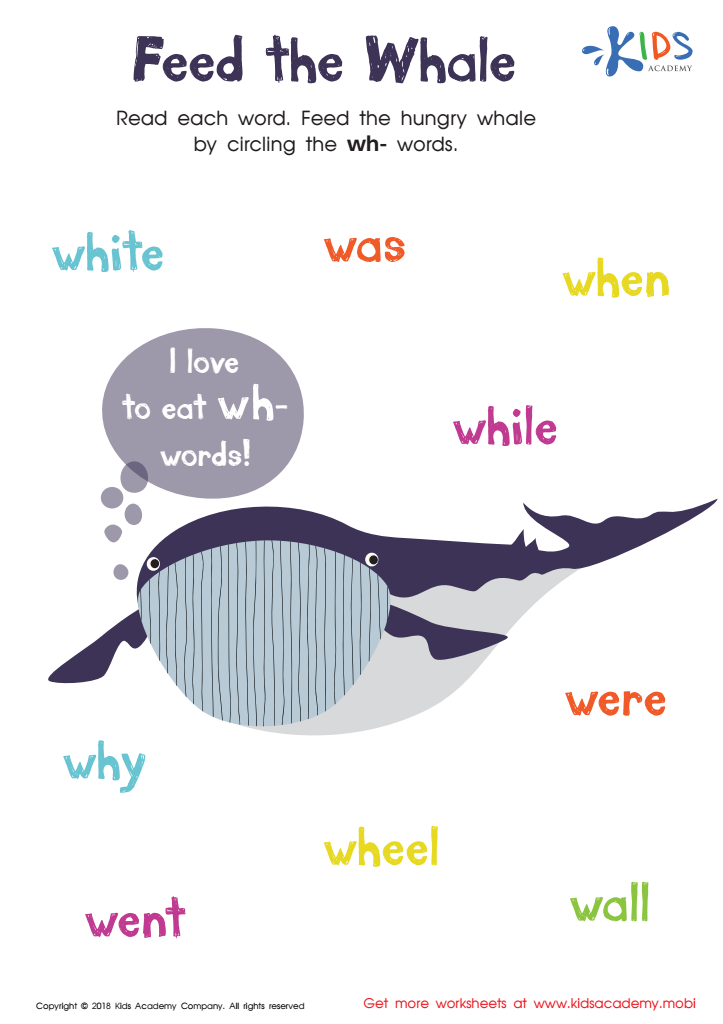
Feed the Whale Worksheet
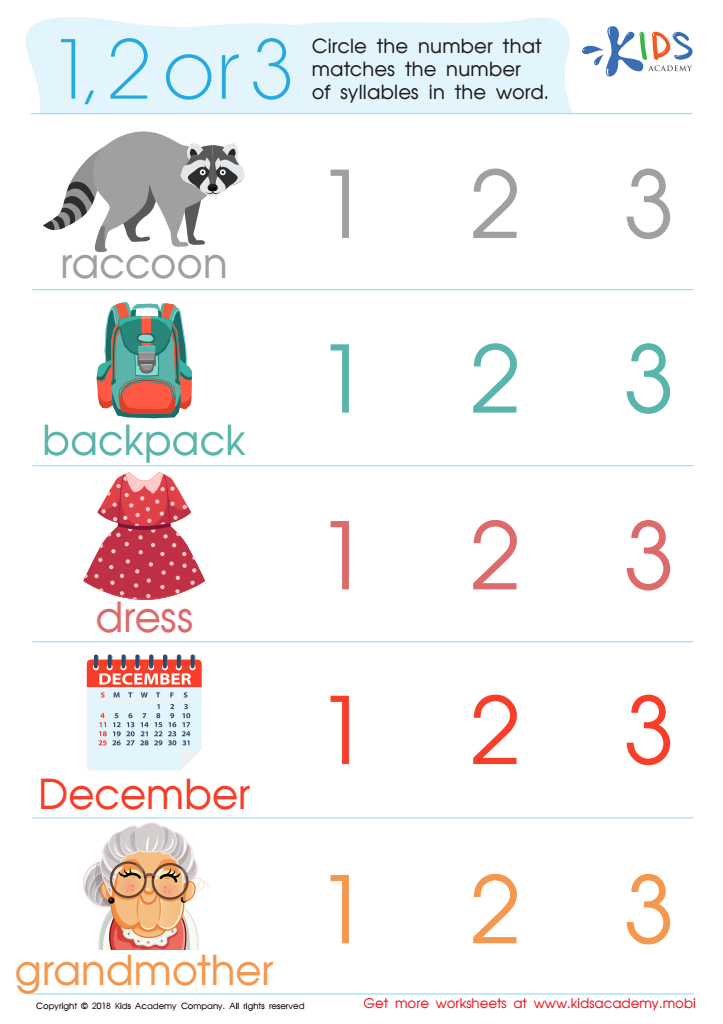
1, 2 or 3? Worksheet
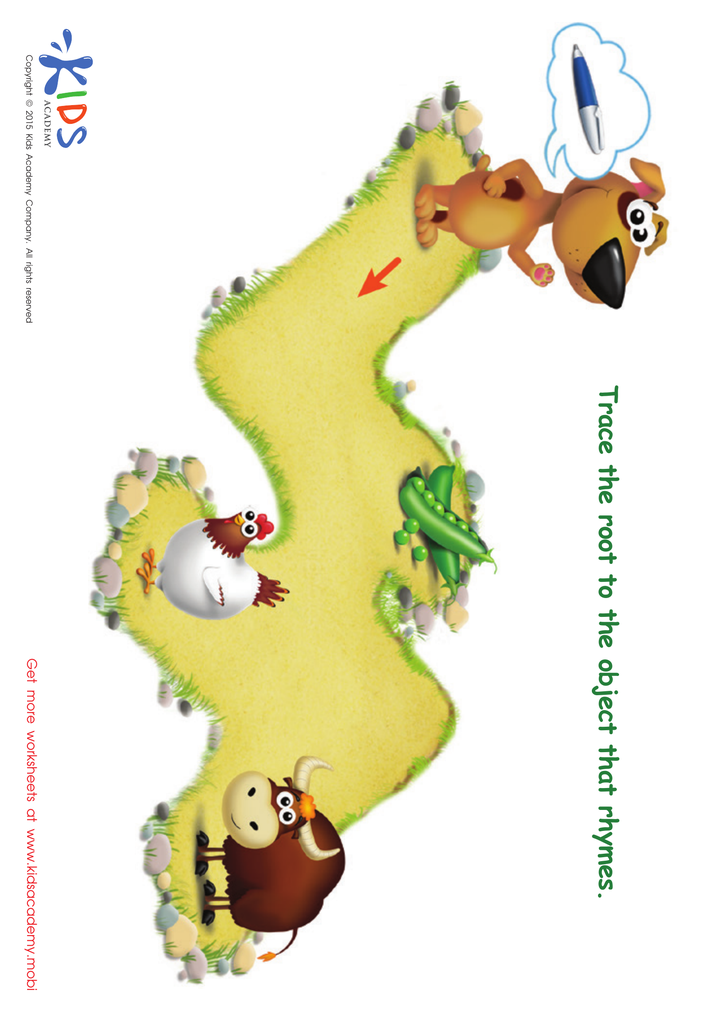
Pen Rhyming Words Worksheet








Fine motor skills are essential for young children's overall development, particularly when they begin formal education around the age of six. These skills involve the coordination of small muscles in the hands and fingers, which are crucial for tasks like writing, drawing, and manipulating small objects. Phonics, on the other hand, is the method of teaching reading by correlating sounds with letters or groups of letters. Together, fine motor skills and phonics play a pivotal role in a child's literacy development.
Parents and teachers should care about these skills because they directly impact a child's ability to read and write effectively. When children have strong fine motor skills, they can hold writing instruments properly, create legible letters, and engage in activities that foster a love for writing. Additionally, mastery of phonics helps children decode words, enabling them to read independently. Both skills work hand-in-hand; for example, as children practice phonics through writing exercises, their fine motor skills are further developed.
Moreover, children who struggle with fine motor skills may find academic tasks frustrating, potentially leading to a lack of confidence and disengagement in the classroom. By supporting the development of fine motor skills and phonics, parents and teachers can empower children to succeed academically and enjoy a positive learning experience.







