Letter-sound correlation Phonics Worksheets for 6-Year-Olds
3 filtered results
-
From - To
Enhance your 6-year-old's reading skills with our engaging letter-sound correlation phonics worksheets. Designed specifically for early learners, these worksheets help children make vital connections between letters and their corresponding sounds, laying a strong foundation for reading success. Our interactive activities foster phonemic awareness and improve literacy skills while keeping learning fun. Whether your child is just beginning their phonics journey or needs a refreshing challenge, our diverse worksheets cater to all skill levels. Parents and teachers can easily access and download these printables to support learning at home or in the classroom. Start your child's phonics adventure today!
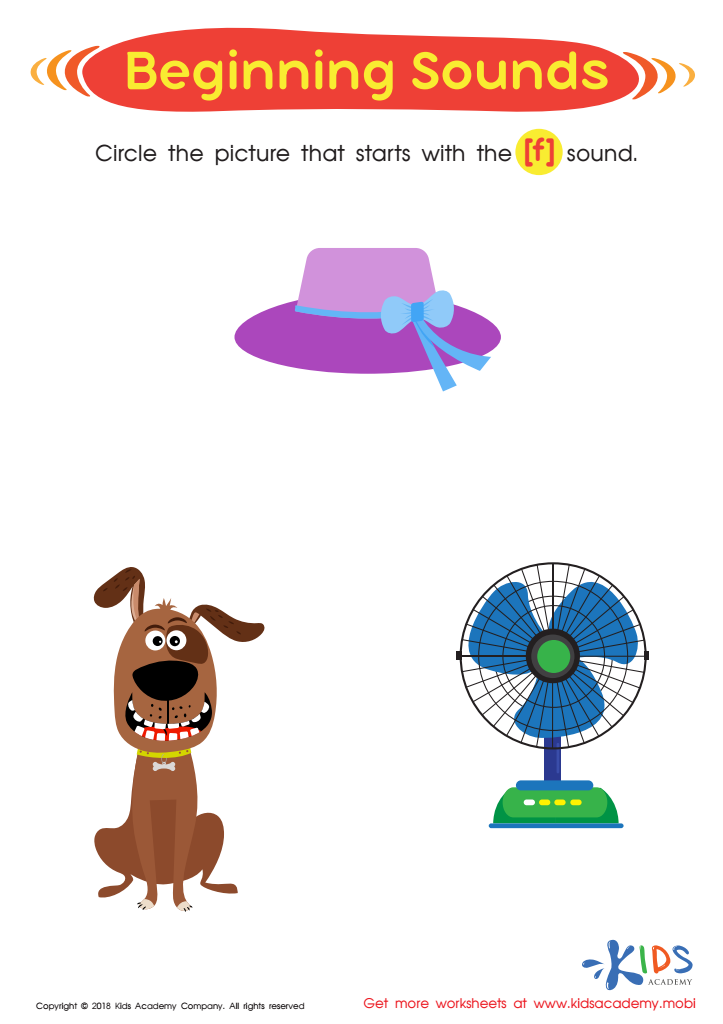
Beginning Sounds Assessment Printable
 Assign to My Students
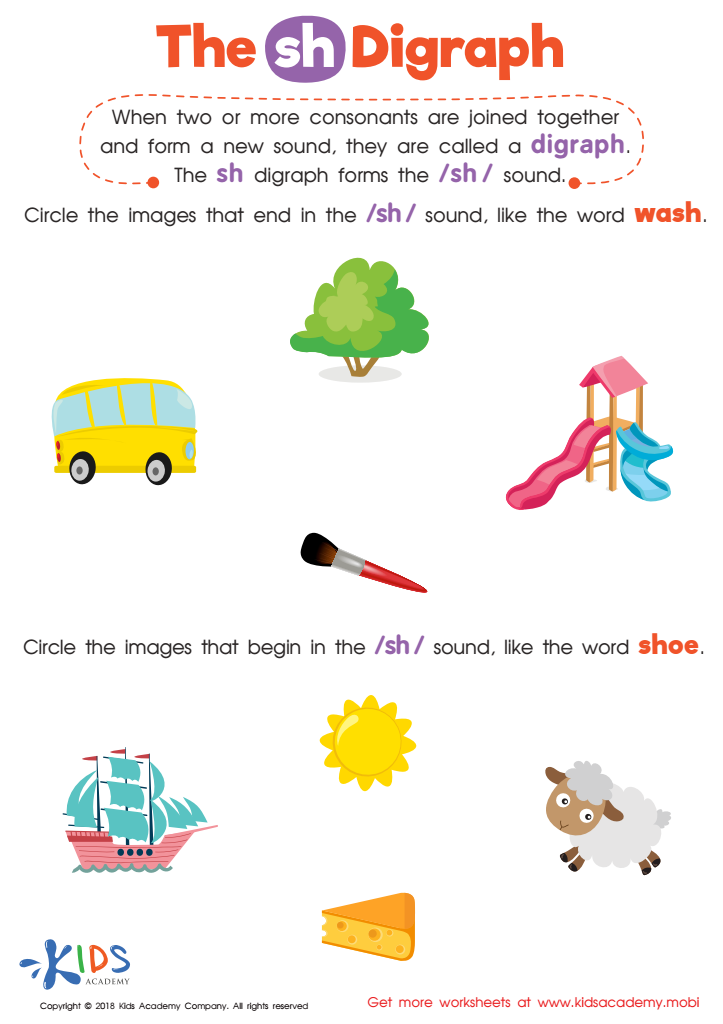
The SH Digraph Worksheet
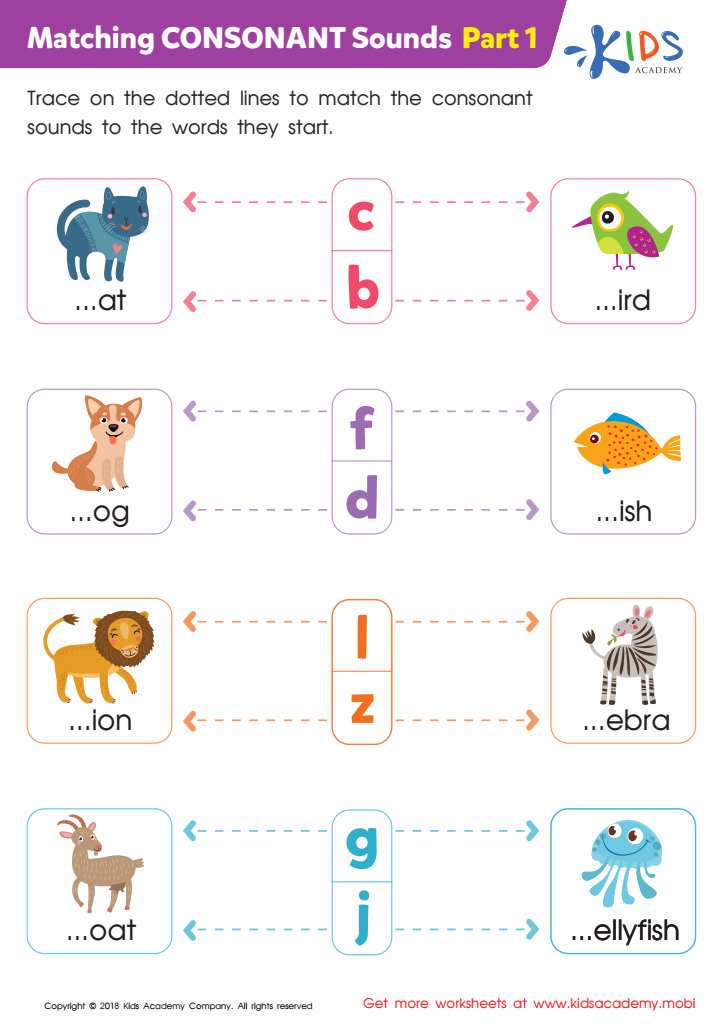
Matching Consonant Sounds: Part 1 Worksheet








Parents and teachers should prioritize teaching letter-sound correlation, a key principle of phonics, for 6-year-olds because it establishes a strong foundation for literacy development. At this age, children are forming critical connections between letters and the sounds they represent, which is essential for decoding words. Understanding these relationships enables young learners to tackle reading independently, improving their confidence and fostering a love for literature.
Phonics instruction aids in the development of critical reading skills that help children effectively sound out unfamiliar words. By grasping letter-sound correspondence, they can better analyze spelling patterns, recognize sight words, and enhance their writing abilities. This lays the groundwork for a seamless transition to more advanced reading and comprehension skills.
Moreover, children who struggle with phonics may experience frustration and lower self-esteem. Providing a structured phonics program ensures that every child, regardless of their initial abilities, can catch up and thrive. Consequently, investing time in phonics not only empowers students academically but also instills a lifelong passion for reading, which is vital for ongoing success in all subject areas. Parents and educators working together to reinforce these skills at home and in the classroom will create a harmonious approach to fostering literacy.







