Vocabulary Enrichment Phonics Worksheets for 6-Year-Olds
4 filtered results
-
From - To
Welcome to our Vocabulary Enrichment Phonics Worksheets for 6-Year-Olds! Designed to boost your child's language skills, these engaging worksheets combine fun with learning, making phonics exciting and impactful. Each worksheet focuses on essential vocabulary and phonetic sounds, helping children decode words and expand their language comprehension. With interactive activities, colorful illustrations, and tailored exercises, these resources promote independent learning while enhancing literacy skills. Perfect for classrooms or at-home practice, these worksheets foster a lifelong love for reading and language. Dive into our collection and watch your child’s vocabulary flourish as they grow into confident readers!
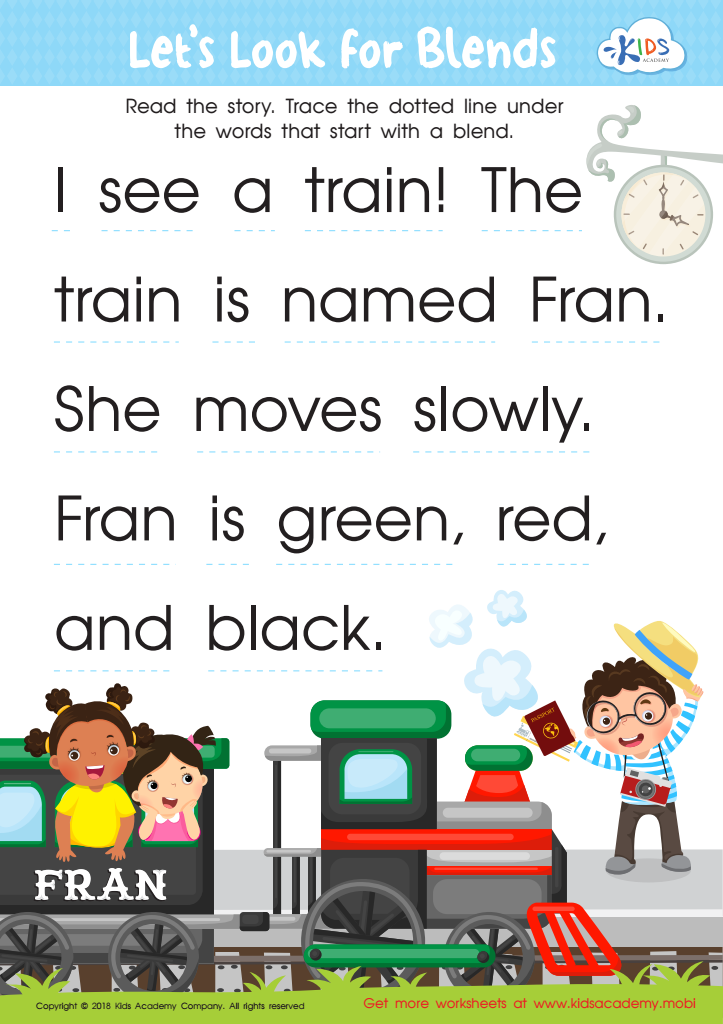
Let's Look for Blends Worksheet
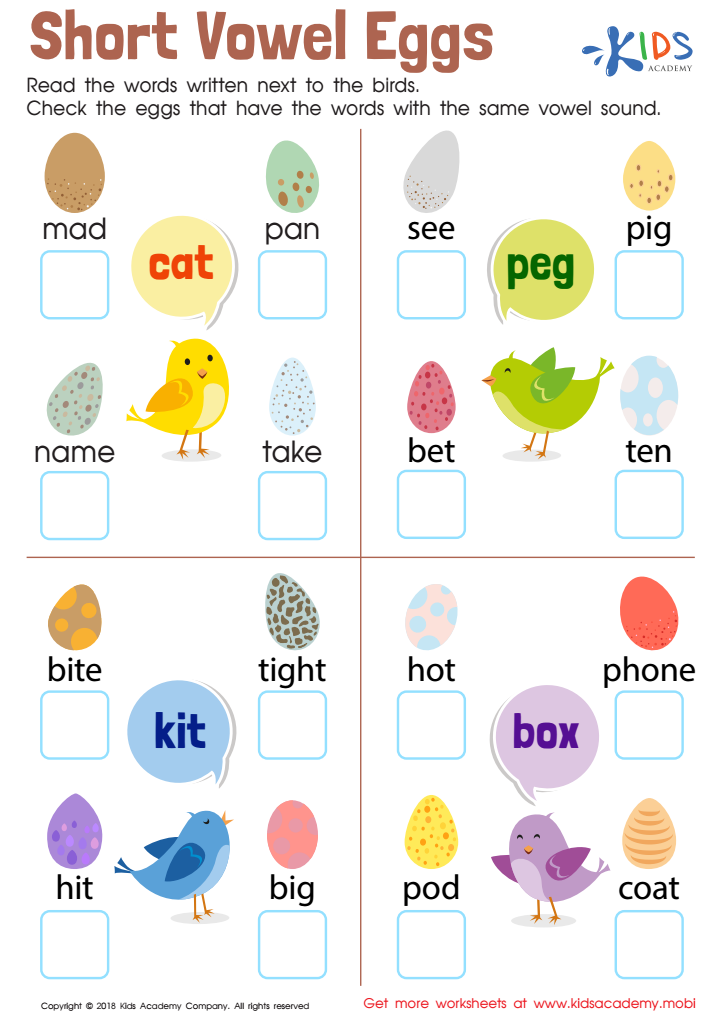
Short Vowel Eggs Worksheet
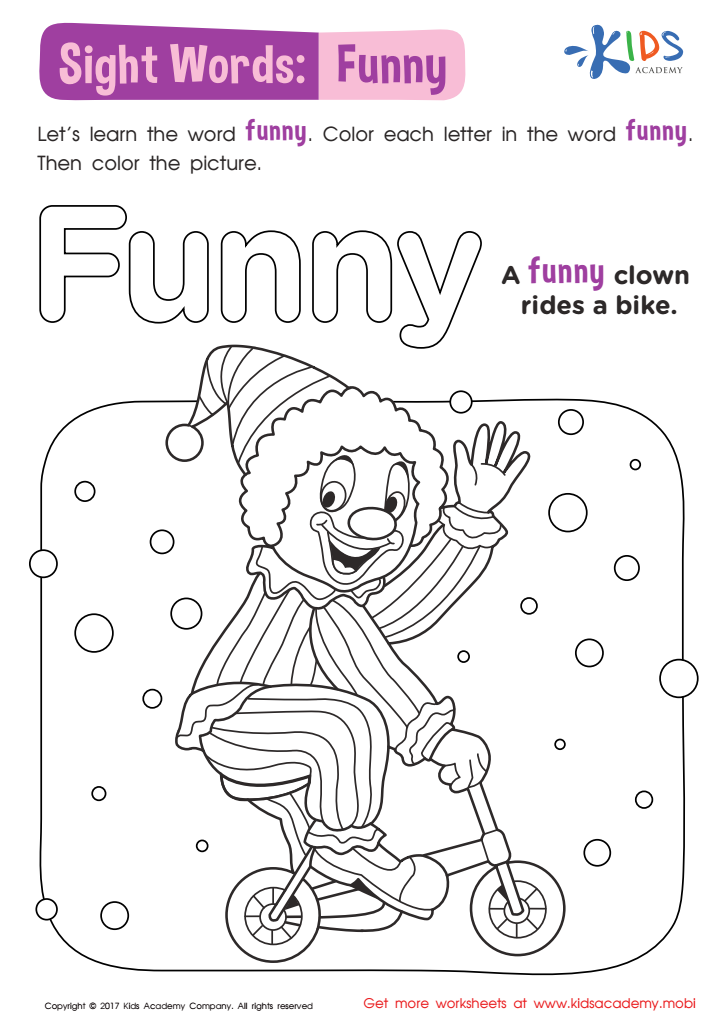
Funny Worksheet Sight Words Worksheet
 Assign to My Students
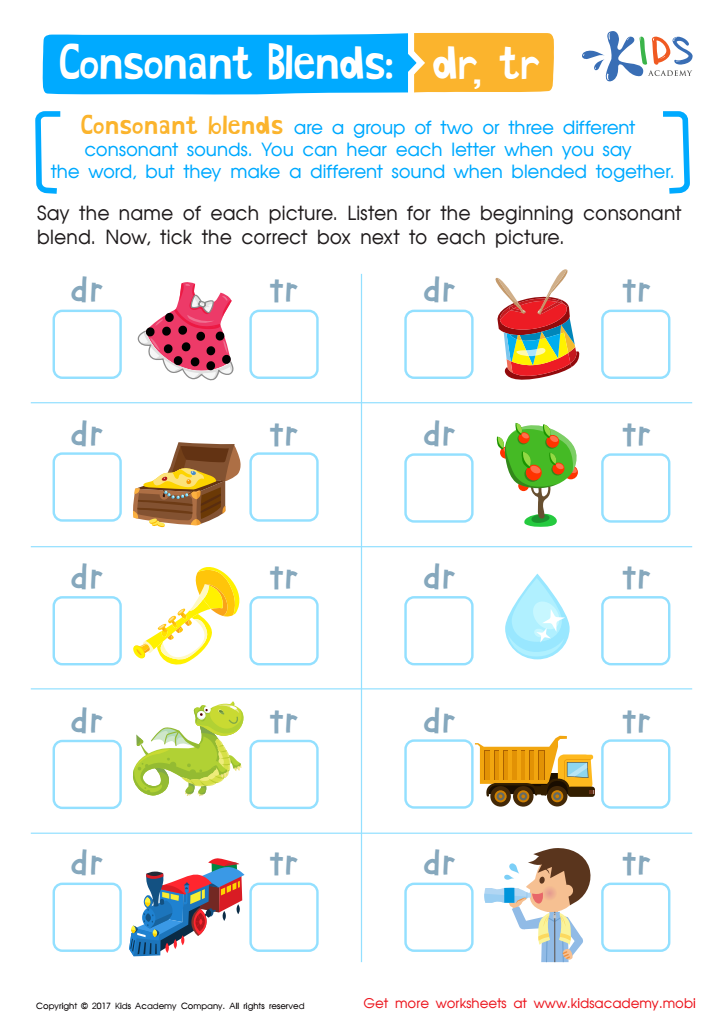
Consonant Blends: "Dr" and "Tr" Printable








Vocabulary enrichment and phonics are crucial components of early literacy development for six-year-olds. At this age, children are at a pivotal stage of language acquisition and cognitive development, where their understanding of words and sounds lays the foundation for future reading and writing skills.
Firstly, a robust vocabulary enhances comprehension. Children who can recognize and understand a wide range of words are better equipped to make sense of stories and information, which fosters a love for reading. Vocabulary enrichment activities engage children in rich language experiences and expose them to diverse words, helping them articulate their thoughts more effectively.
Phonics, on the other hand, provides the essential skills of decoding and encoding words. By understanding the relationship between letters and sounds, children become more confident readers. This skill is particularly vital for early learners as it promotes their ability to read independently, paving the way for academic achievement.
Together, vocabulary enrichment and phonics create a comprehensive literacy foundation, encouraging not just linguistic proficiency but also critical thinking and communication skills. Investing in these areas ensures that children become confident, competent readers and lifelong learners. By prioritizing these strategies, parents and teachers can inspire a passion for language that lasts a lifetime.







