Reading comprehension Short Vowels Worksheets for 6-Year-Olds
6 filtered results
-
From - To
Enhance your 6-year-olds' reading skills with our engaging Short Vowels Worksheets designed specifically for their age group. These worksheets focus on improving reading comprehension by introducing the fundamental short vowel sounds in a fun and interactive way. Through a variety of activities, children will practice identifying short vowels in words, comprehending simple texts, and answering questions that foster critical thinking. Each exercise is carefully crafted to keep young learners motivated while building their phonemic awareness. Download our themed worksheets today to support your child's literacy journey and help them develop a strong foundation in reading comprehension!
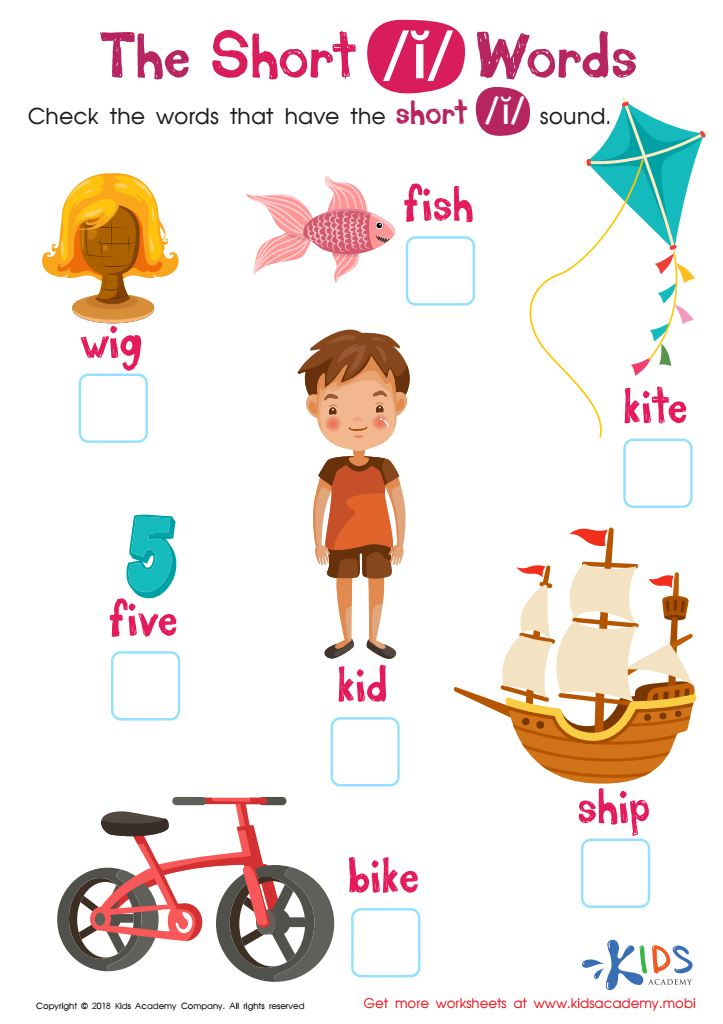
The Short I Words Reading Worksheet
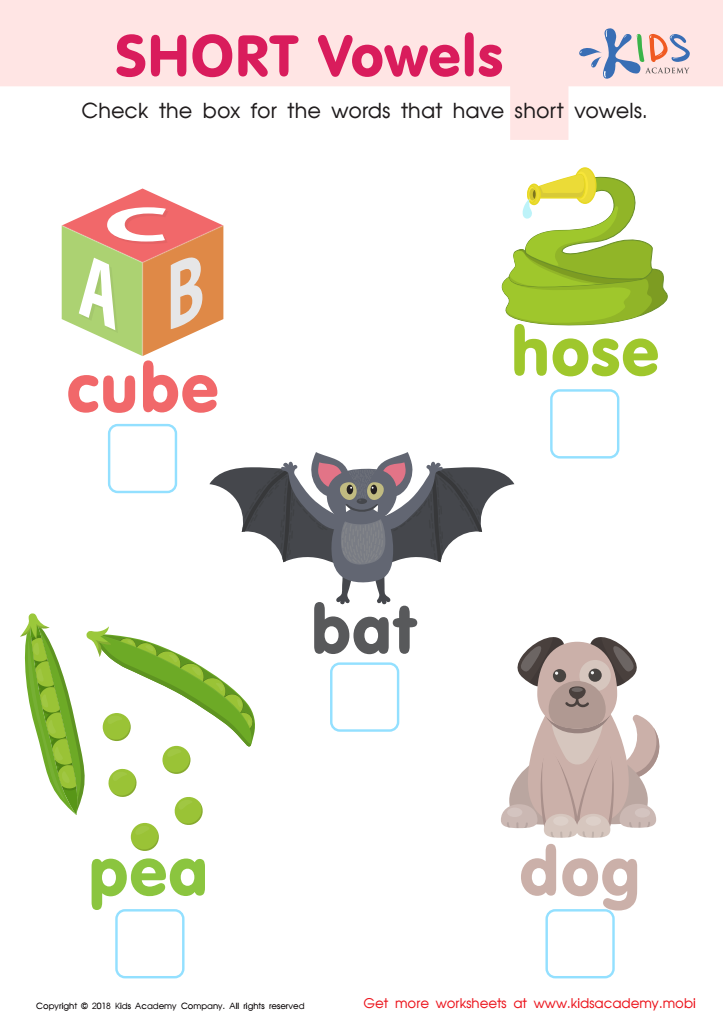
short vowels Worksheet
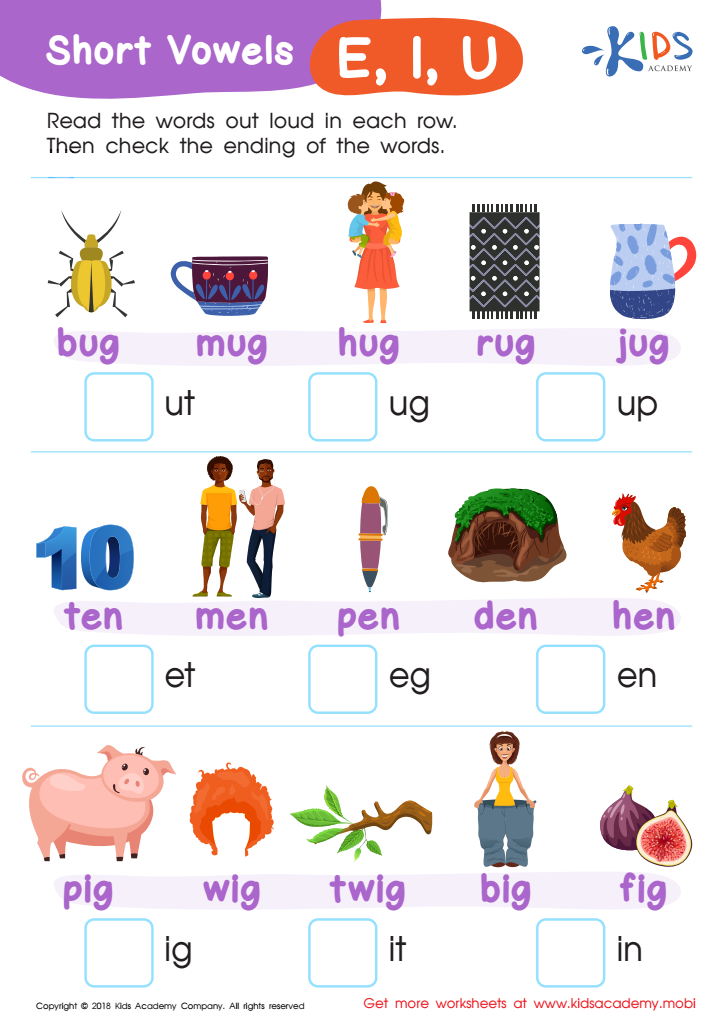
Short Vowels /e/, /i/, and /u/ Worksheet
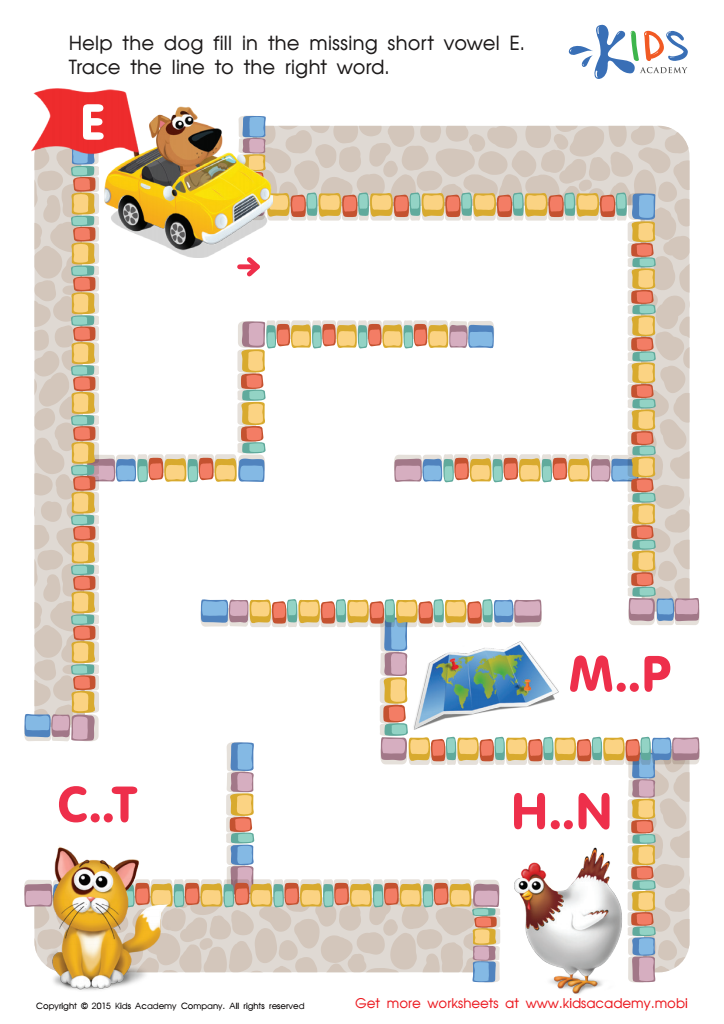
Short Vowel Sound E Worksheet
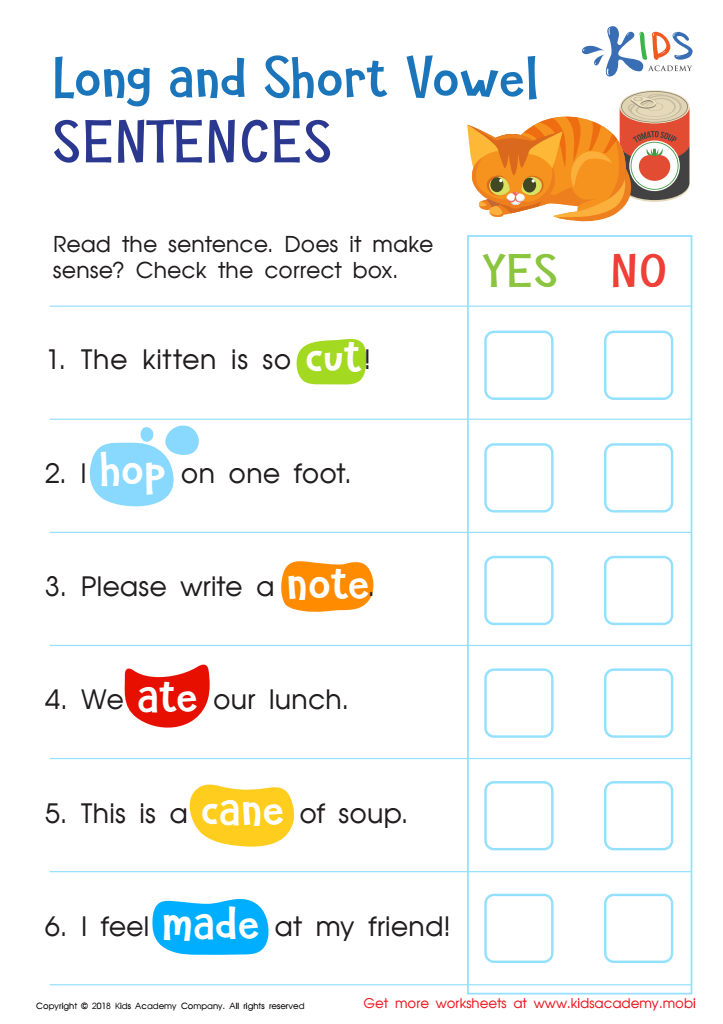
Long and Short Vowel Sentences: Assessment Worksheet

Long and Short E Worksheet
 Assign to My Students



Reading comprehension and short vowels are foundational elements of early literacy development crucial for 6-year-olds. At this age, children are beginning to decode words, and understanding short vowels is essential for this process. Short vowels form the building blocks of many words, and without mastery of these sounds, children may struggle to read fluently and with understanding.
Parents and teachers should prioritize this skill since reading comprehension deeply influences overall academic success. Strong comprehension skills enable children to grasp broader meanings, follow stories, and engage with their surroundings. Recognizing short vowels enhances their ability to sound out words correctly, boosting their confidence in reading and learning.
Moreover, fostering reading comprehension at this stage nurtures a love for reading. When children can comprehend what they read, they are more likely to enjoy the activity, leading them to explore new topics and ideas independently. This curiosity supports emotional and cognitive development, fostering critical thinking skills that are essential in today's world.
Ultimately, investing time and effort in building short vowel recognition and comprehension not only aids immediate literacy skills but also lays the groundwork for lifelong learning, equipping children with the tools they need for future academic challenges.