Handwriting practice Tracing Letters Worksheets for 6-Year-Olds - Page 2
28 filtered results
-
From - To
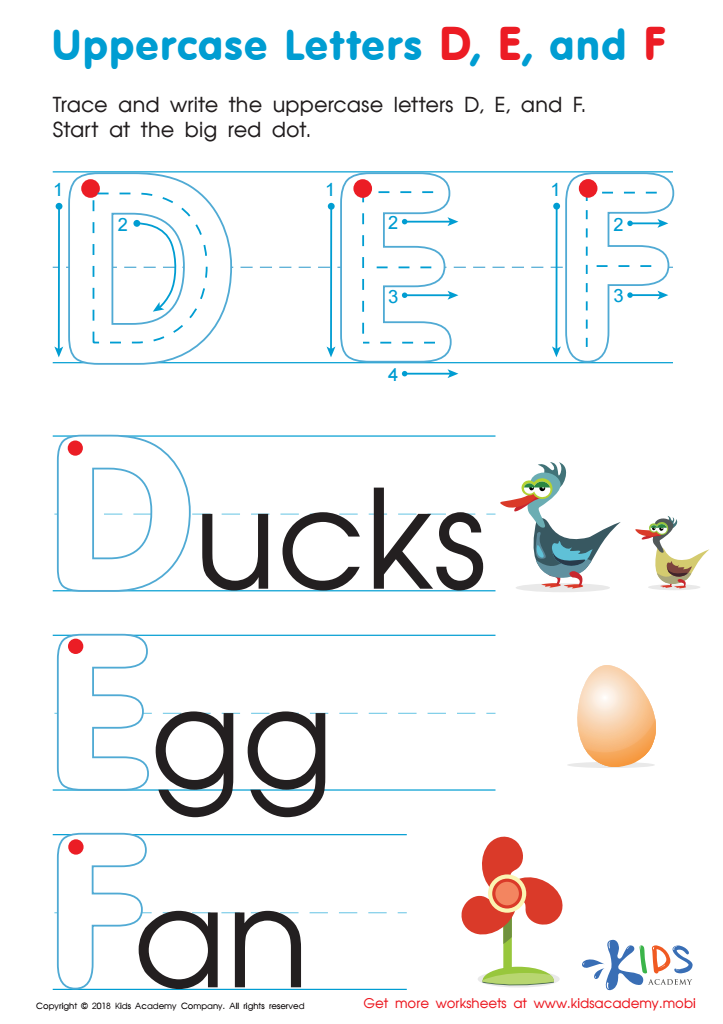
Uppercase Letters D, E, and F Worksheet
 Assign to My Students
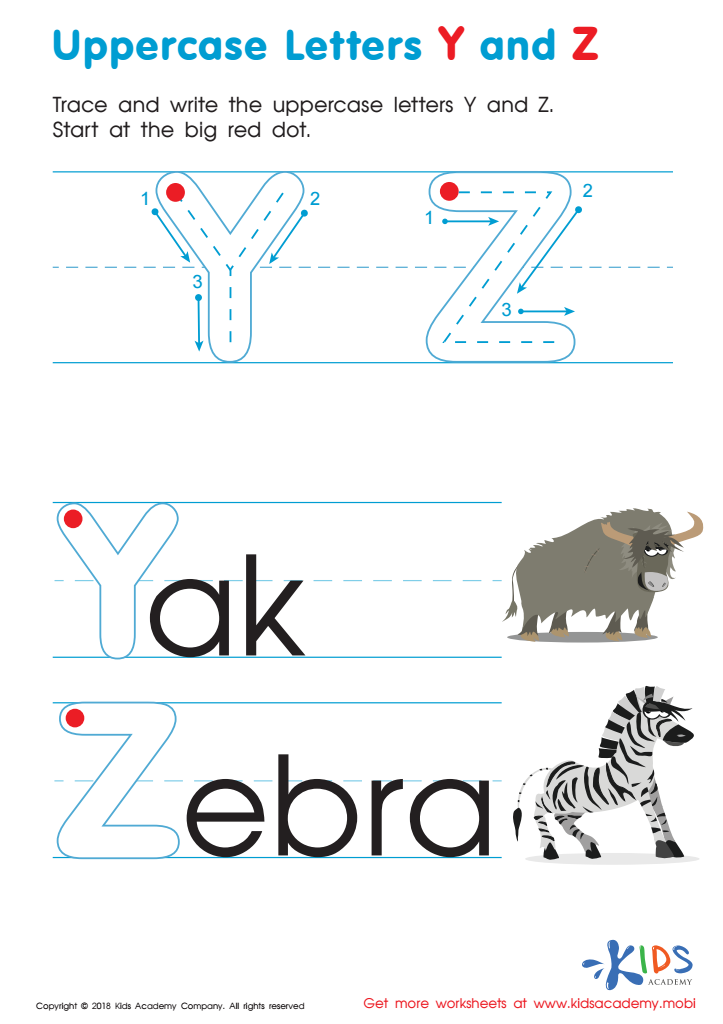
Uppercase Letters Y Z Worksheet
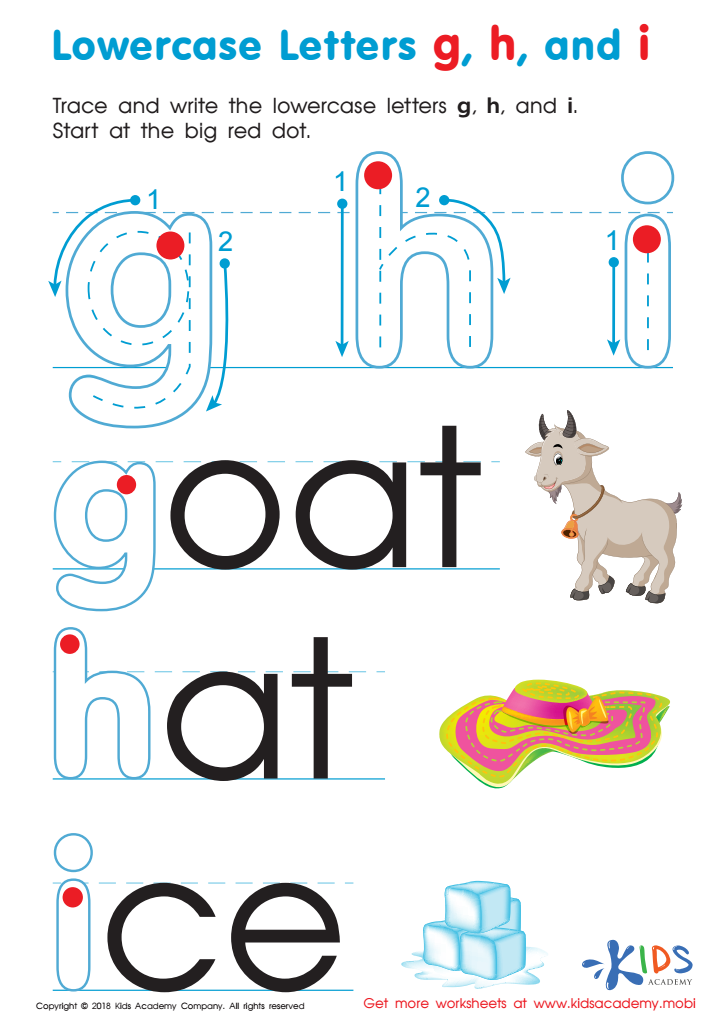
Lowercase Letters g h i Worksheet
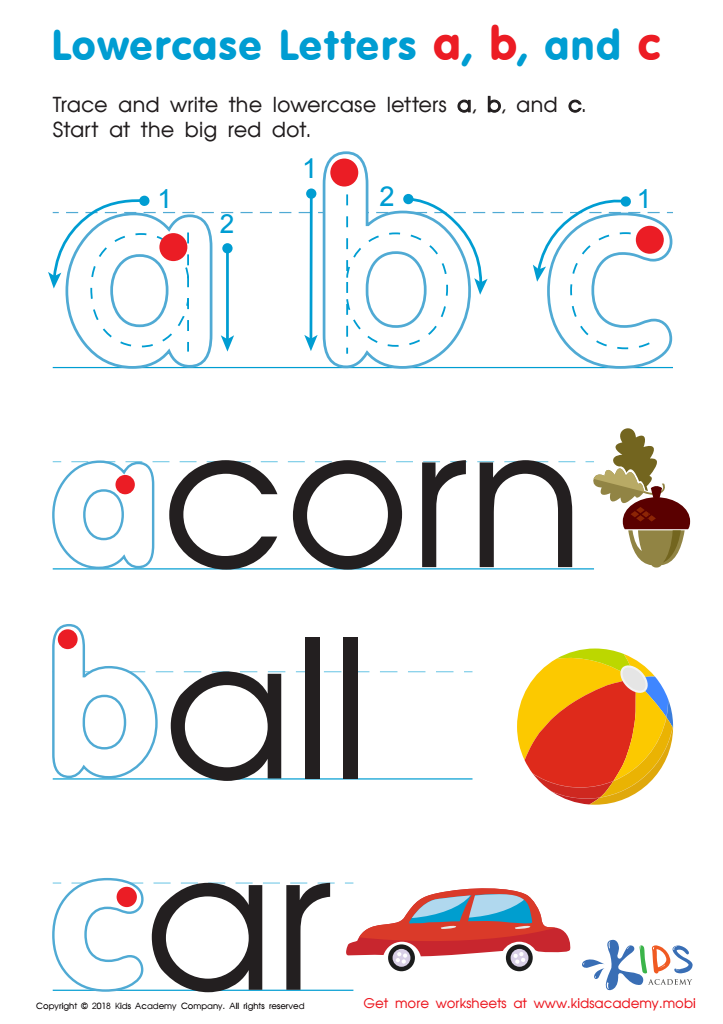
Lowercase Letters a b c Worksheet






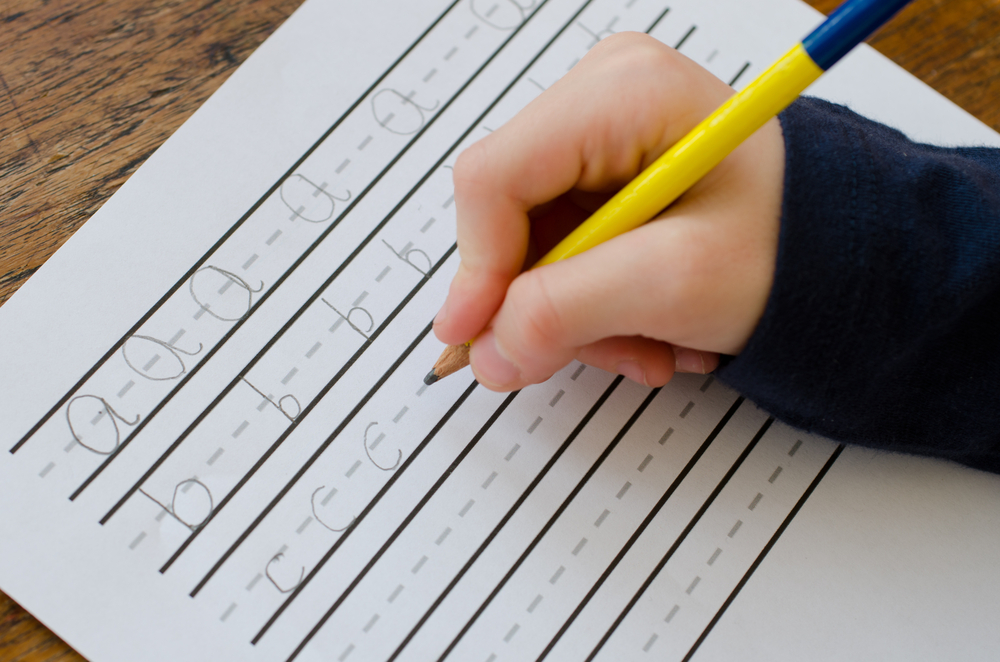
Handwriting practice, such as tracing letters, plays a crucial role in the developmental journey of 6-year-olds and should be a priority for both parents and teachers. At this tender age, children are honing their fine motor skills, which are essential for writing clearly and effectively. Tracing letters helps solidify their grip, control, and hand-eye coordination, paving the way for more advanced writing tasks.
Handwriting is more than just a mechanical skill; it's closely connected to brain development. When children trace and form letters, they activate areas of the brain responsible for memory, attention, and language processing. This is particularly important as they learn to read and write, forming a foundational aspect of their education. Tracing letters, therefore, simultaneously supports cognitive growth and literacy development.
Moreover, the act of tracing letters instills patience, focus, and a sense of accomplishment. Children experience tangible progress as they master each letter, boosting their confidence and enthusiasm for learning. This positive reinforcement can lead to a lifelong love of writing and reading, setting the stages for academic success.
In short, investing time in handwriting practice through tracing letters is beneficial for developing motor skills, cognitive abilities, and positive learning habits, making it indispensable for a 6-year-old’s educational journey.








