Alphabet Recognition Upper & Lowercase Letters Worksheets for 6-Year-Olds
19 filtered results
-
From - To
Enhance your child's literacy skills with our engaging Alphabet Recognition Worksheets designed specifically for 6-year-olds! These printable resources offer fun activities that focus on identifying and differentiating between uppercase and lowercase letters. Through a variety of exercises including tracing, matching, and coloring, children will build a solid foundation in letter recognition. Printable and user-friendly, our worksheets are perfect for home or classroom use, promoting both independent learning and collaborative play. Foster your child's love for reading and writing with these interactive tools that make learning enjoyable and effective! Explore our collection today and watch your child thrive in their literacy journey!
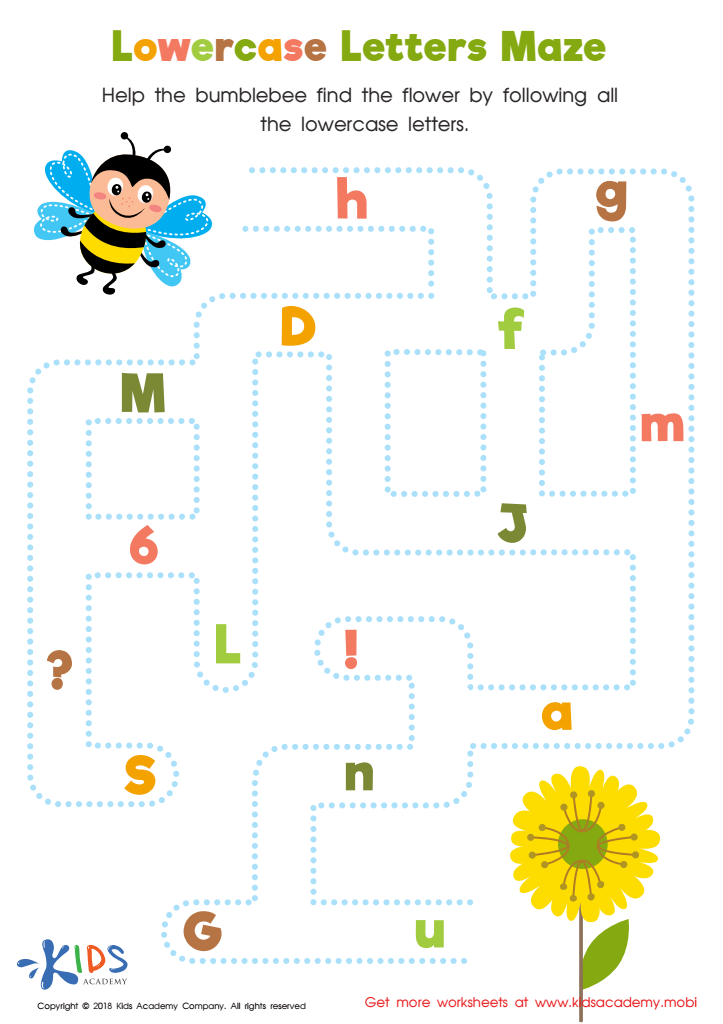
Lowercase Letters Maze Worksheet
 Assign to My Students

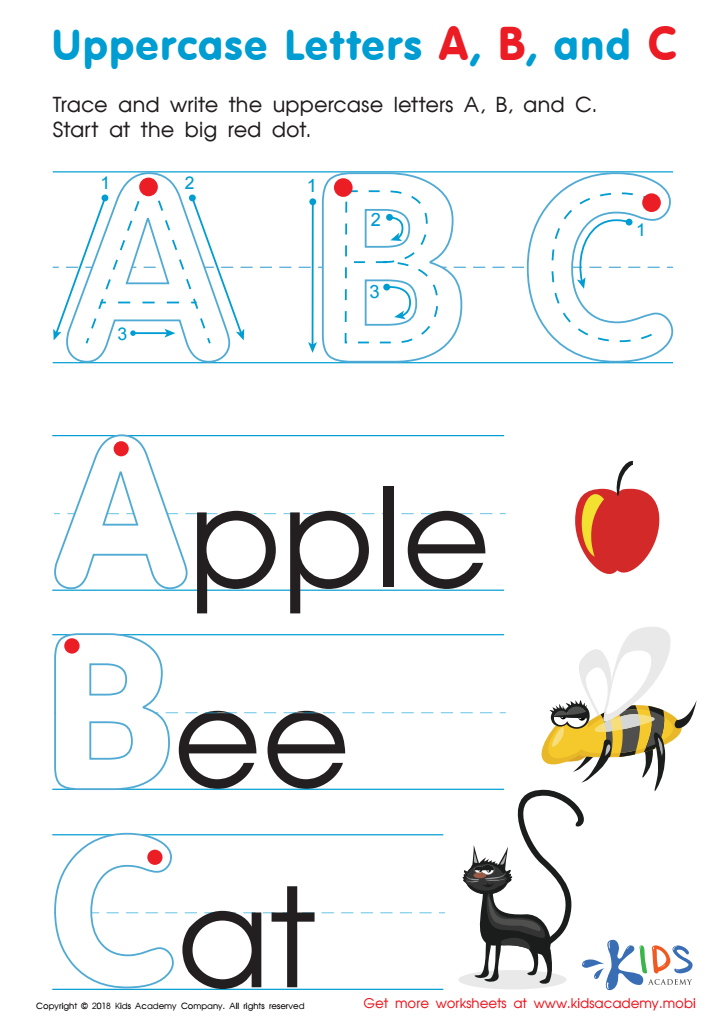
Uppercase Letters A, B, and C Worksheet
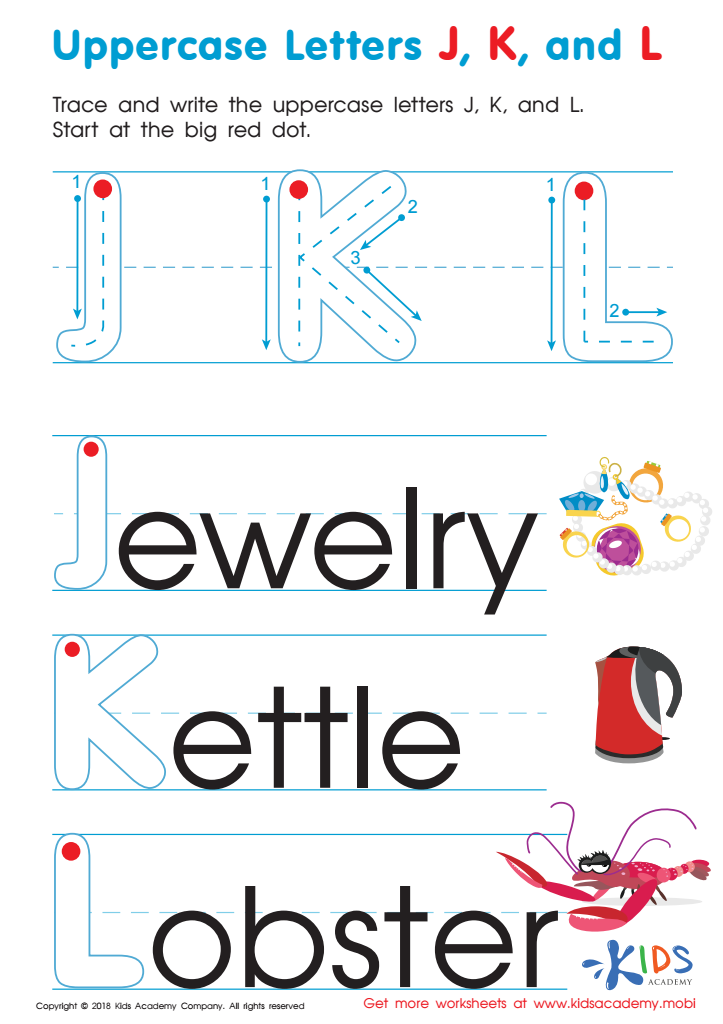
Uppercase Letters J, K, and L Worksheet
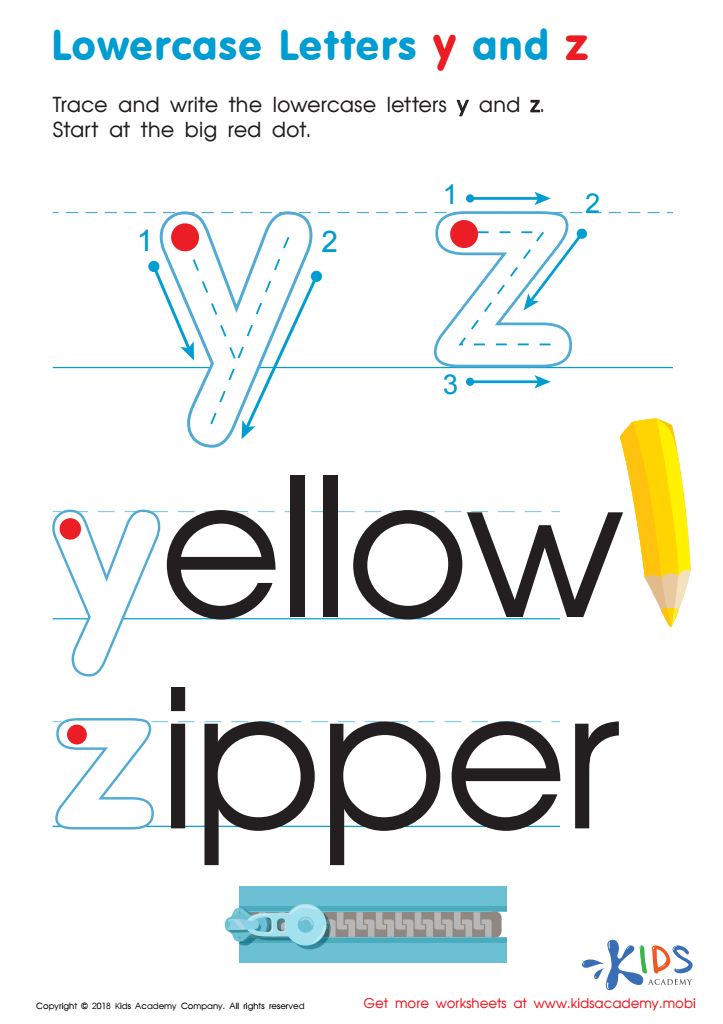
Lowercase Letters y z Worksheet
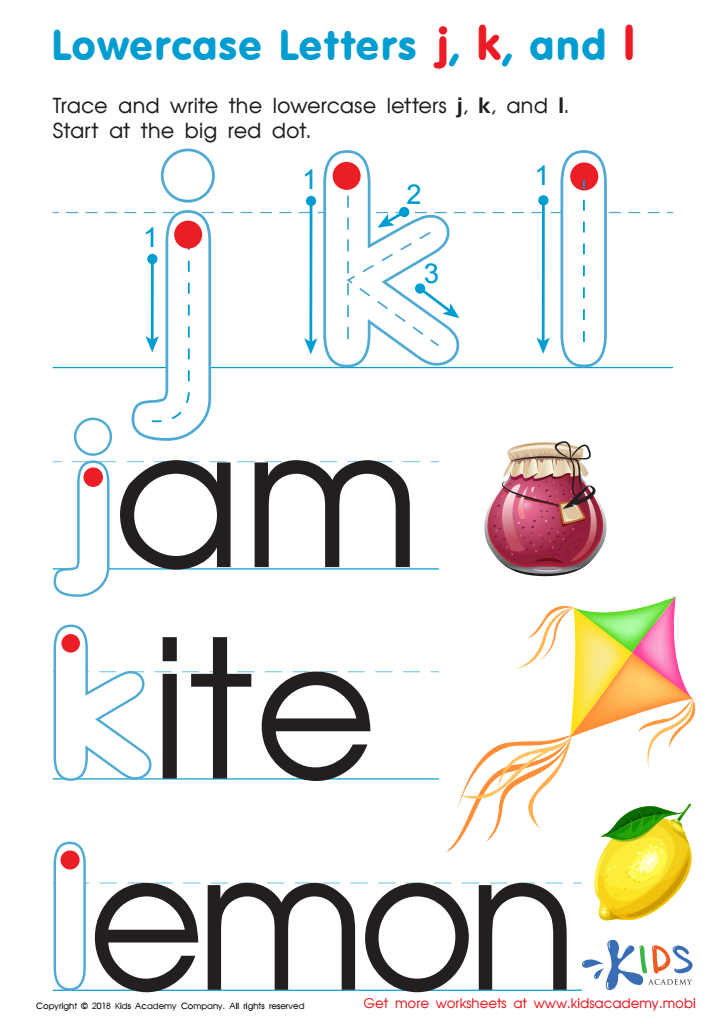
Lowercase Letters j k l Worksheet
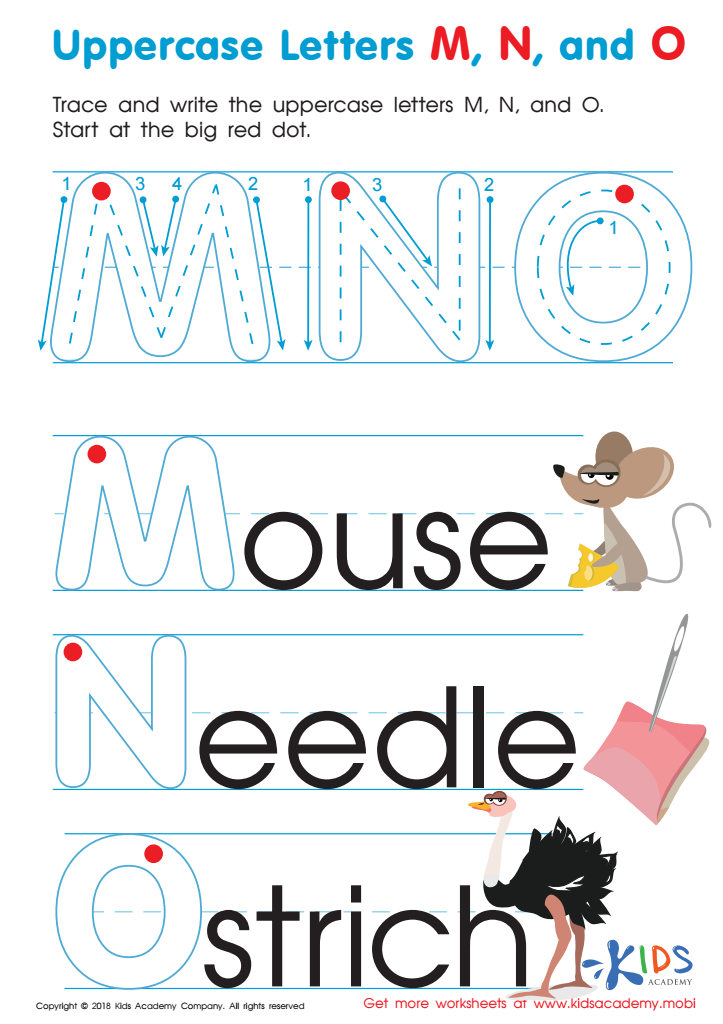
Uppercase Letters M, N, and O Worksheet
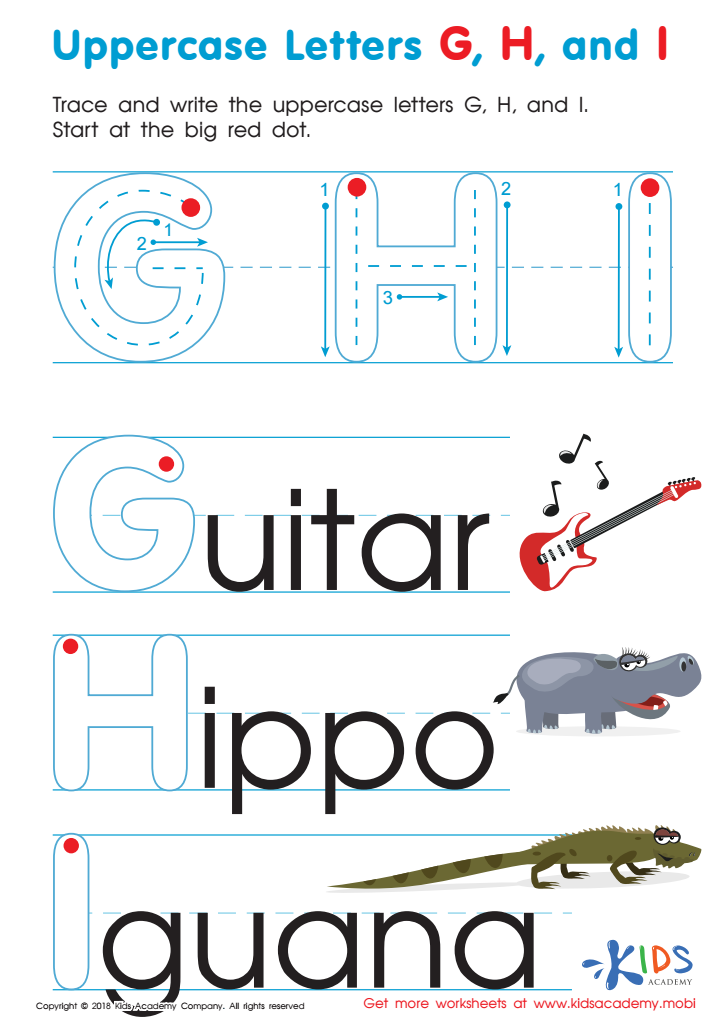
Uppercase Letters G, H, and I Worksheet
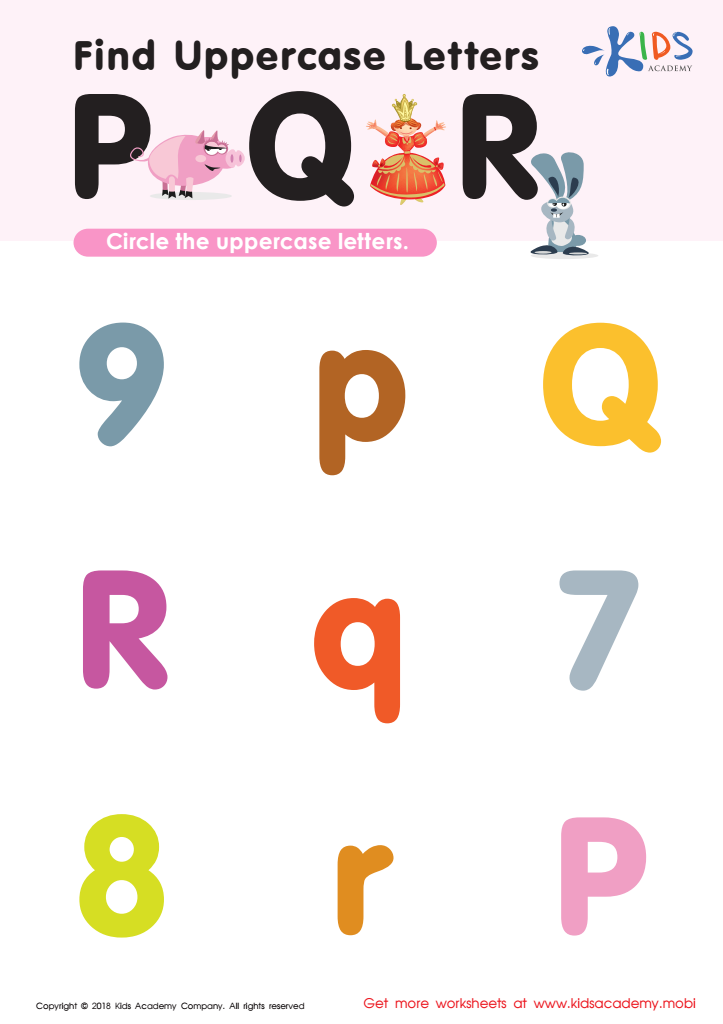
Find Uppercase Letters P, Q, and R Worksheet
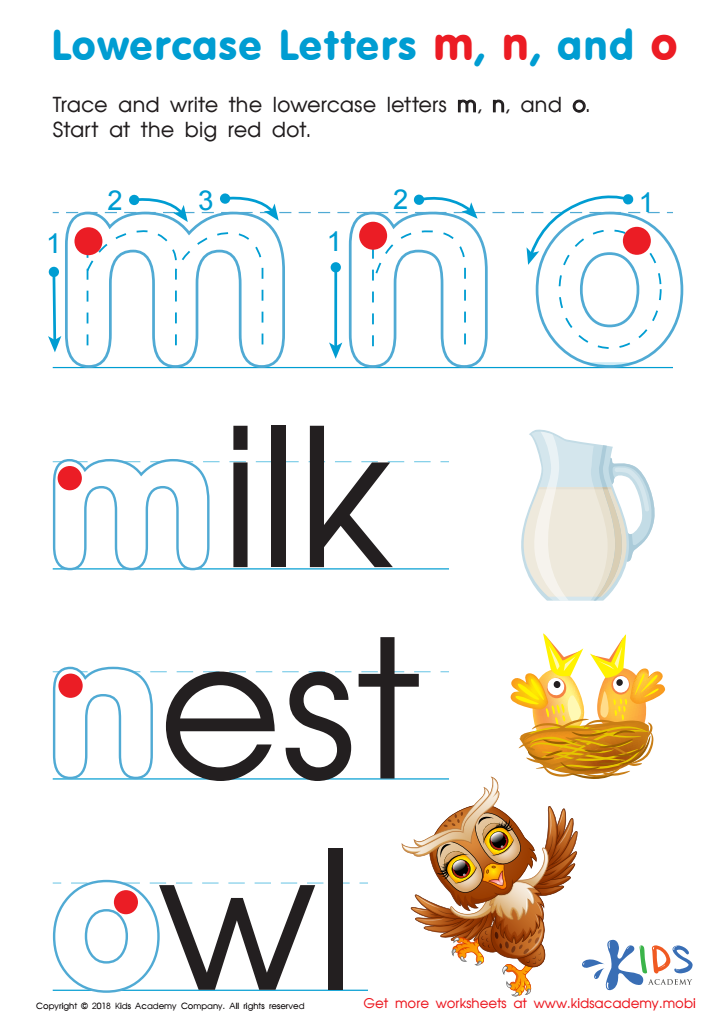
Lowercase Letters m n o Worksheet
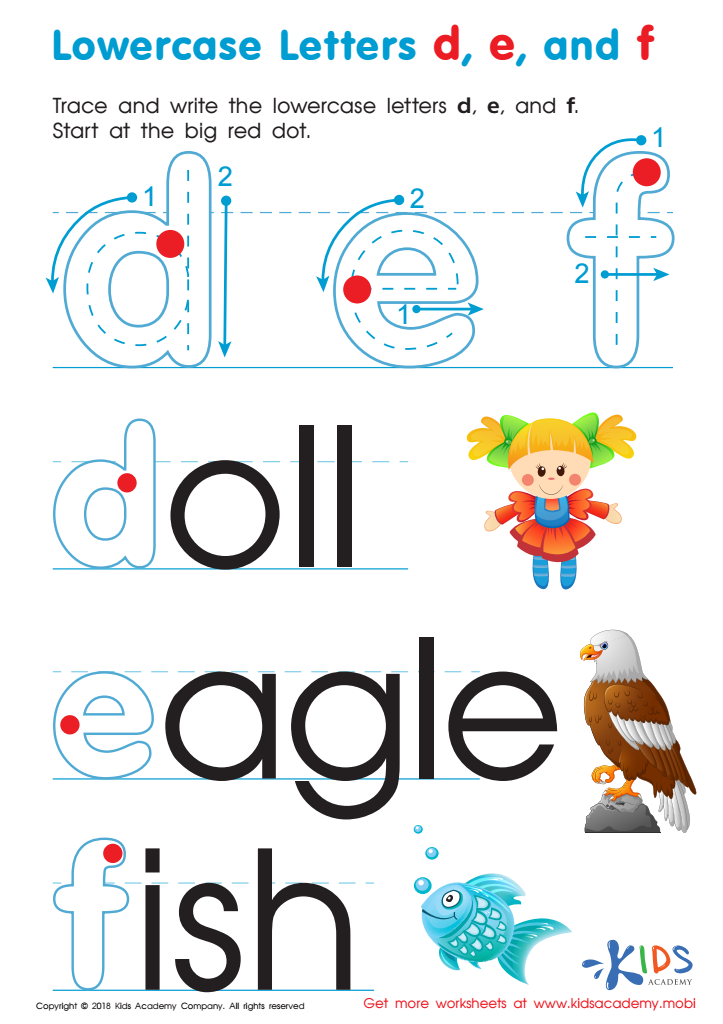
Lowercase Letters d e f Worksheet
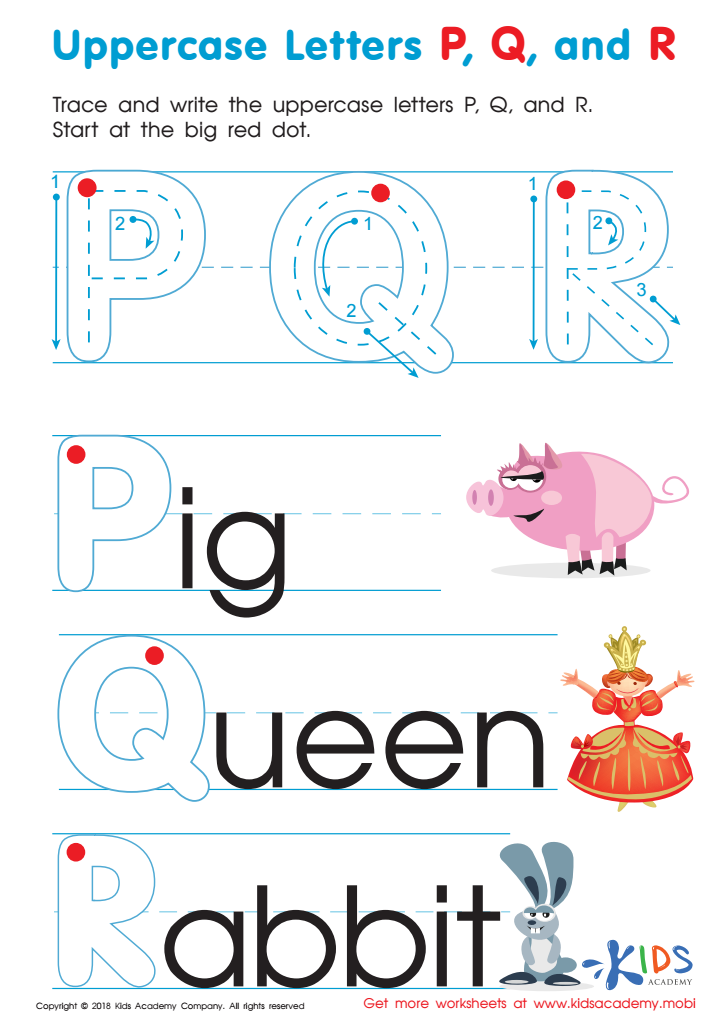
Uppercase Letters P, Q, and R Worksheet
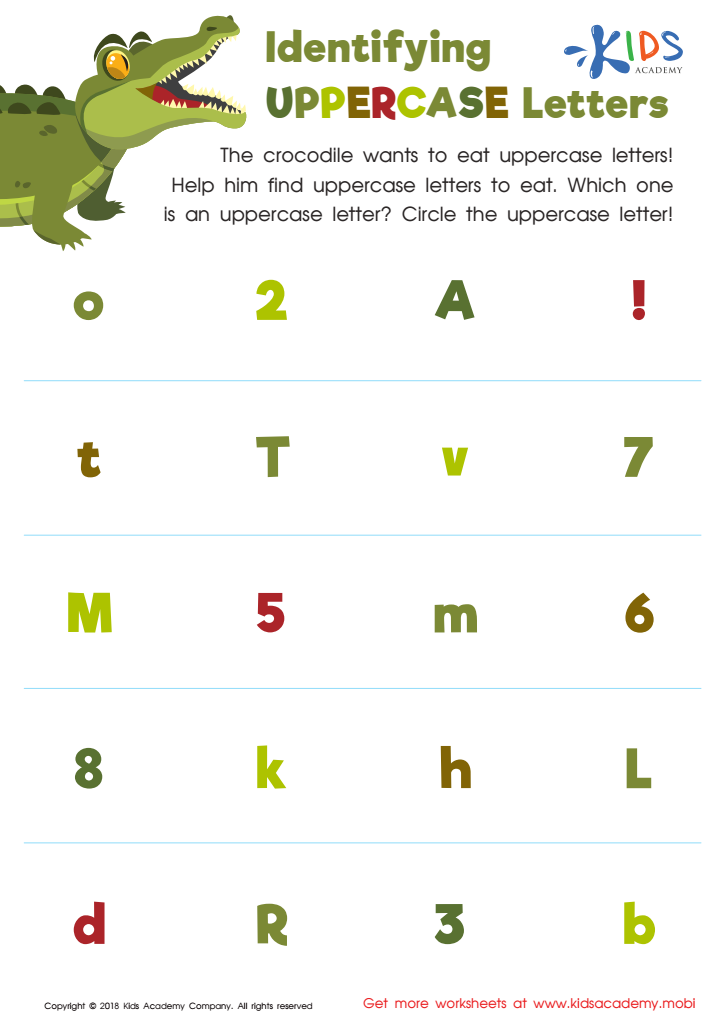
Identifying Uppercase Letters Worksheet
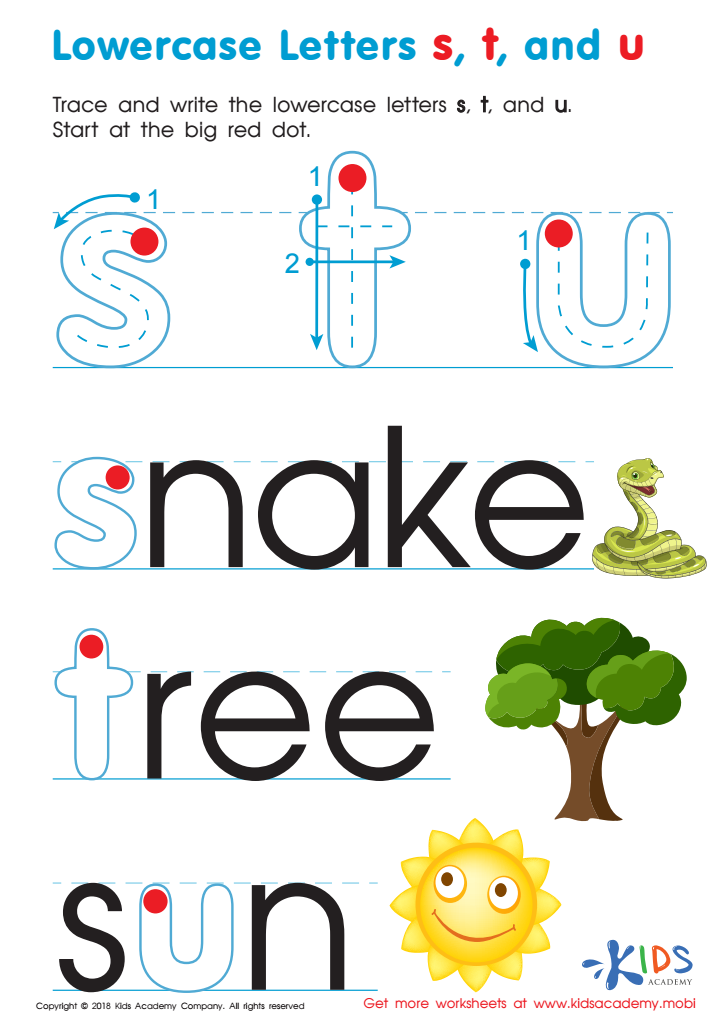
Lowercase Letters s t u Worksheet
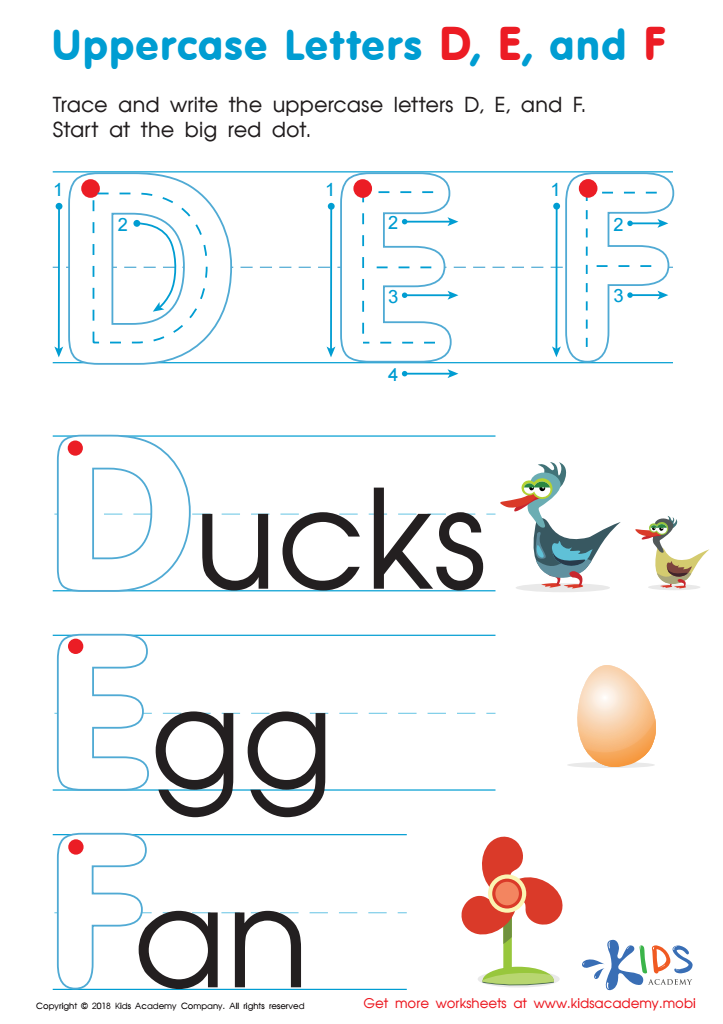
Uppercase Letters D, E, and F Worksheet
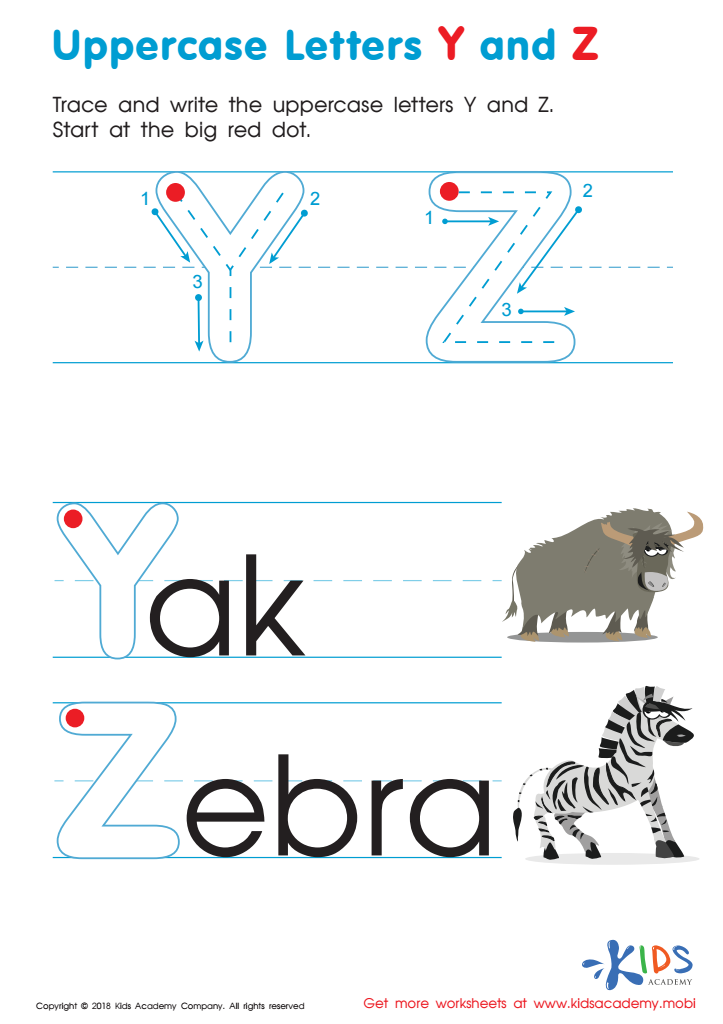
Uppercase Letters Y Z Worksheet
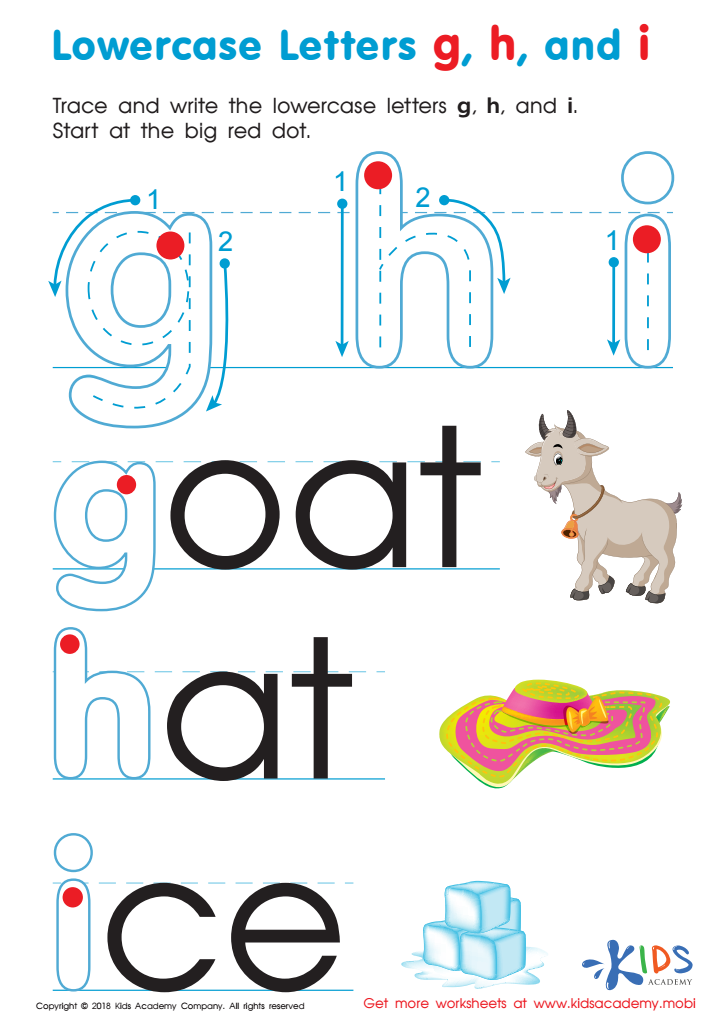
Lowercase Letters g h i Worksheet
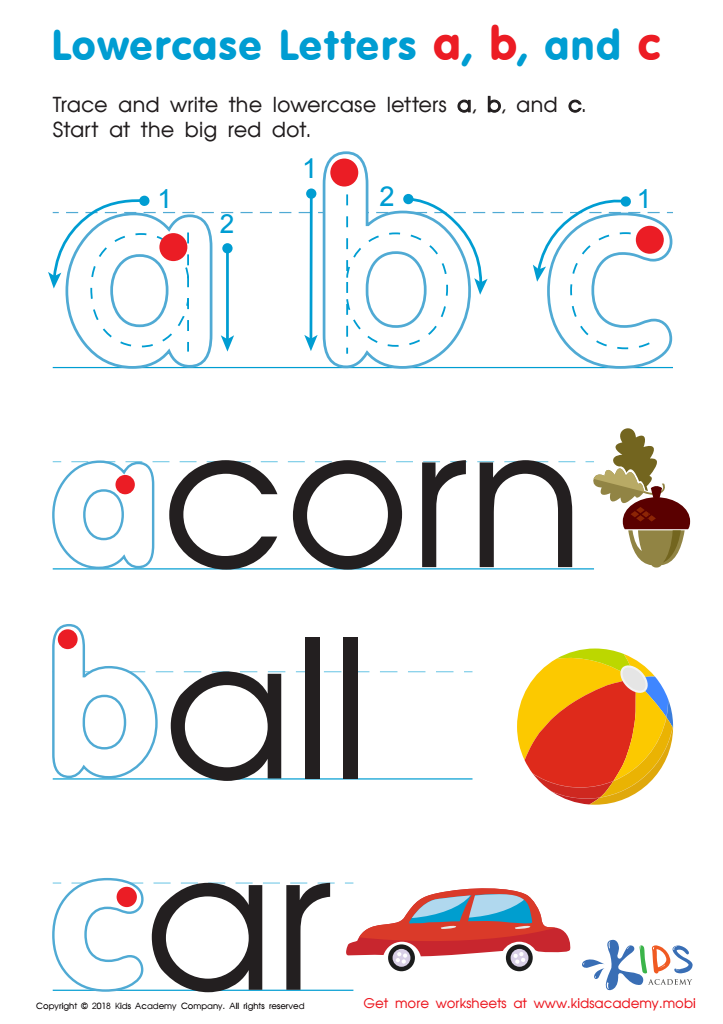
Lowercase Letters a b c Worksheet
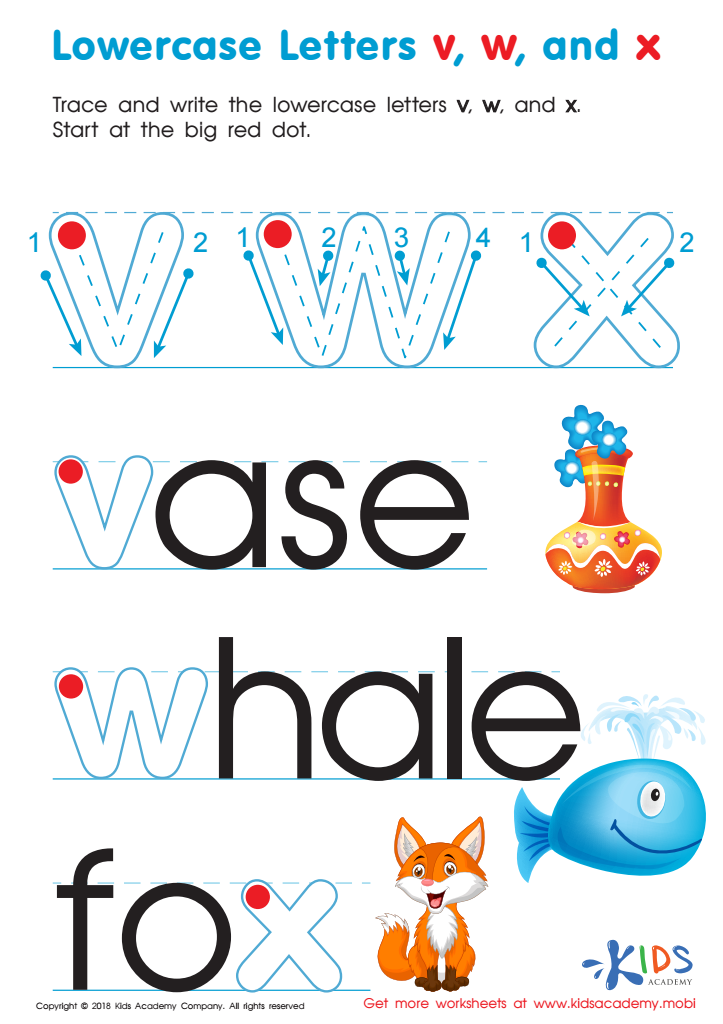
Lowercase Letters v w x Worksheet
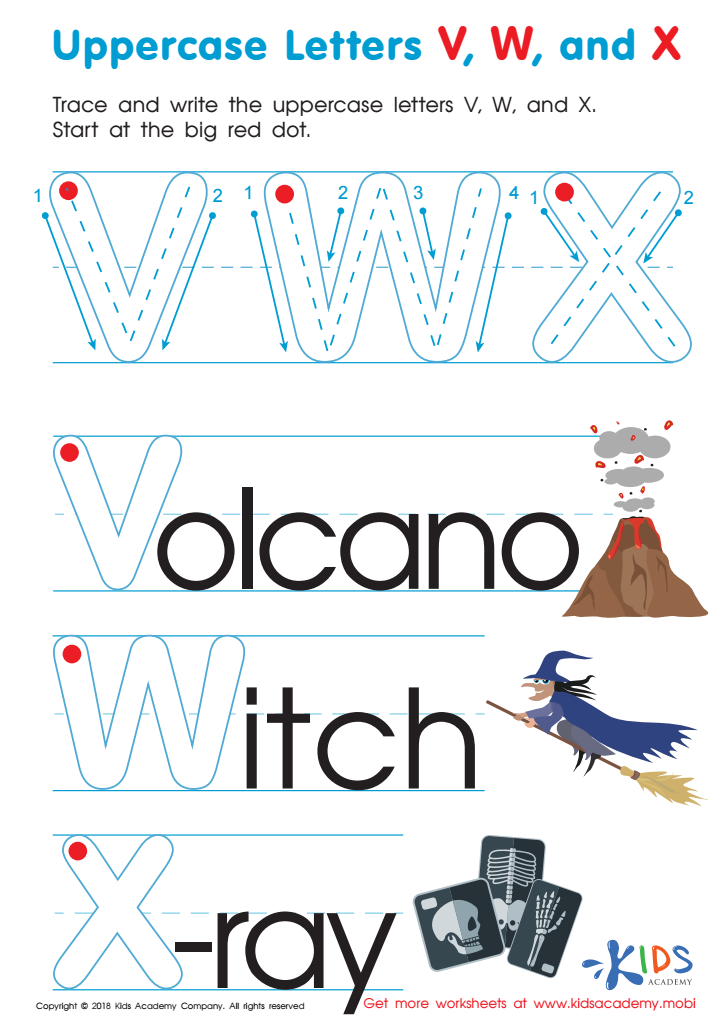
Uppercase Letters V, W, and X Worksheet






Alphabet recognition, encompassing both uppercase and lowercase letters, is a foundational skill crucial for 6-year-olds’ literacy development. At this age, children begin to transition from pre-reading to reading, making familiarity with letters essential. Recognizing letters not only aids in decoding words but also enhances vocabulary development as children encounter new texts.
Parents and teachers should prioritize letter recognition as it supports overall language skills. Mastery of the alphabet allows children to understand phonetics and improve their spelling. Additionally, it encourages engagement with written materials, fostering a love for reading from an early age. This excitement often translates to increased motivation to learn, explore, and communicate effectively.
Furthermore, proficiency in identifying both uppercase and lowercase letters is vital for understanding the differences in context. As children encounter various texts, they’ll need to recognize the appropriate use of each case, which significantly impacts their reading fluency and writing abilities.
By working together to reinforce alphabet recognition through games, storytelling, and interactive activities, parents and teachers can create a solid literacy foundation. This collaboration fosters lifelong learning skills, critical for academic success and personal growth. Making letter recognition a priority gives children the tools to succeed as confident readers and communicators.







