Critical Thinking Coloring Pages Worksheets for 6-Year-Olds
4 filtered results
-
From - To
Enhance your 6-year-old's intellectual growth with our Critical Thinking Coloring Pages Worksheets! These innovative printables seamlessly blend creativity with cognitive skills development, designed especially for young minds. With each coloring adventure, children are encouraged to observe patterns, solve puzzles, and engage in strategic thinking while having fun. Perfectly crafted to nurture problem-solving abilities and logical reasoning, our worksheets offer a vibrant and educational journey tailored for early learners. Kids will love the beautifully designed pages that invite them to think outside the box. Start inspiring young thinkers today with our captivating and educational worksheets!
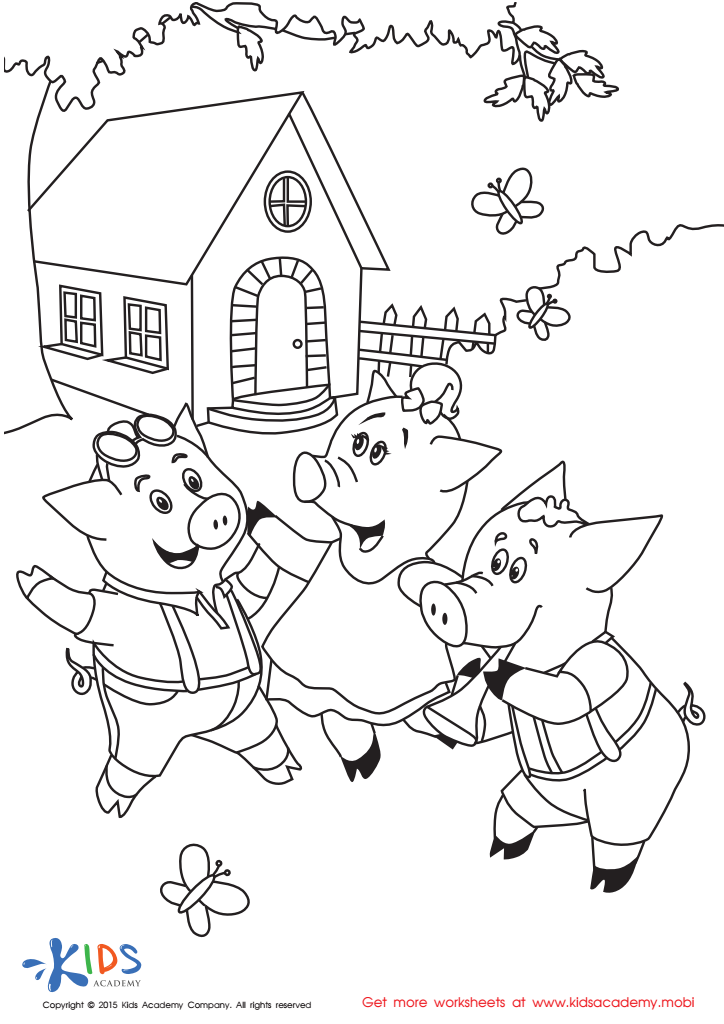
Folktales Printable PDF Worksheet: The 3 Little Pigs
 Assign to My Students
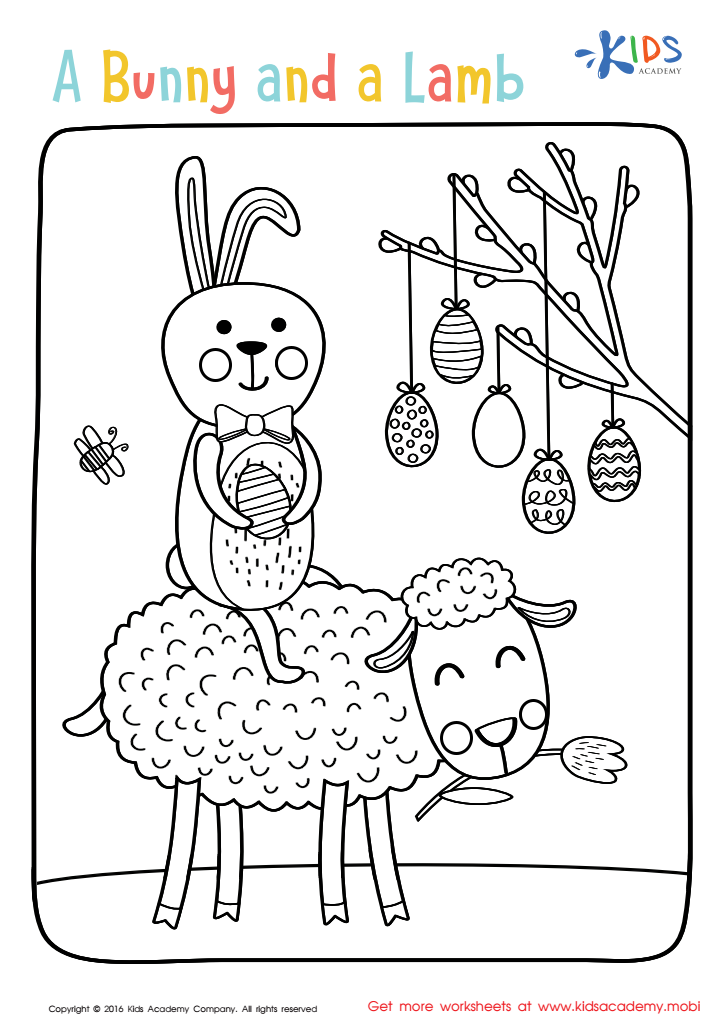
Easter: a Bunny and a Lamb Worksheet
Assign to My Students









Critical Thinking Coloring Pages are important for 6-year-olds because they promote essential cognitive and developmental skills in a fun and engaging way. For parents and teachers, fostering critical thinking at an early age sets the foundation for a child's future problem-solving abilities and decision-making skills. These specialized coloring activities go beyond simple coloring; they often include puzzles, patterns, and prompts that make children pause and think, enhancing their observational skills and attention to detail.
When children engage with these pages, they learn to recognize and understand patterns, differentiate between shapes and colors, and develop the ability to follow complex instructions. These activities encourage kids to ask questions, make predictions, and use logic, which are essential components of critical thinking. At the same time, the creative aspect of coloring nurtures artistic expression and fine motor skills, striking a balance between intellectual stimulation and creative freedom.
Moreover, Critical Thinking Coloring Pages serve as a tool for parental or teacher involvement. Adults can participate by asking questions, providing guidance, and encouraging discussions about the choices children make while coloring. This interaction not only reinforces learning but also strengthens the child-adult relationship, creating a supportive environment for both learning and emotional development.