Categorization skills Worksheets for 6-Year-Olds
20 filtered results
-
From - To
Enhance your 6-year-old’s critical thinking with our engaging Categorization Skills Worksheets! Designed specifically for young learners, these worksheets help children explore and organize information by grouping similar items, fostering their ability to classify objects based on characteristics. From sorting animals to categorizing shapes and colors, each activity supports developmental milestones while making learning fun. Our resources are perfect for both home and classroom settings, enabling parents and teachers to encourage essential skills in their students. Books, card games, and our printable worksheets provide interactive opportunities for children to practice, reinforcing their understanding through visual and hands-on experiences. Start nurturing their categorization skills today!
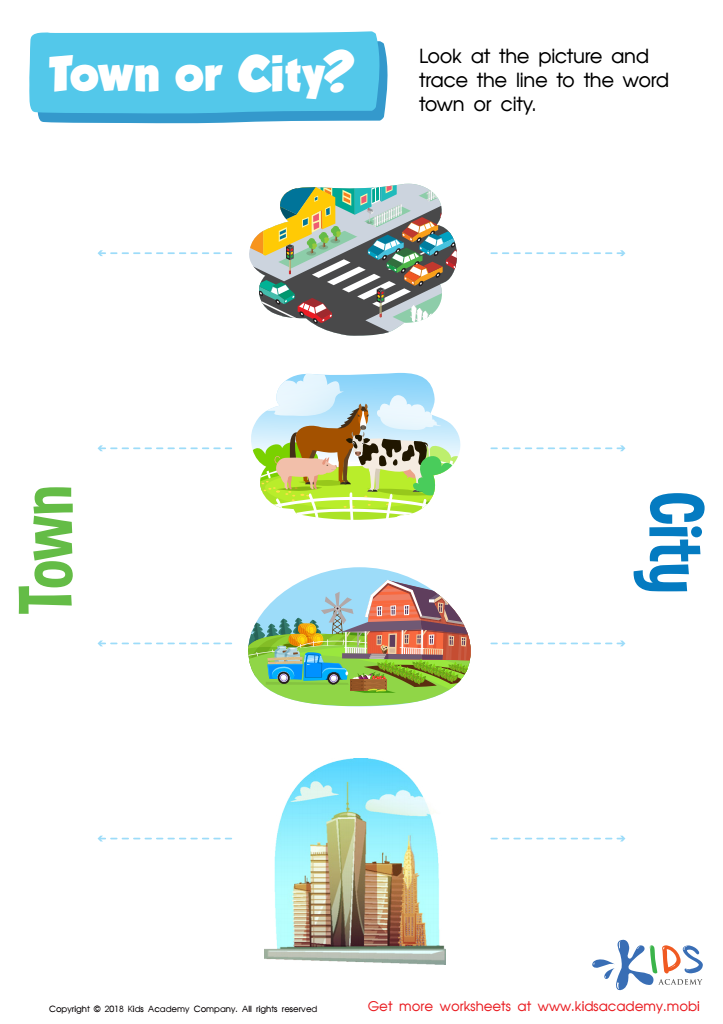
Town or City? Worksheet
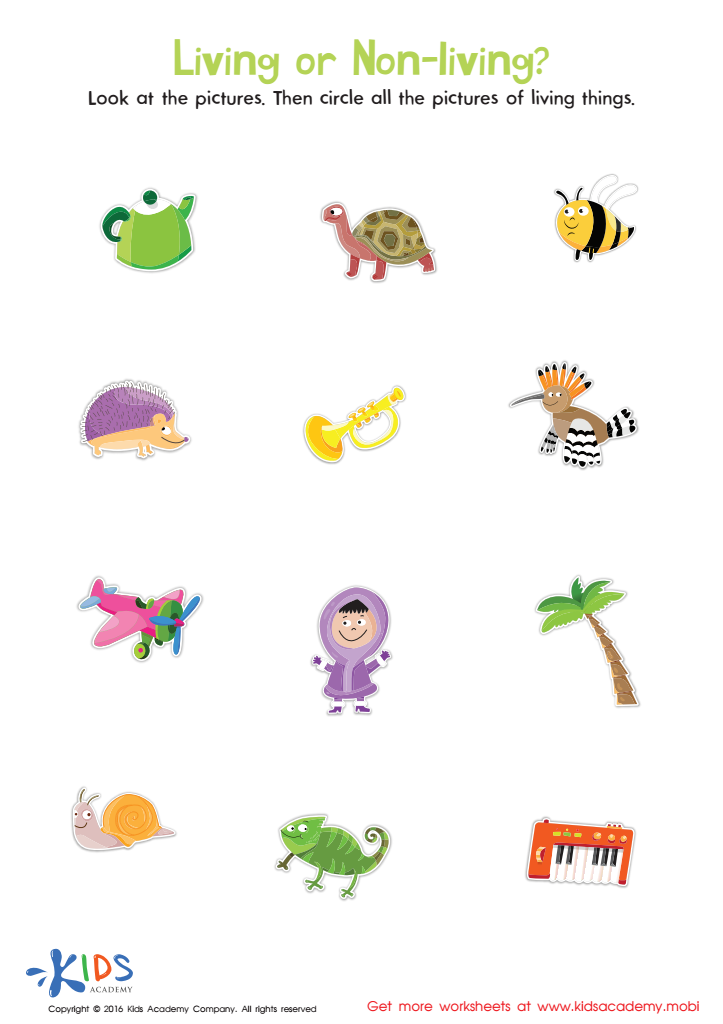
Identifying Living and Non–living Things Sorting Worksheet
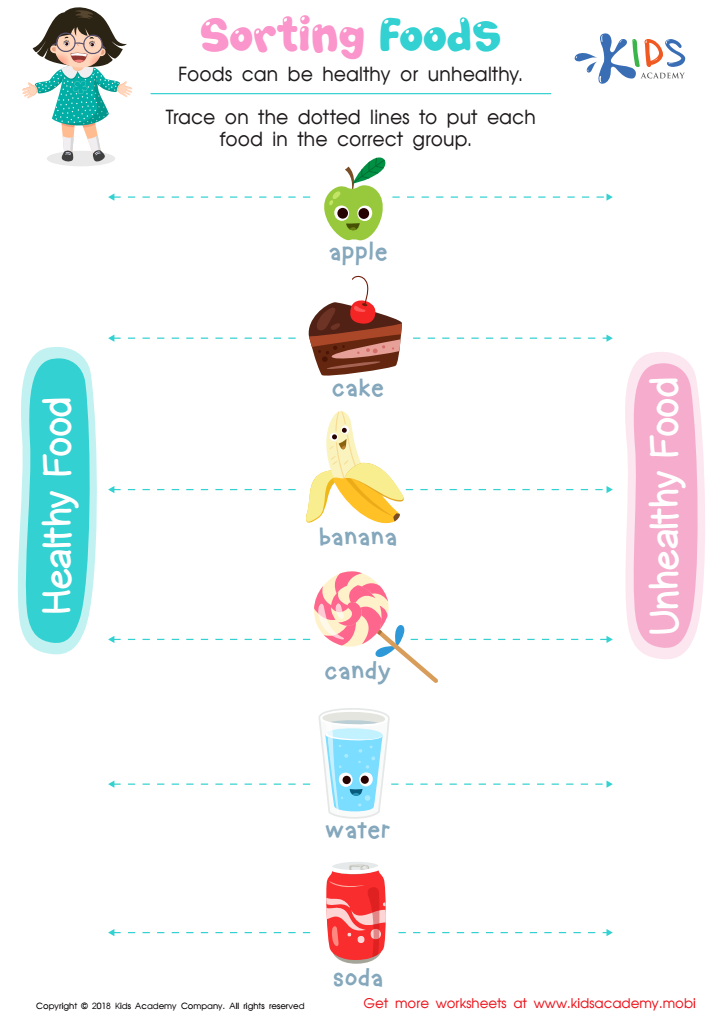
Sorting Food Worksheet
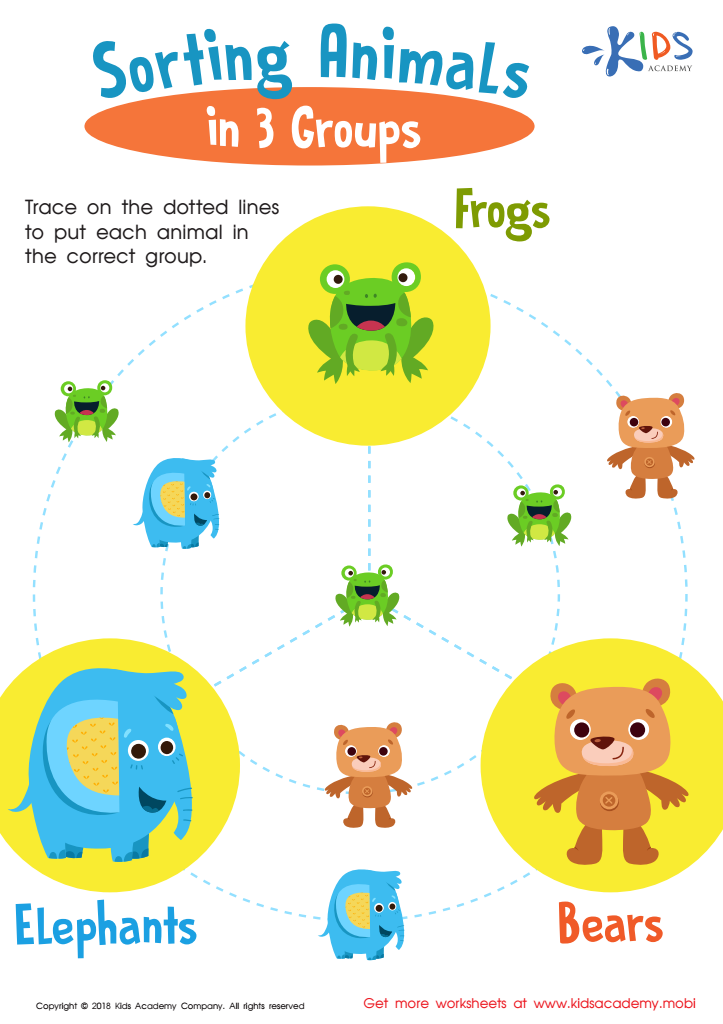
Sorting Animals in 3 Groups Worksheet
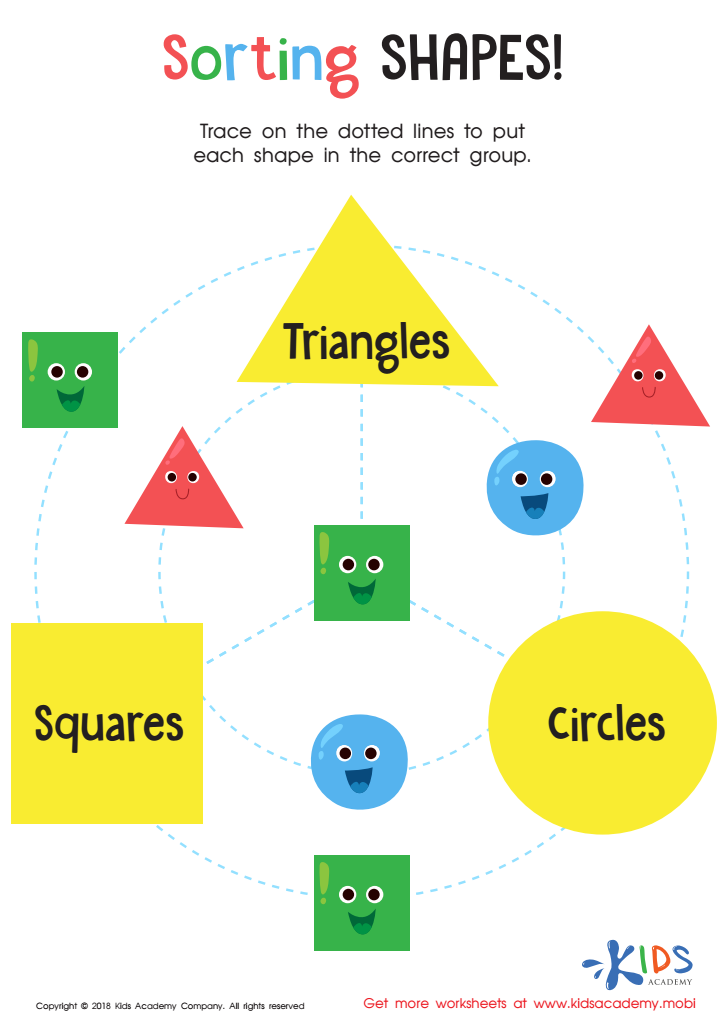
Sorting Shapes - Part 3 Worksheet
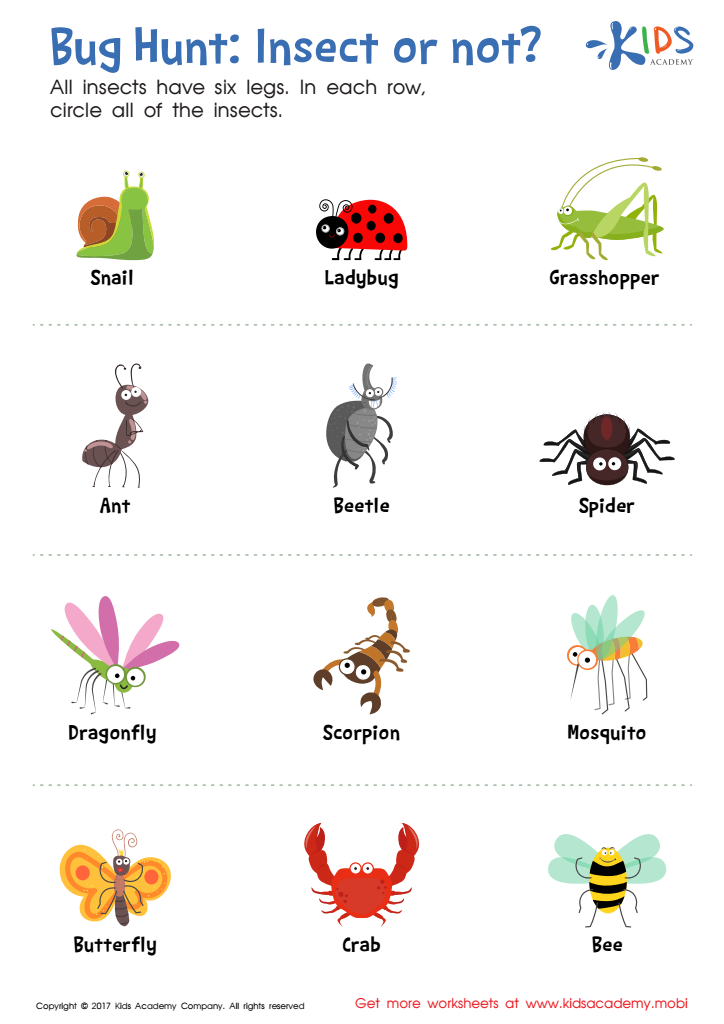
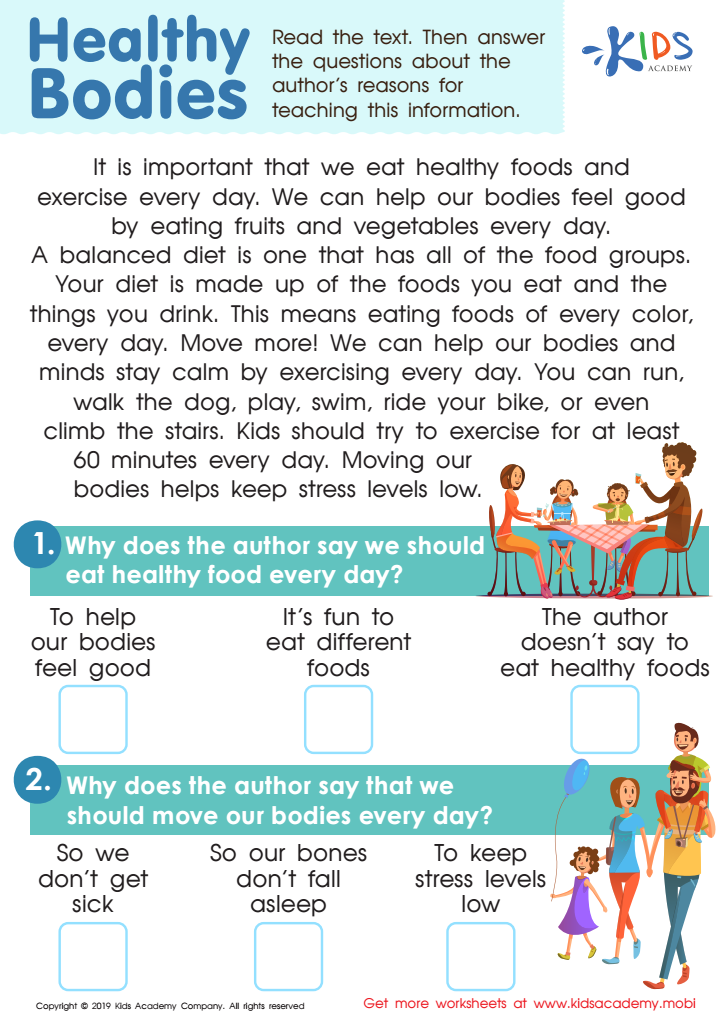
Healthy Bodies Worksheet
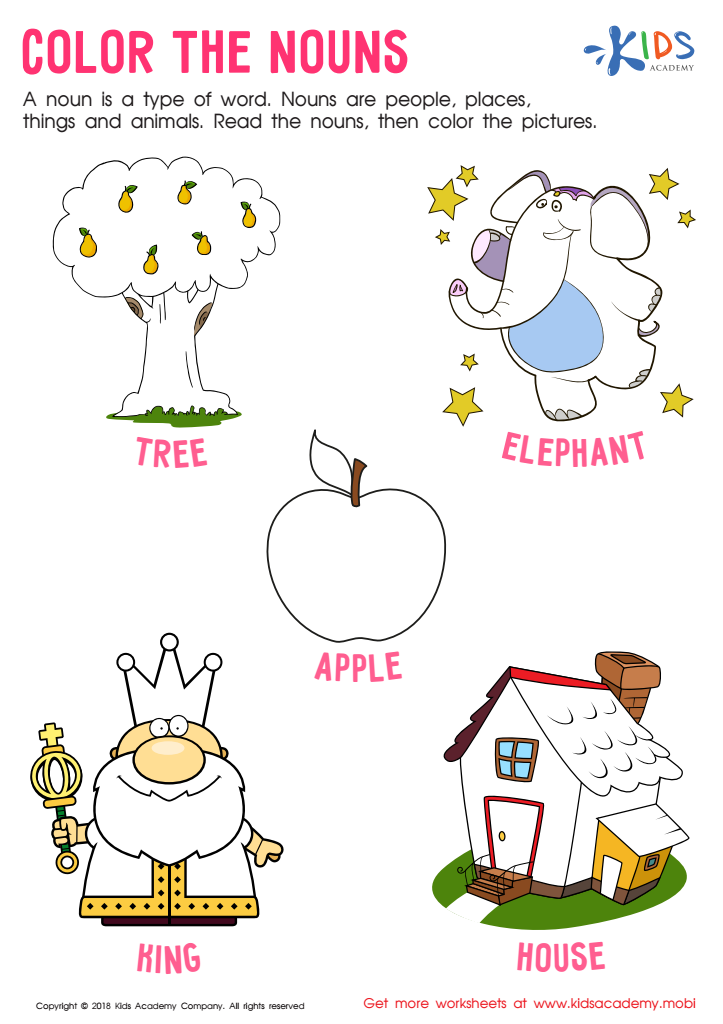
Color the Nouns Worksheet
 Assign to My Students
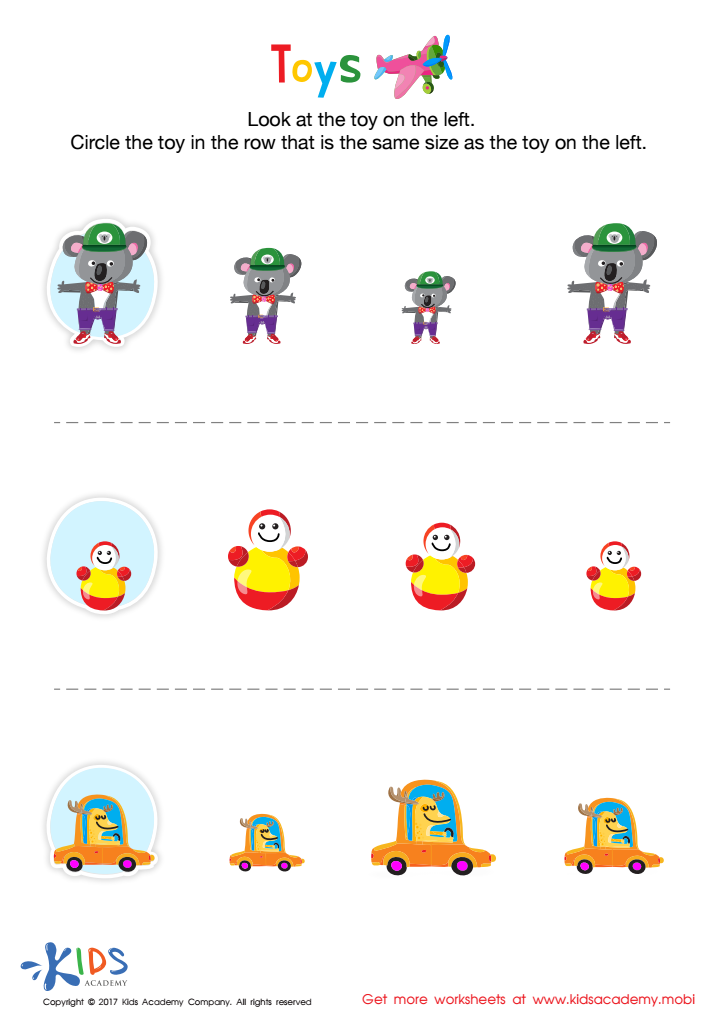
Matching: Classifying Toys by Size Worksheet
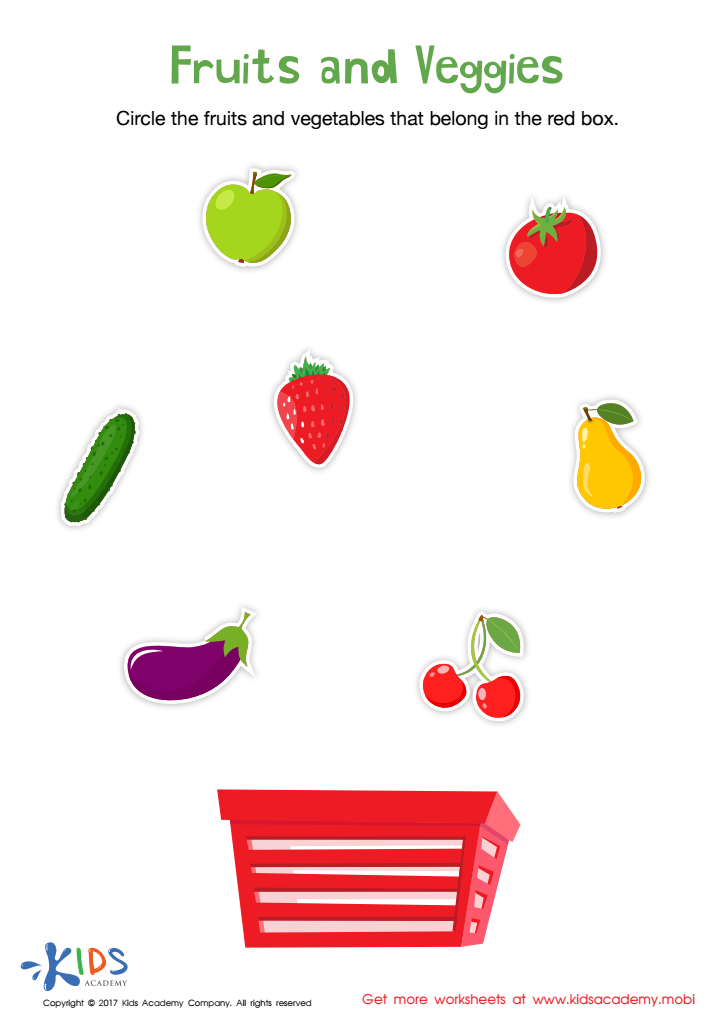
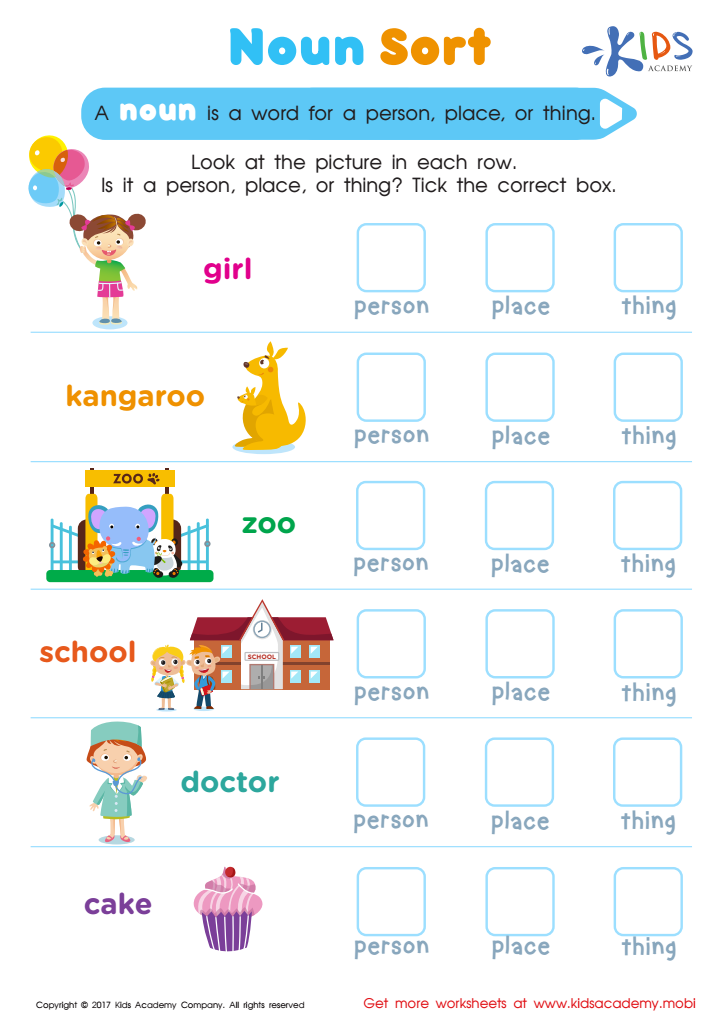
Noun Sort Printable
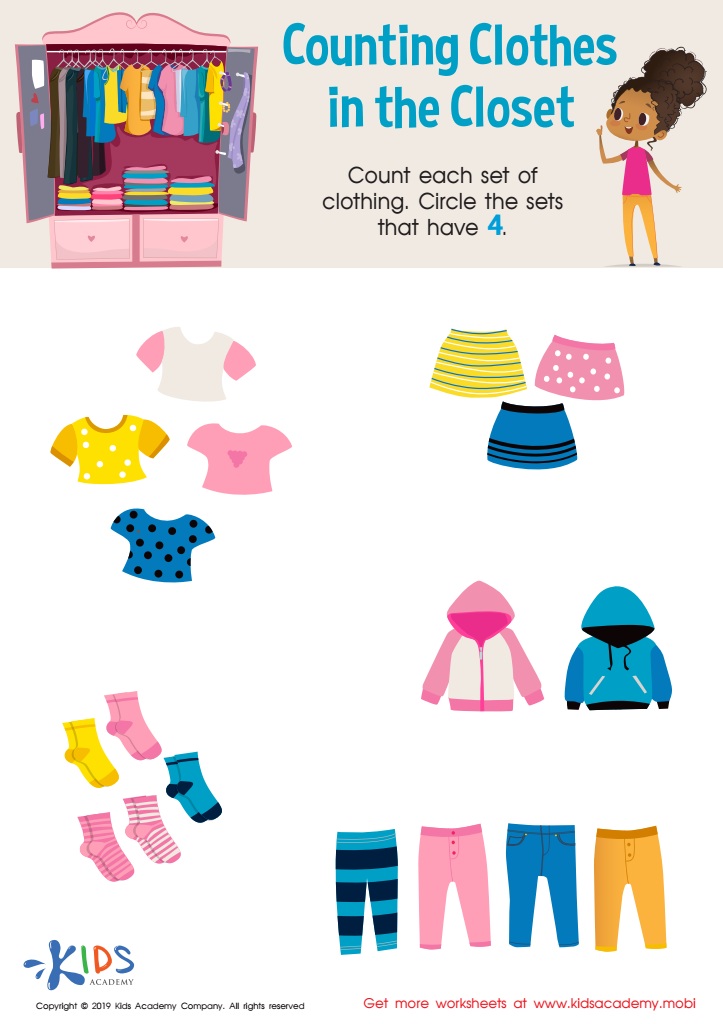
Counting Clothes Worksheet
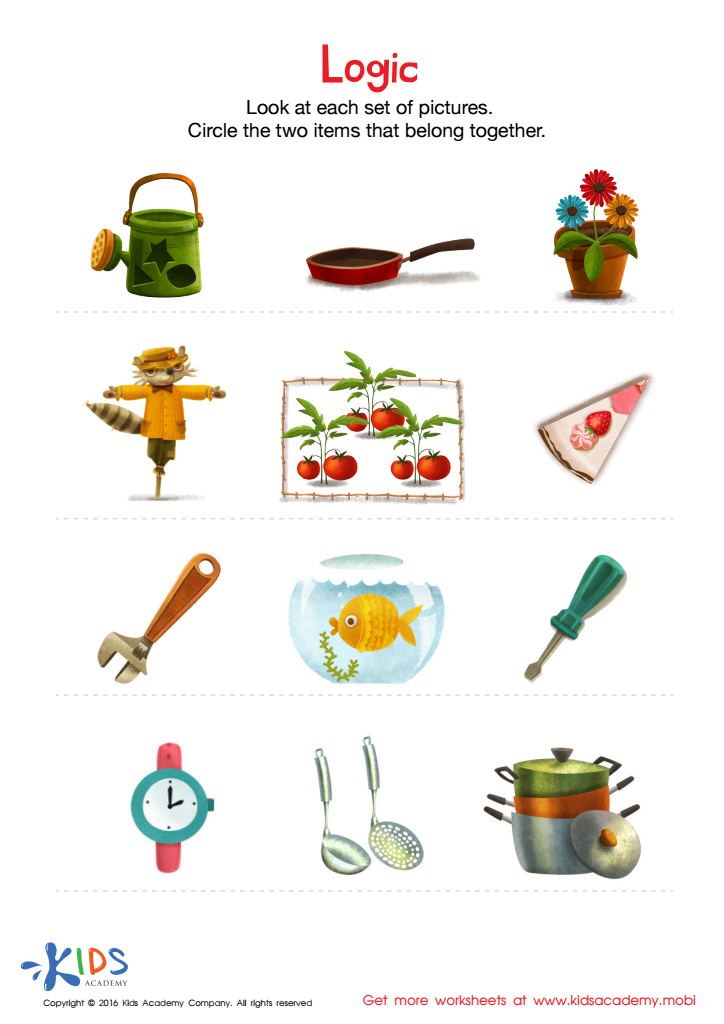
Logic Game Sorting Worksheet
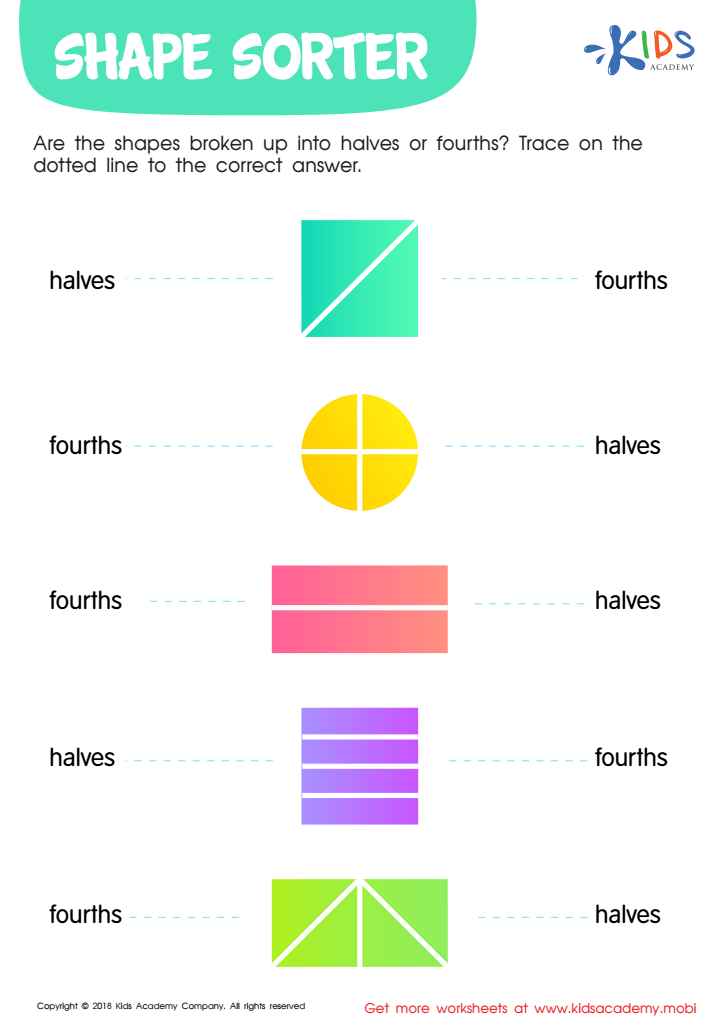
Shape Sorter Worksheet
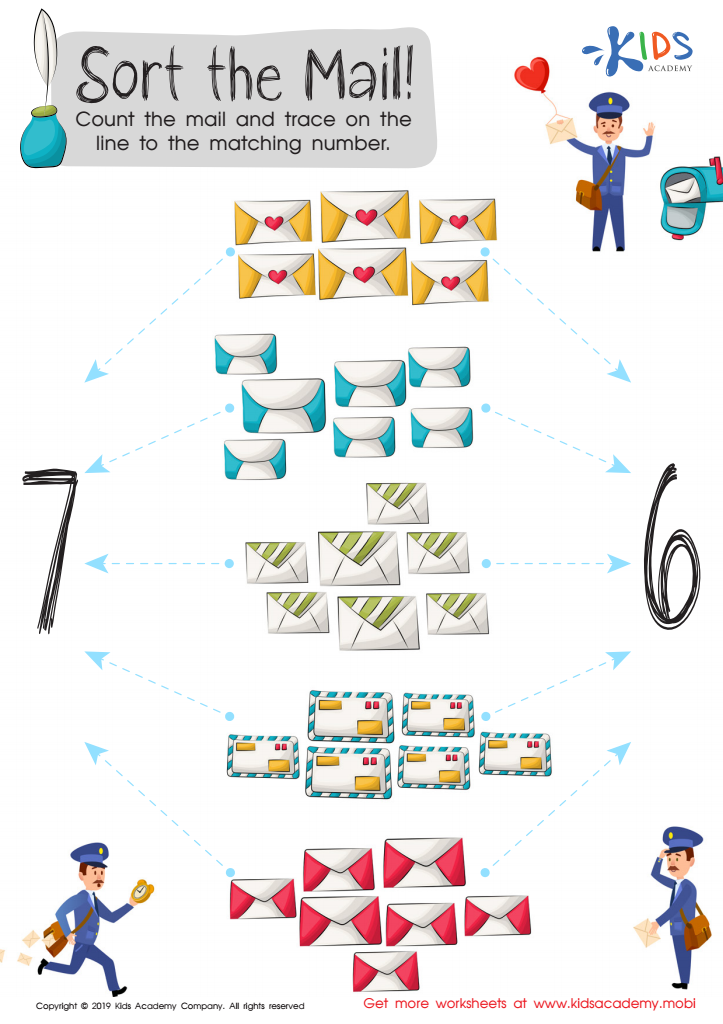
Sort the Mail Worksheet
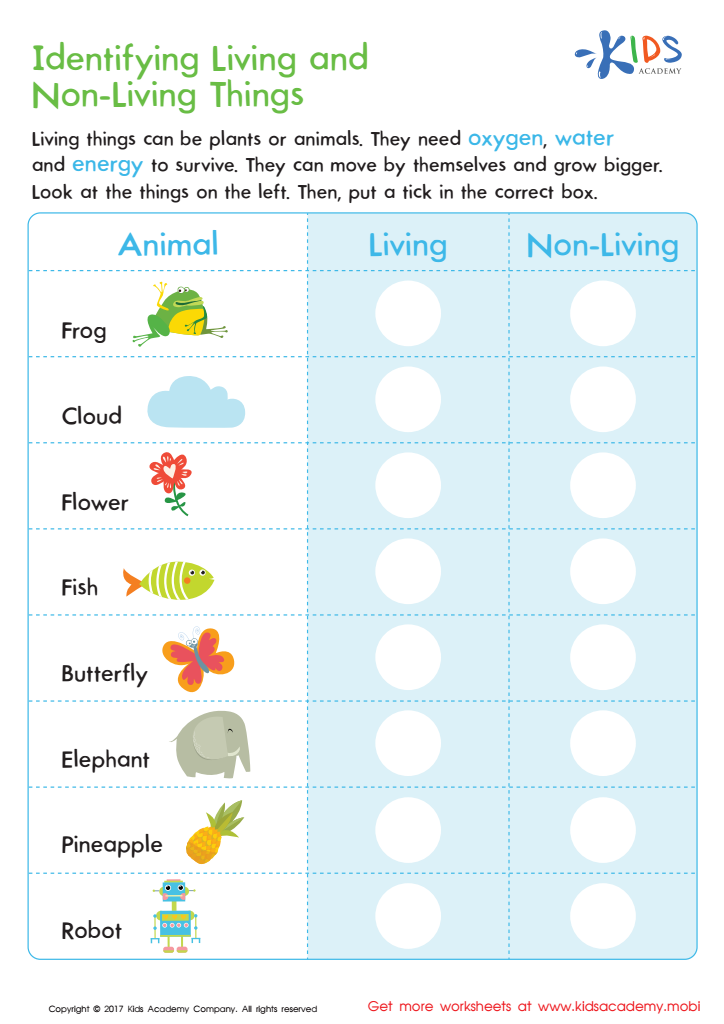
Identifying Living or Non–living Worksheet
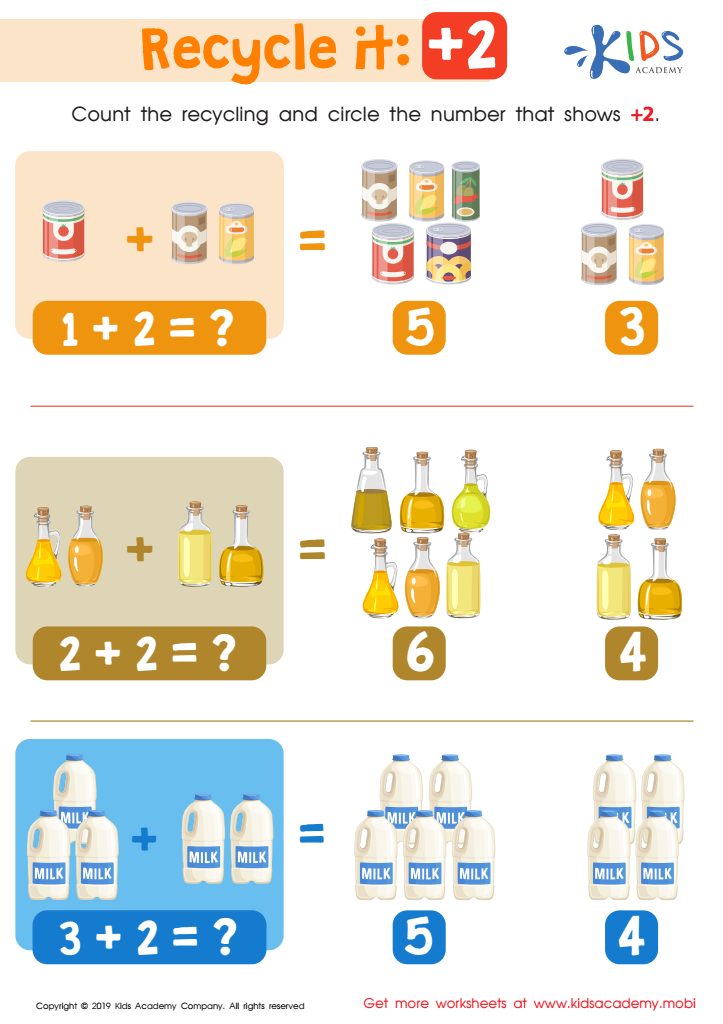
Recycle It: +2 Worksheet
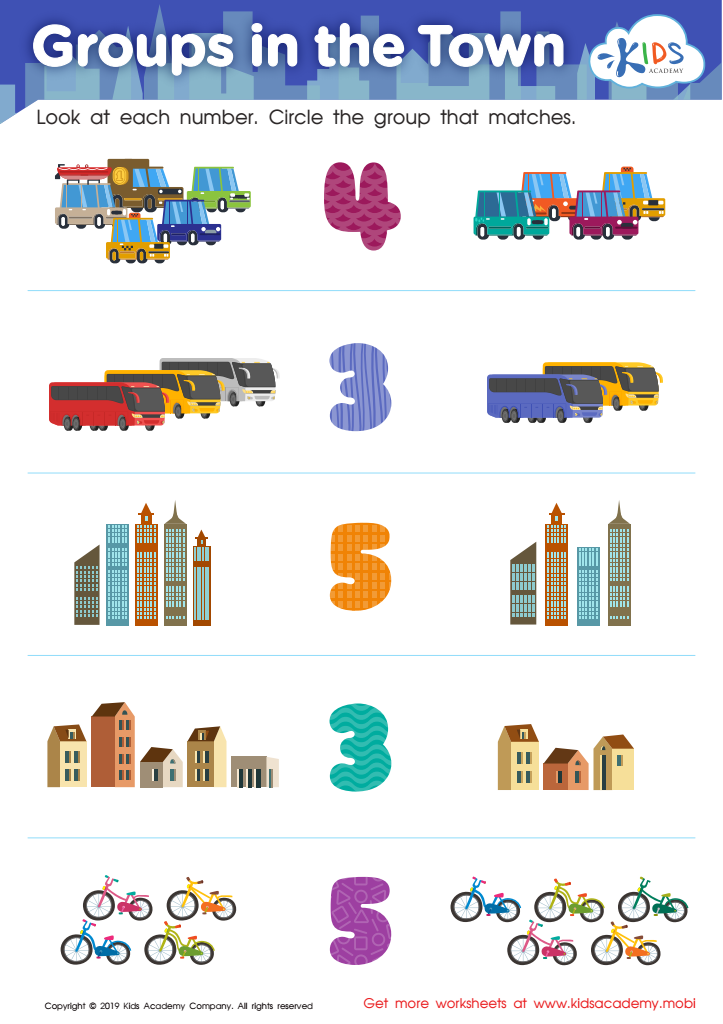
Groups in the Town Worksheet
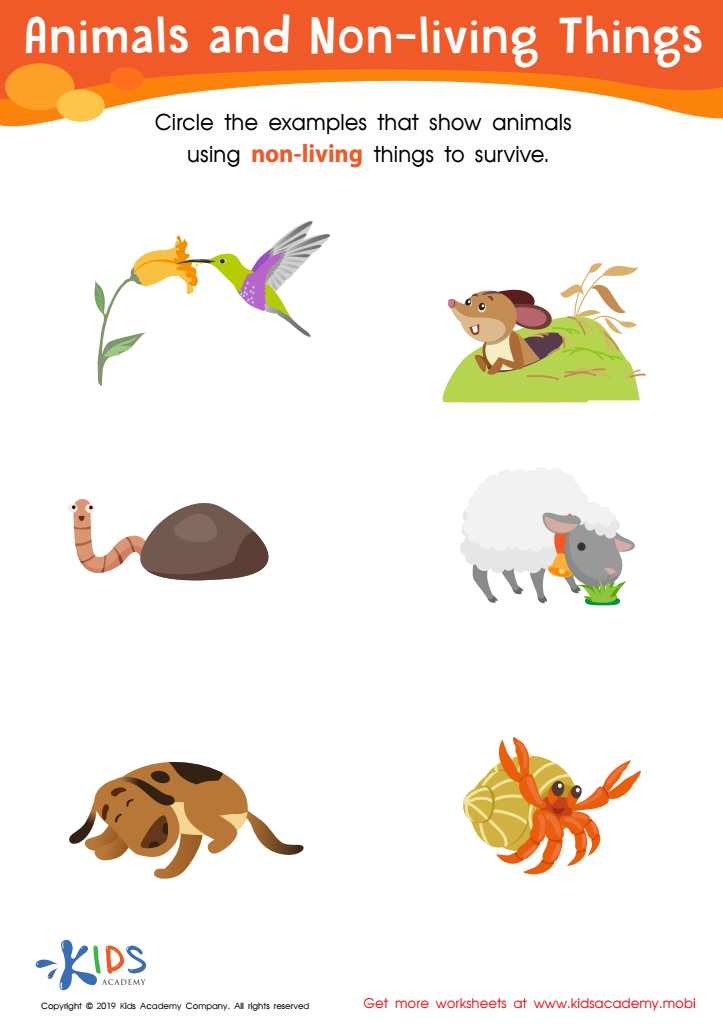
Animals and Non-Living Things Worksheet





Categorization skills are crucial for 6-year-olds as they serve as the foundation for cognitive development, critical thinking, and problem-solving. At this age, children are naturally curious and eager to make sense of the world around them, and categorization allows them to organize their experiences and information systematically. By grouping objects, animals, or ideas based on shared characteristics, children develop analytical skills that help them understand relationships and patterns.
Moreover, these skills are essential for effective learning. In subjects like math and reading, categorizing helps children tackle complex problems by breaking them down into manageable parts. For example, recognizing the differences between shapes or categorizing words by their sounds contributes to foundational literacy and numeracy skills.
Additionally, strong categorization abilities enhance social skills. When children learn to categorize their peers or understand social roles, they can navigate friendships and group dynamics more effectively.
Therefore, parents and teachers should prioritize activities that foster categorization skills, such as games, sorting exercises, and classification tasks. By nurturing these skills, adults can support children's cognitive growth, boost their confidence, and help them thrive academically and socially as they continue their journey through early childhood education.








