Color Identification Worksheets for 6-Year-Olds - Page 2
43 filtered results
-
From - To
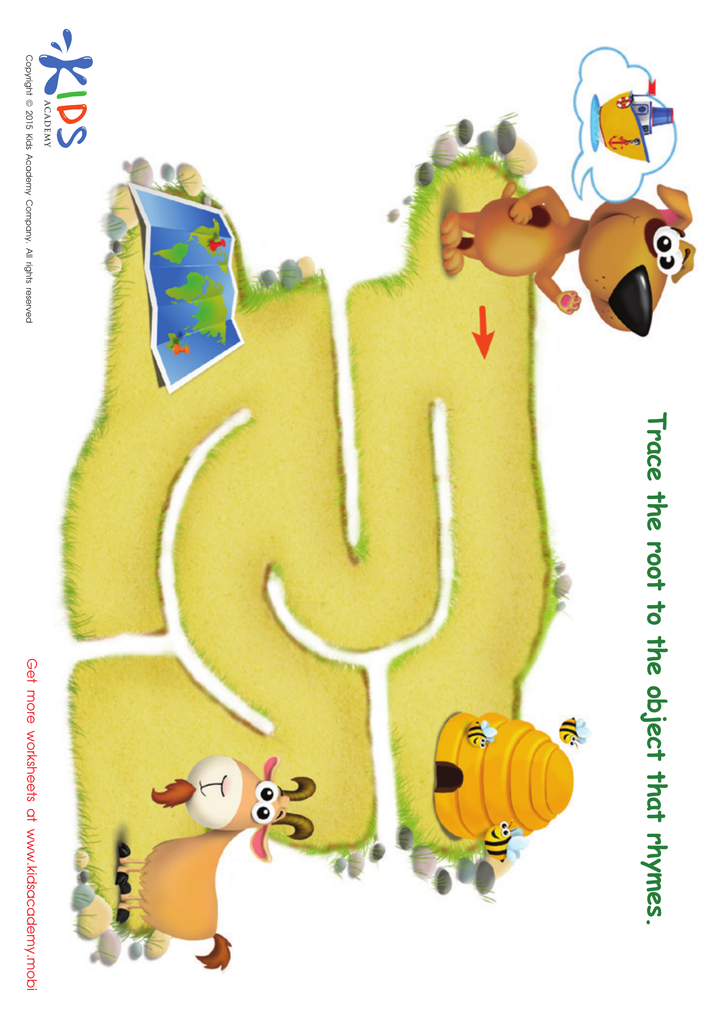
Boat Rhyming Words Worksheet
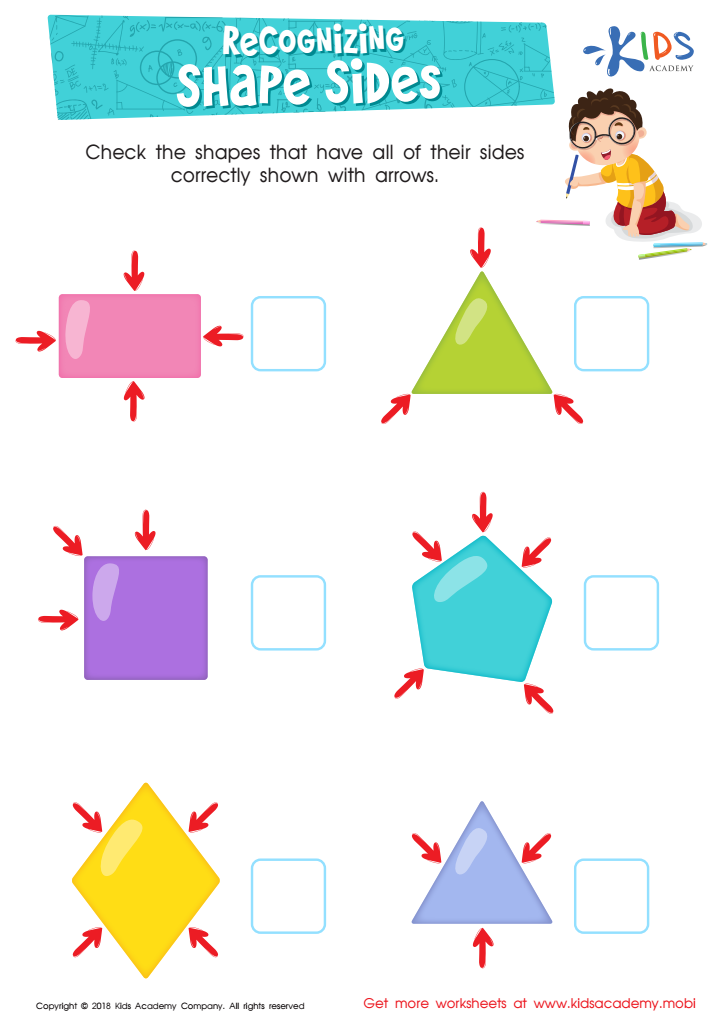
Recognizing Shape Sides Worksheet
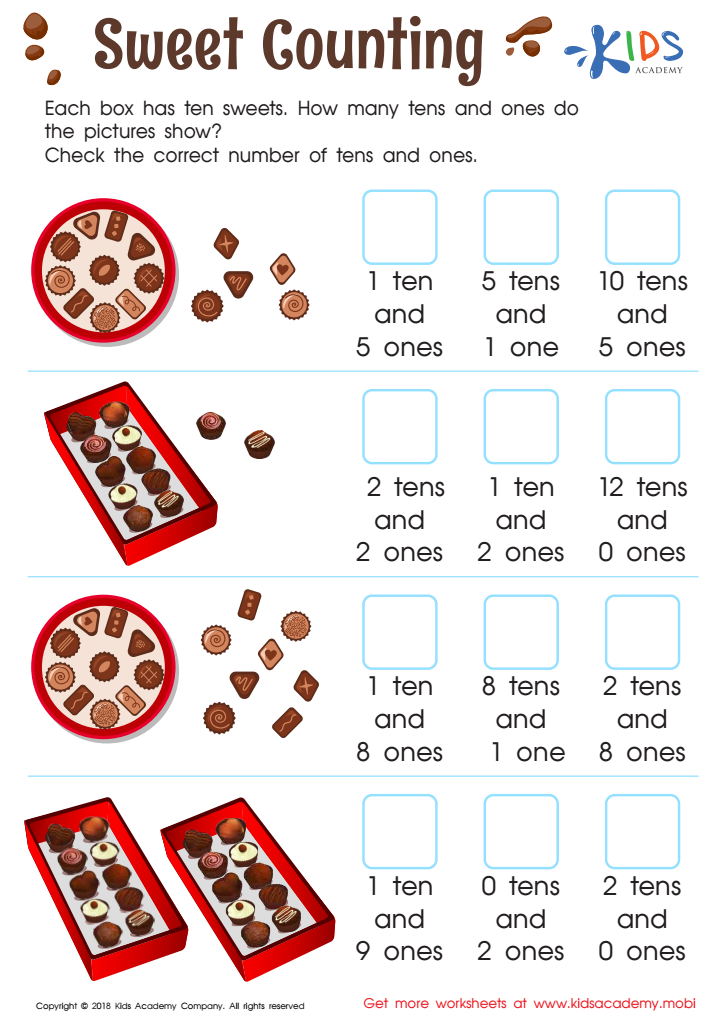
Sweet Counting - Part 2 Worksheet
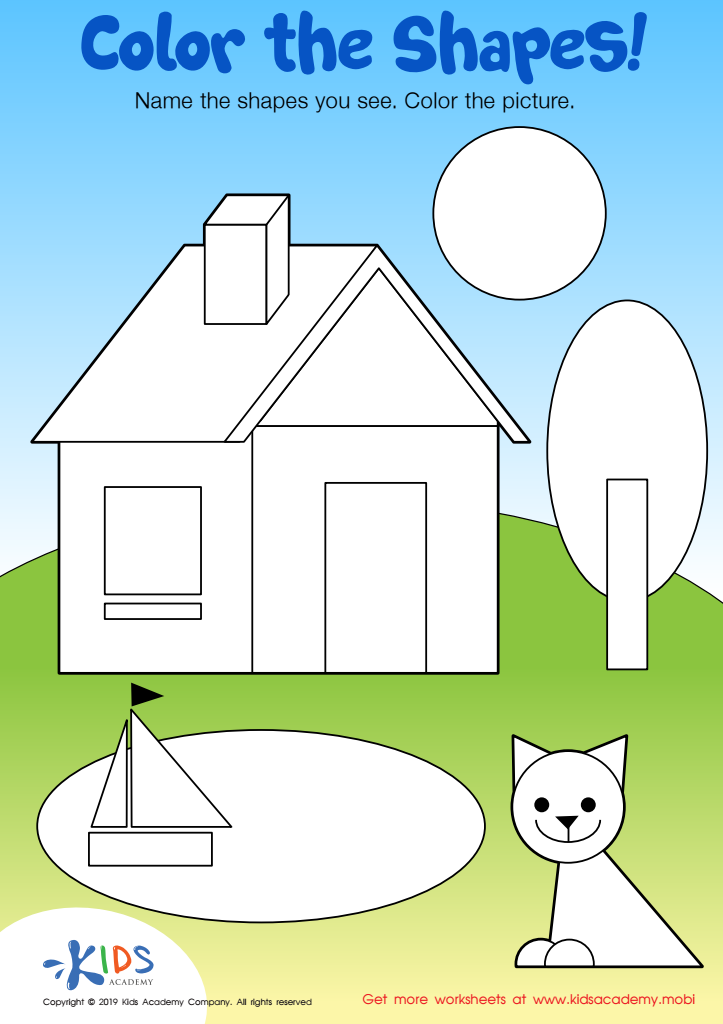
Color the Shapes Worksheet
 Assign to My Students
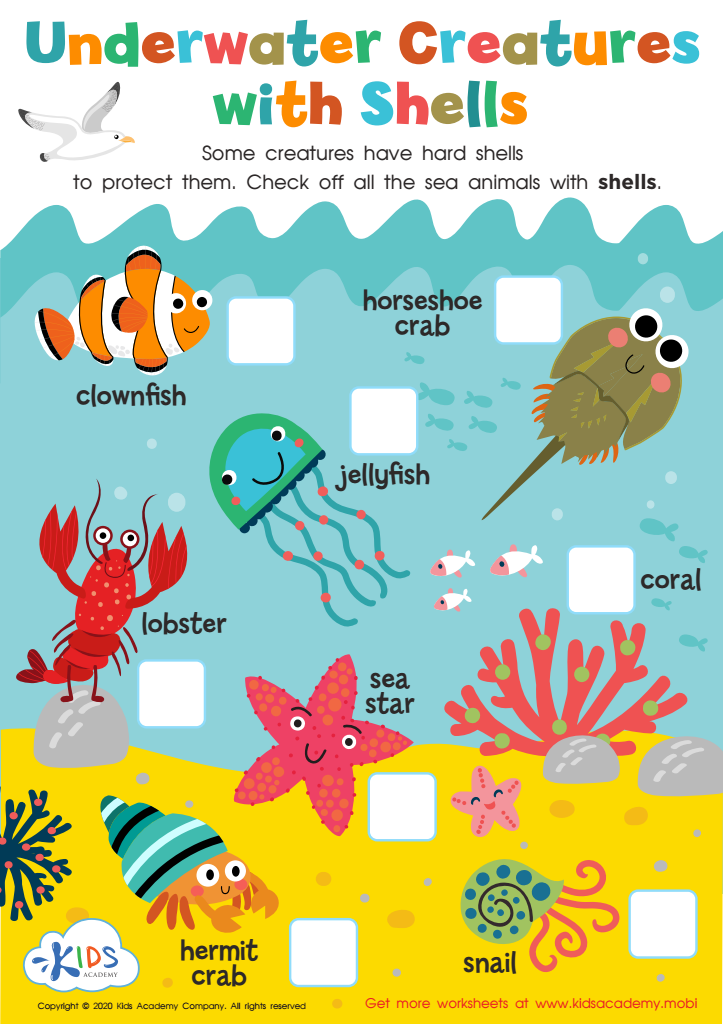
Underwater Creatures with Shells Worksheet
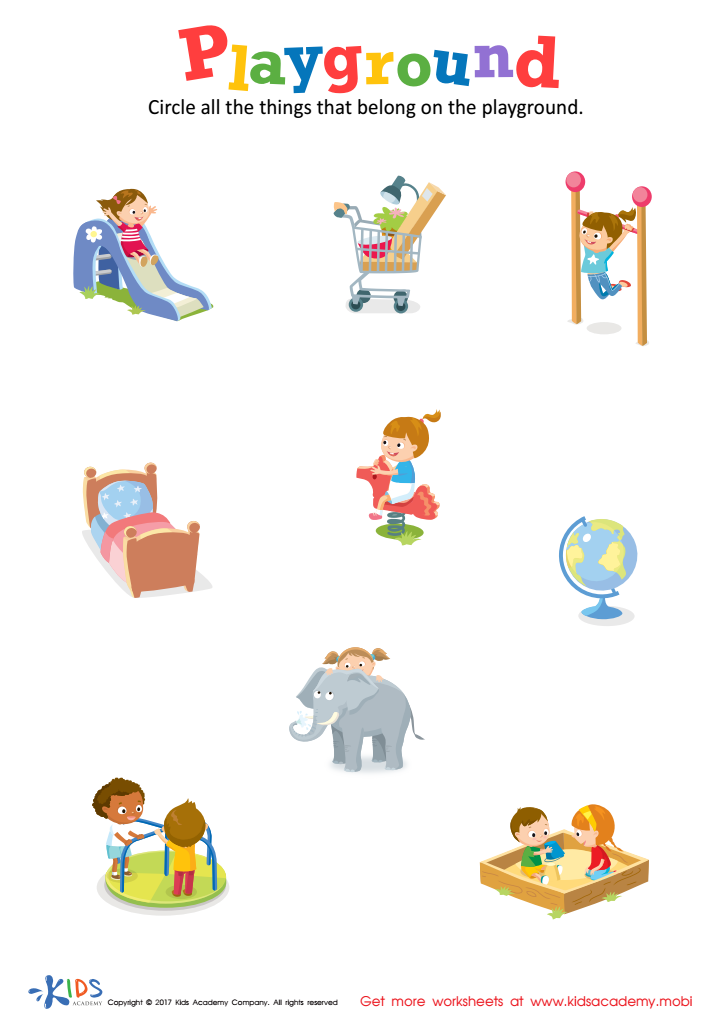
Playground Worksheet
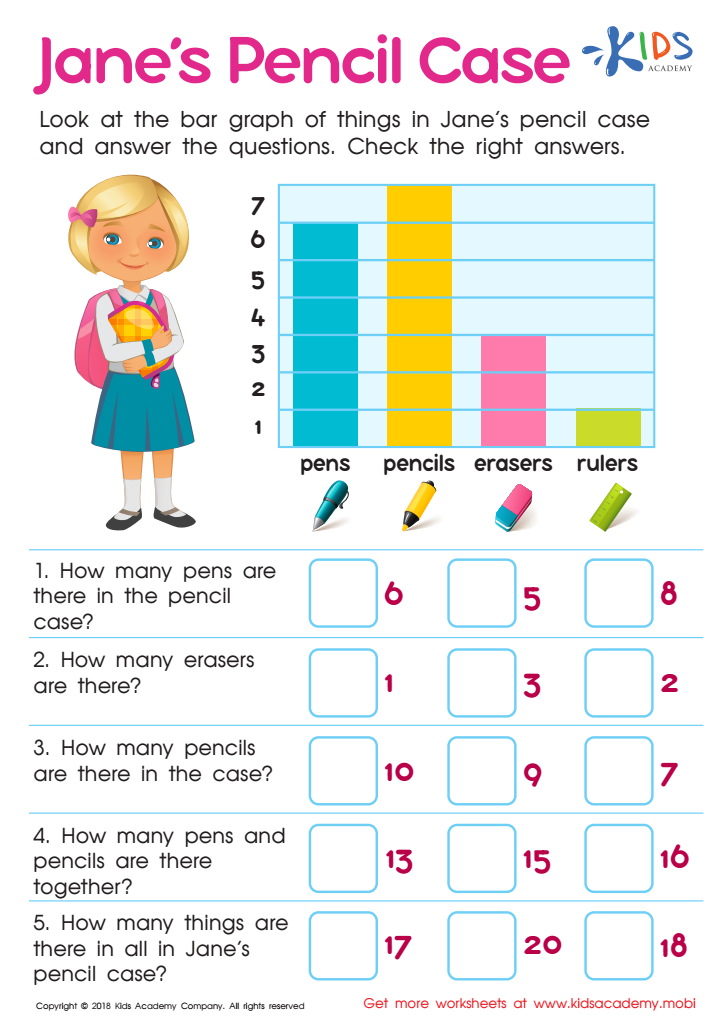
Jane's Pencil Case Worksheet
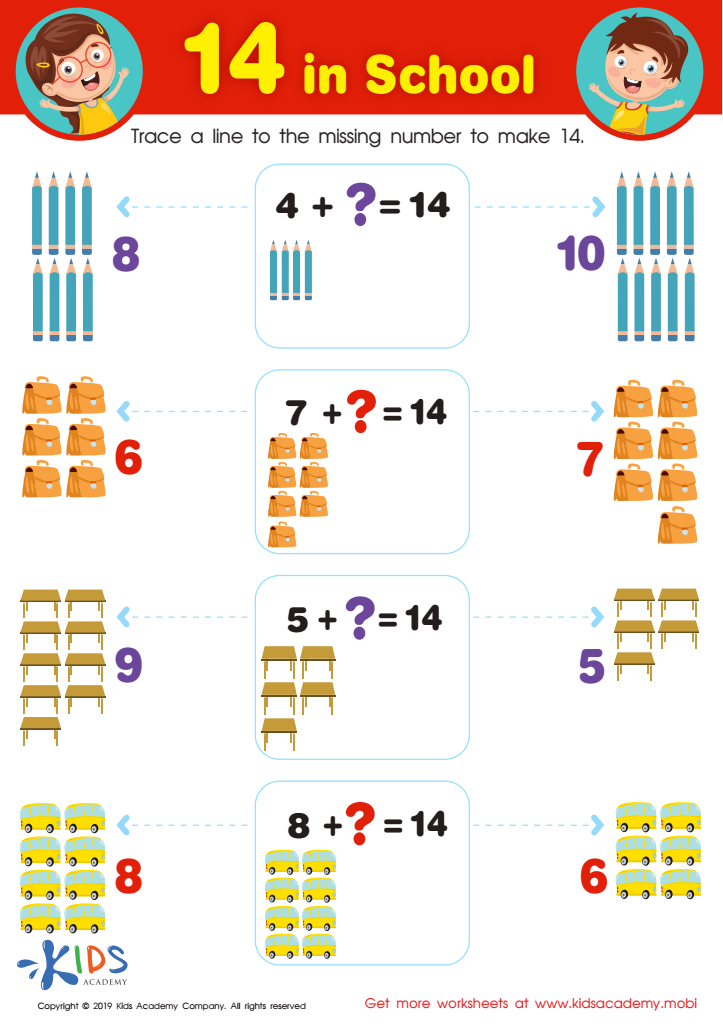
14 in School Worksheet
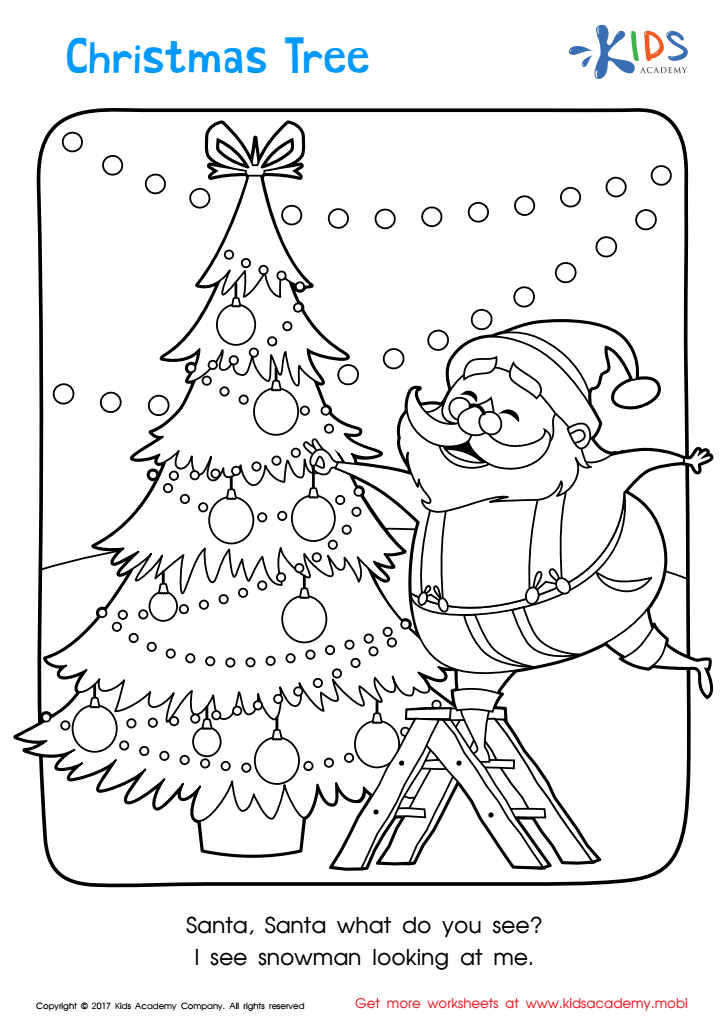
Christmas: Christmas Tree Printable
Assign to My Students
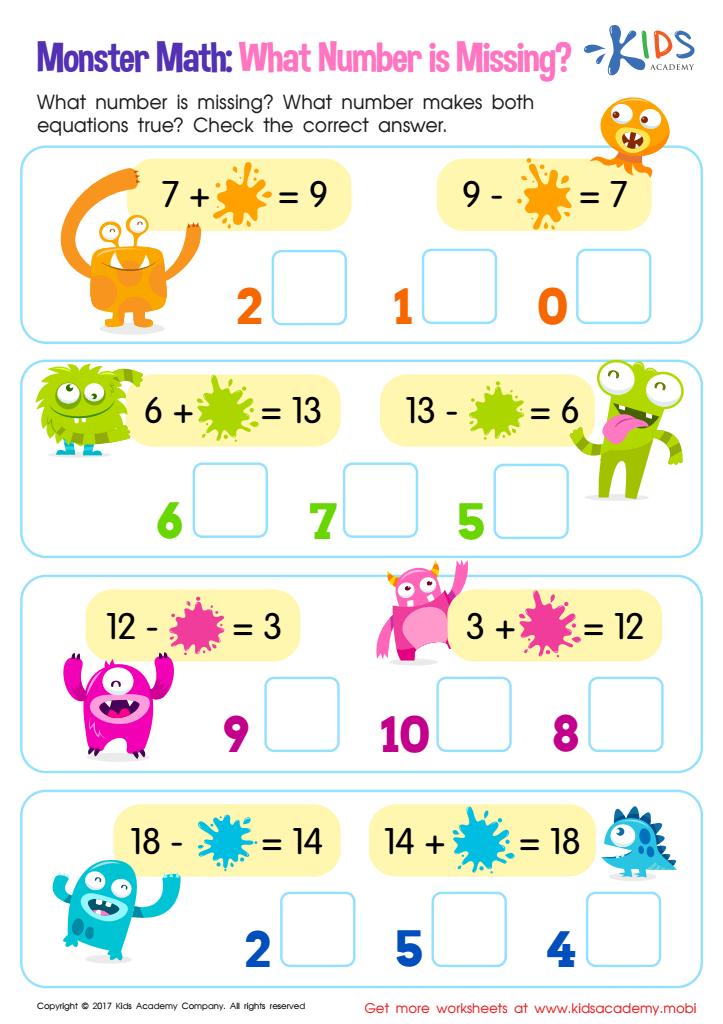
Missing Number: Monster Math Worksheet
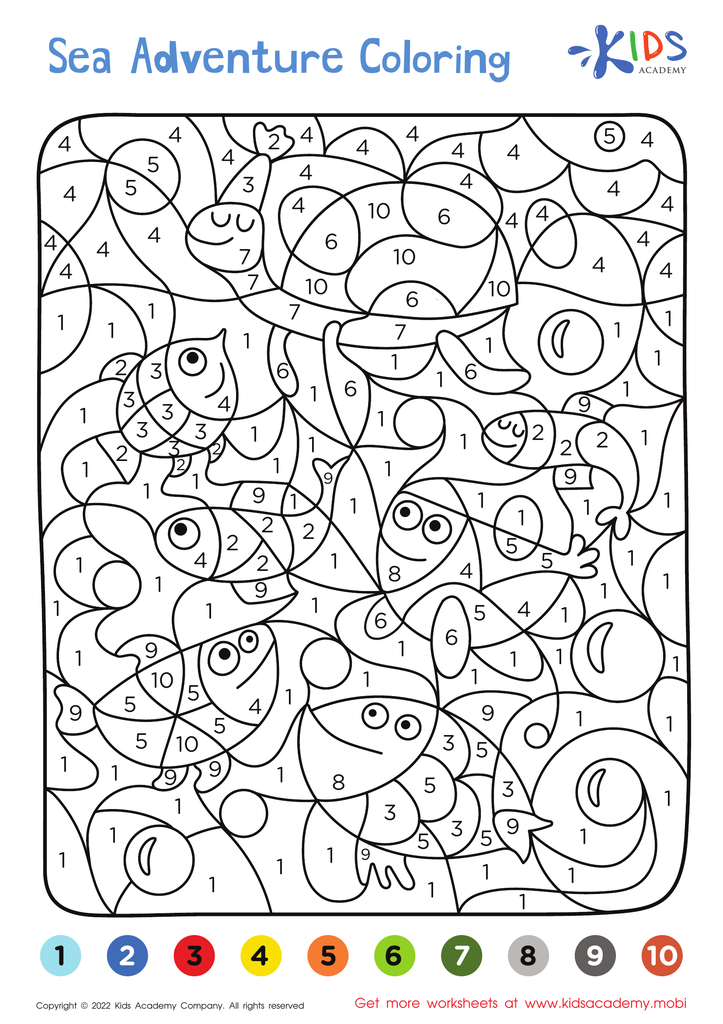
Sea Adventure – Coloring by Numbers
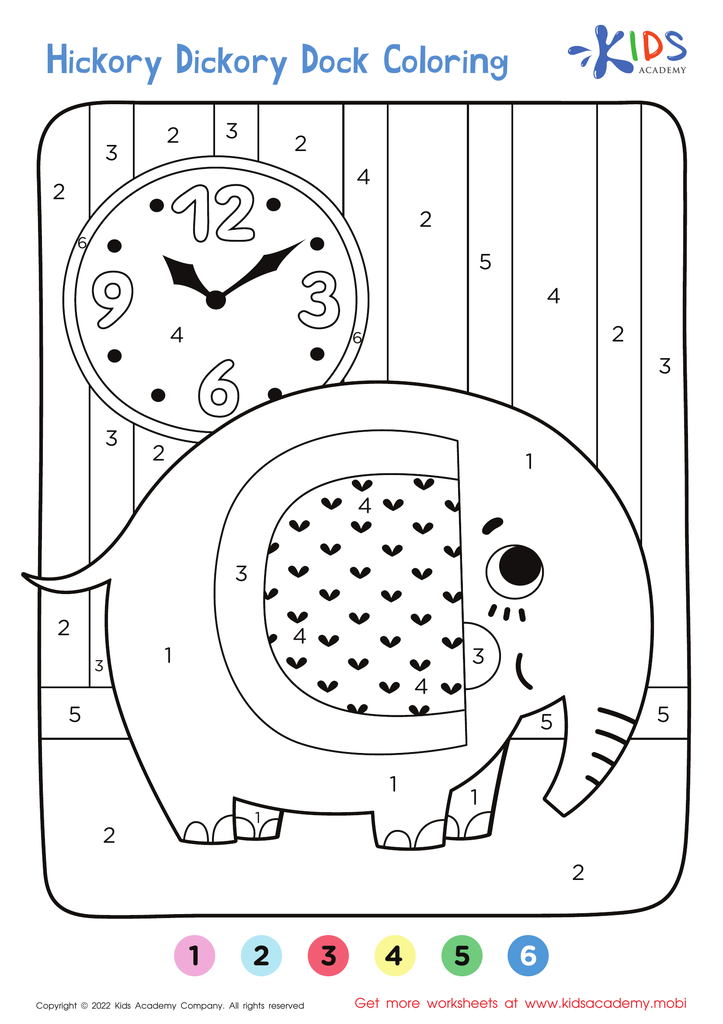
Hickory Dickory Dock – Coloring by Numbers
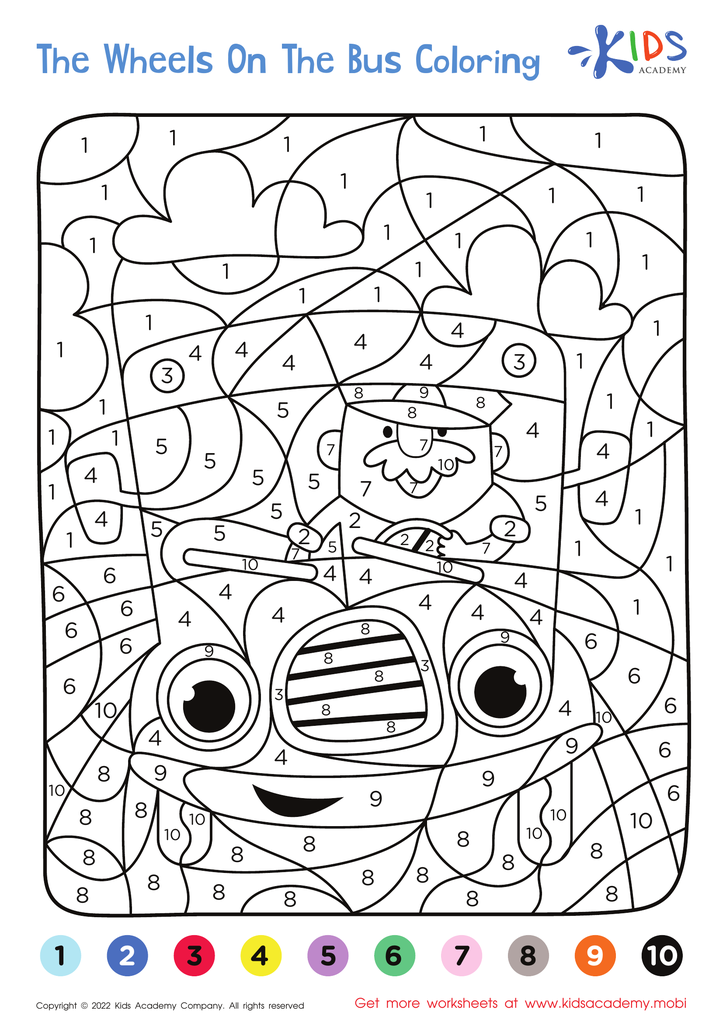
Wheels on the Bus – Coloring by Numbers
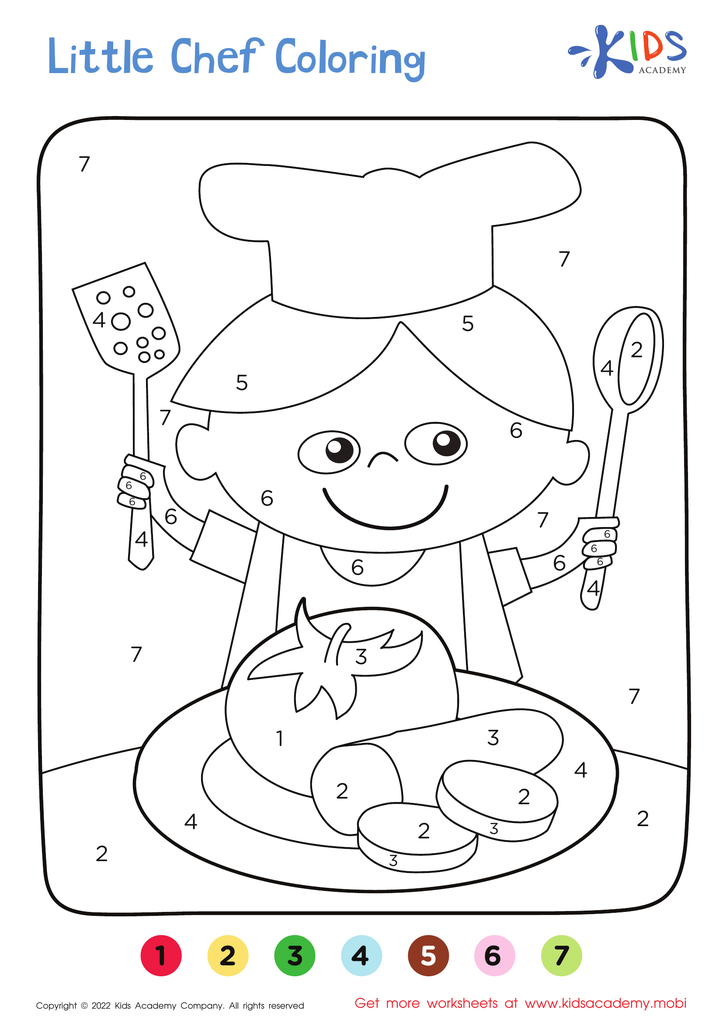
Little Chef – Coloring by Numbers
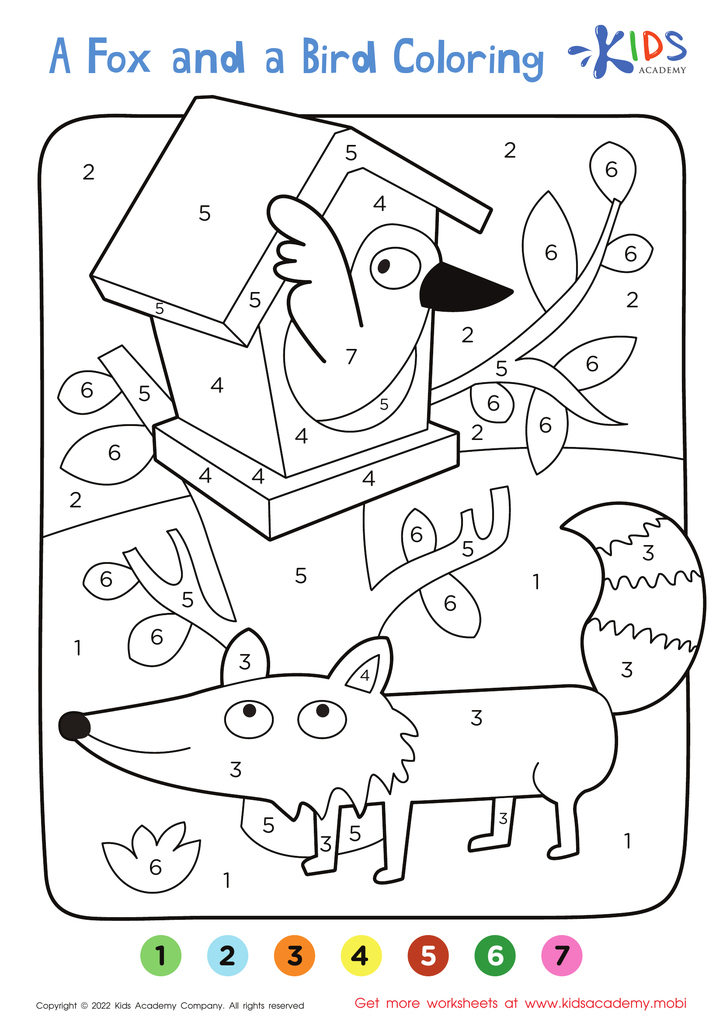
A Fox and a Bird – Coloring by Numbers
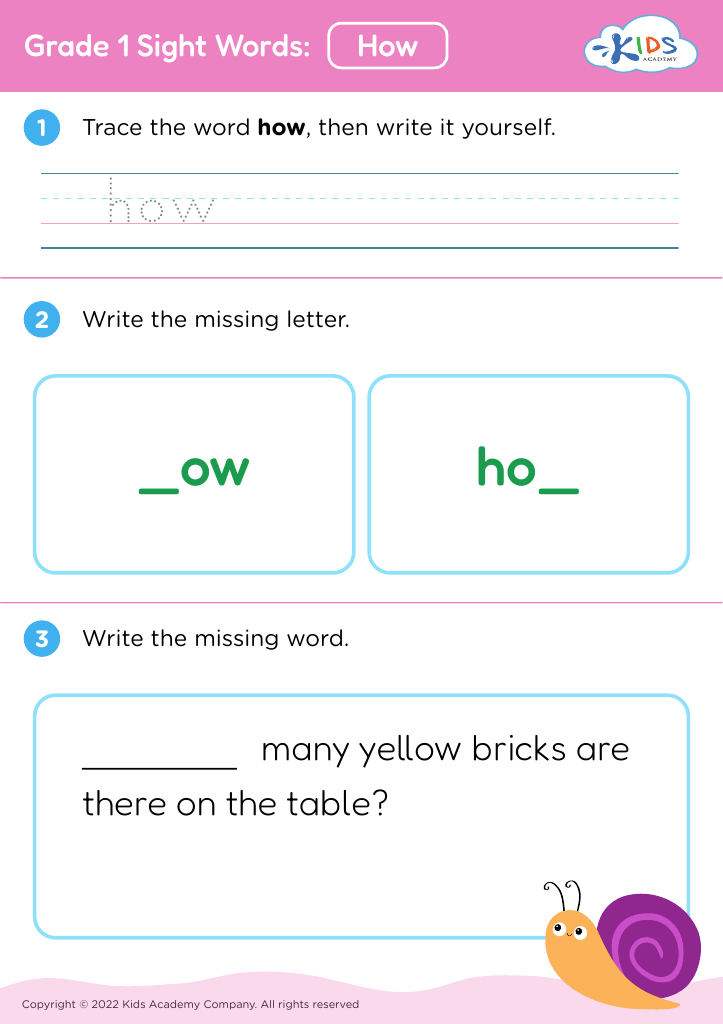








Color identification is a fundamental skill that significantly impacts the development of 6-year-olds. Parents and teachers should care about this skill for several reasons. First, color recognition contributes to cognitive development. It enhances brain function by helping children categorize and classify objects in their environment. Recognizing colors also improves language skills as children learn to describe and communicate their observations more effectively.
Moreover, color identification plays a vital role in early literacy. Many educational materials, like books and learning games, utilize color as a key element in engaging children’s attention and fostering their interest in reading. This interaction can lead to improved reading skills and comprehension.
In addition, understanding colors can significantly aid in the development of fine motor skills. As children engage in activities like coloring, sorting, and painting, they enhance their hand-eye coordination and control. Lastly, colors evoke emotions and associations, helping children express themselves creatively and emotionally.
By focusing on color identification, parents and teachers can lay a solid foundation for various developmental areas, including cognitive, linguistic, emotional, and social growth. This crucial skill not only supports academic success but also enriches daily life experiences and interactions.








