Directional understanding Worksheets for 6-Year-Olds
4 filtered results
-
From - To
Discover our engaging "Directional Understanding Worksheets for 6-Year-Olds" designed to enhance your child's spatial awareness and navigation skills. These educational worksheets offer a fun and interactive way for young learners to familiarize themselves with basic directional concepts like left, right, up, and down. Through a variety of enjoyable activities, kids develop essential skills needed for daily life and future academic success. Perfectly tailored for 6-year-olds, these worksheets make learning directions an exciting adventure. Boost their confidence and understanding of the world around them with our easy-to-follow, printable worksheets from Kids Academy.
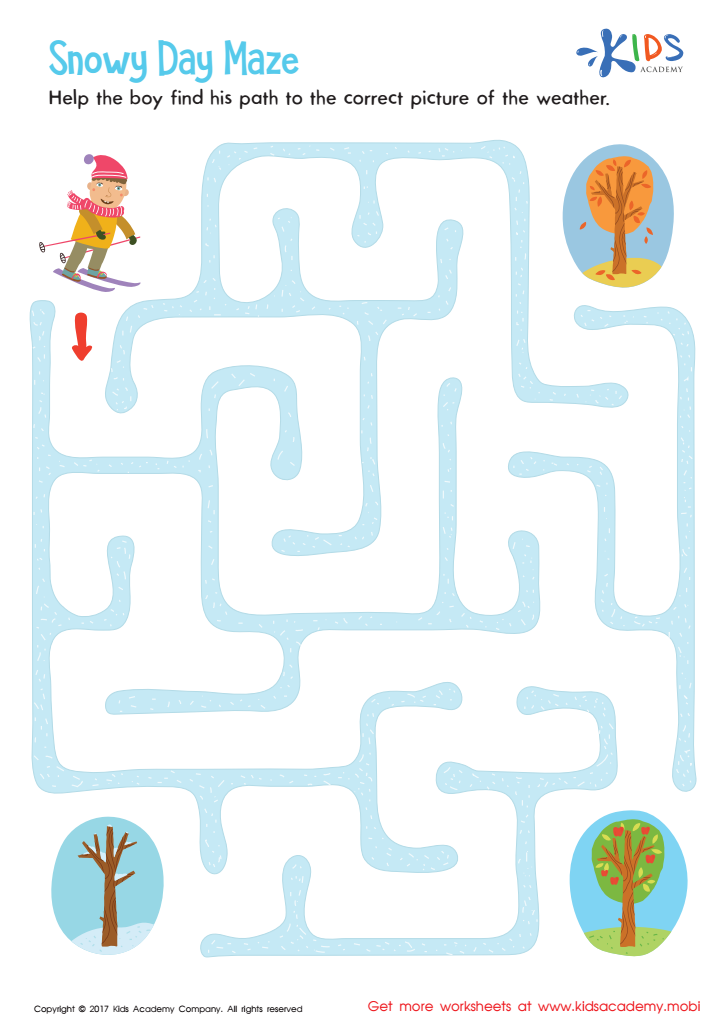
 Assign to My Students
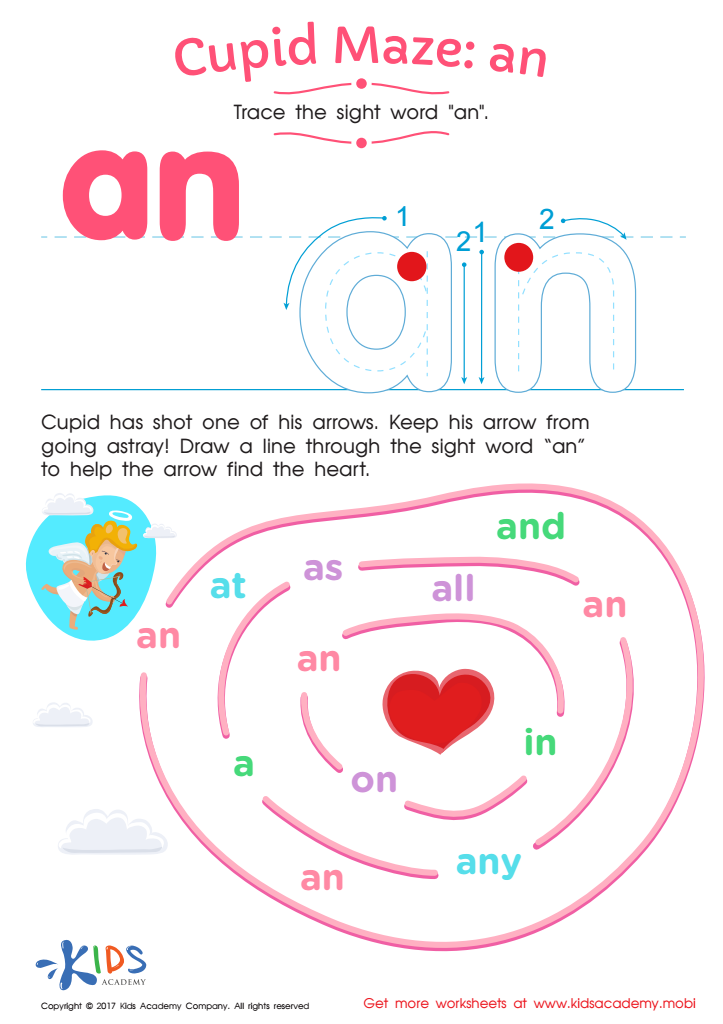
Cupid Maze: An Printable
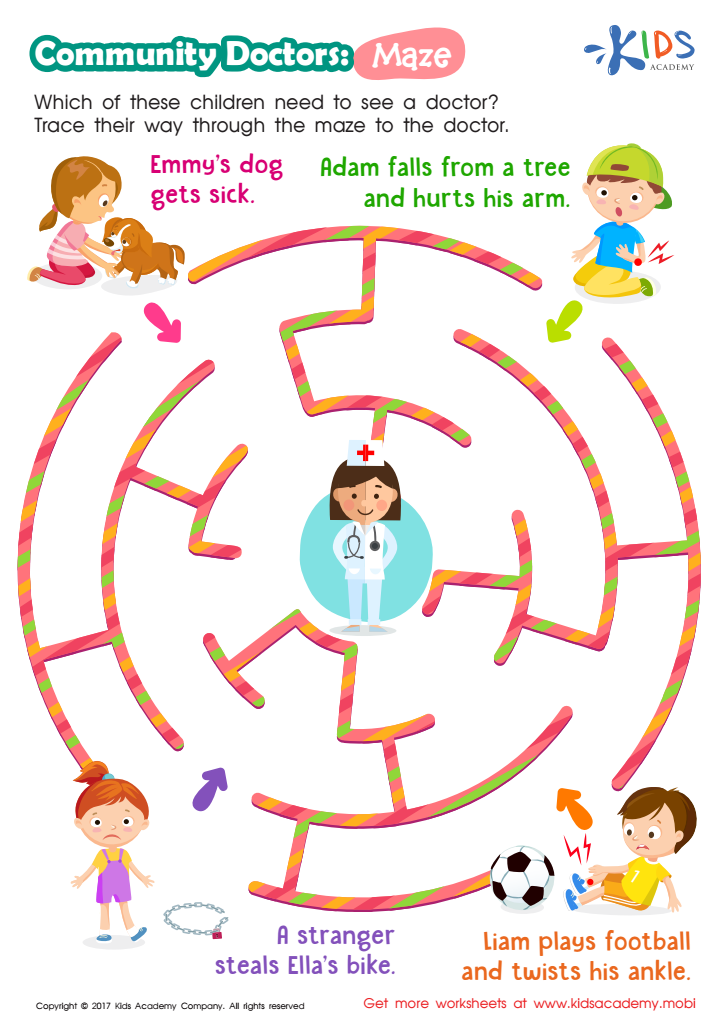
Community Doctors: Maze Printable
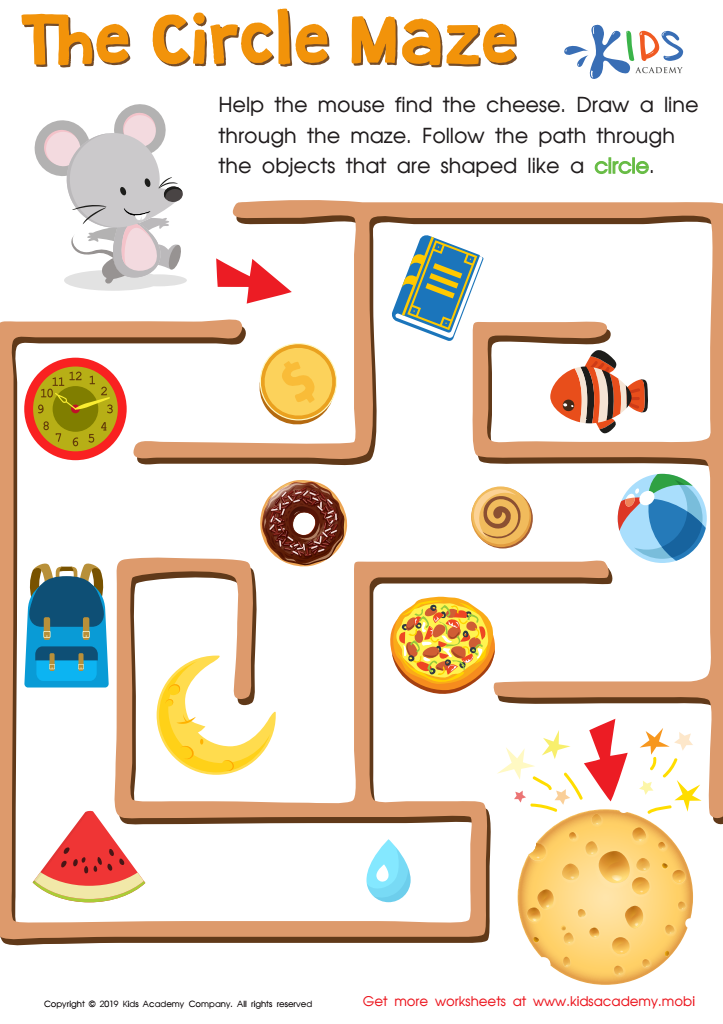
The Circle Maze Worksheet






.jpg)
Directional understanding is fundamental for the cognitive and physical development of 6-year-olds, and it holds significant importance for both parents and teachers. At this age, children are rapidly developing spatial awareness and orientation, which are crucial for navigating their physical environment safely and effectively. For instance, grasping the concepts of "left," "right," "up," and "down" helps children follow directions, whether it's crossing a street safely or locating items around the house or classroom.
In addition to safety, directional understanding enhances learning outcomes. It is important for subjects like math and reading. For example, understanding left-to-right directionality is essential for reading fluently in languages written in that direction, such as English. It is also integral in math for understanding number lines and performing calculations.
Furthermore, directionality assists in social and communication skills. Accurately following or giving directions during interactive play and group activities enhances cooperation and collaboration skills that are important in school settings and beyond.
Lastly, mastering directional skills builds confidence and independence. Children feel more secure and capable when they can navigate their world, which supports their overall emotional and psychological development. Investing time in strengthening these skills sets the foundation for future learning and daily life functionality, making it an essential focus for both parents and teachers.








