Hand-eye Coordination Worksheets for 6-Year-Olds - Page 3
68 filtered results
-
From - To
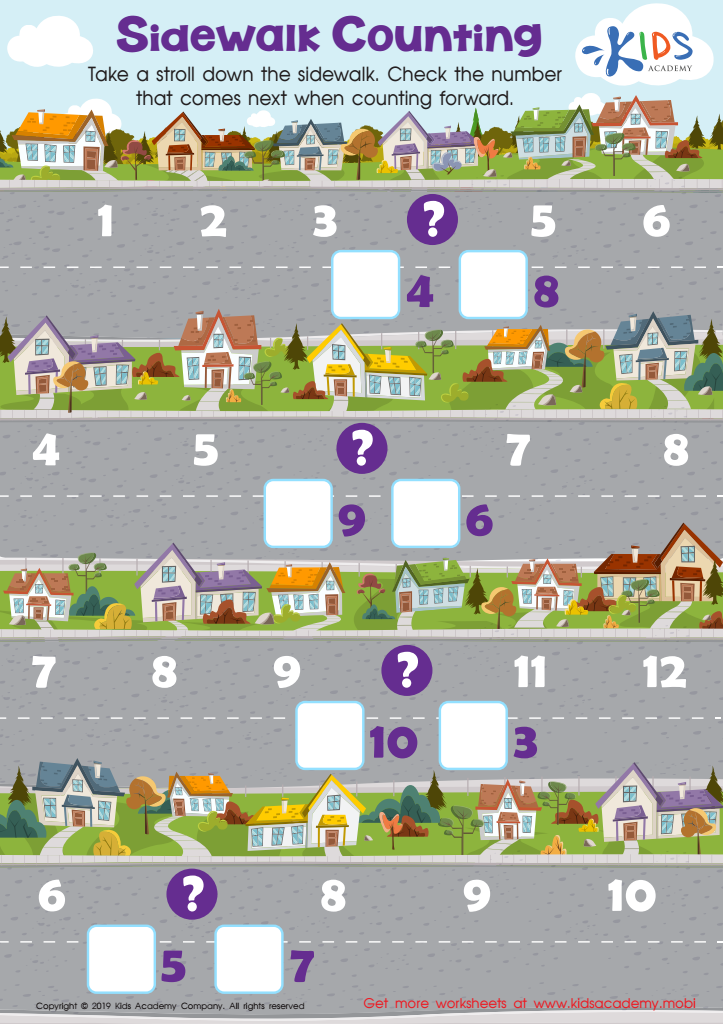
Sidewalk Counting Worksheet
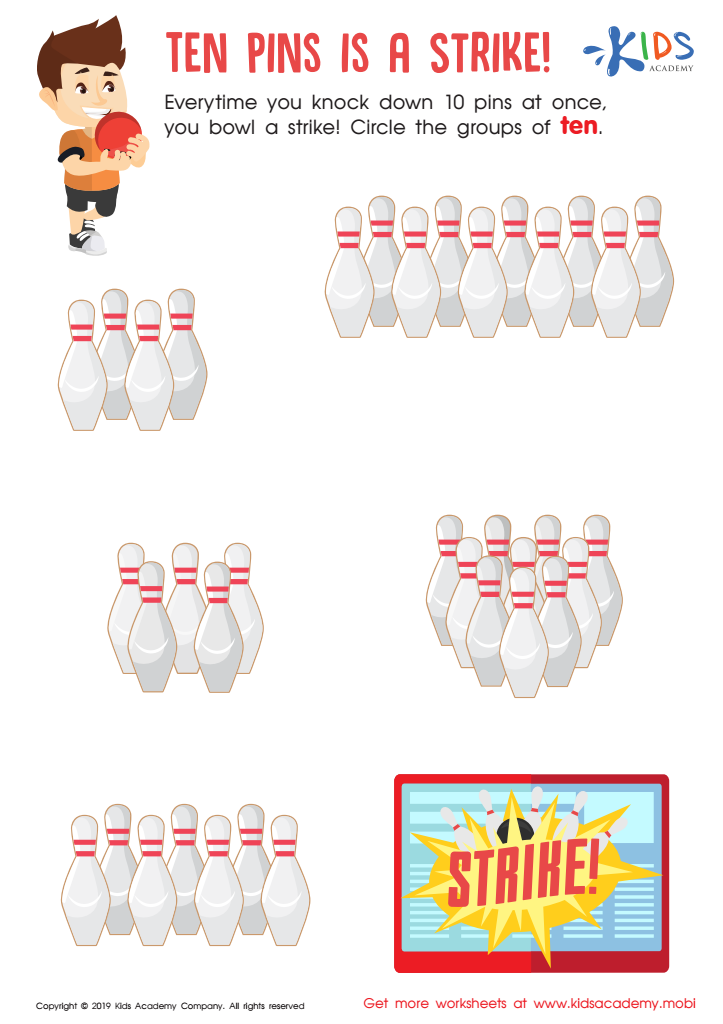
Ten Pins is a Strike Worksheet
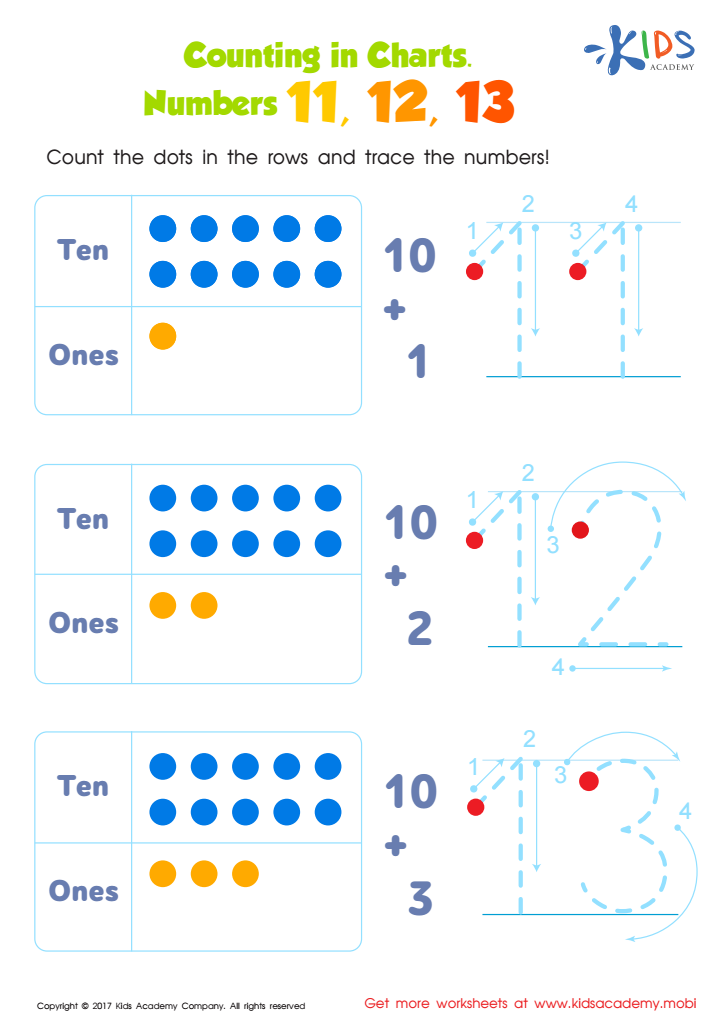
Number Tracing Worksheet For Kindergarten
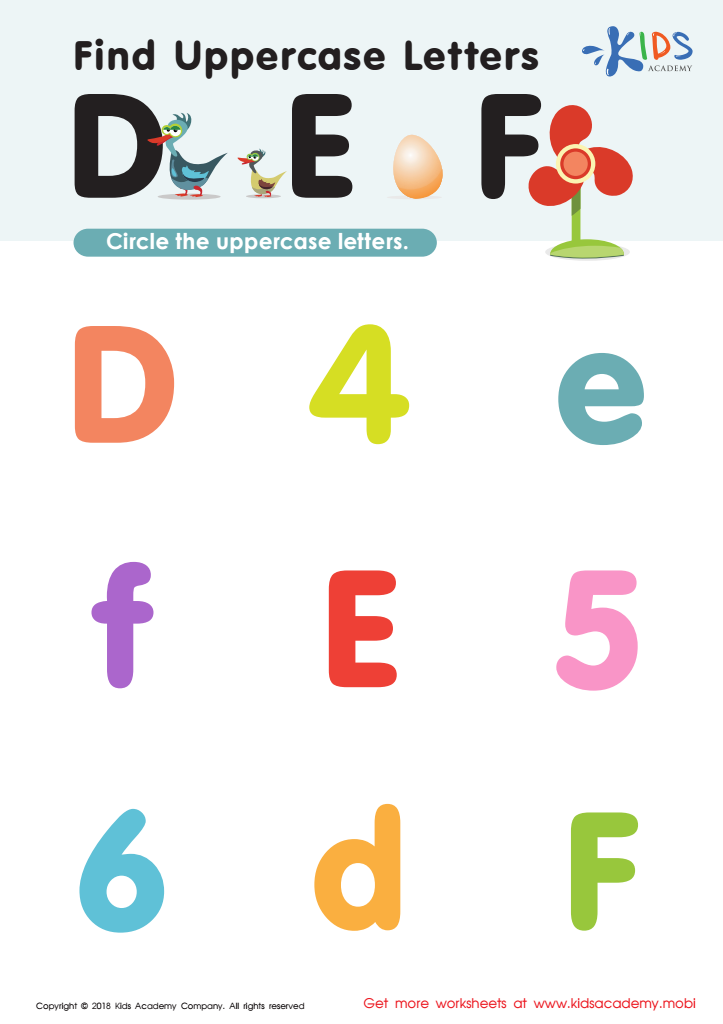
Find Uppercase Letters D, E, and F Worksheet
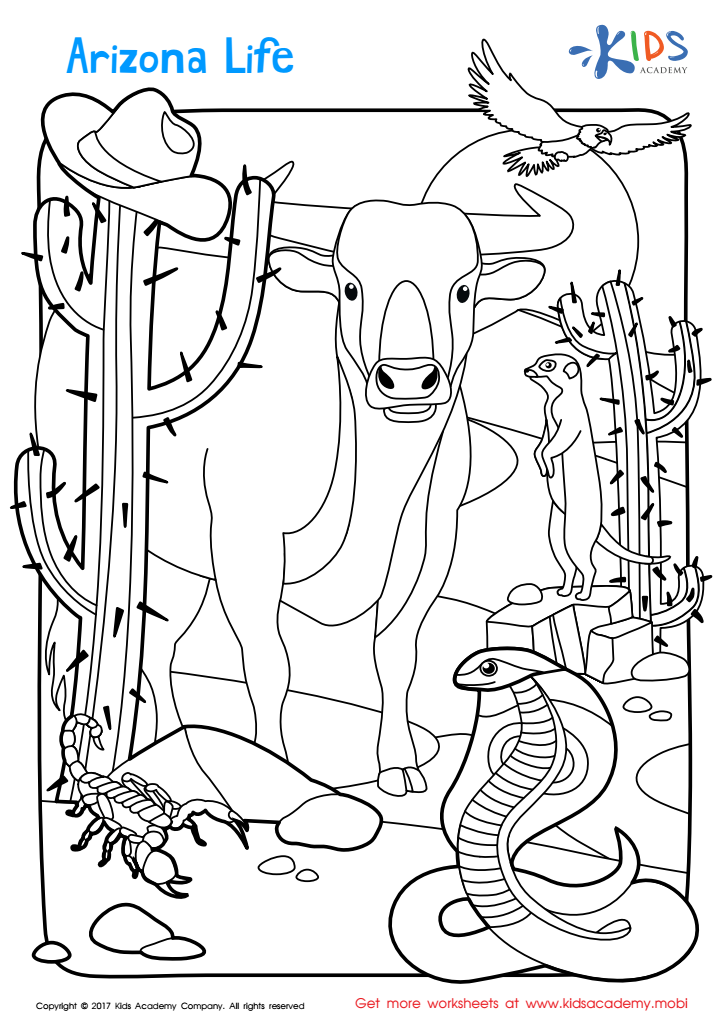
Arizona Coloring Page Worksheet
 Assign to My Students
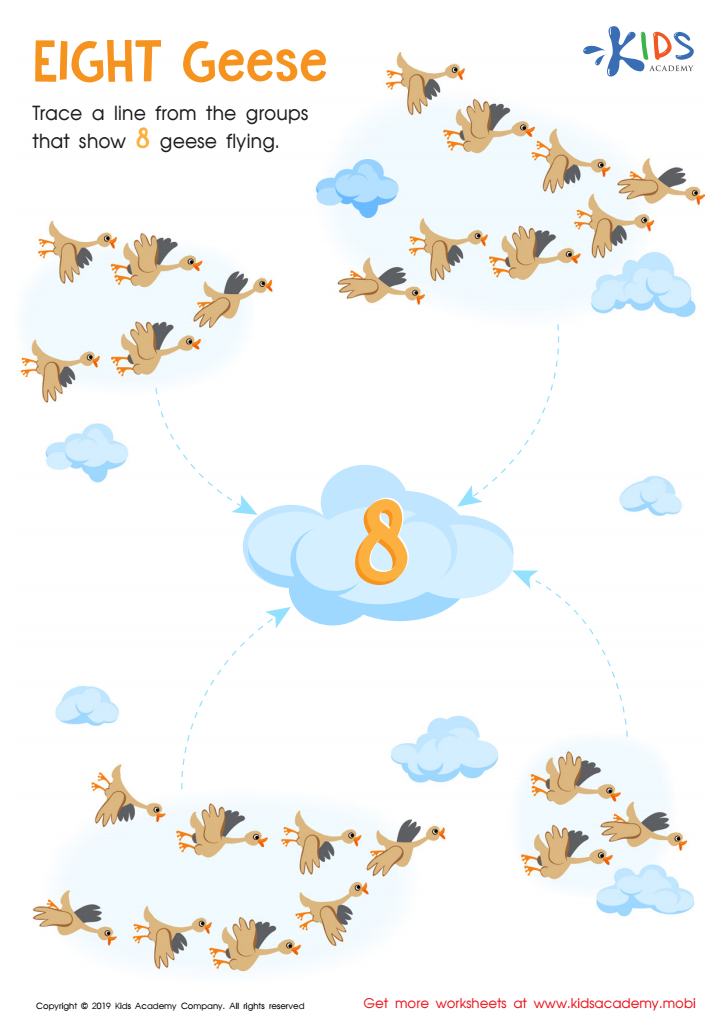
Eight Geese Worksheet
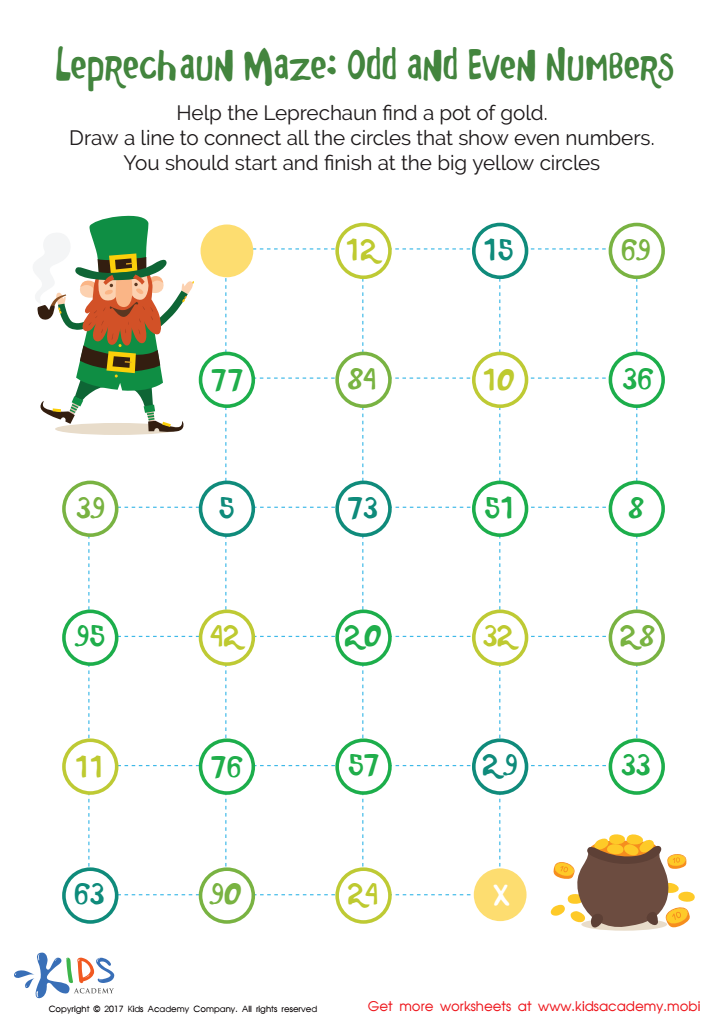
Leprechaun Maze Printable
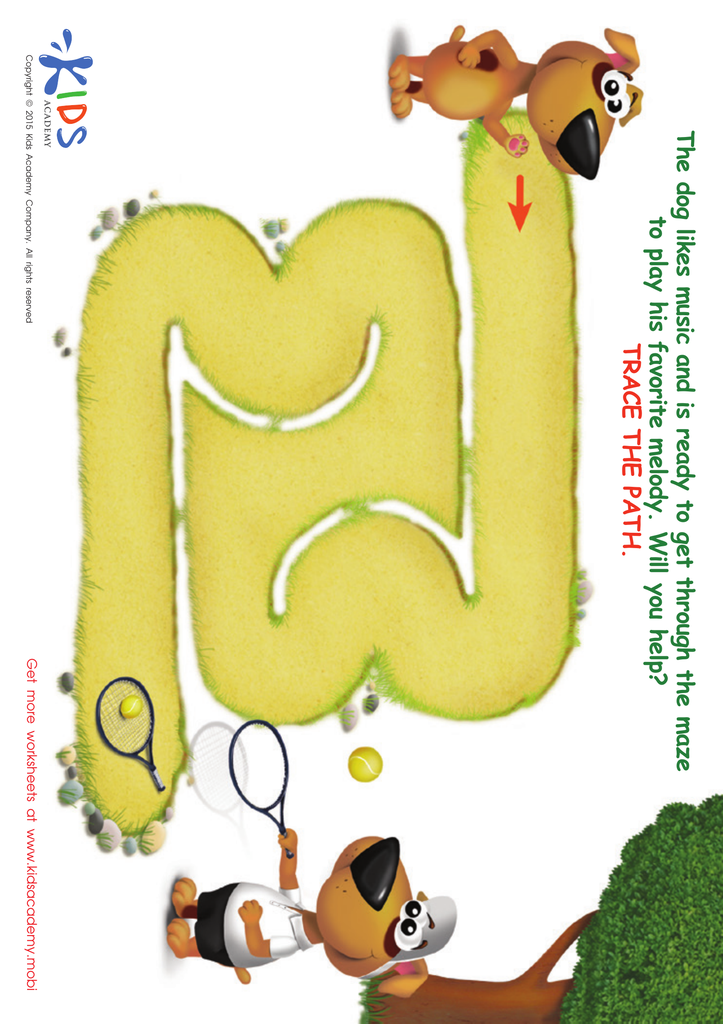
Tennis Player Maze Worksheet
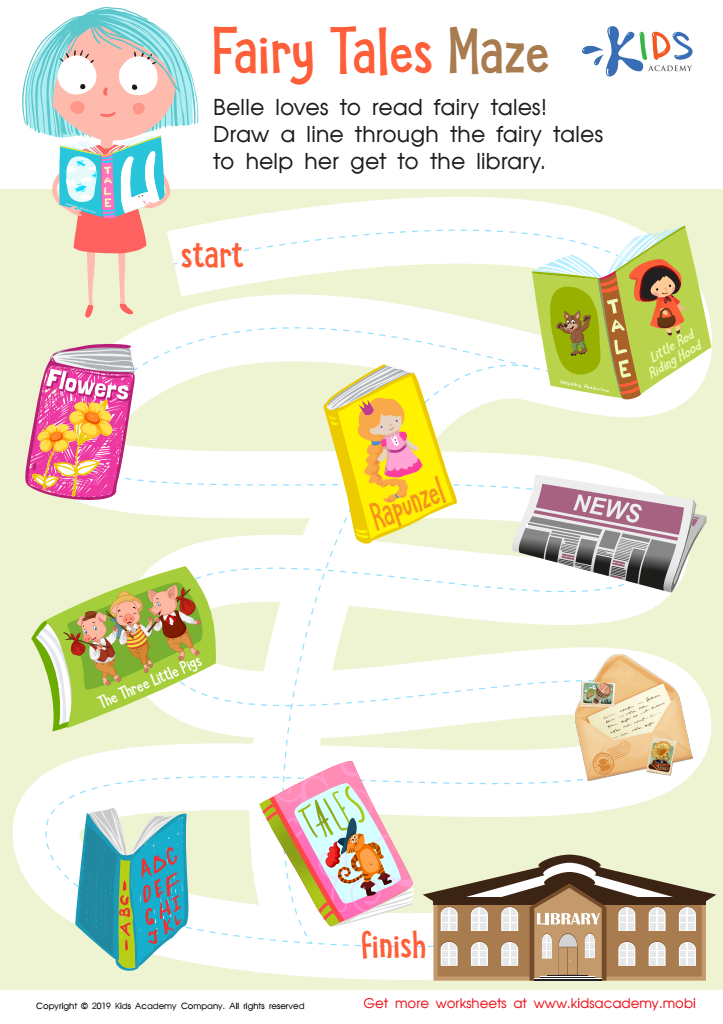
Fairy Tales Maze Worksheet
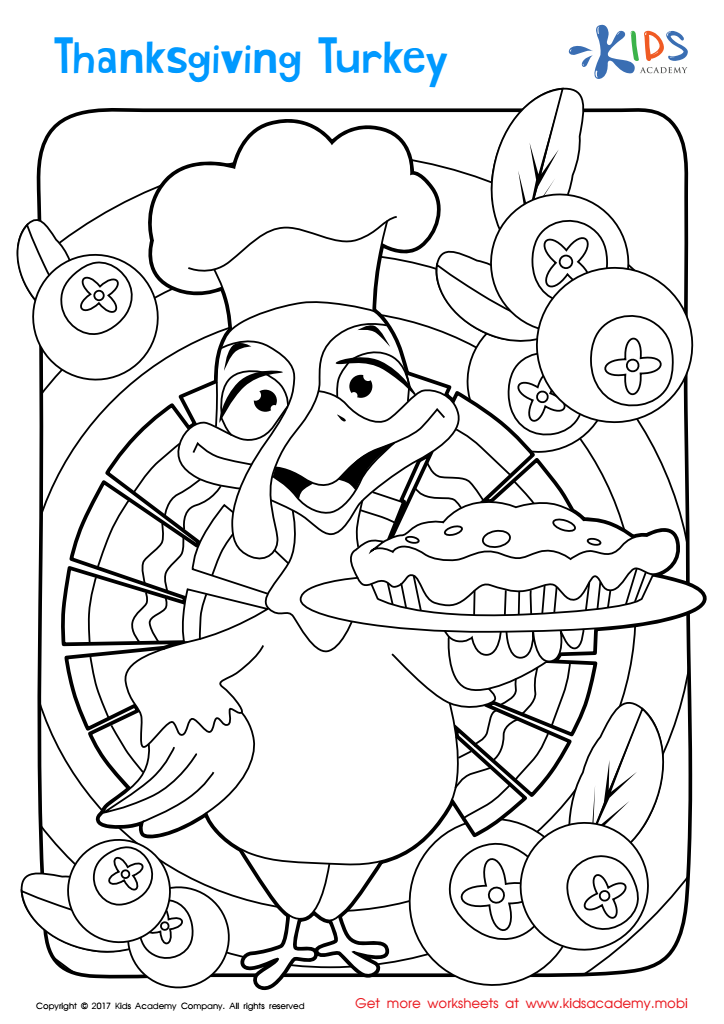
Turkey Thanksgiving Day Worksheet
Assign to My Students
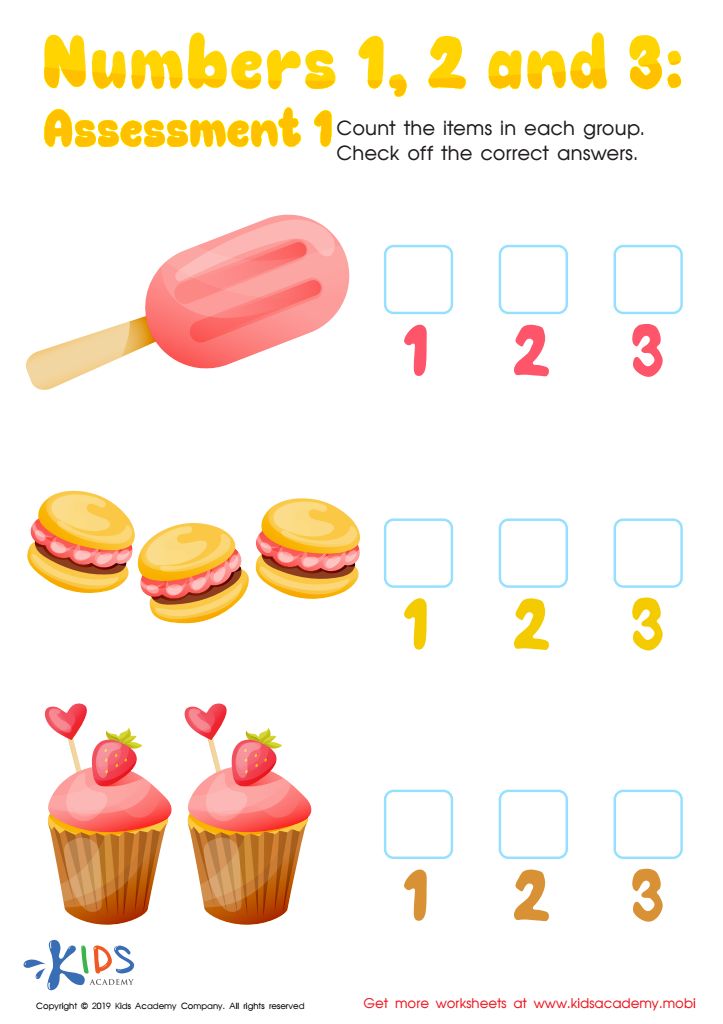
Numbers 1, 2 and 3: Assessment 1 Worksheet
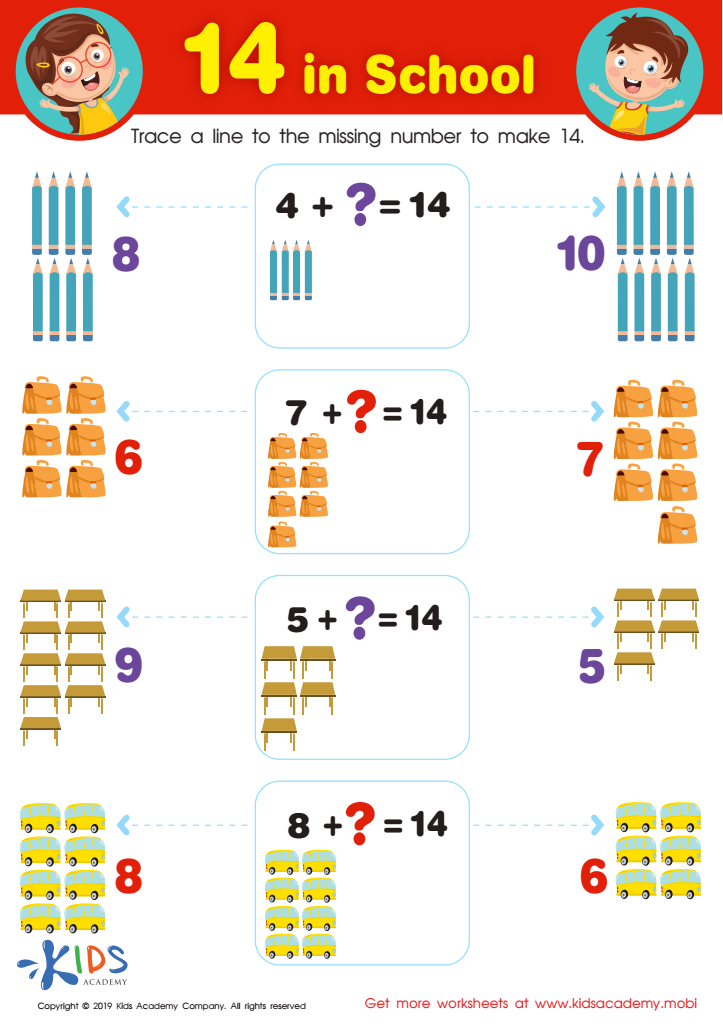
14 in School Worksheet
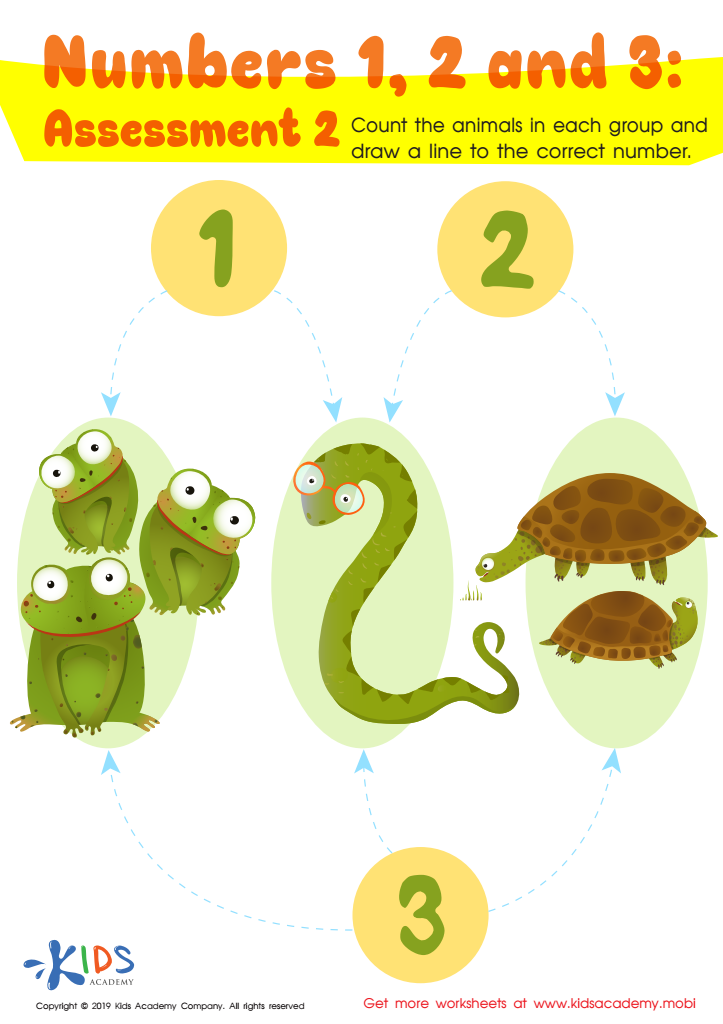
Numbers 1, 2 and 3: Assessment 2 Worksheet
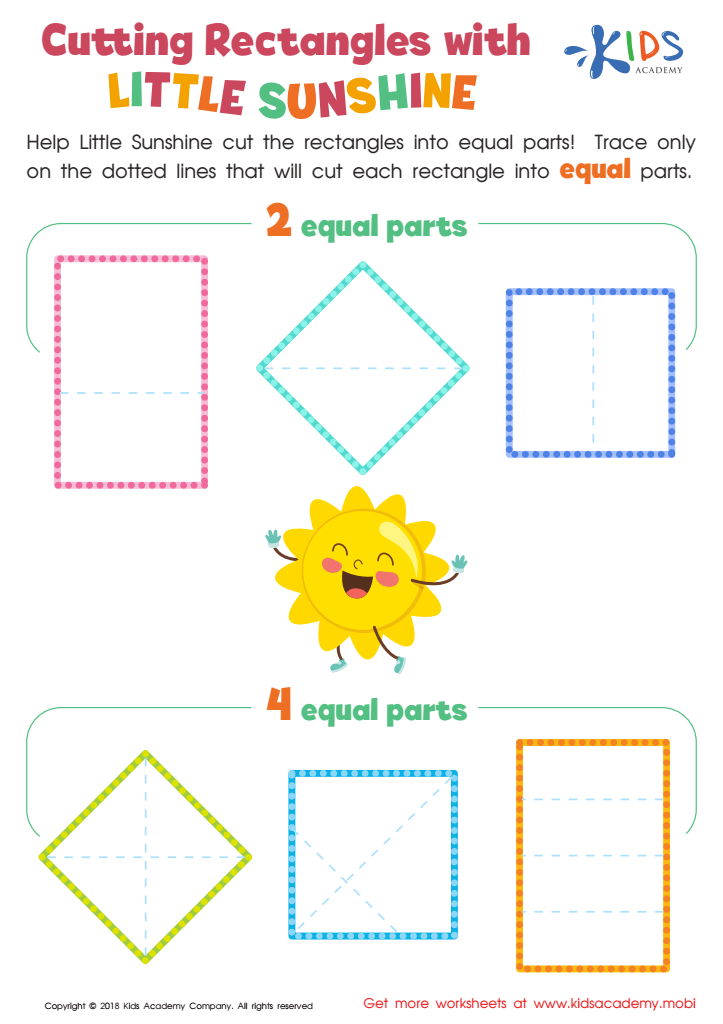
Cutting Rectangles with Little Sunshine Worksheet
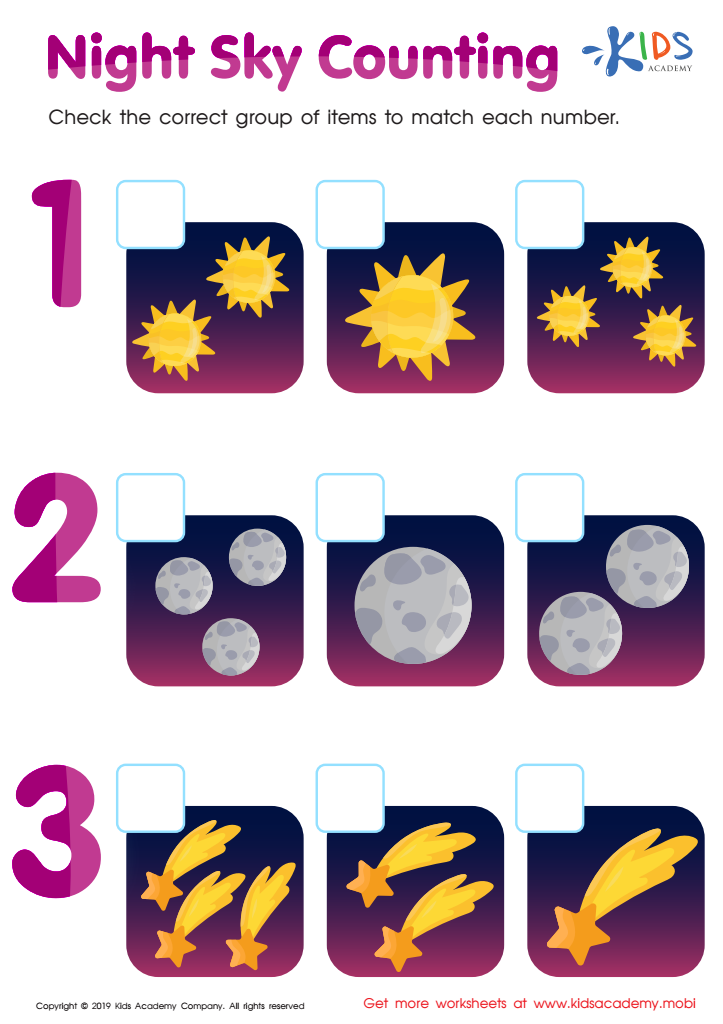
Night Sky Counting Worksheet
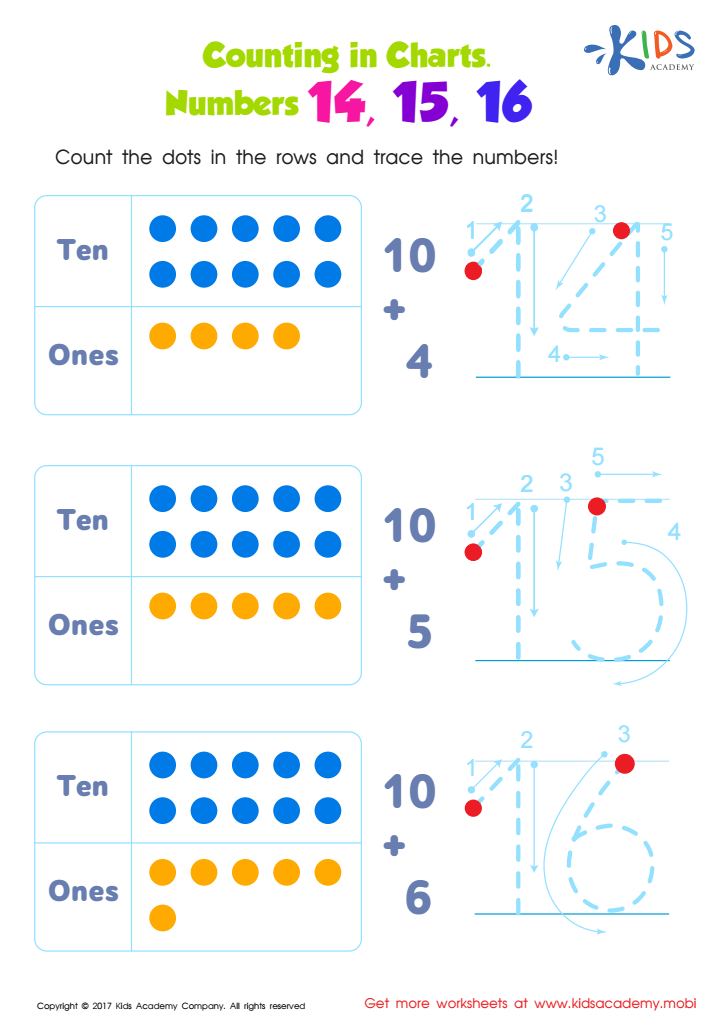
Number Tracing Worksheet
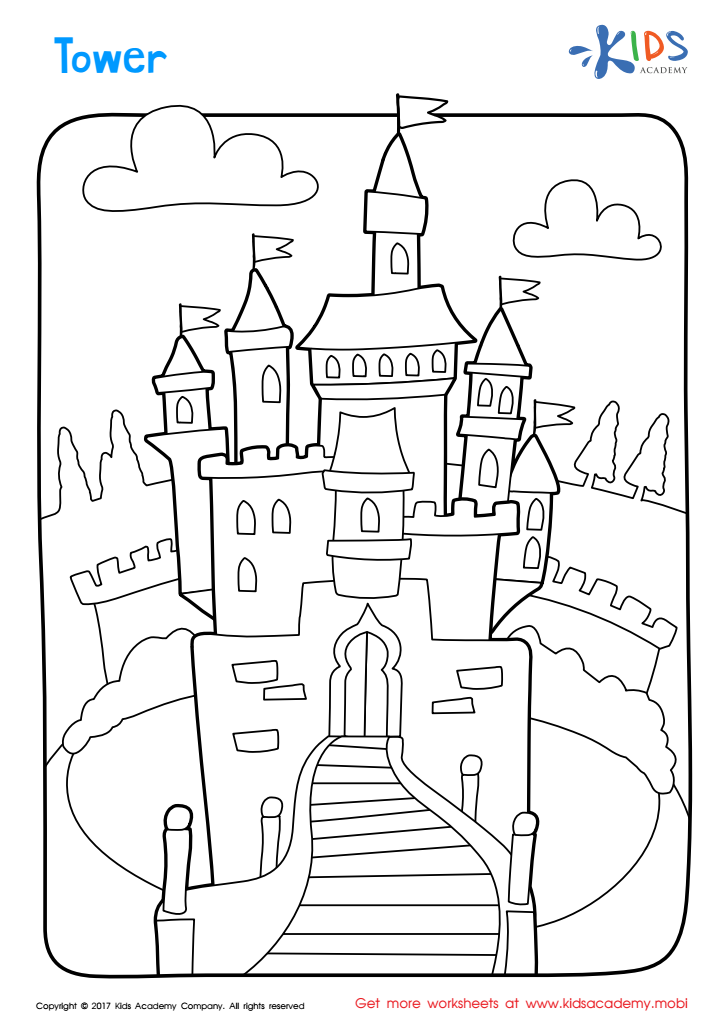
Tower Coloring Page
Assign to My Students

Long and Short E Worksheet
Assign to My Students
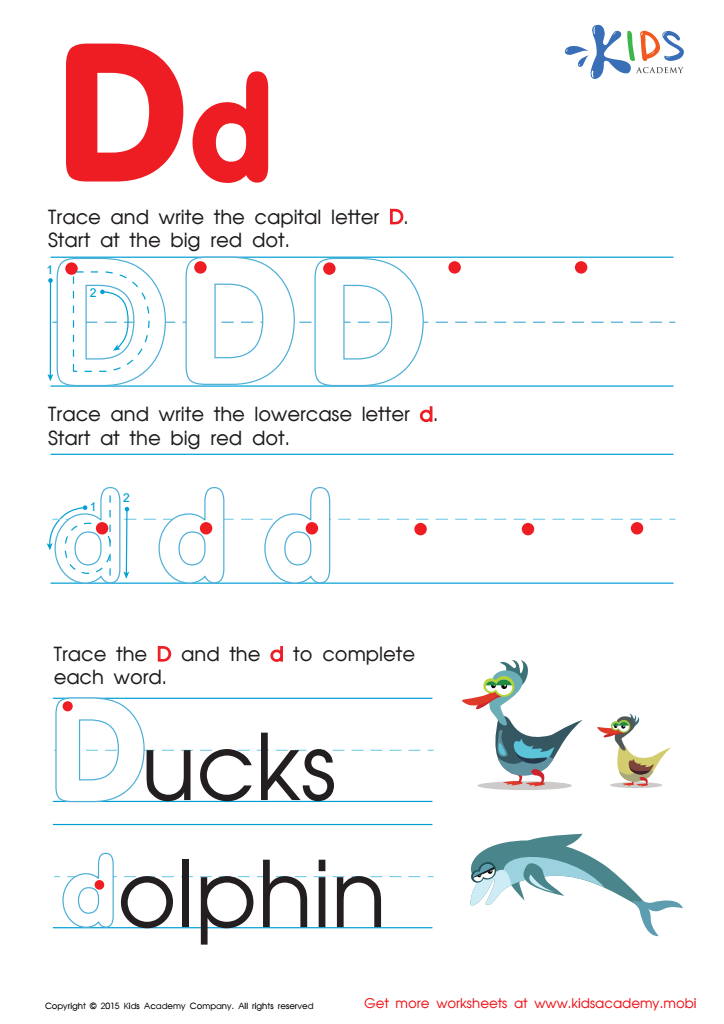
Letter D Tracing Page



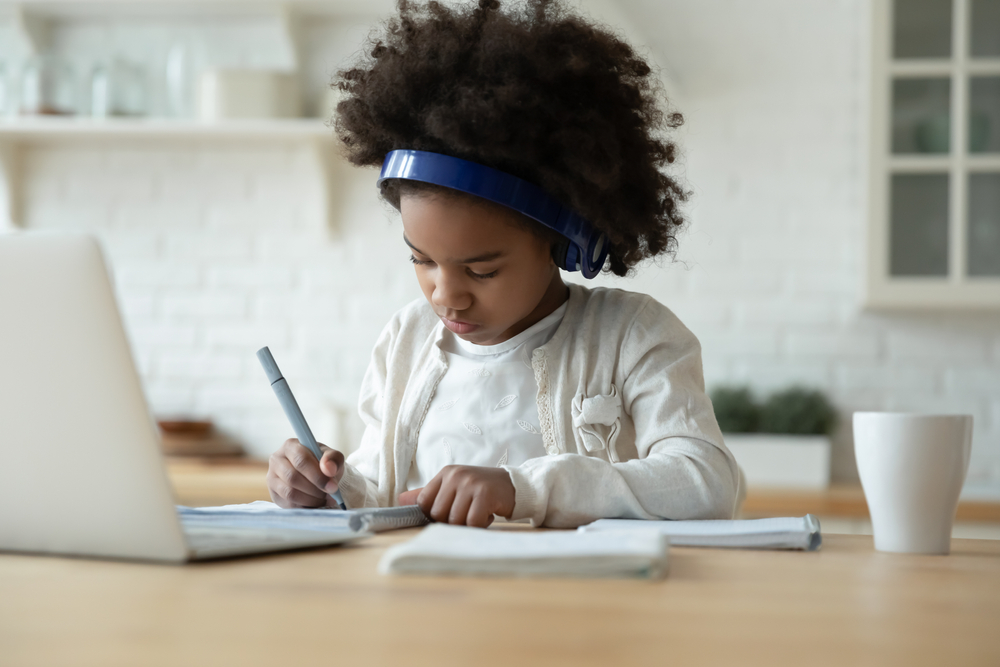

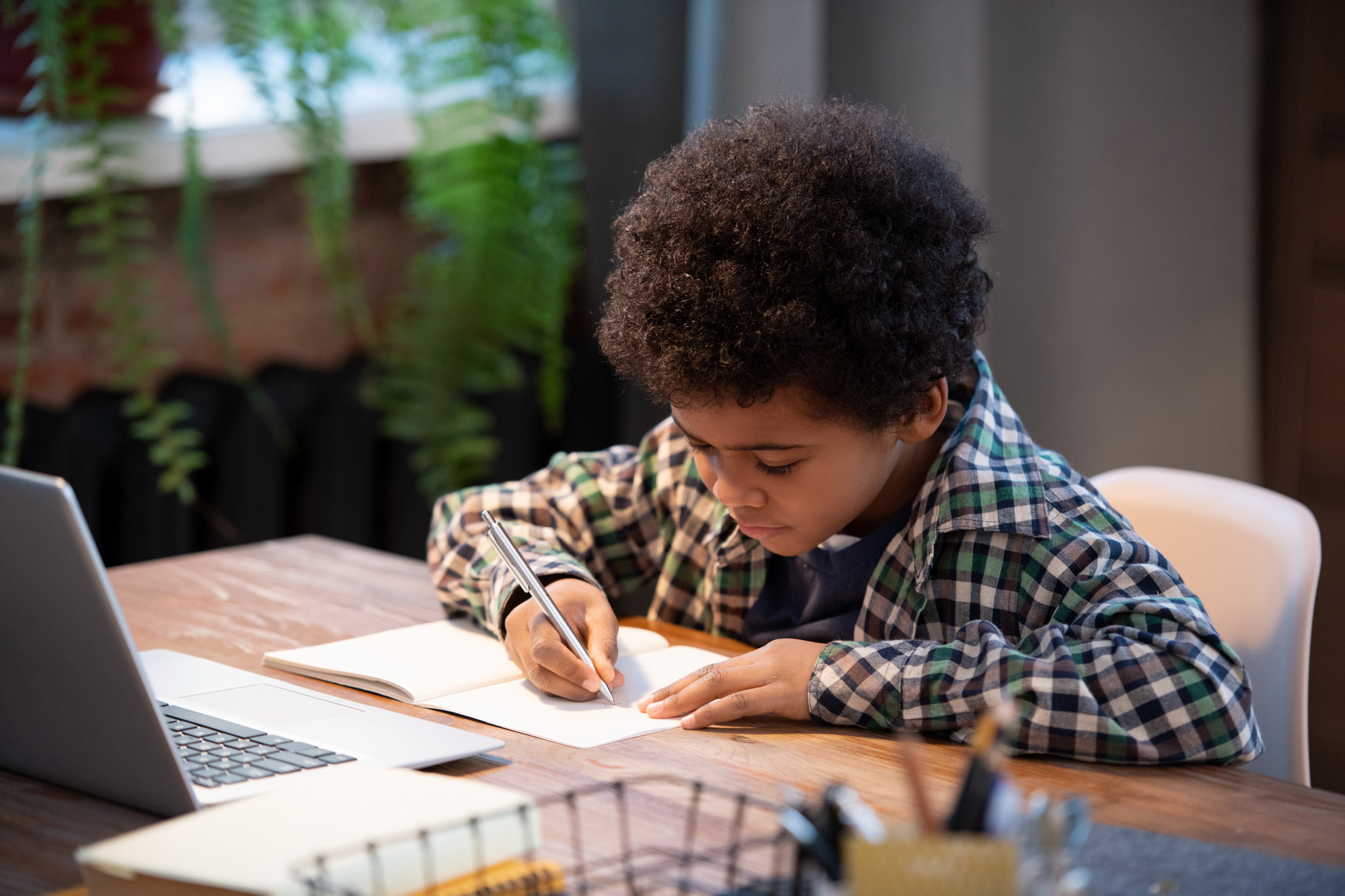

Hand-eye coordination is a fundamental skill for 6-year-olds and should be a priority for parents and teachers because it underpins many critical aspects of child development and everyday functioning. This skill enables children to effectively synchronize their visual perception with physical movements, which is essential for tasks such as writing, coloring, cutting with scissors, and even playing sports. The development of hand-eye coordination helps enhance fine motor skills, which in turn, are crucial for academic activities and overall independence.
For instance, proficient hand-eye coordination allows children to form letters and numbers correctly, leading to legible handwriting and more efficient learning processes. It also contributes positively to self-esteem; children who can skillfully complete tasks tend to feel more competent and confident. Additionally, coordinated physical activities boost cognitive development and spatial awareness, fostering better problem-solving skills and critical thinking.
Furthermore, in today’s digital age, where screen time often surpasses outdoor play, specific attention to activities promoting hand-eye coordination ensures balanced development. Encouraging children to engage in activities like puzzles, building blocks, sports, or arts and crafts can lead to well-rounded growth. By prioritizing hand-eye coordination, parents and teachers set the foundation for children's academic success, physical health, and emotional well-being.








