Identifying Animals Worksheets for 6-Year-Olds
5 filtered results
-
From - To
Discover our engaging "Identifying Animals Worksheets for 6-Year-Olds," designed to enhance young learners’ knowledge and recognition of various animals. Tailored for early grade education, these worksheets feature vibrant illustrations and interactive activities that capture children's attention while fostering their curiosity about the animal kingdom. For six-year-olds, our resources promote cognitive development, fine motor skills, and reading comprehension through fun exercises. Students will enjoy identifying animal characteristics, matching images to names, and discussing their habitats. Perfect for homeschooling or classroom use, these worksheets provide a delightful way to learn about animals while encouraging creativity and critical thinking in young minds.
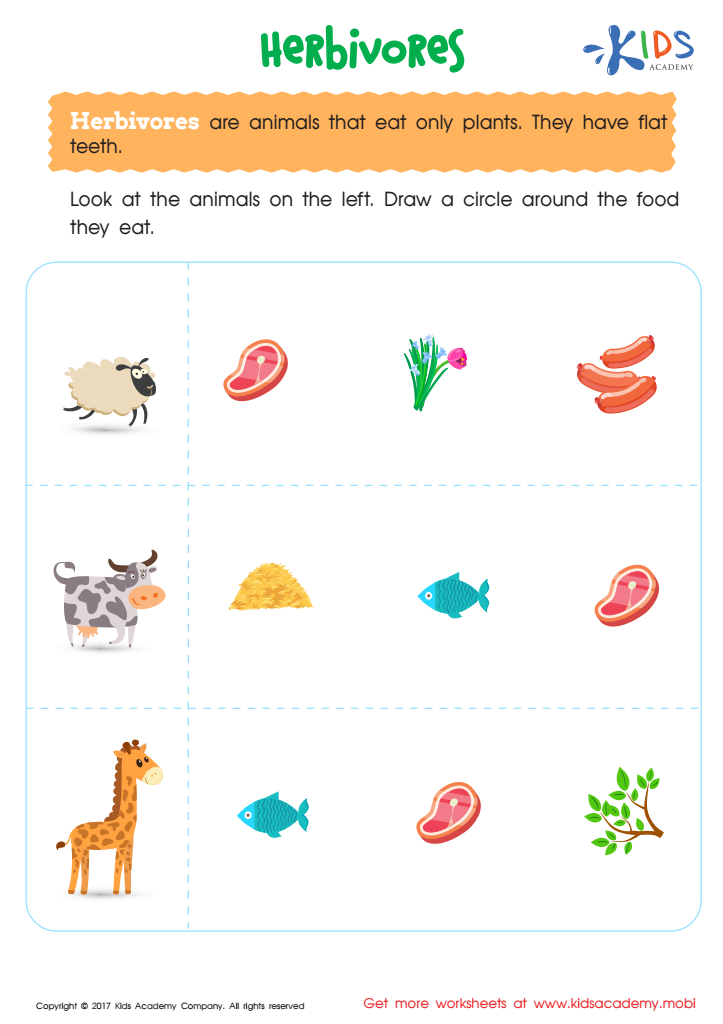
Herbivores Printable
 Assign to My Students
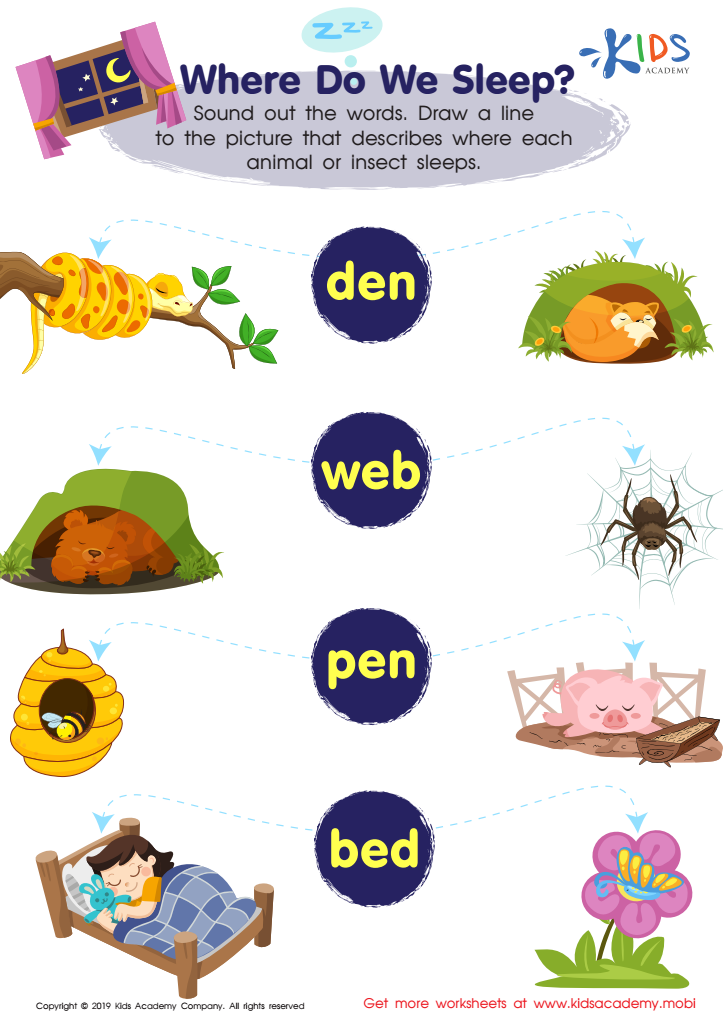
Where Do We Sleep Worksheet
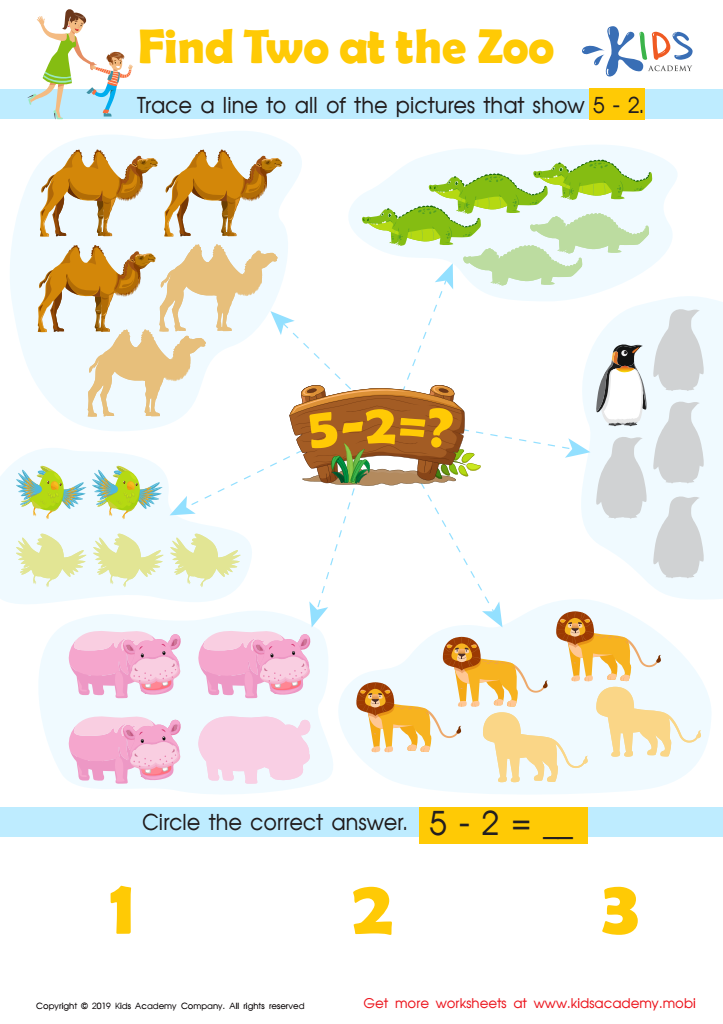
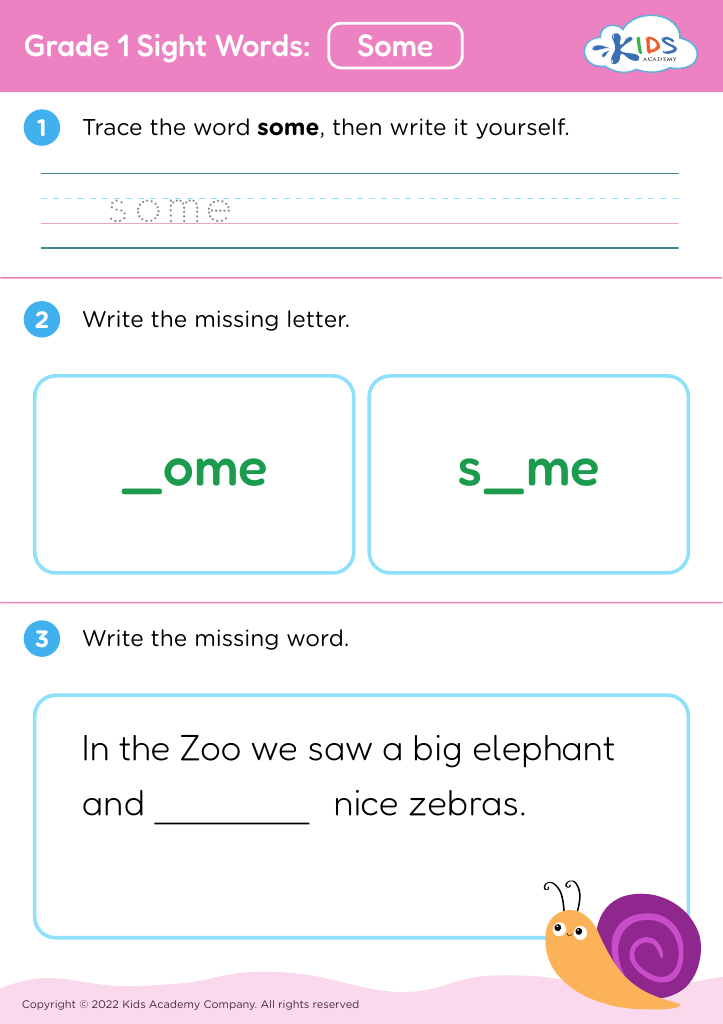
Find Two at the Zoo Worksheet
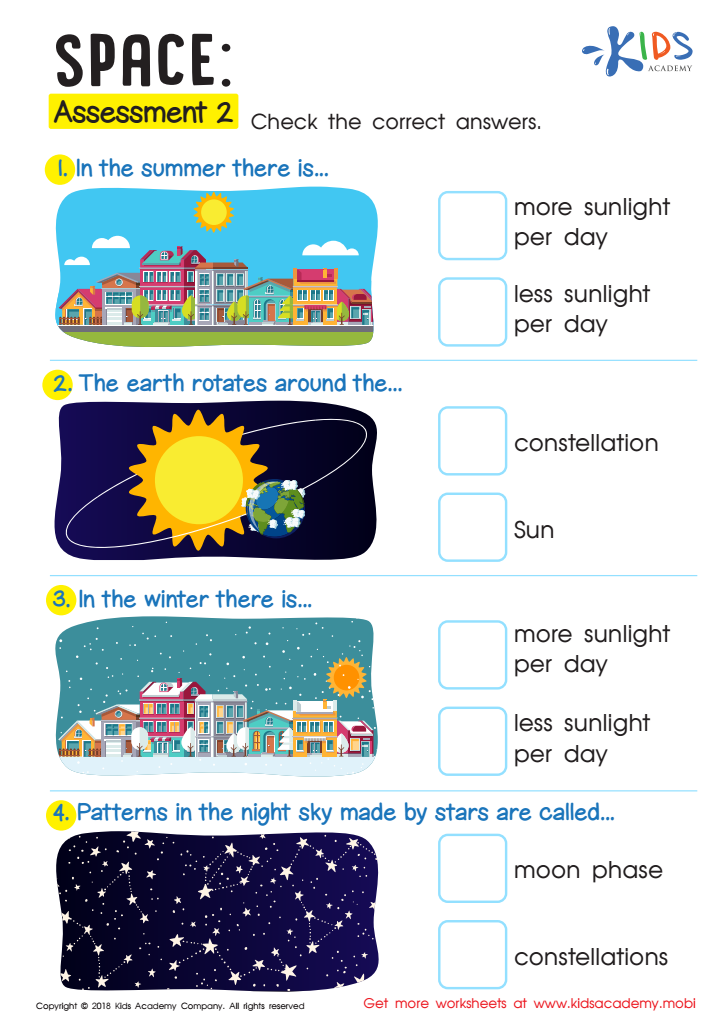
Space: Assessment 2 Worksheet



.jpg)



Identifying animals is a crucial aspect of learning for 6-year-olds, and both parents and teachers should prioritize this skill. First, it enhances children's understanding of the natural world, fostering a sense of curiosity and respect for living things. When children learn to identify different animals, they become more aware of biodiversity, which helps cultivate a lifelong appreciation for the environment.
Furthermore, identifying animals supports cognitive development; it promotes critical thinking skills as children categorize and differentiate between various species. This process helps enhance their vocabulary and communication skills, as they learn specific terms related to zoology. Engaging with animals—through stories, pictures, or real-life encounters—stimulates creativity and imagination, which are key components of early learning.
In addition, knowledge about animals can bolster social learning. Children often work in groups to discuss or share findings about animals, encouraging collaboration and teamwork. Such interactions also help build emotional intelligence as children learn to communicate empathy and care for creatures.
Overall, nurturing the skill of identifying animals enriches a child's educational experience, setting a foundation for scientific inquiry, environmental stewardship, and social development—all essential for a well-rounded upbringing. By focusing on this topic, parents and teachers collectively contribute to comprehensive childhood development.








